Key Takeaways
- Tokyo takes the crown. Monocle's Quality of Life Survey 2026 names Tokyo the world's most liveable city, praised for its stability, calm, low crime and strong community values, ahead of Copenhagen and Lisbon.
- Europe dominates the list. 13 of the top 20 cities are European, led by Copenhagen (2nd), Lisbon (3rd) and Vienna (4th). The survey assessed 75 cities worldwide.
- Vancouver is North America's only entry. Monocle cites stubbornly high crime, inequality and poor housing for the continent's weak showing. London and Los Angeles both miss the cut entirely.
- A tie at No. 20. Perth and Kyoto share the final spot, giving Australia three cities on the list (Sydney, Melbourne, Perth) and Japan two (Tokyo, Kyoto).
- What Monocle measures. Safety, connectivity, governance, green space, culture, retail, hospitality and whether you can get a meal and a drink after 10pm, with 2026's edition weighting urban ambition, security and joy.
Every summer, Monocle magazine ranks the cities where daily life simply works best. The Quality of Life Survey 2026, published in the magazine’s July issue, assessed 75 cities on the metrics that decide whether a place is genuinely pleasant to live in: safety, public transport, green space, governance, culture, retail and nightlife. This year’s edition put extra weight on civic ambition, security and a city’s ability to bring residents joy.
The 2026 verdict: Tokyo is the world’s most liveable city, Copenhagen and Lisbon complete the podium, and Europe supplies 13 of the top 20. We mapped all 21 ranked cities (Perth and Kyoto tie at No. 20) and paired each with a photo, so you can see exactly where, and why, life is good.
The Top 20, Mapped
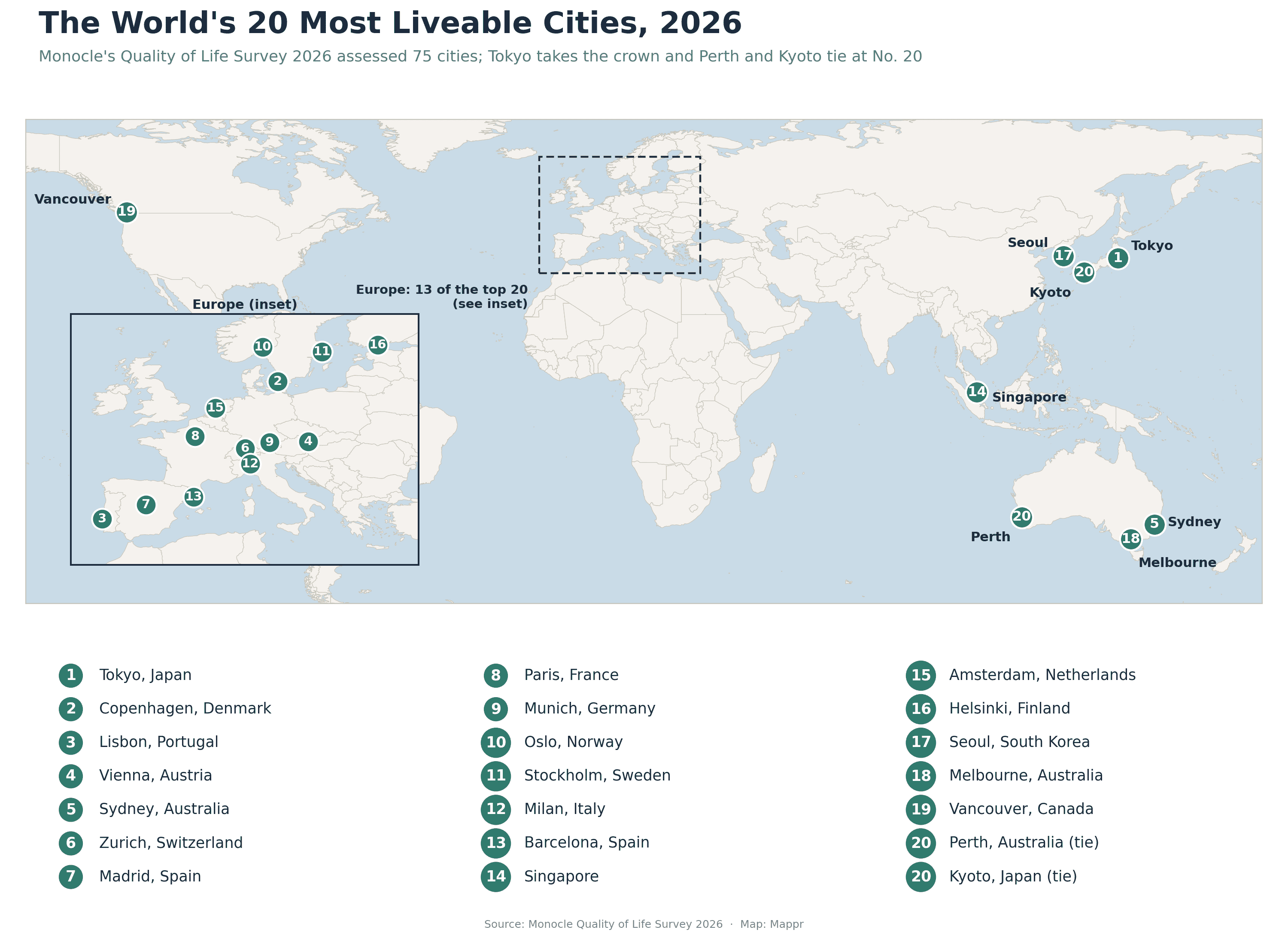
Quality of Life Survey 2026
Monocle's 20 Most Liveable Cities
75 cities assessed; Perth and Kyoto tie at No. 20.
| City | Rank | Why it ranks |
|---|---|---|
| Tokyo, Japan | 1 | Stability, calm, low crime, superb food and transit |
| Copenhagen, Denmark | 2 | Cycling capital of the world; housing and climate focus |
| Lisbon, Portugal | 3 | Sunshine, safety, food scene and independent retail |
| Vienna, Austria | 4 | Social housing model; 400 new flats built in 2025 |
| Sydney, Australia | 5 | Harbour lifestyle and outdoor culture |
| Zurich, Switzerland | 6 | Efficiency, lake swimming, high salaries |
| Madrid, Spain | 7 | Late-night energy and grand boulevards |
| Paris, France | 8 | Culture density and post-Olympic momentum |
| Munich, Germany | 9 | Order, green space and Alpine access |
| Oslo, Norway | 10 | Fjord-side living and bold architecture |
| Stockholm, Sweden | 11 | Waterfront urbanism across 14 islands |
| Milan, Italy | 12 | Design capital with growing green credentials |
| Barcelona, Spain | 13 | Street life, beaches and Gaudí's cityscape |
| Singapore | 14 | Safety and greenery in a garden city |
| Amsterdam, Netherlands | 15 | Canals, bikes and compact urbanism |
| Helsinki, Finland | 16 | Design, saunas and Baltic calm |
| Seoul, South Korea | 17 | 24-hour convenience and mountain trails |
| Melbourne, Australia | 18 | Laneway culture and sport obsession |
| Vancouver, Canada | 19 | North America's only entry; sea-to-mountain setting |
| Perth, Australia | 20 | Tie: sunshine, space and the Swan River |
| Kyoto, Japan | 20 | Tie: heritage, temples and human scale |
The Cities, One by One
🇯🇵 1. Tokyo
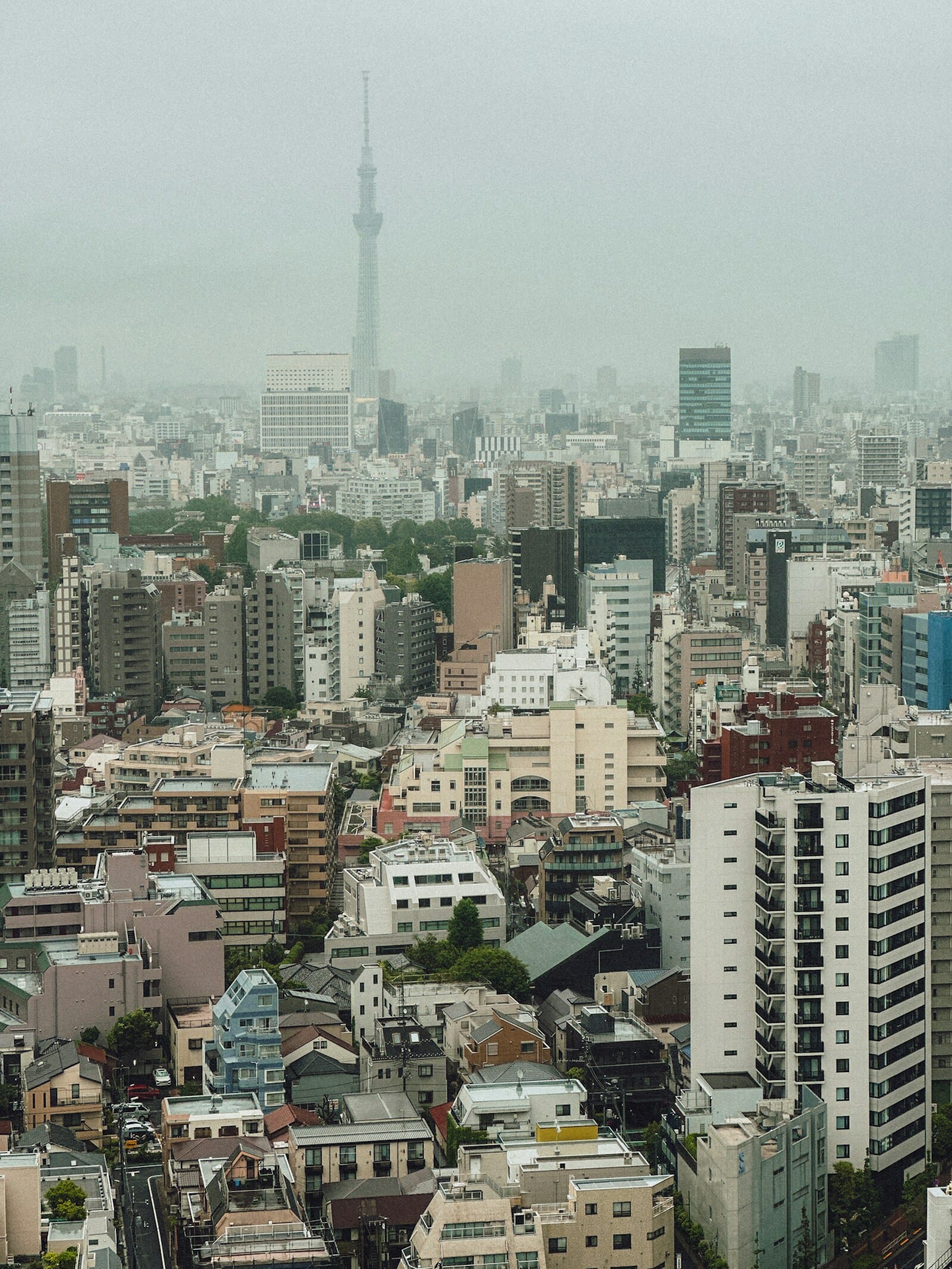
Monocle’s winner is the world’s largest metropolis, and somehow also one of its calmest. The magazine highlights Tokyo‘s blend of stability, security and community: crime is minimal, trains run to the second, and every neighborhood functions like a self-contained village. Add the deepest restaurant bench on Earth and green pockets from Yoyogi to the Imperial Palace gardens, and the crown is hard to argue with. See more of Japan on our country page.
🇩🇰 2. Copenhagen
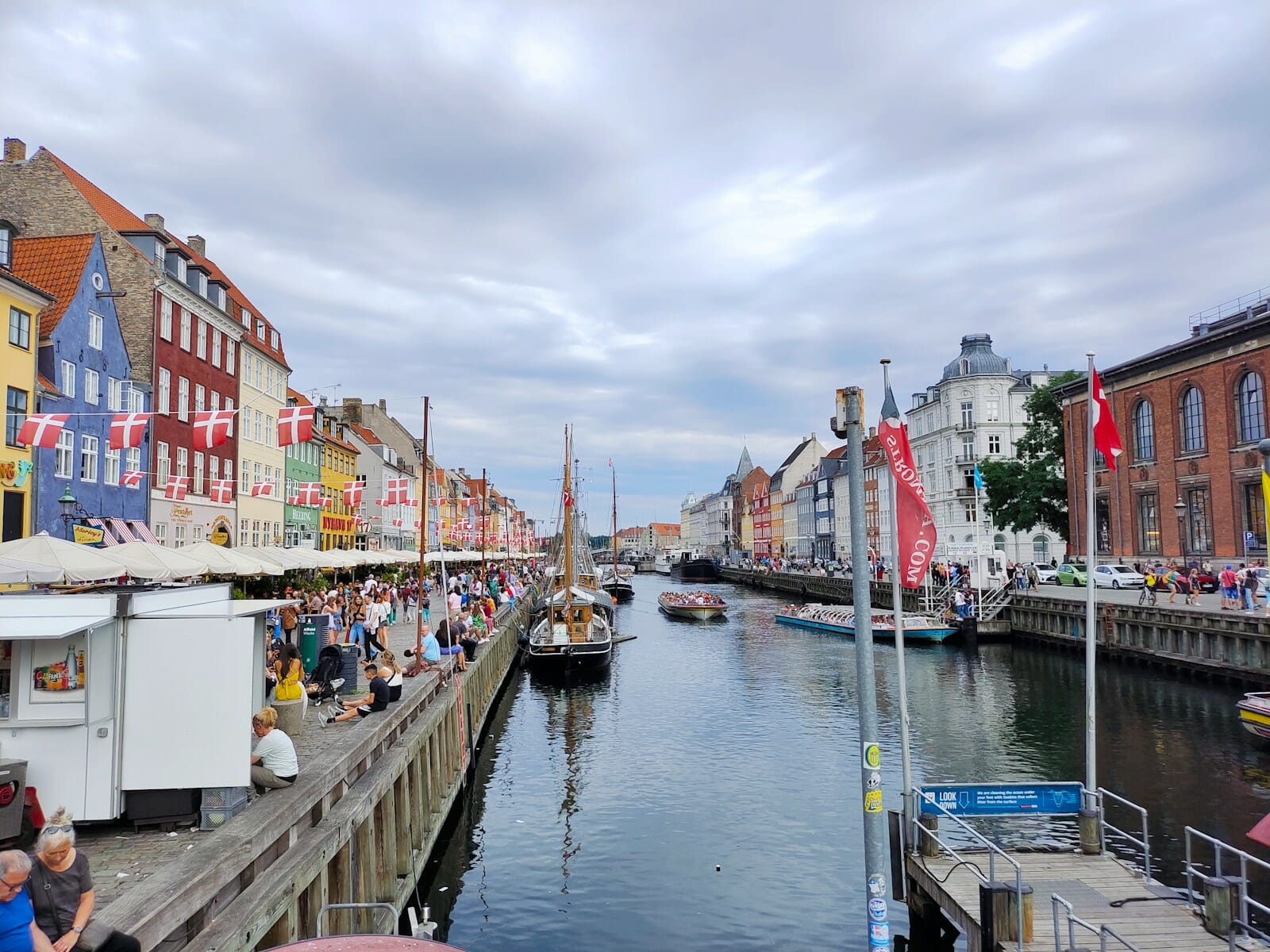
Second-placed Copenhagen is Monocle’s European benchmark: revolutionary cycling infrastructure (the city consistently tops the Copenhagenize index), a world-class food scene and a municipality now laser-focused on housing affordability, climate action and taming cars. High social capital does the rest; few cities make everyday life feel this frictionless.
🇵🇹 3. Lisbon
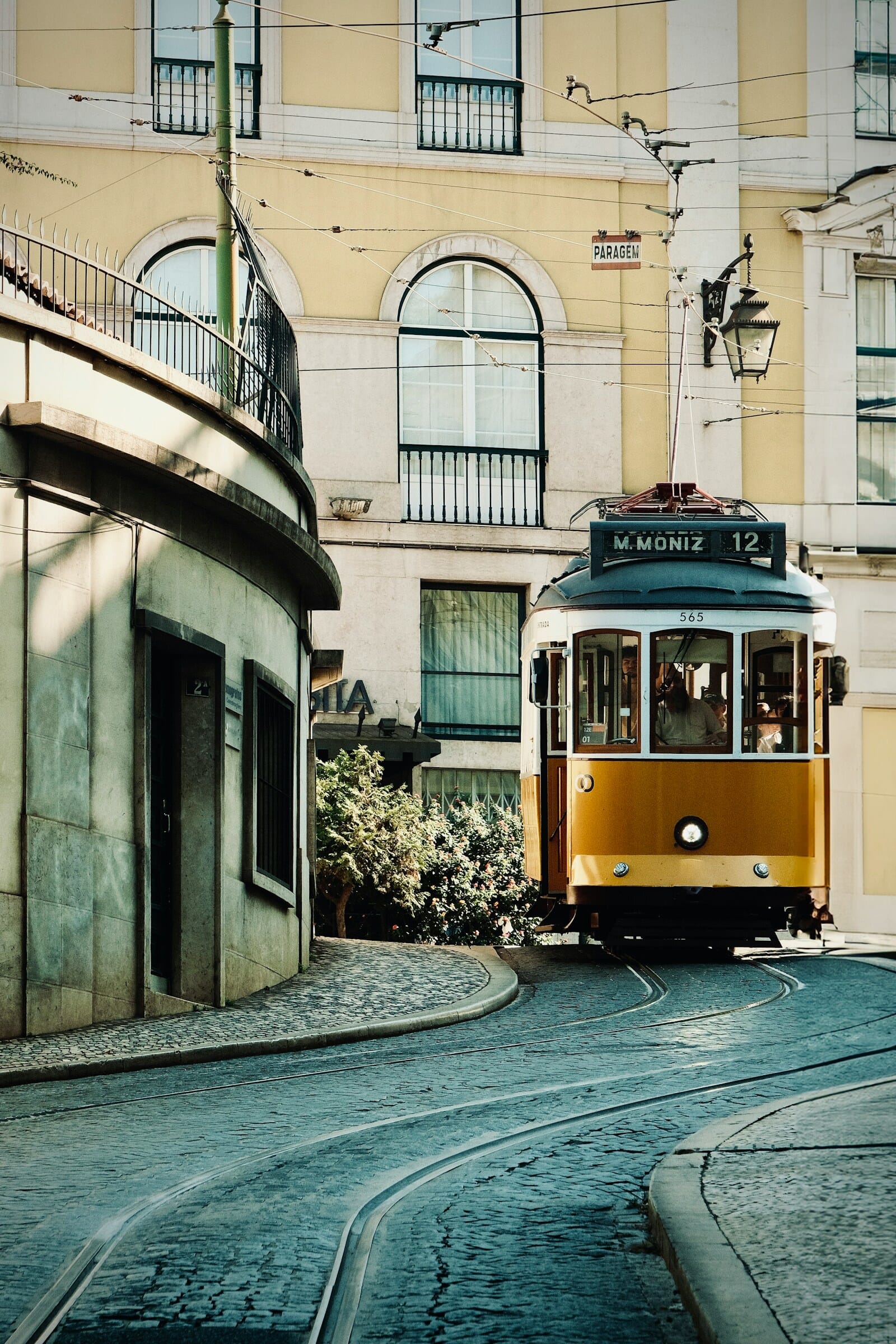
Third place goes to Lisbon, rewarded for its sunshine hours, vibrant food scene, stunning architecture and strong independent retail. Monocle also credits safety and the airport’s connectivity, minutes from downtown. Portugal‘s capital keeps converting digital-nomad hype into permanent residents.
🇦🇹 4. Vienna
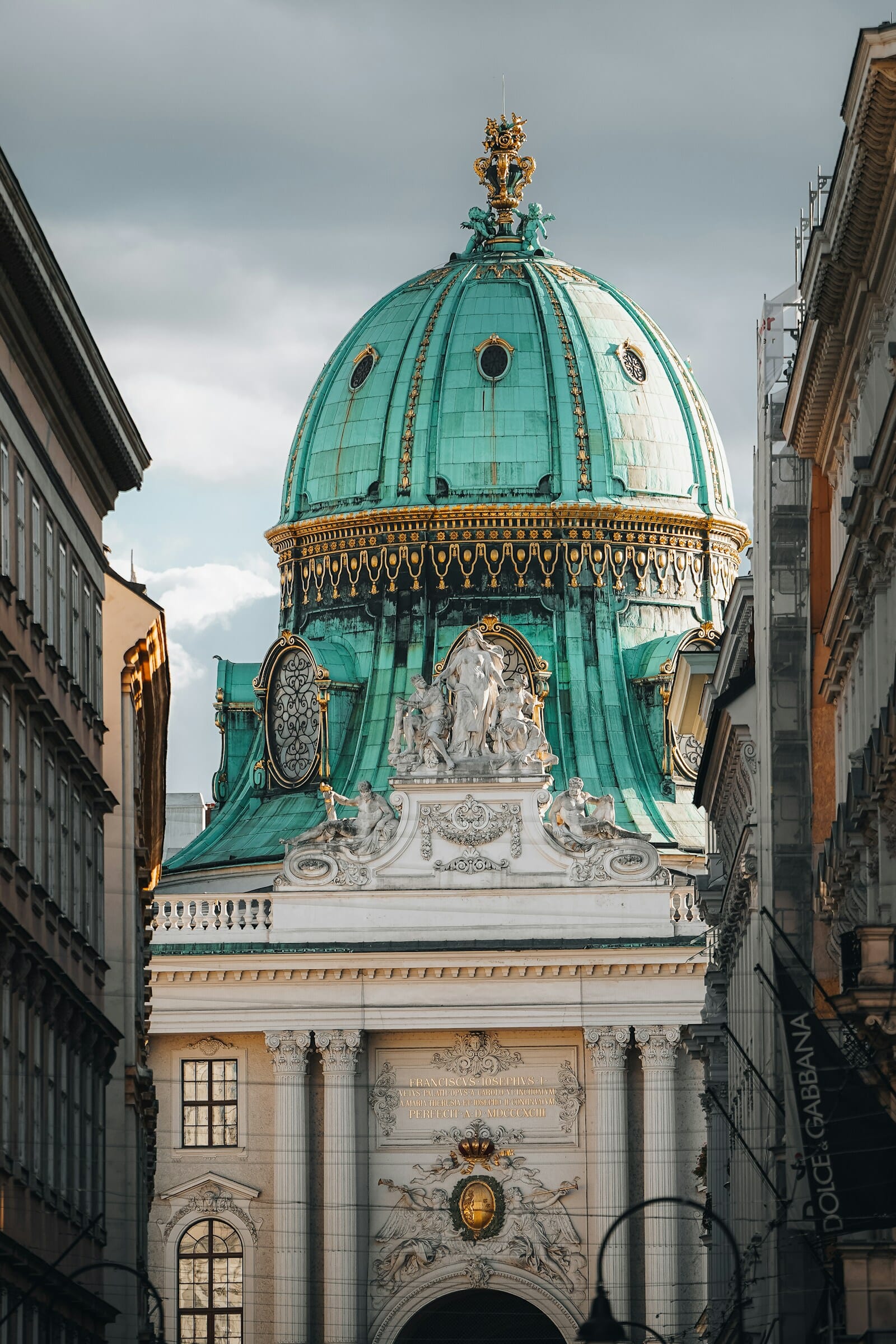
Vienna, first in 2023, slips to fourth but remains the global model for social housing: the city built 400 new subsidized flats in 2025 alone, and more than half of residents live in municipal or cooperative homes. Vineyards inside the city limits, Danube swimming and a packed events calendar round out the case.
🇦🇺 5. Sydney
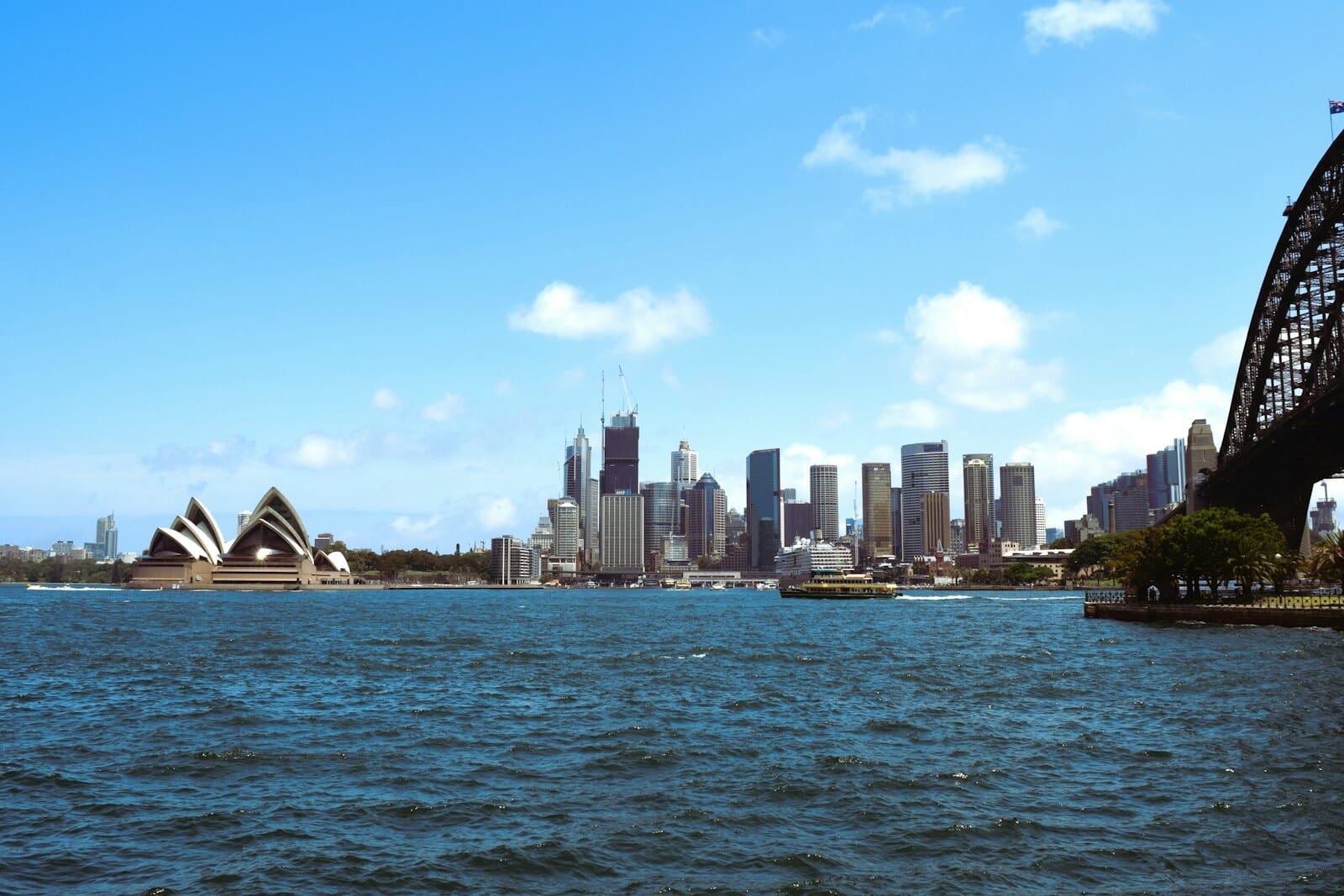
The highest-ranked city outside Europe and Asia, Sydney pairs its harbour-and-beaches lifestyle with serious cultural firepower. Monocle’s correspondents flag the outdoor swimming culture and food scene; the rest of Australia‘s case is made simply by looking at the water.
🇨🇭 6. Zurich
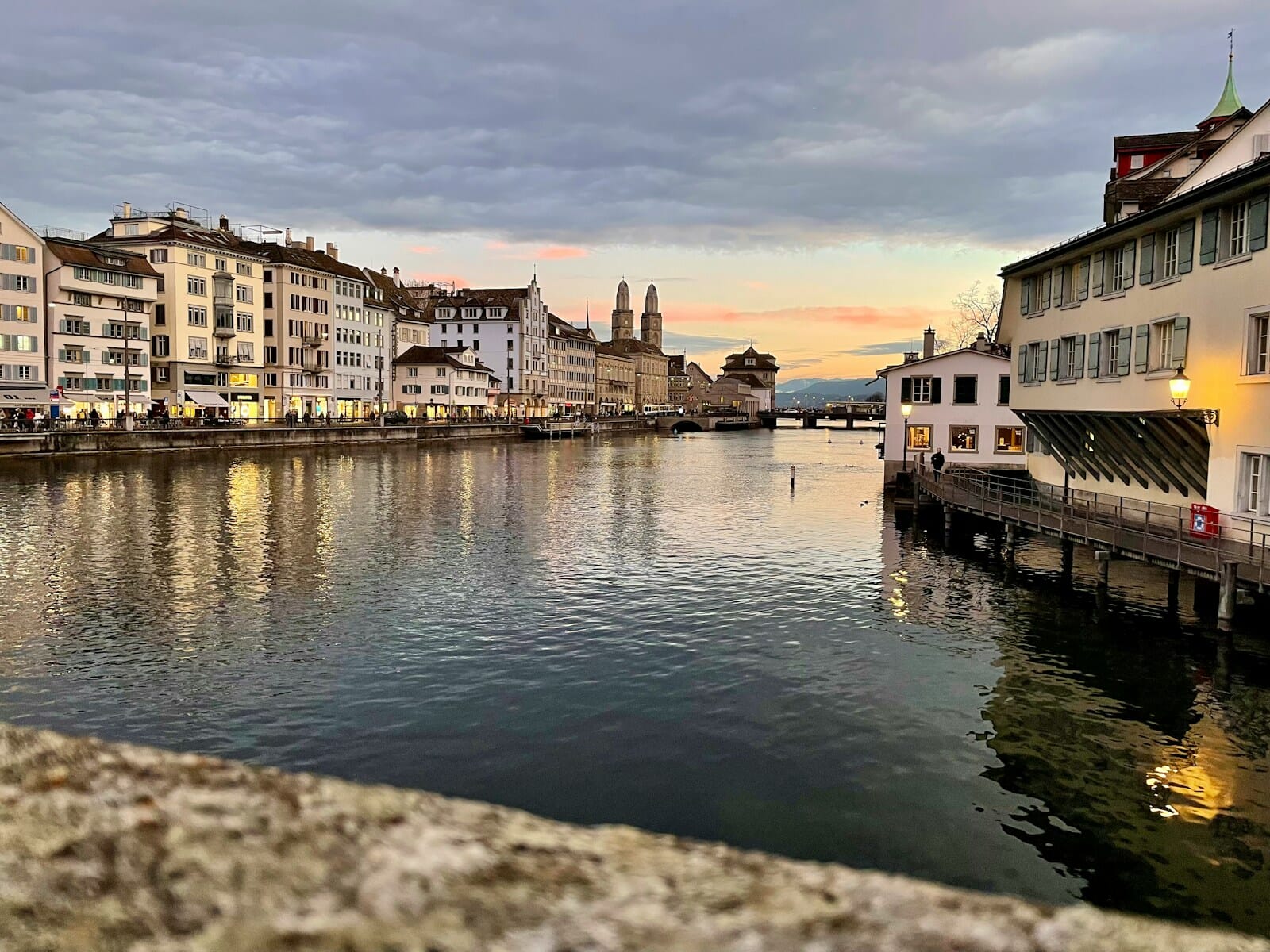
Zurich is the smallest city near the top of the list and arguably the most efficient anywhere: Swiss punctuality, immaculate trams, and a lake and two rivers clean enough that commuters swim to work in summer. High salaries offset infamous prices, and the Alps are an hour away. More on Switzerland here.
🇪🇸 7. Madrid
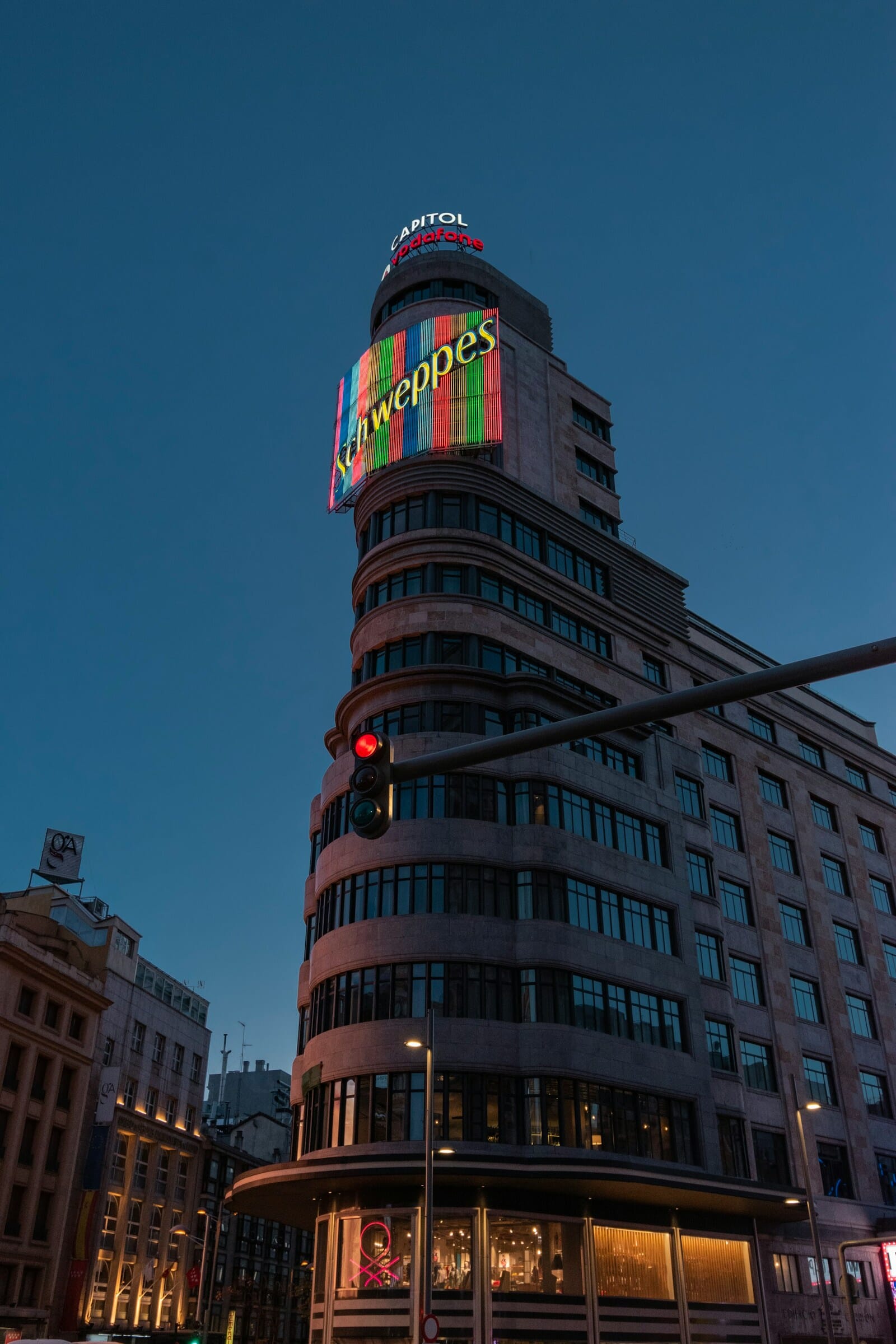
Madrid is Monocle’s answer to the after-10pm test: no major city does late-night eating, drinking and simply being outdoors better. The Spanish capital combines grand Gran Vía architecture with Retiro Park’s green lungs and a metro that shames larger cities.
🇫🇷 8. Paris
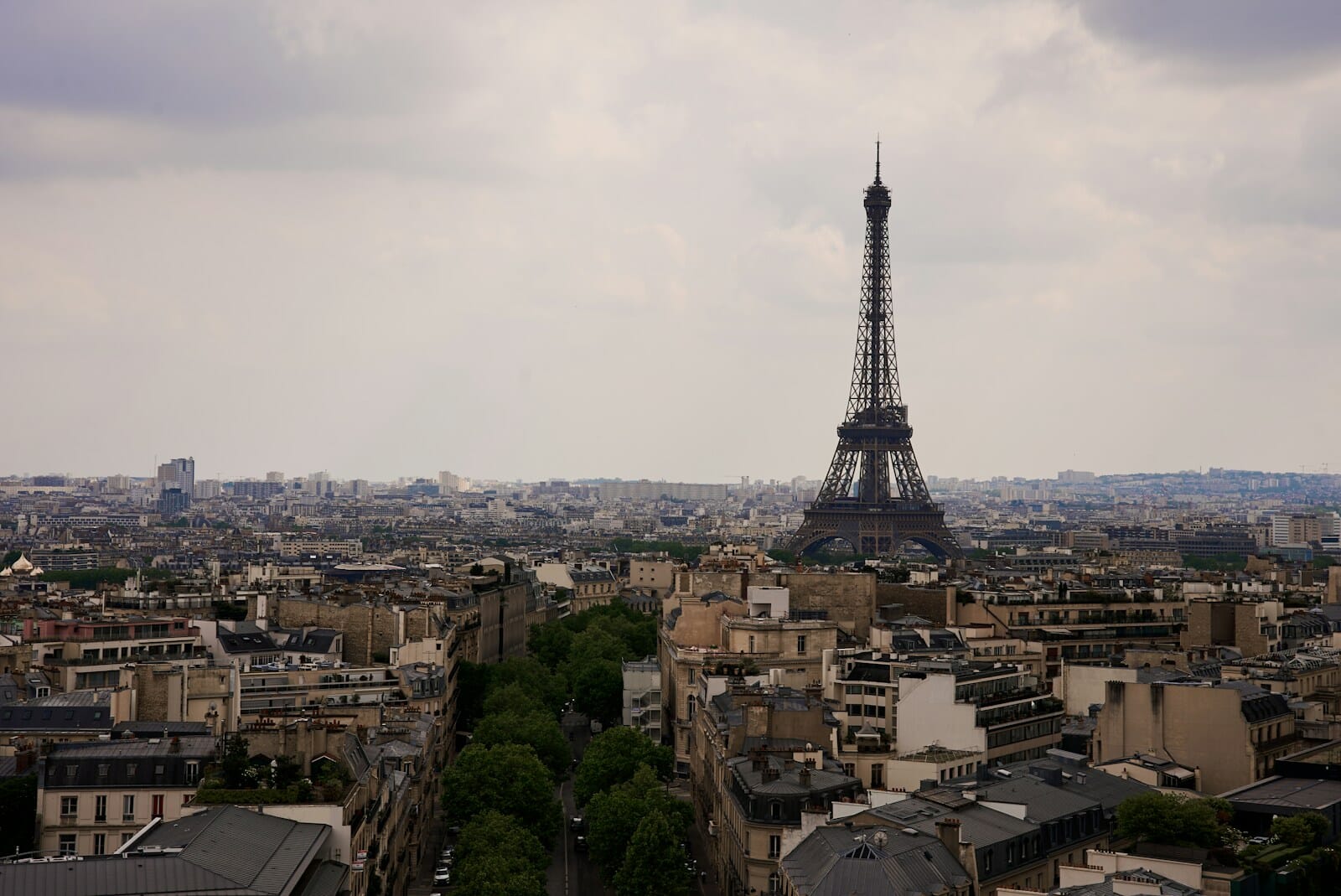
Paris keeps converting its Olympic momentum into liveability: the Seine is swimmable again, cycling lanes have exploded, and the 15-minute-city experiment keeps daily life local. The culture-per-square-kilometer ratio remains unmatched in France and beyond.
🇩🇪 9. Munich
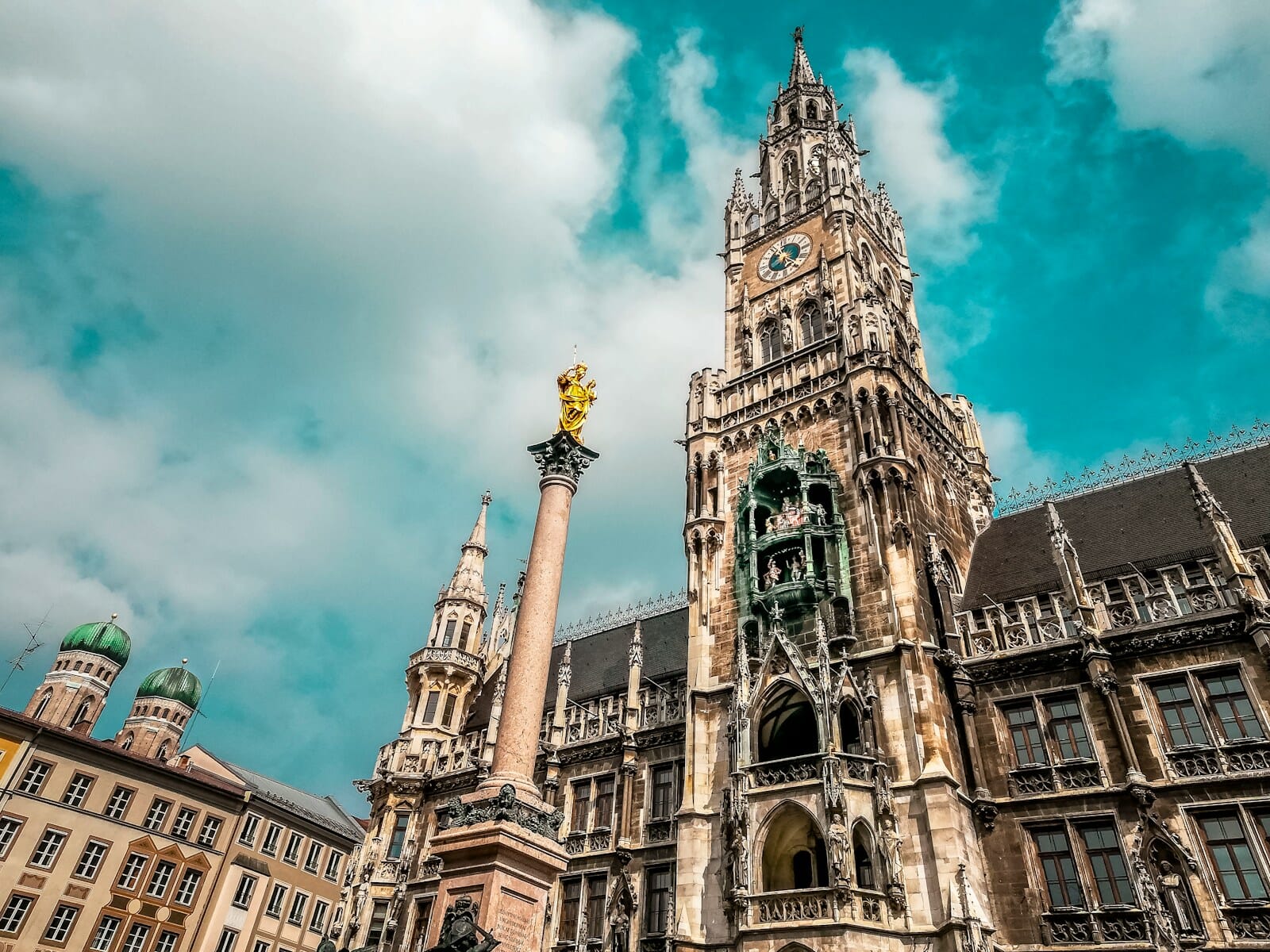
Munich delivers German order with Alpine ease: the Englischer Garten is bigger than Central Park, the S-Bahn reaches lakes and mountains within the hour, and beer gardens double as civic institutions. It remains Germany‘s quality-of-life flagship.
🇳🇴 10. Oslo
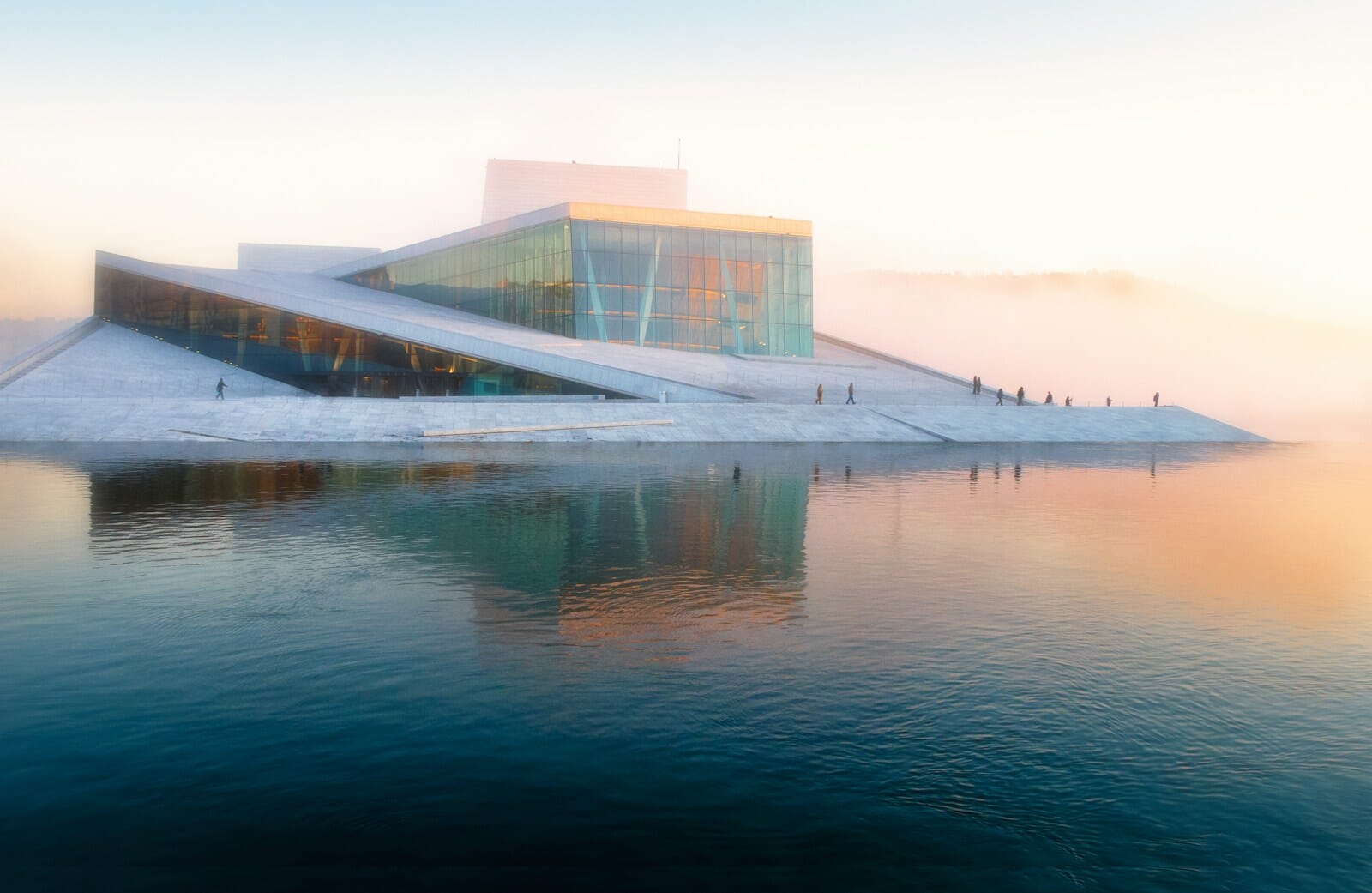
Oslo rounds out the top ten with fjord-side regeneration: the Opera House you can walk on, floating saunas, and islands reachable by public ferry. Norway‘s capital proves a small city can feel expansive.
🇸🇪 11. Stockholm
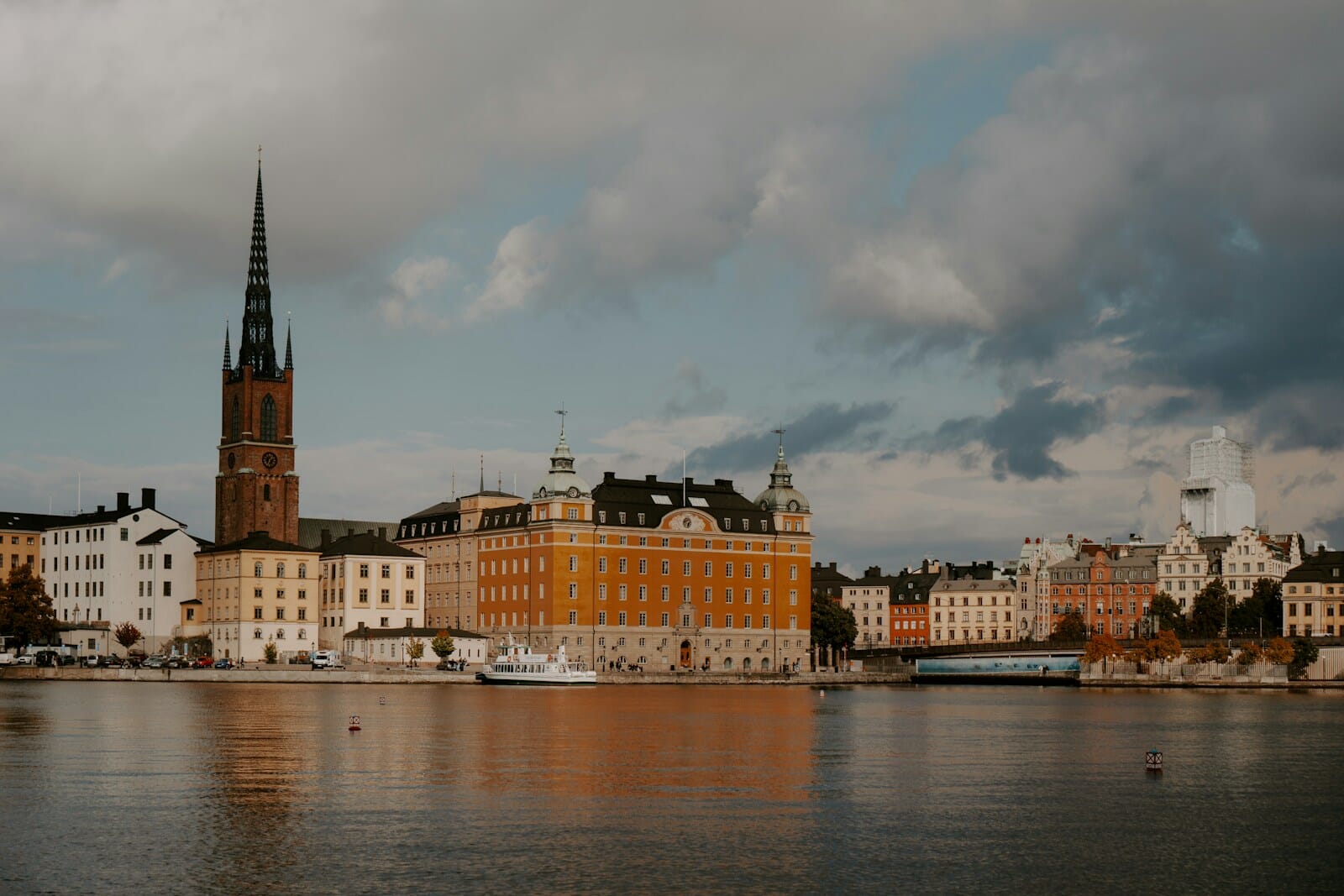
Spread across 14 islands, Stockholm makes water part of the commute. Gamla Stan’s medieval core, a design-obsessed retail scene and generous parental-leave-friendly rhythms keep Sweden‘s capital in the global top tier.
🇮🇹 12. Milan
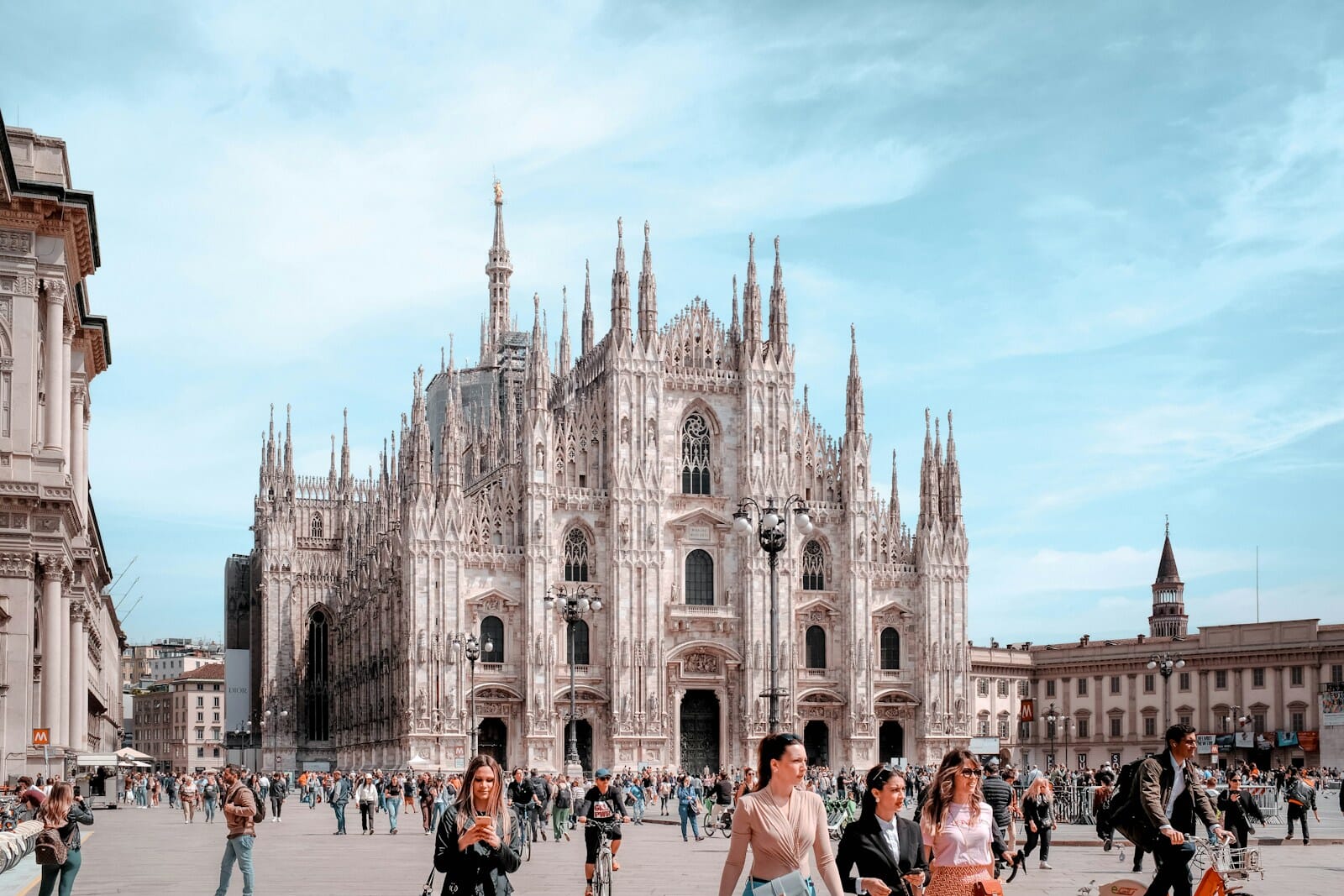
Milan is Italy‘s engine room: design week, fashion week and a fast-densifying skyline, now softened by the Bosco Verticale’s greenery and post-Covid cycling lanes. The Duomo’s piazza remains one of Europe’s great urban stages.
🇪🇸 13. Barcelona
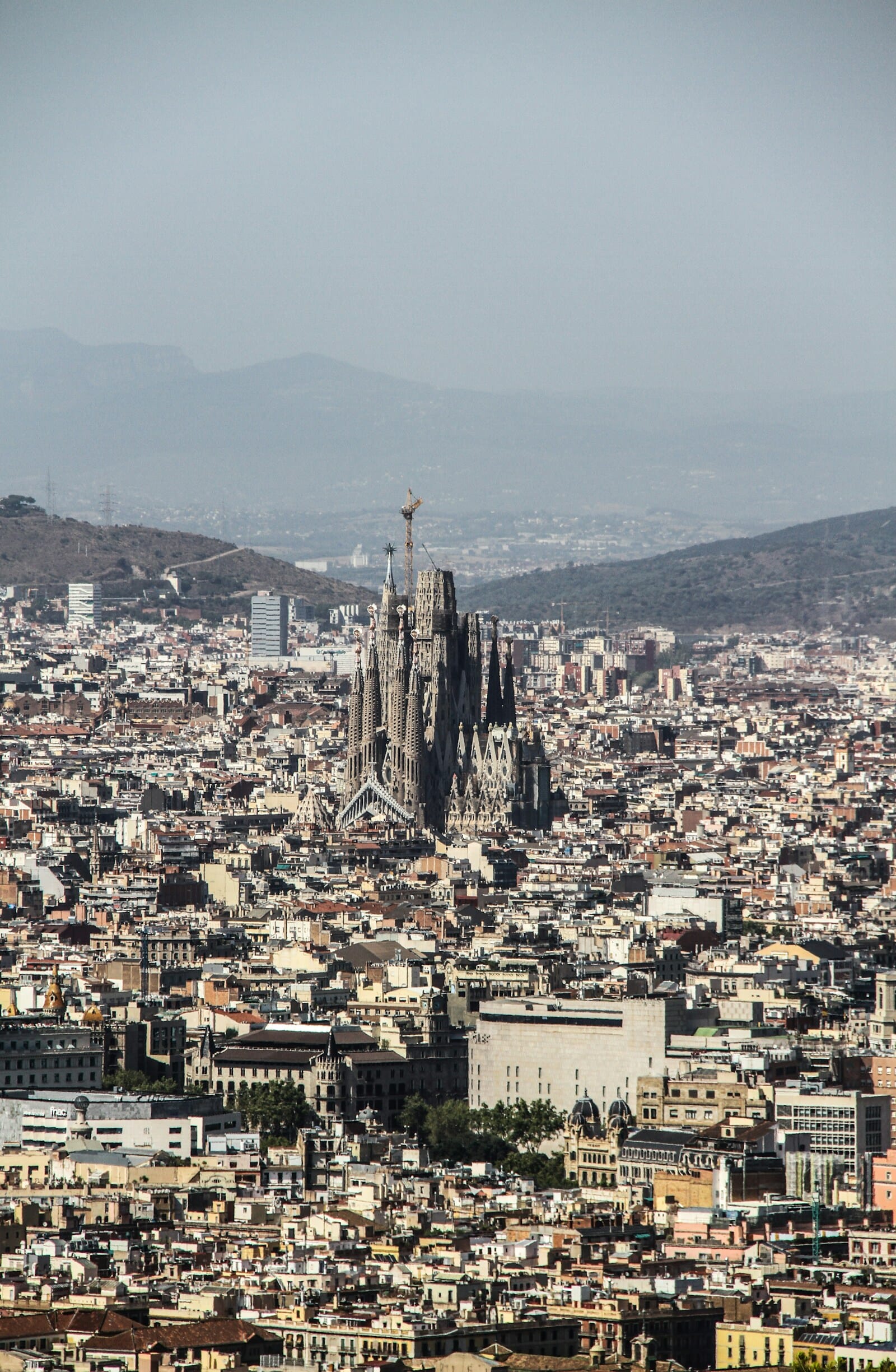
Barcelona’s superblocks keep reclaiming streets from cars, and the Eixample grid, beaches and Gaudí landmarks do the rest. Monocle places it lower than its fame suggests, citing pressure on housing, but daily life in Spain‘s second city remains enviably outdoors.
🇸🇬 14. Singapore
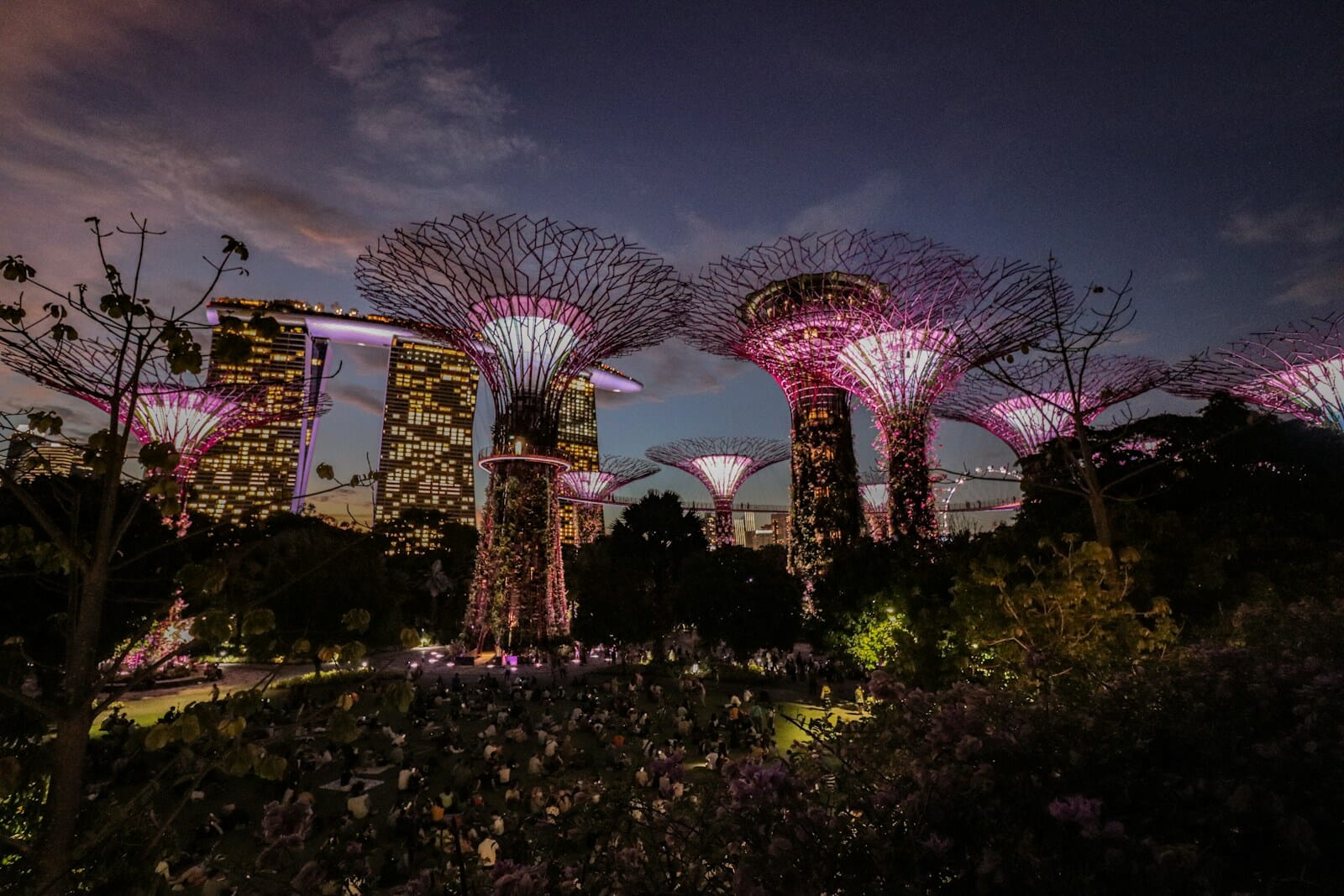
Singapore is the safest big city on the list and the greenest: half the island is under canopy, and the Gardens by the Bay supertrees have become shorthand for the city-state’s garden-city ambition. Order comes at a price, but few places function this smoothly.
🇳🇱 15. Amsterdam
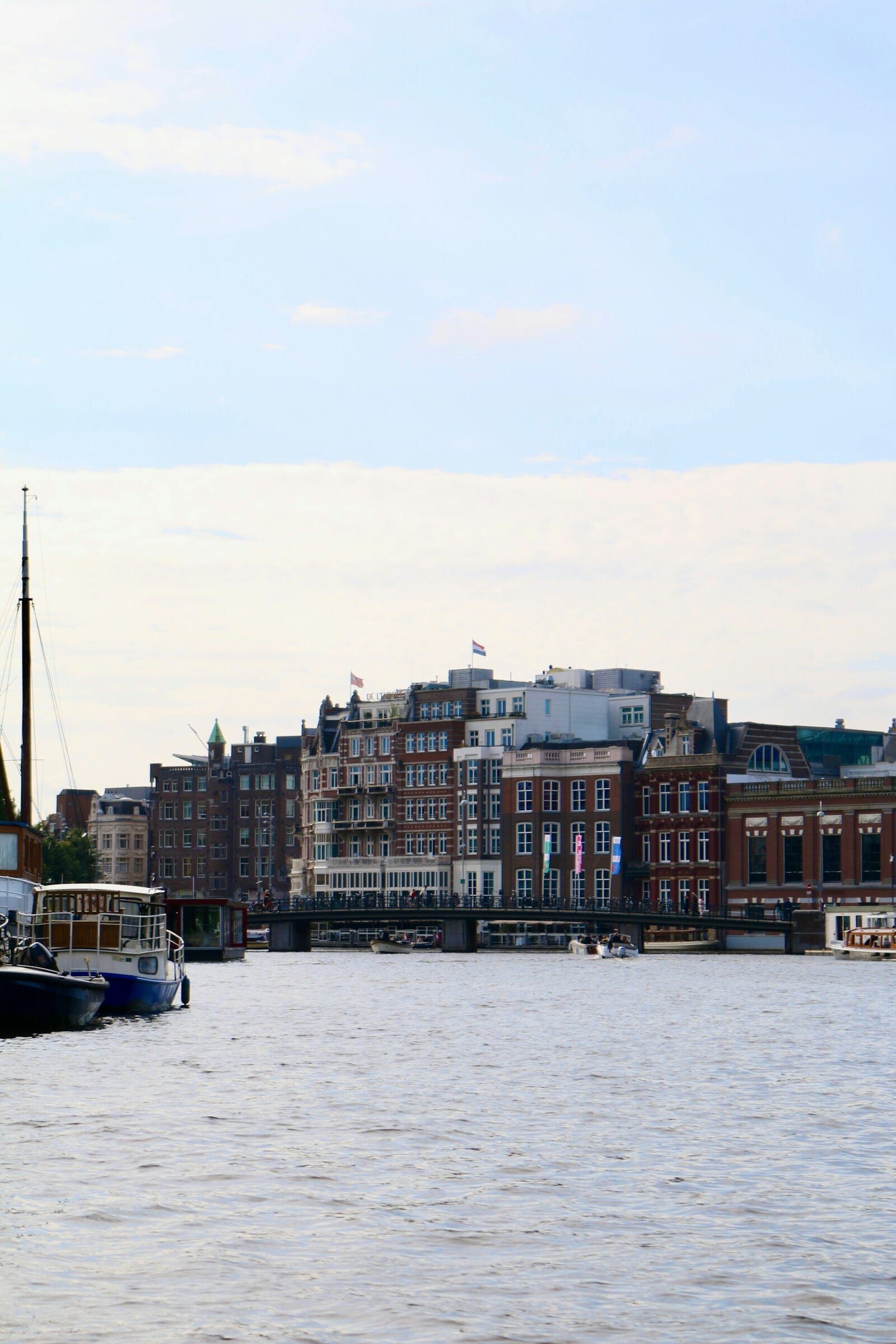
Amsterdam remains the compact-city ideal: canals, bikes outnumbering cars, and a center you can cross on foot in half an hour. Monocle’s correspondents note the Netherlands‘ housing squeeze, which keeps the capital out of the top ten.
🇫🇮 16. Helsinki
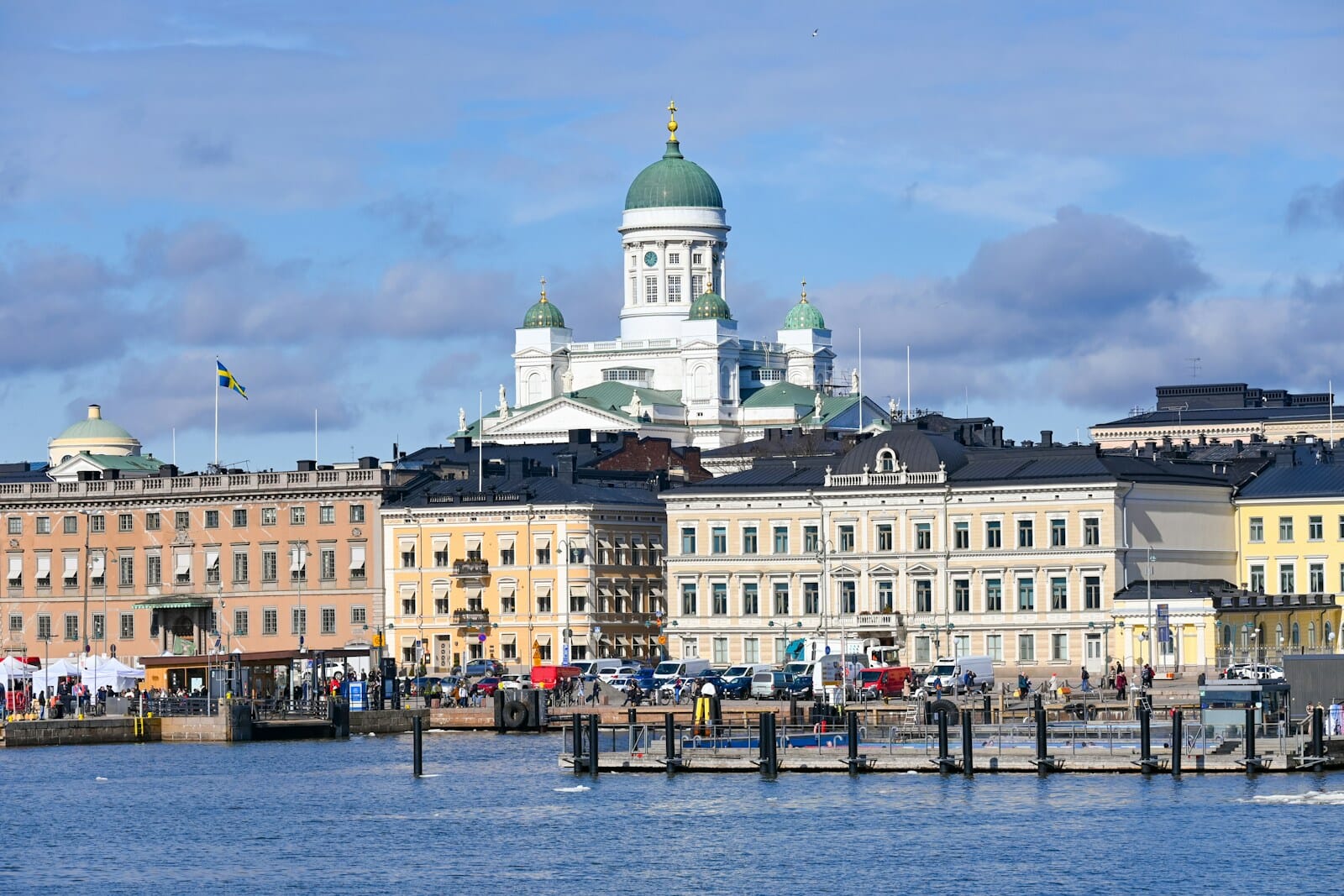
Helsinki pairs Baltic calm with serious design credentials and the world’s best public saunas. Finland‘s capital is compact, honest and quietly wealthy, and the archipelago starts at the harbour’s edge.
🇰🇷 17. Seoul
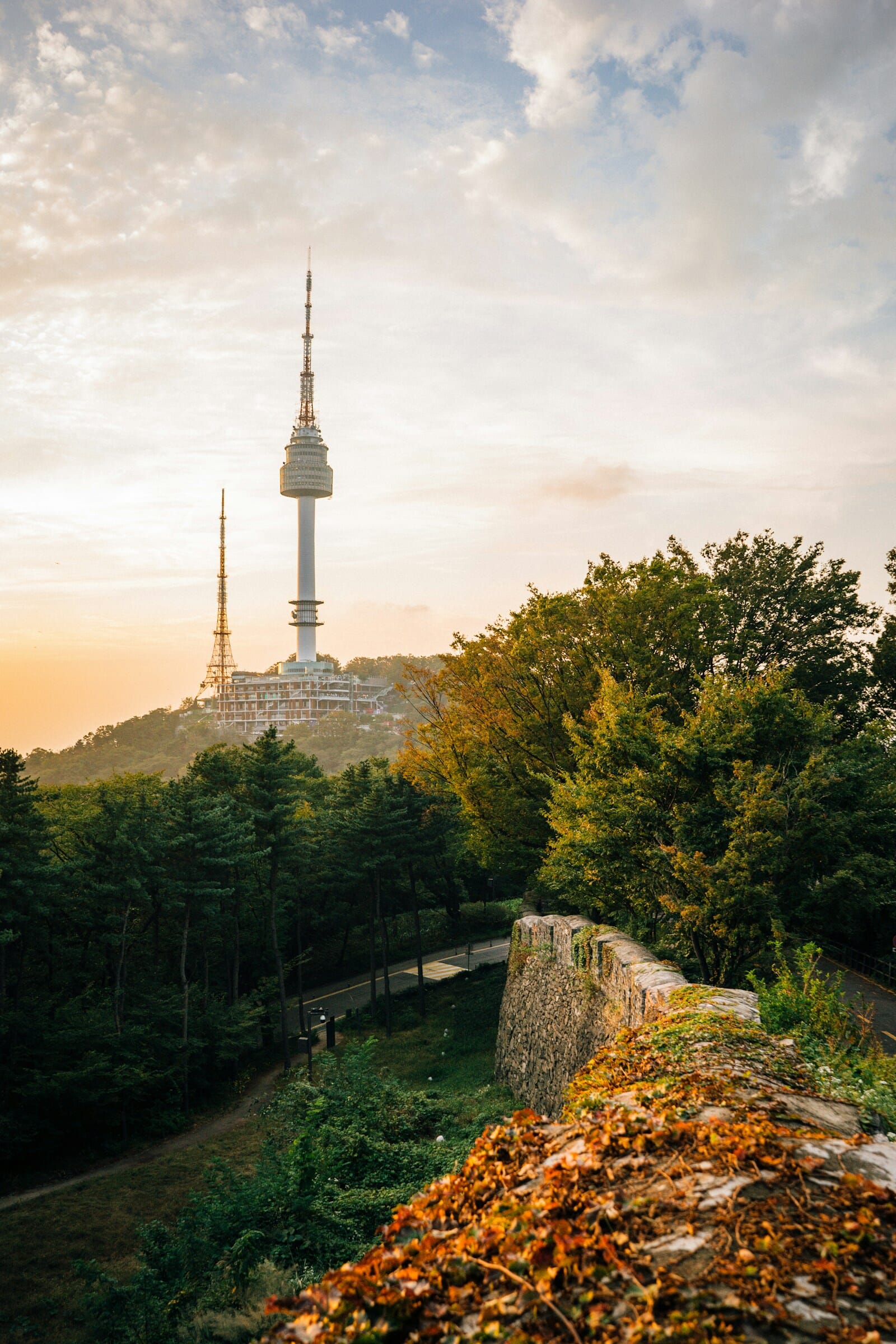
Seoul is the list’s 24-hour city: convenience stores, cafes and transit that never quite sleep, ringed by hiking trails that start at subway stations. South Korea‘s capital keeps adding parks along the Han River.
🇦🇺 18. Melbourne
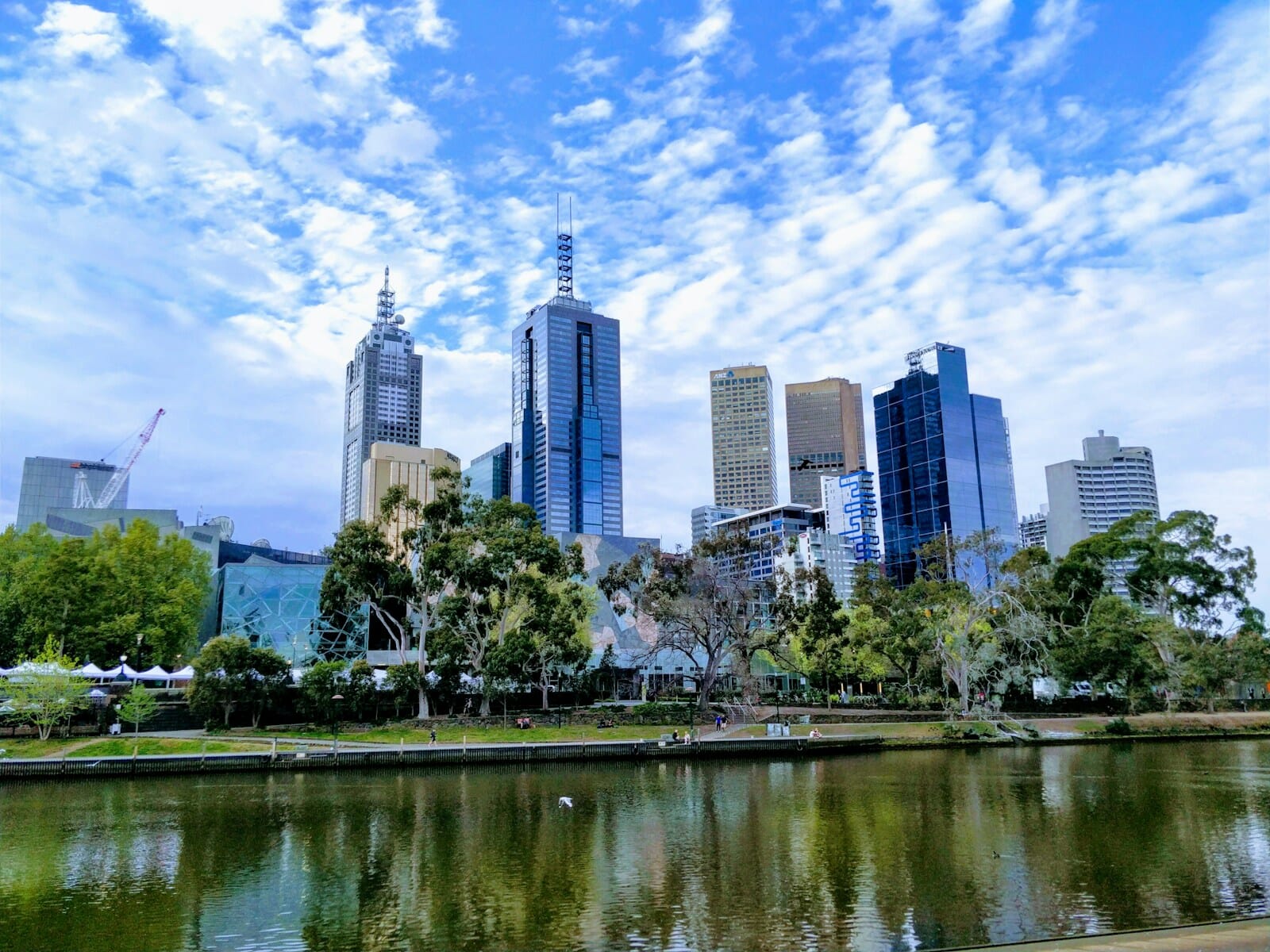
Melbourne’s laneway culture, coffee obsession and sporting calendar (four grand-slam weeks a year, effectively) keep it on the list, though housing costs have dented its standing. The Yarra’s banks are the city’s best free amenity.
🇨🇦 19. Vancouver
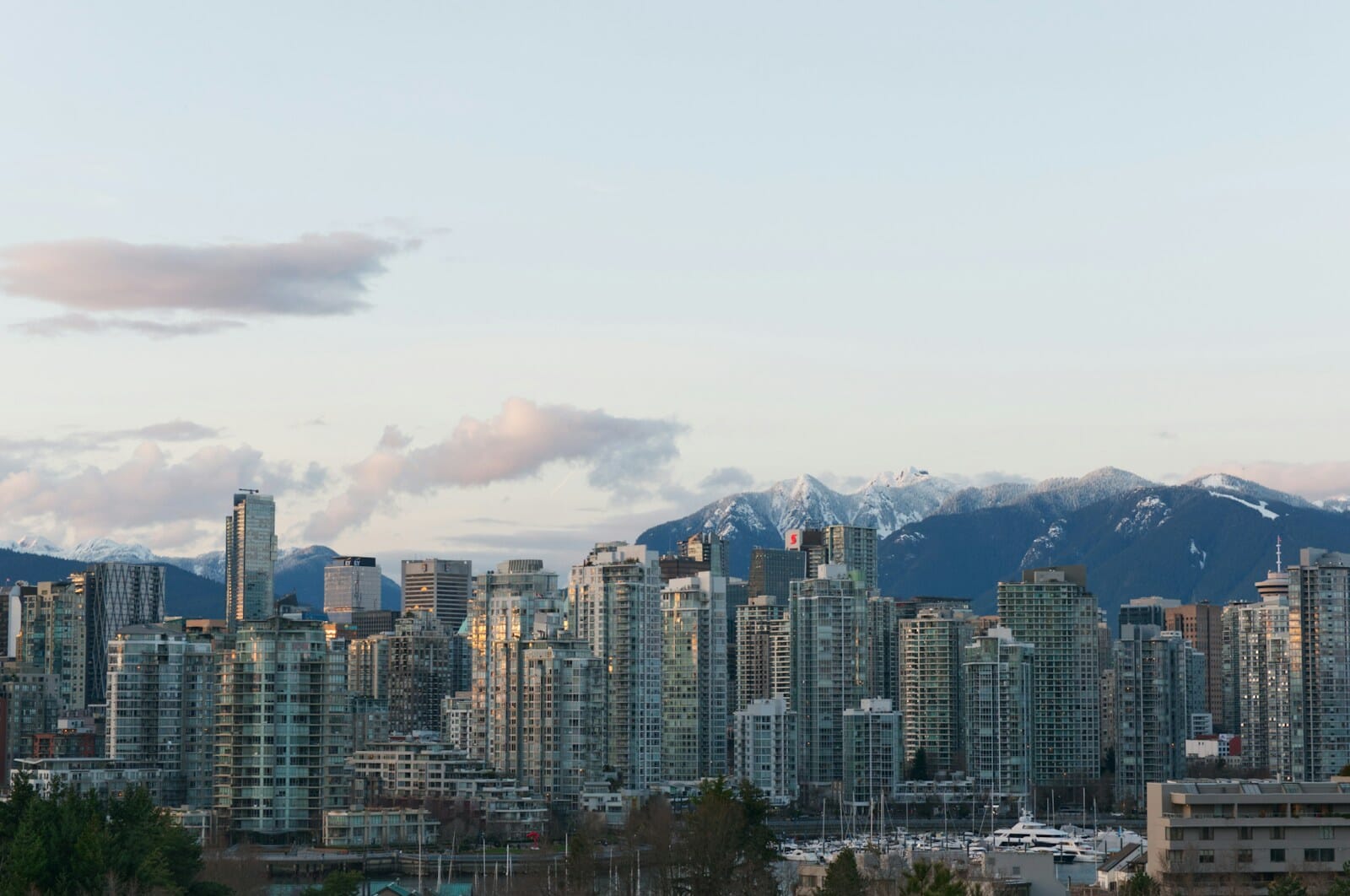
The only North American city to make the cut, Vancouver earns its place with geography: ocean, beaches and ski hills within sight of downtown. Monocle is blunt about why its neighbors miss out, citing crime, inequality and housing across the continent; Canada‘s Pacific gateway is the exception, not the rule.
🇦🇺 20. Perth (tie)
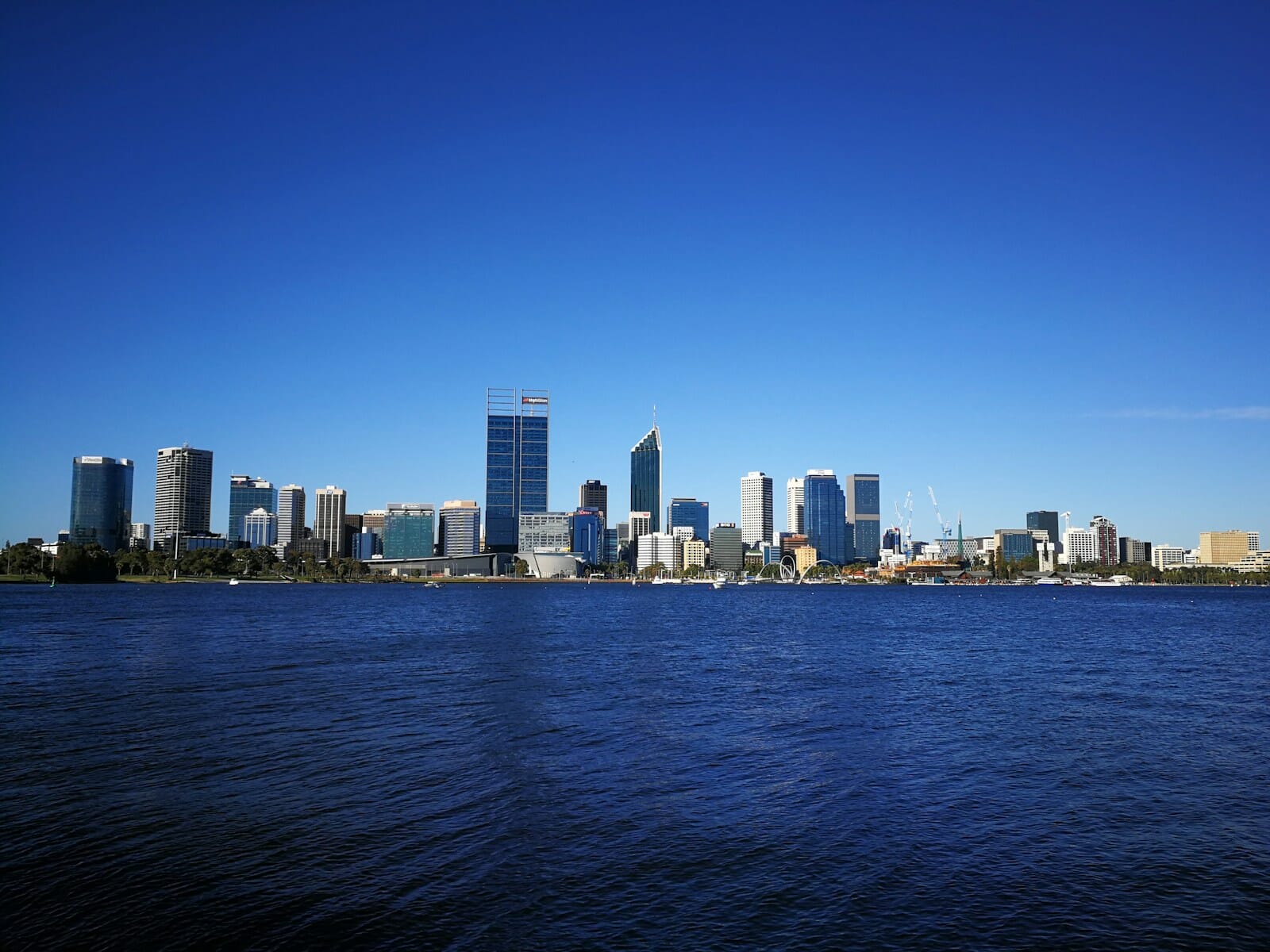
Australia’s sunniest state capital ties for the final spot: endless beaches, the Swan River’s foreshore and a downtown remade by a decade of investment. It is also one of the most isolated big cities on Earth, which residents count as a feature.
🇯🇵 20. Kyoto (tie)
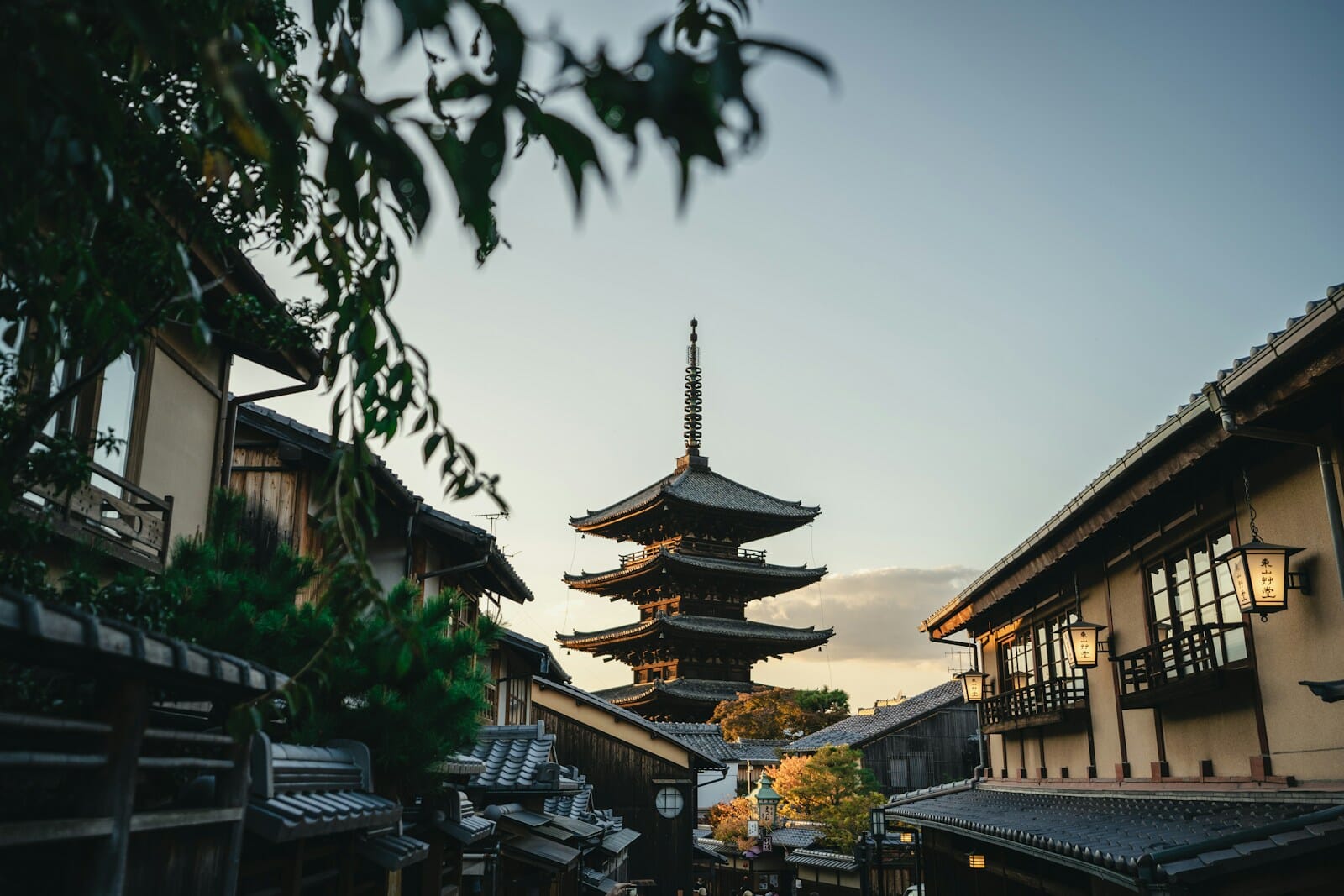
Sharing 20th place, Kyoto is the anti-megacity: 1,600 temples, machiya townhouses and a human scale Tokyo gave up long ago. Monocle’s nod recognizes how deftly the old capital balances 50 million annual visitors with actual neighborhood life.
How Monocle’s List Compares
Monocle’s survey is deliberately subjective, a correspondents-on-the-ground read on excitement and everyday pleasure, which is why it diverges from the EIU’s liveability index (where Vienna and Copenhagen usually swap the crown) and from pure-safety rankings. Tokyo’s win rewards scale managed well; the EIU tends to reward mid-sized calm. For adjacent angles, see our maps of the 30 safest cities in the world and the top digital nomad hubs of 2026.