Key Takeaways
- Seven territories, almost no people. Scattered across the Indian, Atlantic, Pacific and Southern oceans are territories with no permanent population — or only a handful of researchers and soldiers.
- Why nobody lives there. Brutal sub-Antarctic climates, no fresh water, no economy, protected nature reserves — and in one case, a population that was forcibly removed.
- …but some people do. Pitcairn has ~35–50 residents descended from the HMS Bounty mutineers, and Australia’s Christmas and Cocos Islands have communities of thousands.
- Chagos: a base, not a home. The British Indian Ocean Territory has no civilians — only the US-UK military base on Diego Garcia. Its original islanders are still fighting to return.
- Science at the ends of the Earth. South Georgia and the French Southern & Antarctic Lands host only rotating crews of scientists and officials — busy in summer, near-empty in winter.
Open a list of the world’s countries and capitals and a handful of places quietly drop off the bottom — territories with no capital, no real population, and not much beyond open ocean. They are some of the most remote specks of land on Earth, and most people have never heard of them.
So we mapped seven of them — and asked the obvious question: why does nobody live there? The answer, it turns out, is more interesting than “it’s too far away.” And in a couple of cases, the answer is that somebody actually does.
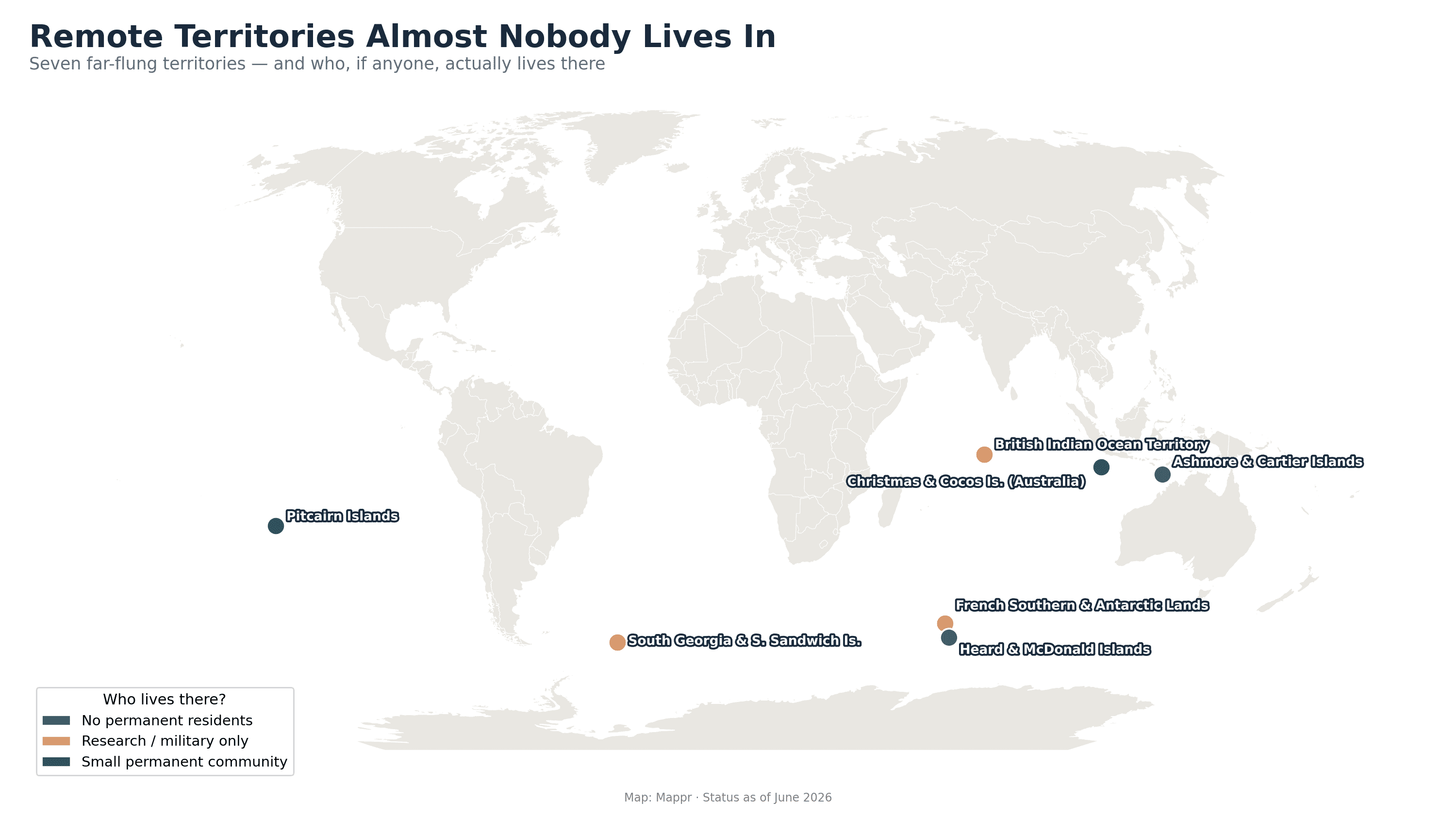
Seven remote territories almost nobody lives in
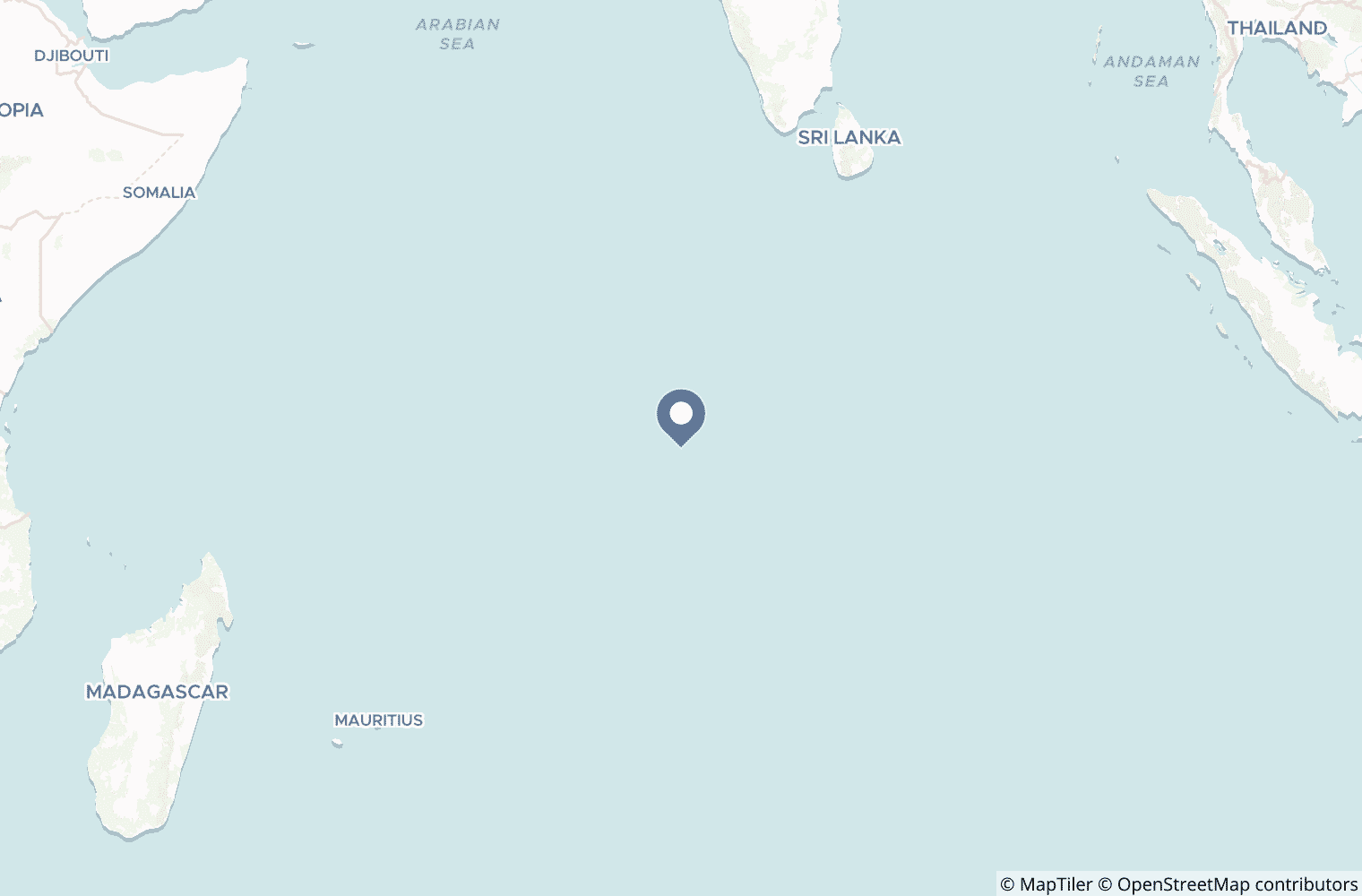
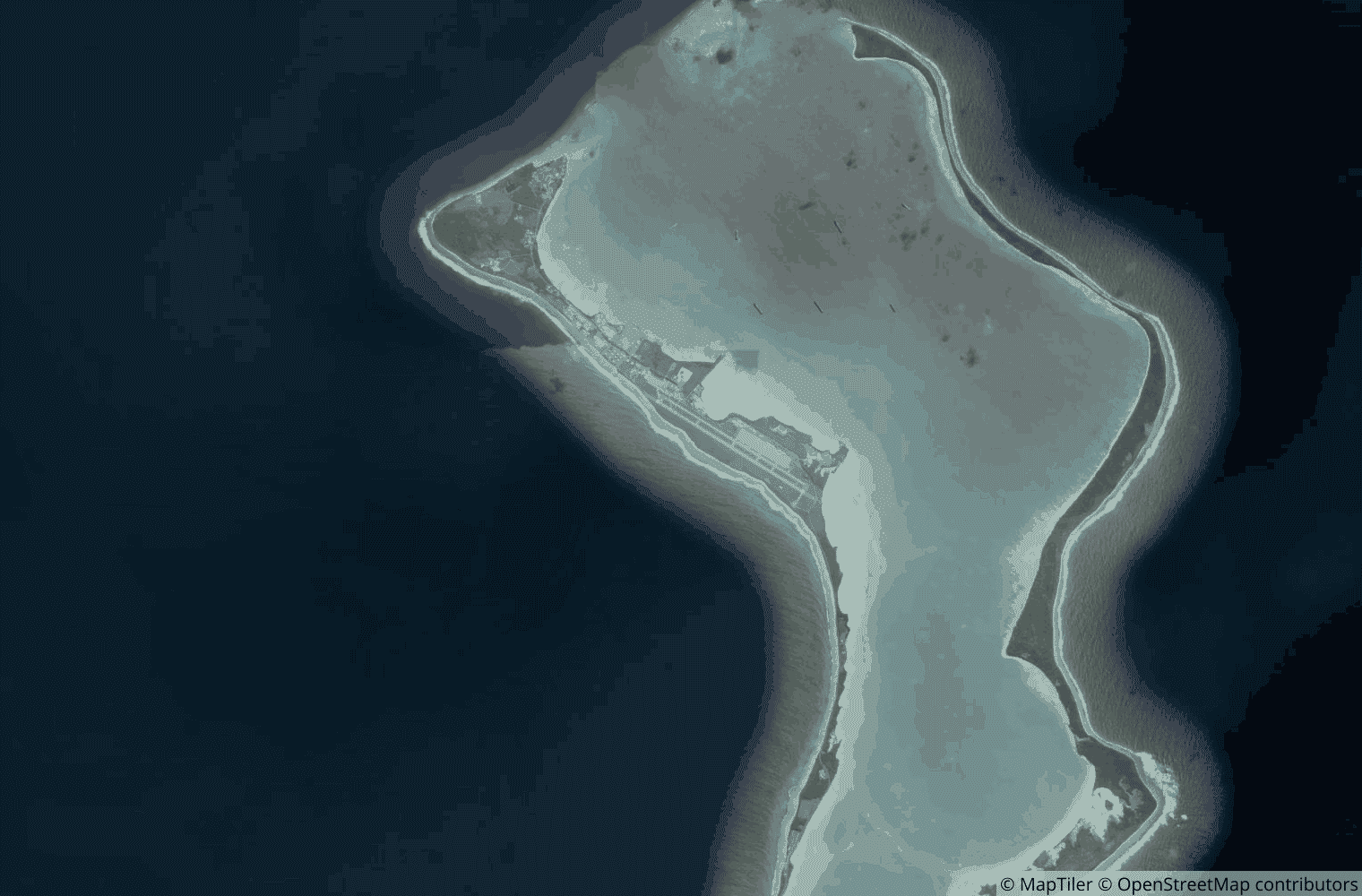
🇮🇴 British Indian Ocean Territory (the Chagos Islands)
A scatter of coral atolls in the middle of the Indian Ocean, the BIOT has no civilian population at all. The only people there are the roughly 3,000–4,000 military personnel and contractors on Diego Garcia, a major joint US–UK military base. It’s empty by design: between 1968 and 1973 the entire Chagossian population was forcibly removed to Mauritius and the Seychelles to make way for the base — a decision later condemned by international courts. In May 2025 the UK agreed to hand sovereignty to Mauritius while leasing back Diego Garcia for 99 years, though the deal stalled in 2026. The Chagossians are still campaigning to go home.
🇬🇸 South Georgia & the South Sandwich Islands
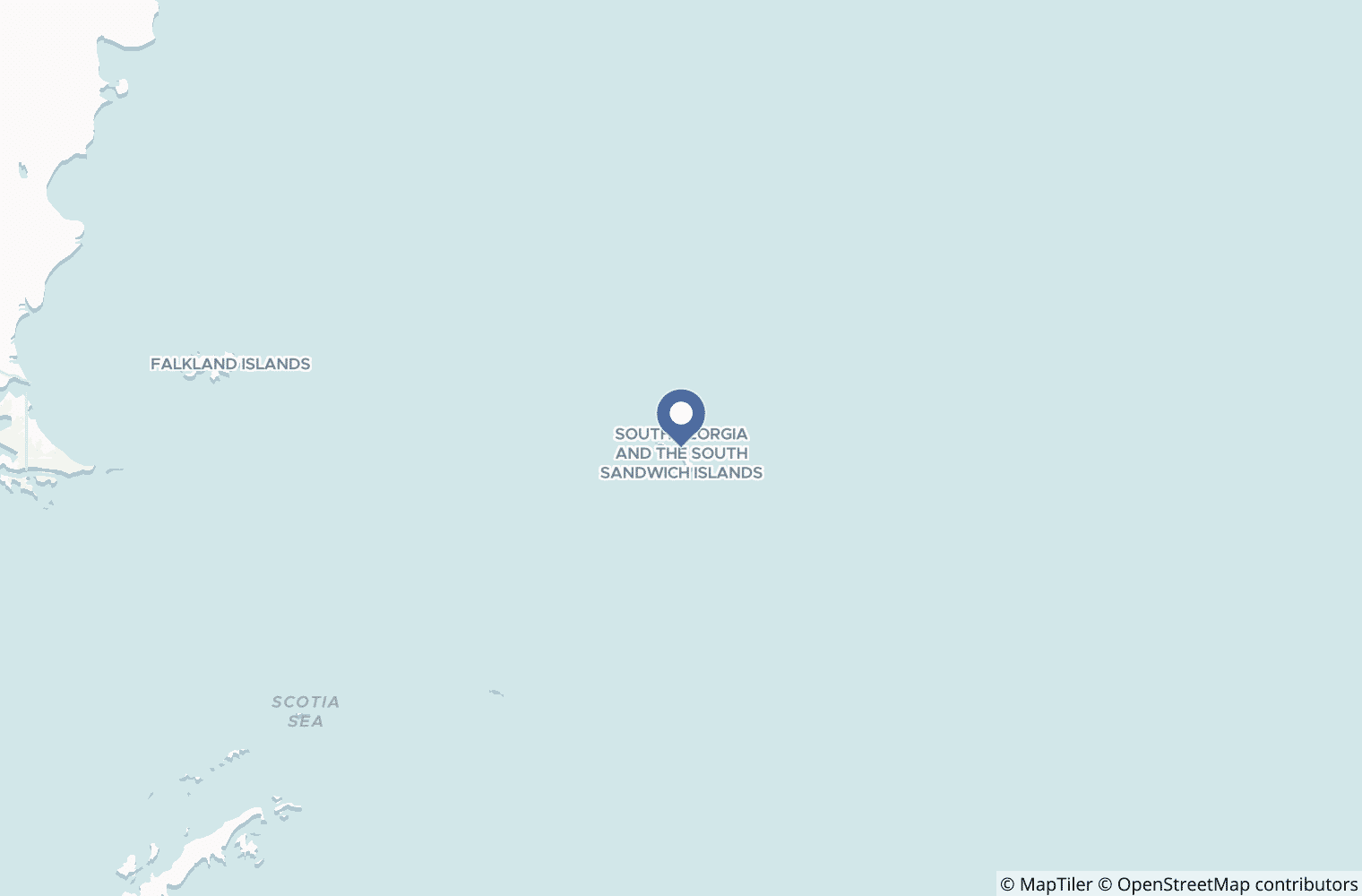
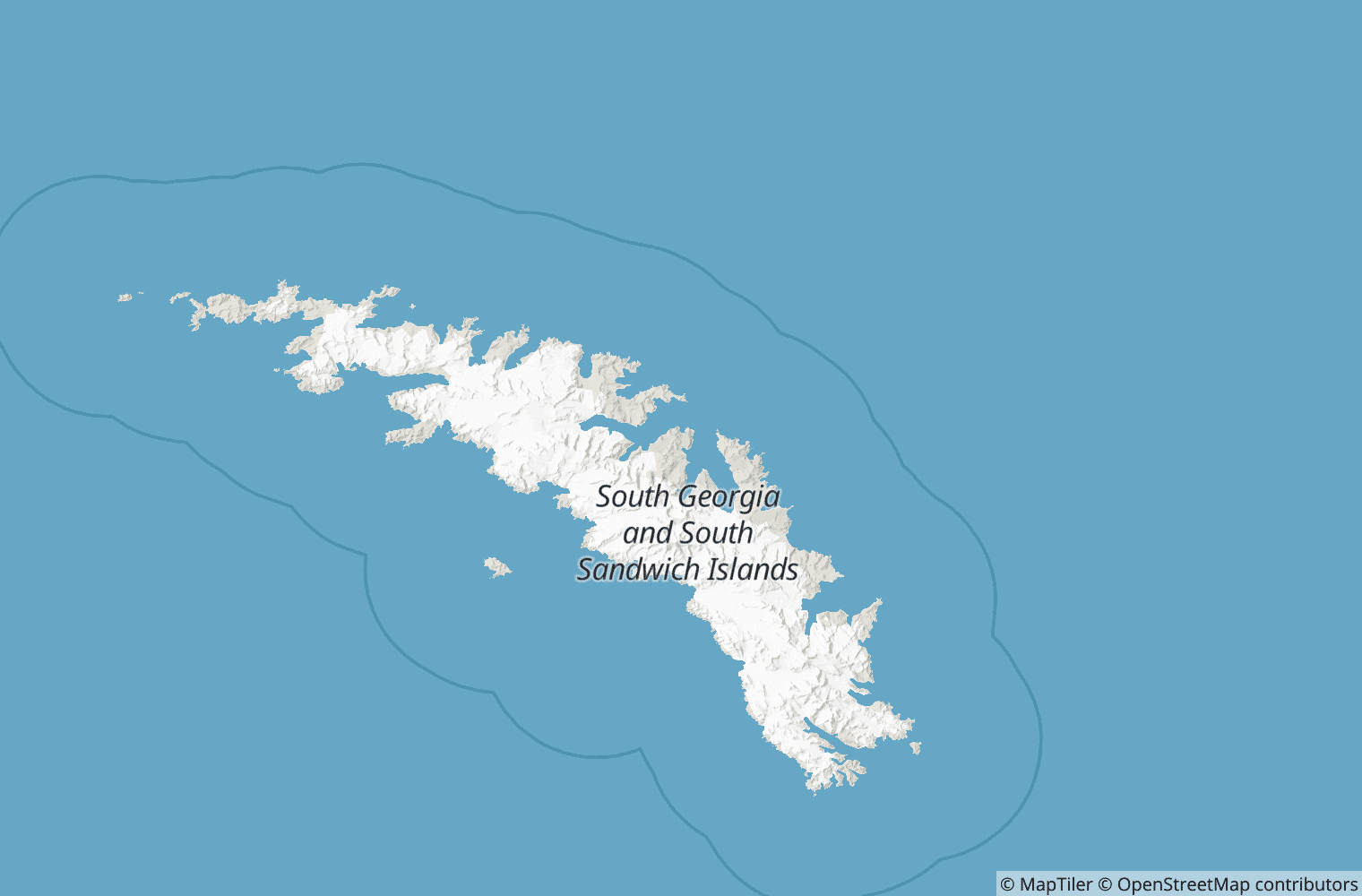
Deep in the South Atlantic, this UK territory is famous for glaciers, vast penguin and seal colonies, and the rusting whaling station of Grytviken — where the explorer Ernest Shackleton is buried. There is no permanent population; just a small rotating team of British government officers, scientists and museum staff (around 30 in summer, far fewer in the dark, frozen winter). The whalers left decades ago, and the cold and isolation mean no one has replaced them.
🇵🇳 The Pitcairn Islands — where somebody does live
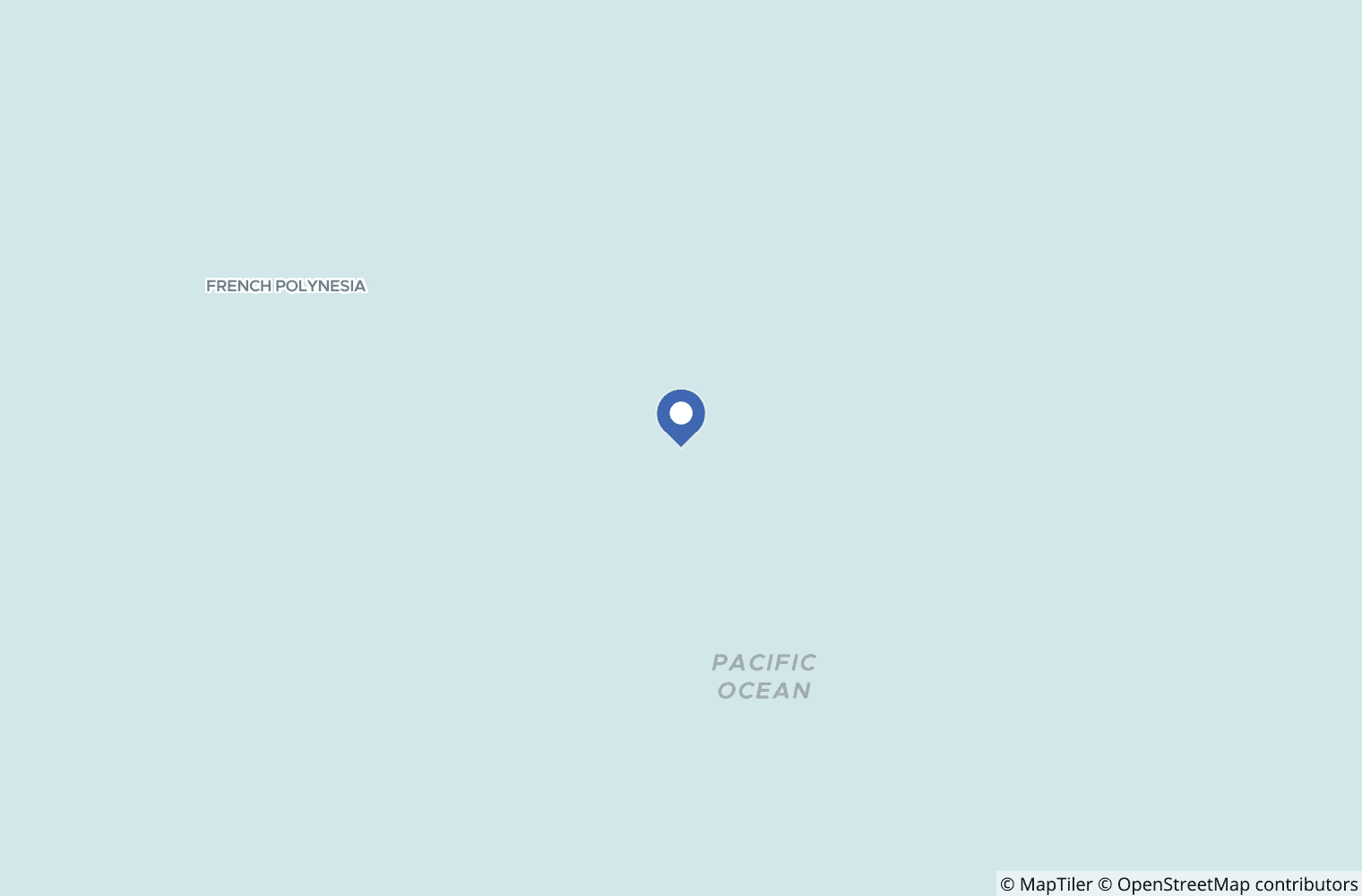
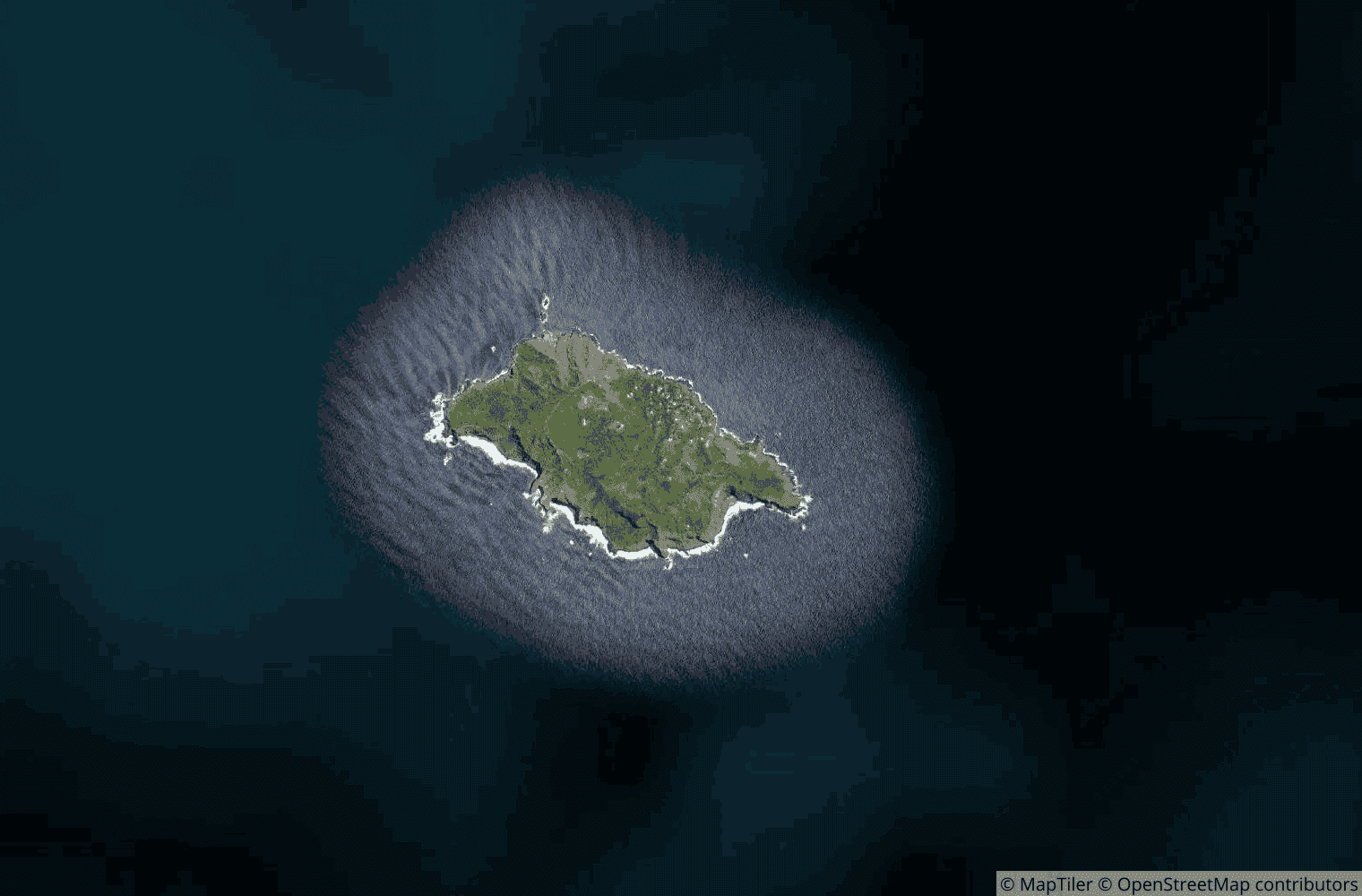
The great exception. Pitcairn, a single inhabited island in the remote South Pacific, is home to about 35–50 people — making it the least-populated territory on Earth. Almost all of them are descendants of the HMS Bounty mutineers who settled here in 1790 with their Tahitian companions. It’s reachable only by a multi-day boat trip from French Polynesia, and the population has been slowly shrinking as young people leave. The territory’s other islands — Henderson, Ducie and Oeno — are uninhabited.
🇫🇷 French Southern & Antarctic Lands
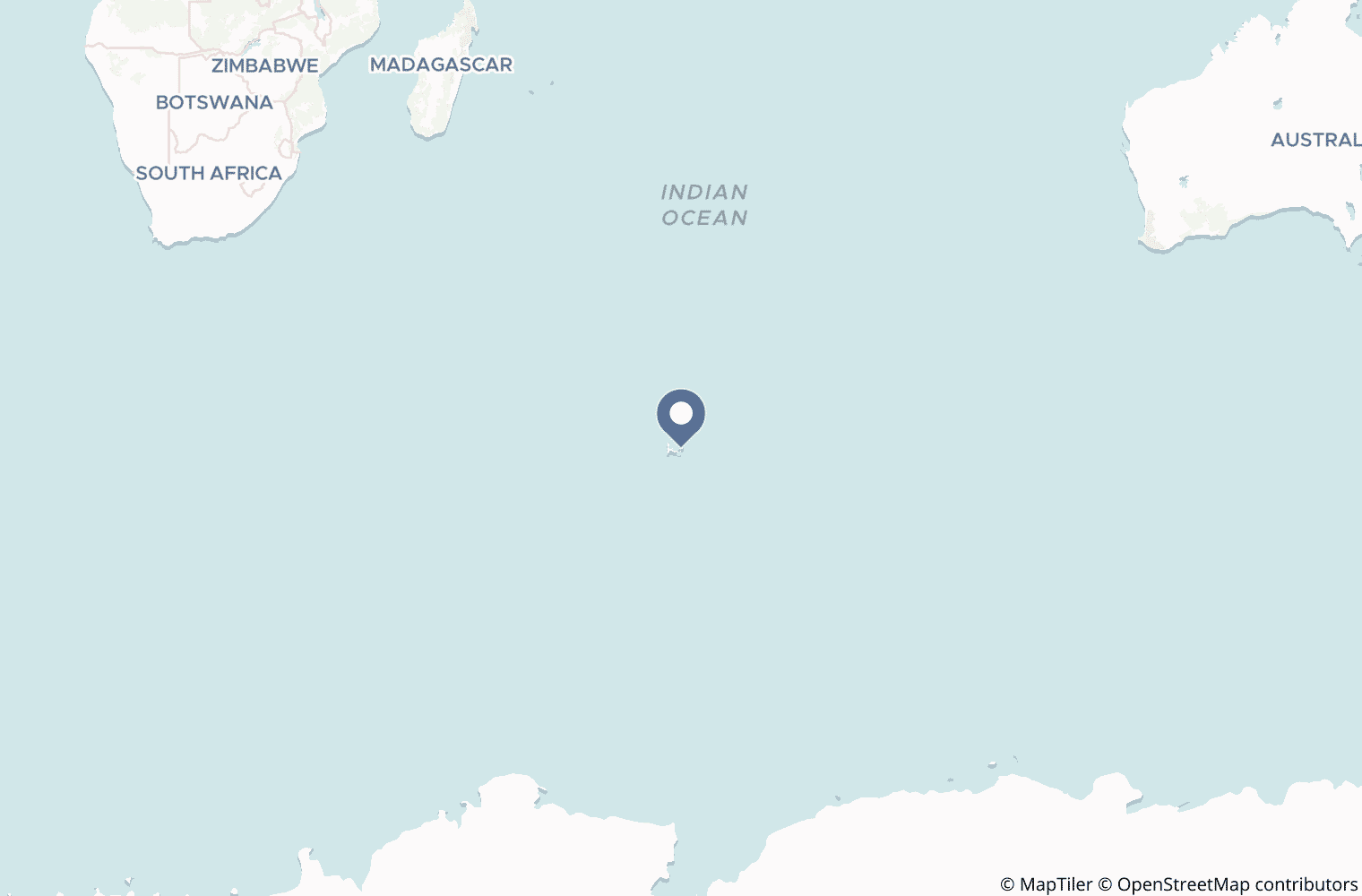
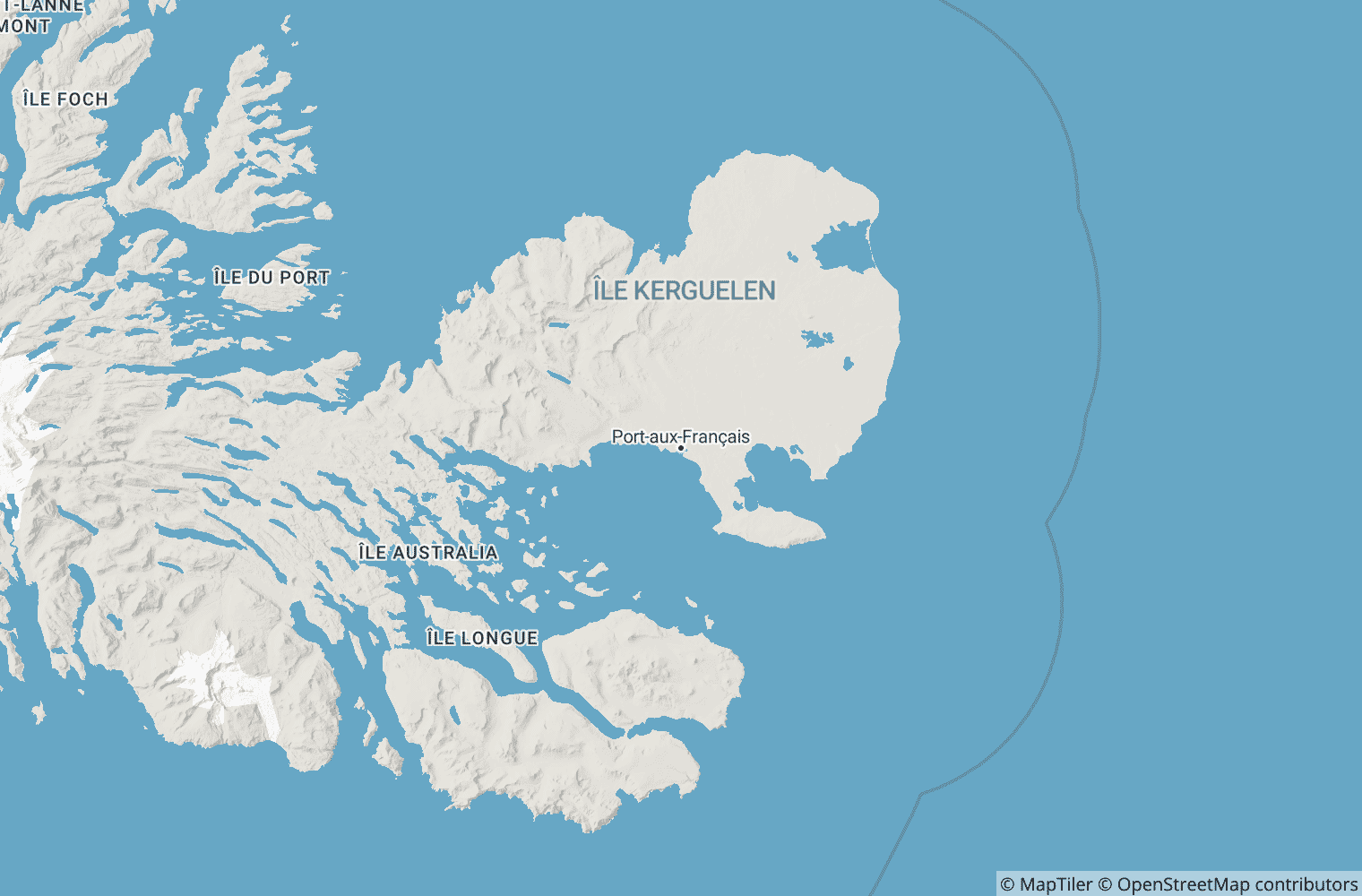
A sprawling French territory of sub-Antarctic islands — Kerguelen (aptly nicknamed the “Desolation Islands”), Crozet, and Amsterdam & Saint-Paul — plus a slice of Antarctica (Adélie Land) and the Scattered Islands. It has no permanent inhabitants: only 150 to 310 scientists, military and support staff rotate through its research stations, swelling in summer and emptying out in winter. The climate is savage, there are no native resources, and the territory exists mainly for meteorological and geophysical research and to police some of the world’s richest fishing grounds.
🇦🇺 Ashmore & Cartier Islands
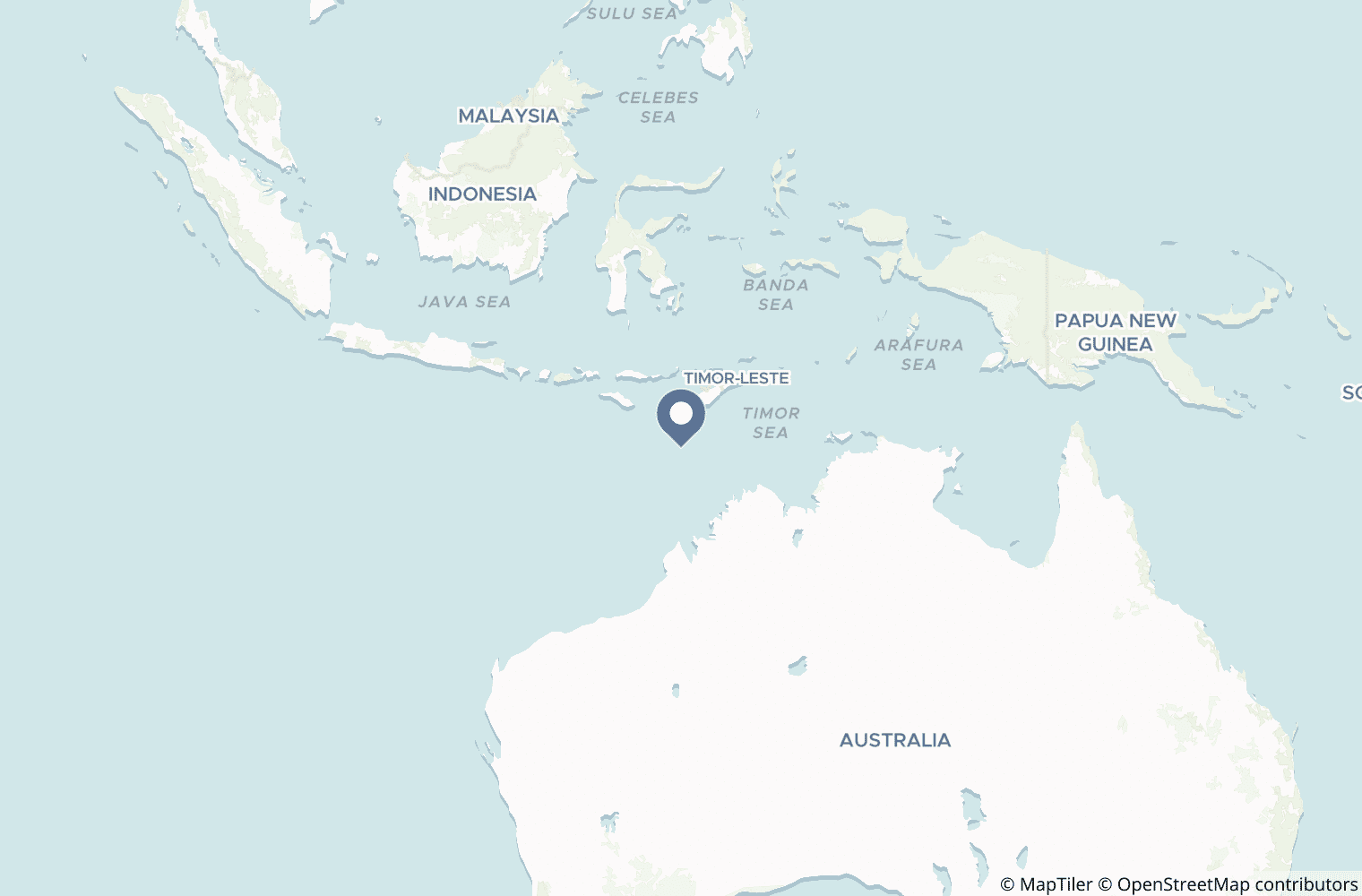
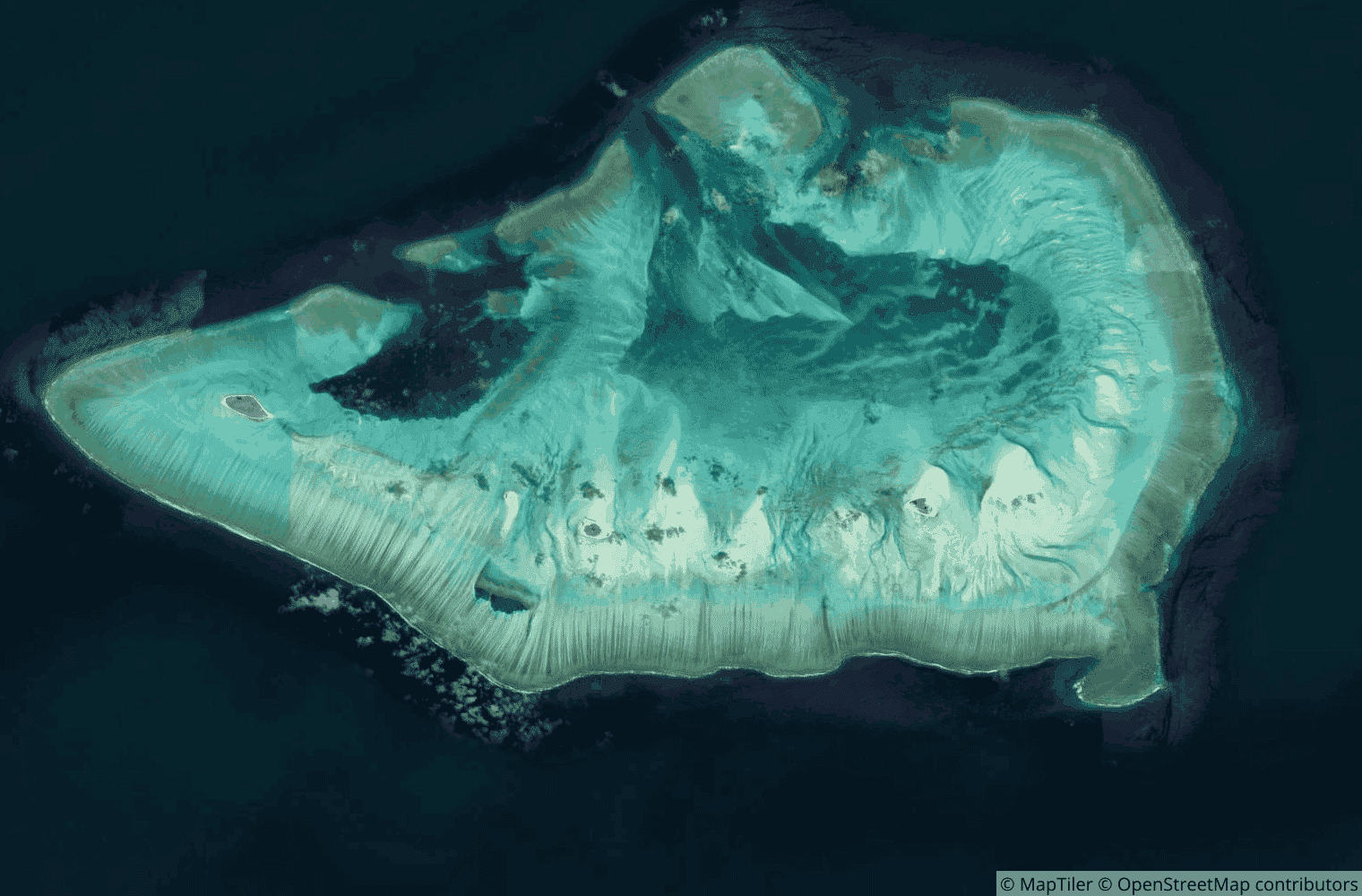
Tiny, low-lying Australian islands in the Timor Sea off the northwest coast. They are uninhabited and managed as a nature reserve. With no fresh water and no economy, the only regular visitors are Australian patrol vessels and traditional Indonesian fishermen, who have fished these reefs for centuries. The islands also sit on a route sometimes used by asylum-seeker boats.
🌋 Heard Island & McDonald Islands
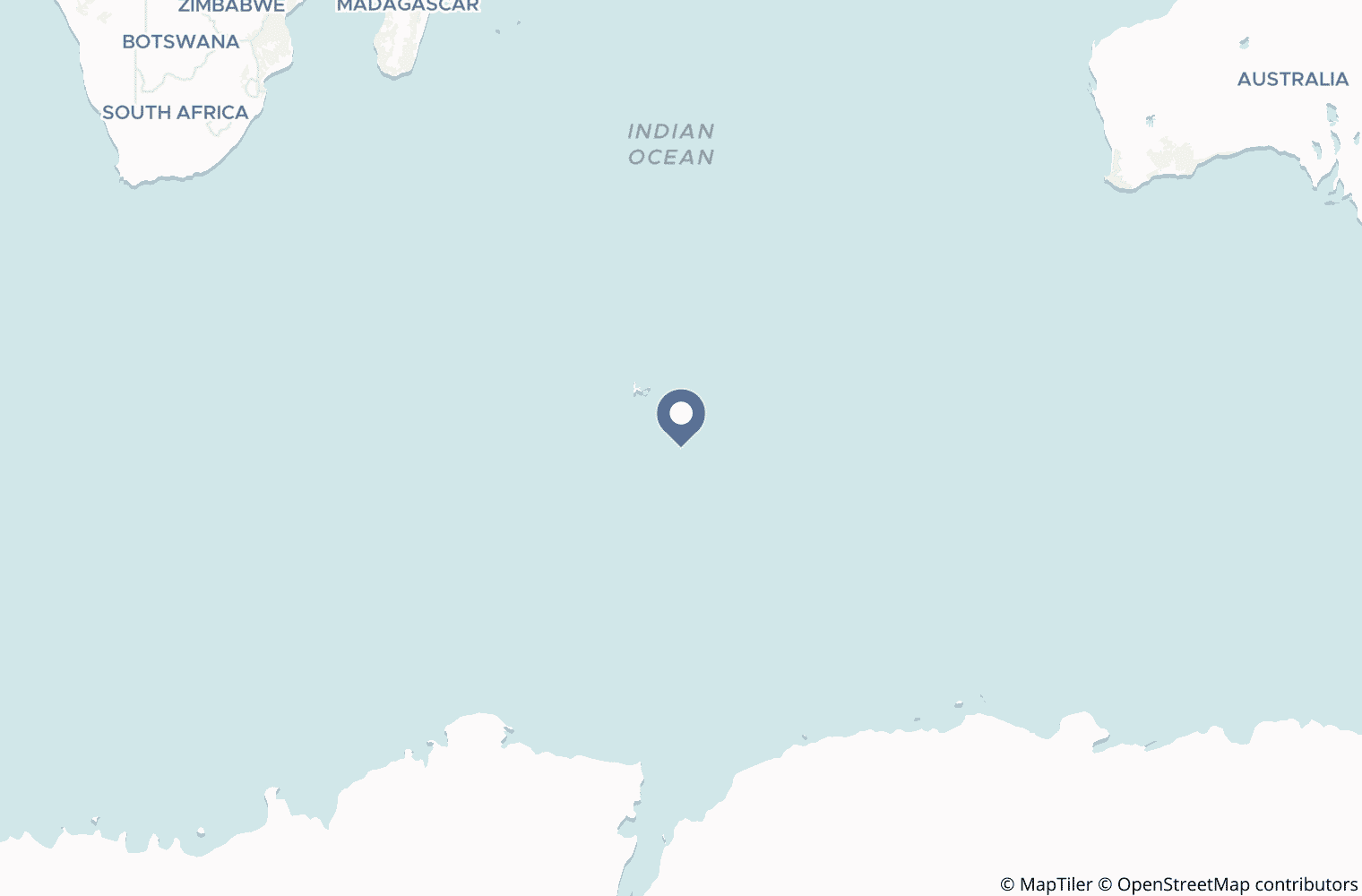
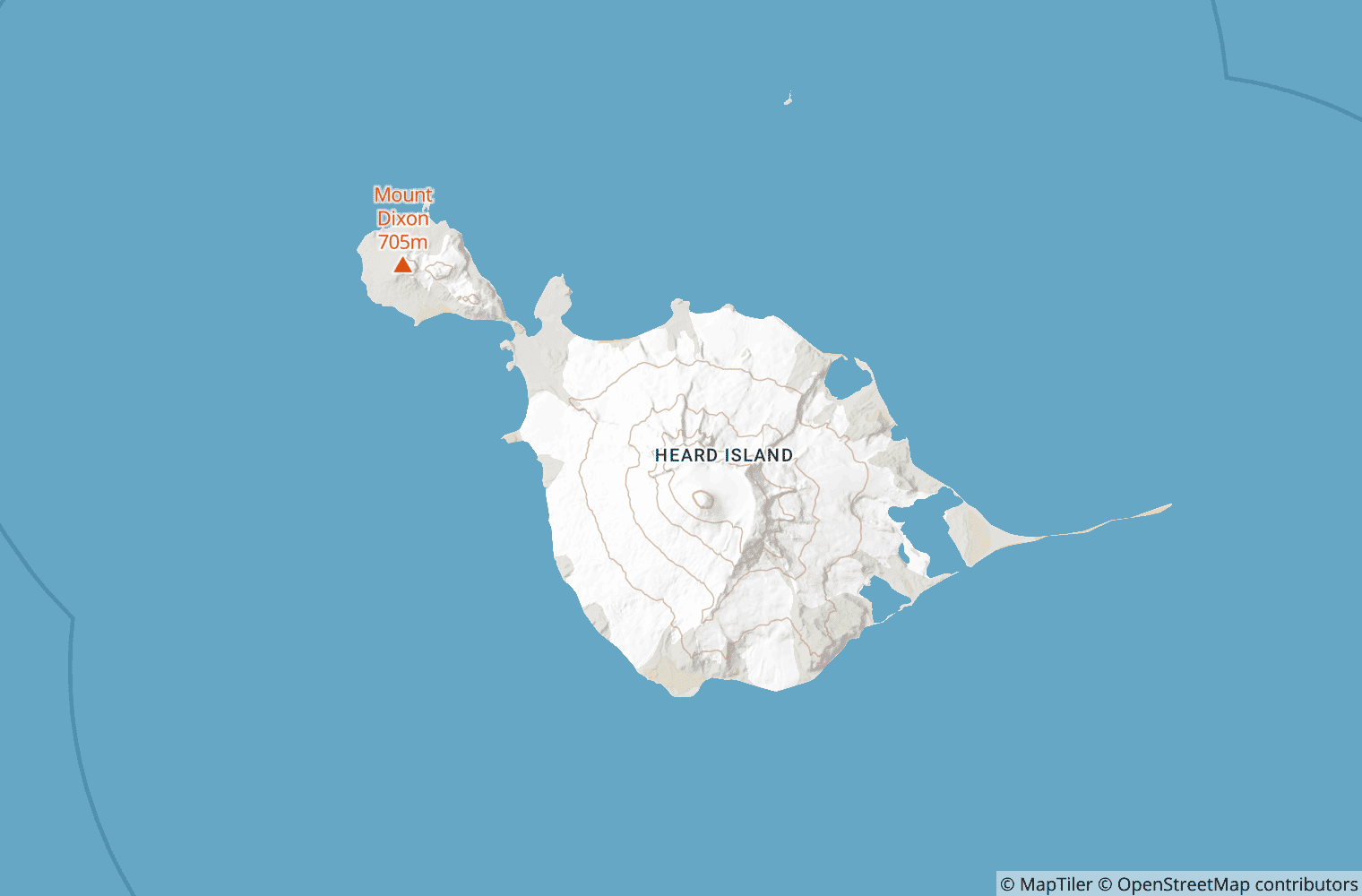
Among the most remote places on the planet — sub-Antarctic Australian islands in the southern Indian Ocean, roughly 4,000 km southwest of Perth. Completely uninhabited, they are dominated by Big Ben, an active volcano whose summit, Mawson Peak, is the highest point in Australian territory. A pristine UNESCO World Heritage wilderness with no introduced species, it’s simply too cold, too volcanic and too far for anyone to live there.
🇨🇽 Australia’s Indian Ocean Territories — the other “somebody does”
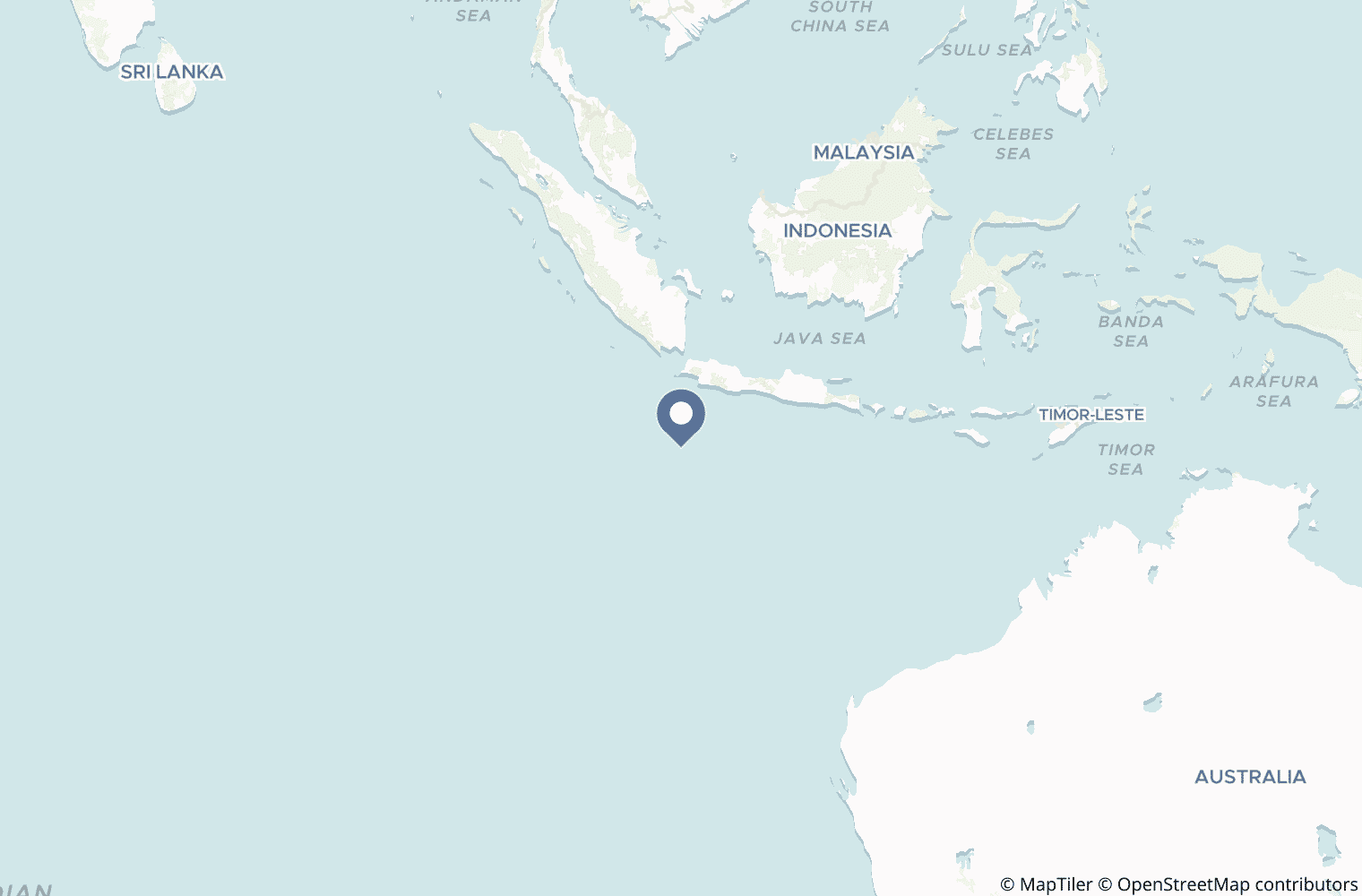
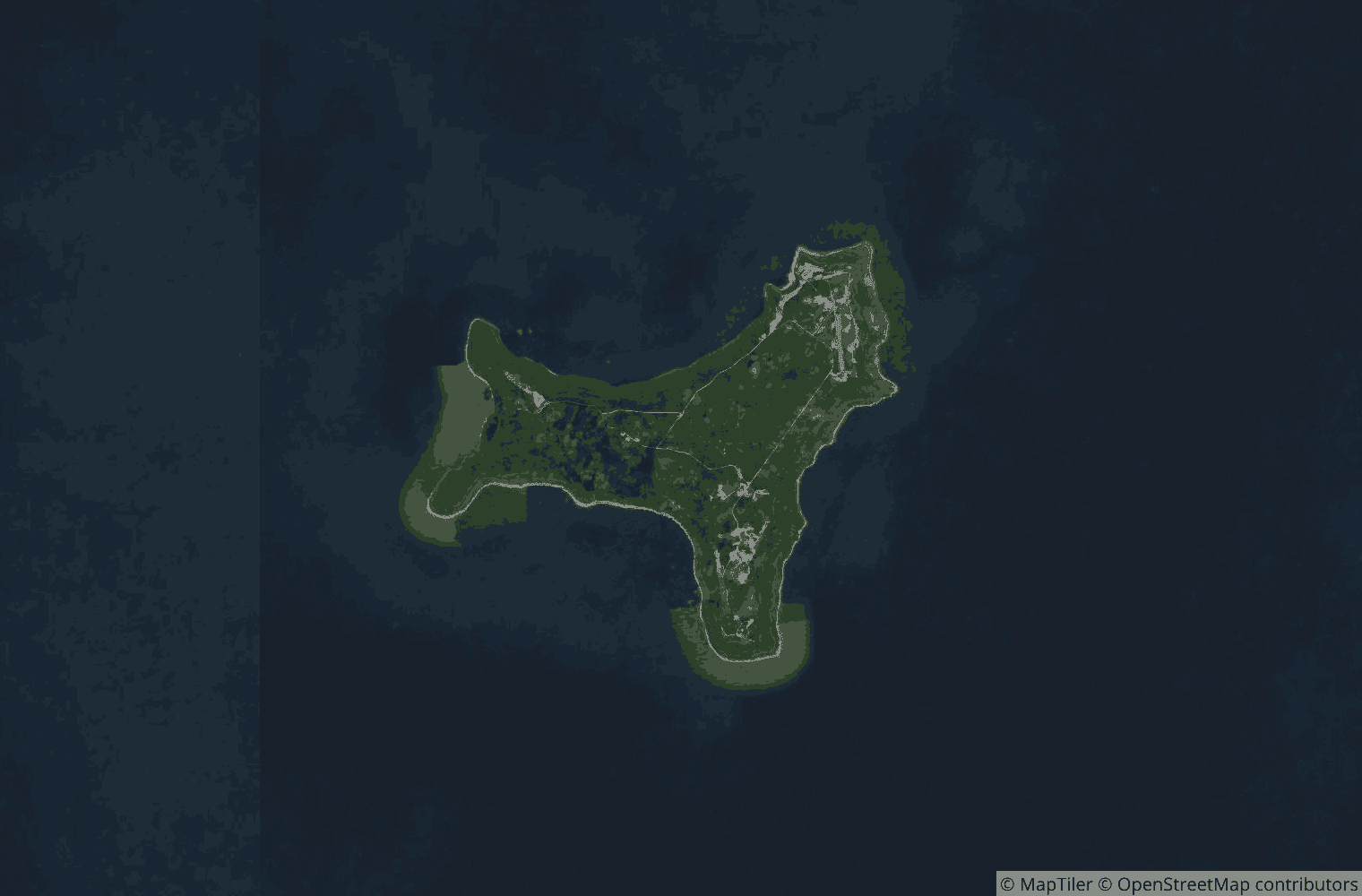
Often lumped in with the empty territories because they have no capital of their own, Christmas Island and the Cocos (Keeling) Islands actually are inhabited. Christmas Island has around 1,700 residents — known worldwide for its spectacular annual red crab migration (and, less happily, an immigration detention centre) — while the Cocos Islands are home to about 600 people, most of them a long-established Cocos Malay community. Small, remote and quirky, but very much lived-in.
So why does nobody live there?
Strip away the individual stories and the same handful of reasons keep coming up. Most of these places are extraordinarily remote — days from the nearest port — with sub-Antarctic climates, no fresh water and no economy to sustain a community. Several are deliberately kept empty as protected nature reserves or, in the case of Diego Garcia, as a military exclusion zone. And one, the Chagos Archipelago, is empty only because its people were removed against their will.
But “uninhabited” is rarely absolute. Look closely and you’ll find Bounty descendants on Pitcairn, scientists riding out the winter on Kerguelen, soldiers on Diego Garcia and crab-counting locals on Christmas Island. Even the emptiest corners of the map usually have someone — even if it’s only for a season.
These far-flung territories are a reminder that the map still has genuinely wild, empty edges — places shaped by weather, distance, geopolitics and history rather than by people. To explore the world’s tiniest populated places instead, browse our country and territory profiles.
Data and references: