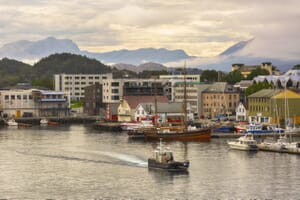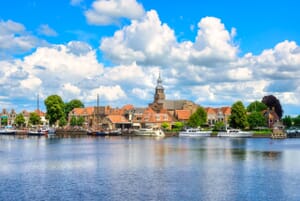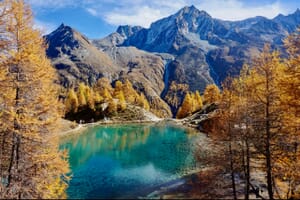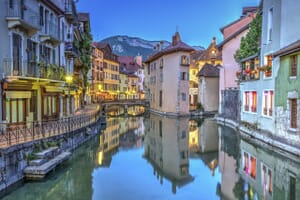
Italy in summer is famously crowded, and getting more so. The Cinque Terre queues, the Amalfi cruise ports and Venice’s day-tripper fee grab the headlines, but past those the country still has a huge stock of villages, secluded beaches, hill towns and small islands that stay quiet through July and August.
Below are 36 of them, curated for summer 2026: the postcard-famous small towns that still reward a visit off-peak, plus three fresh 2026 additions we’ve verified are still quiet in July and August. Every spot on the list gets a map, an airport suggestion, a link to current accommodation availability, and enough context to plan the trip.
Italy has spent 2026 rewriting where it wants tourists to go. Milano-Cortina hosted the Winter Olympics in February, leaving roughly €4 billion of new roads, cable cars and rail links stitching the Dolomites and Val Camonica into a single day-trippable arc. The Via Appia Antica, Italy’s 60th UNESCO World Heritage Site since July 2024, is being marketed as a coherent trip for the first summer ever, opening up a spine of hill villages south of Rome that used to lose all their coverage to Sorrento and Positano.
This year’s edition of the list keeps the postcard-famous names, with a candid note on when to go and when to skip them, and adds three new spots we’ve verified are still quiet in July and August: a Lombard spa town at the heart of the new Olympic arc, a whitewashed Lazio village that anchors the Via Appia’s coastal stretch, and a fishing town that Venetians themselves call “Little Venice.”
Worth doing this year: Venice’s day-tripper fee expanded to 60 dates in 2026 with proposed dynamic pricing up to €50, Florence extended its short-term rental ban in June, and a growing list of beaches from Sardinia to the Cinque Terre now require advance bookings. The gems below are what local tourism authorities are, in practice, redirecting travelers toward.
Italy has one large intercontinental gateway plus a wide network of regional airports. Which one you fly into depends on which part of the peninsula (or which island) you are heading to.
- Rome Fiumicino (FCO) is the main long-haul gateway.
- Milan Malpensa (MXP): closest to the Lombardy and Alpine cluster (Gardone Riviera, Bormio, Orta San Giulio, Monte Isola).
- Venice Marco Polo (VCE): serves the Veneto lagoon (Chioggia, Asolo, Bassano del Grappa).
- Bologna Guglielmo Marconi (BLQ): the Emilia-Romagna and Tuscany gateway (Bobbio, Brisighella, Bolgheri, Pitigliano).
- Naples International (NAP): primary access for Amalfi, Procida, Ravello and Sperlonga.
- Catania Fontanarossa (CTA): the fastest arrival for eastern Sicily (Marzamemi, Isola Bella, Cefalù).
1. Gardone Riviera, Lombardy
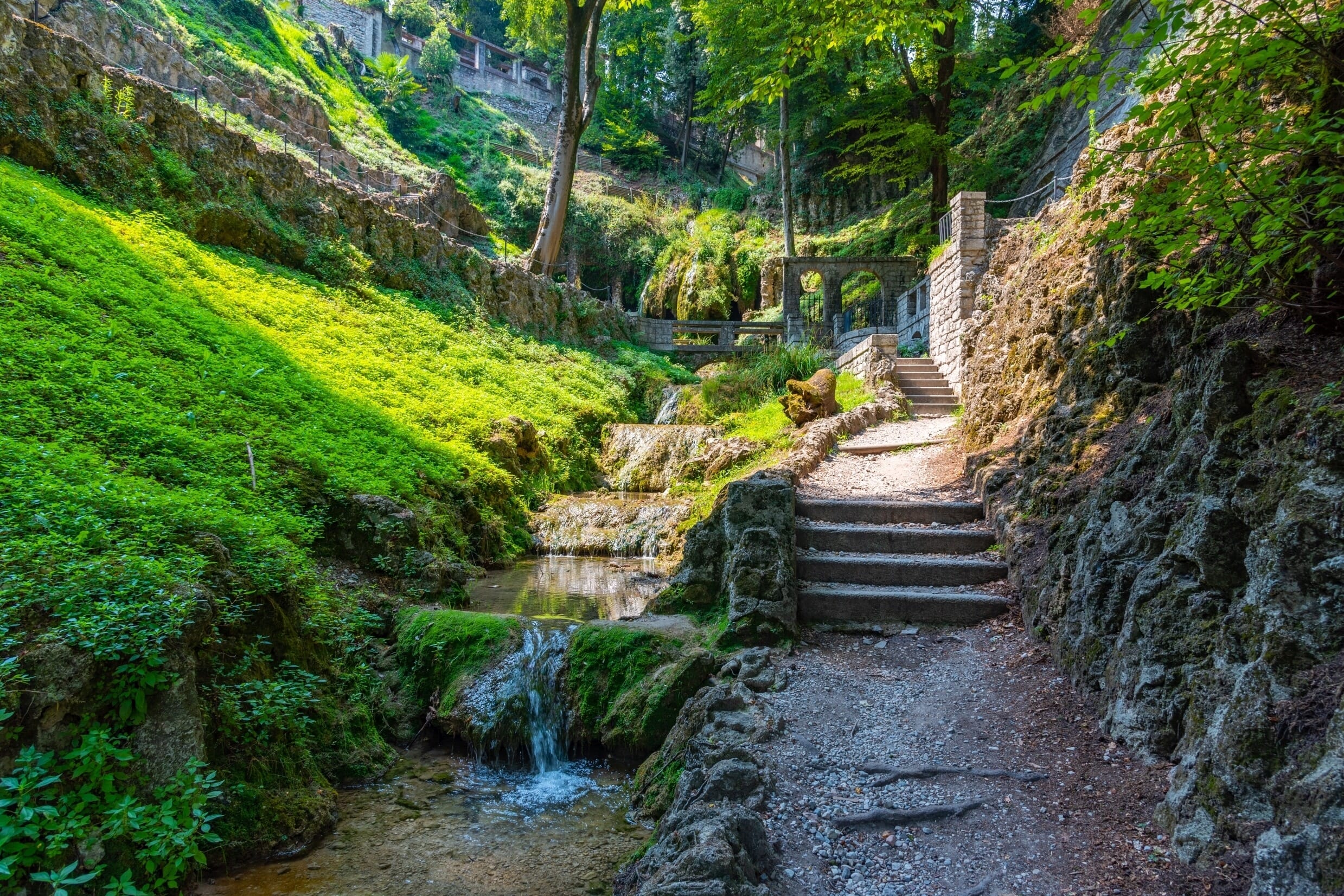
Gardone Riviera is a picturesque haven on Lake Garda’s western shores, where culture, history, and nature converge to create an idyllic summer retreat.
The town boasts attractions like the serene lakeside promenade, the historic Vittoriale degli Italiani, and the verdant Heller Garden, offering visitors a tranquil escape with panoramic views and lush surroundings.
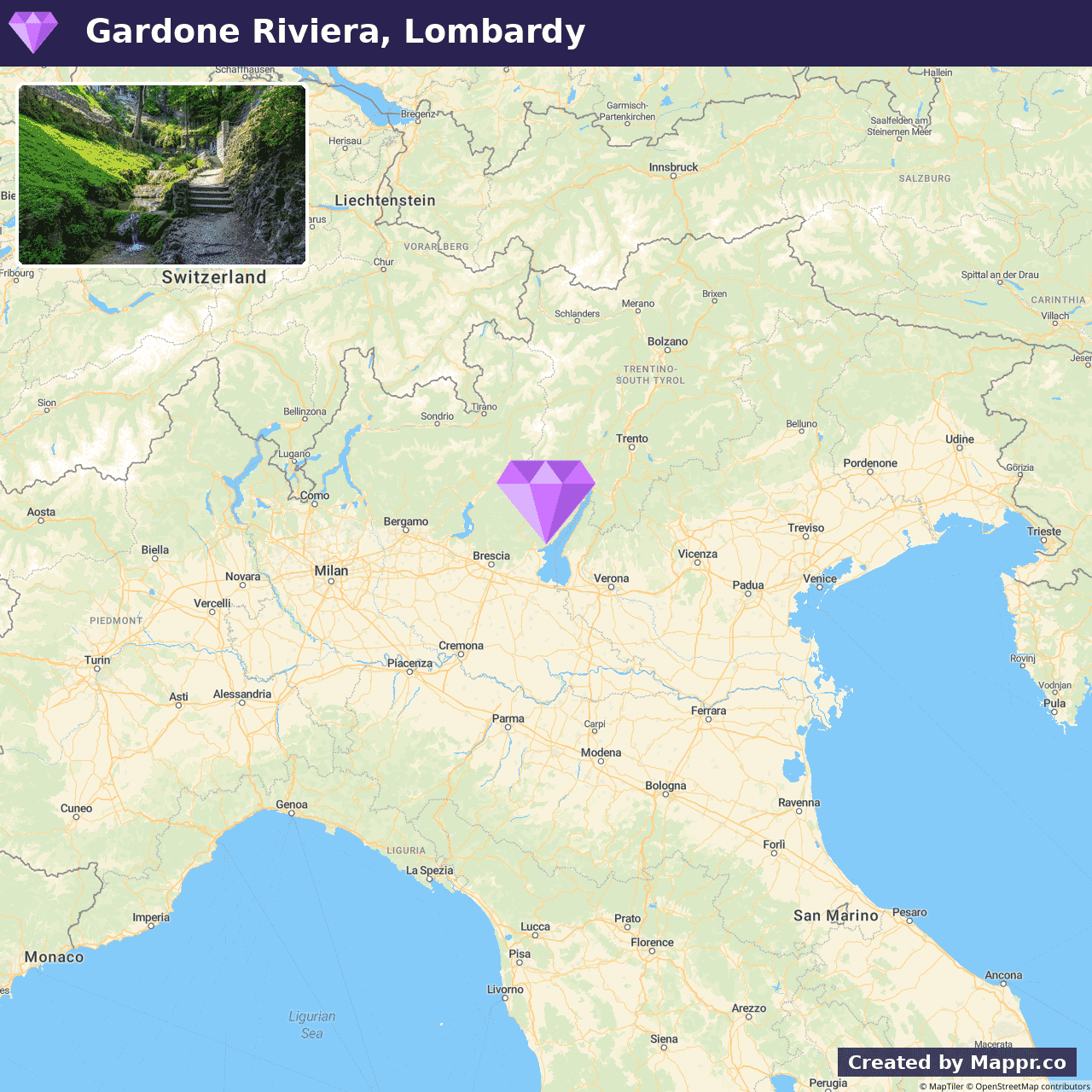
- ✈️ How to Get There: Reach Gardone Riviera via a direct bus from Brescia, the nearest city with a train station. For international travelers, Verona and Milan airports are the closest.
- 🏨 Where to Stay: Check recommended places to stay in Gardone Riviera.
2. Alberobello, Puglia
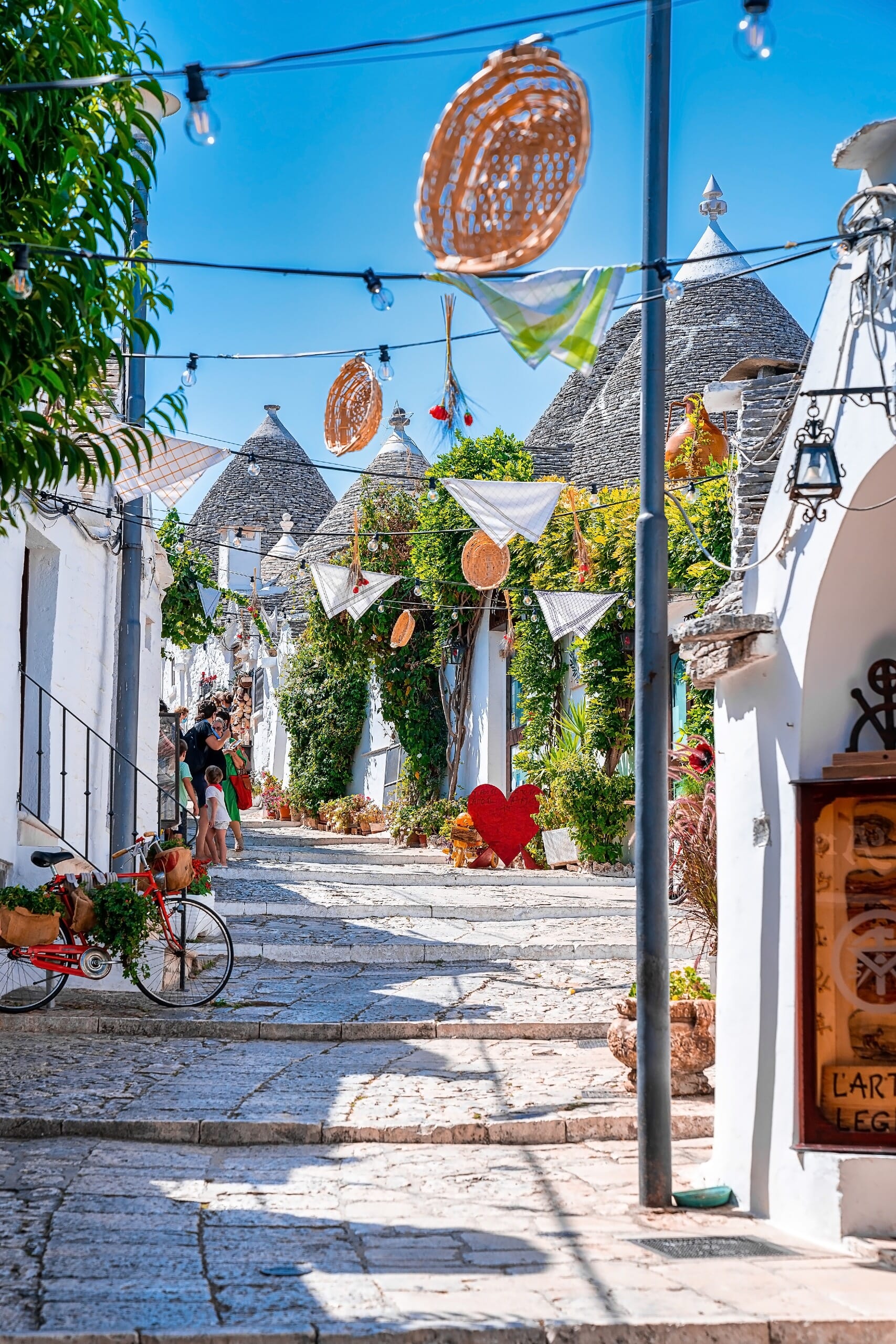
In the heart of Puglia lies Alberobello, a captivating town distinguished by its trulli, whitewashed stone huts with conical roofs that create a landscape reminiscent of a fairy tale.
This UNESCO World Heritage site is an architectural wonder and a vibrant testament to the region’s rural history and traditions, offering visitors a unique glimpse into an enchanting past.
As you wander through the narrow streets, the charm of Alberobello unfolds in the form of local craft shops, traditional restaurants, and the warm hospitality of its residents.
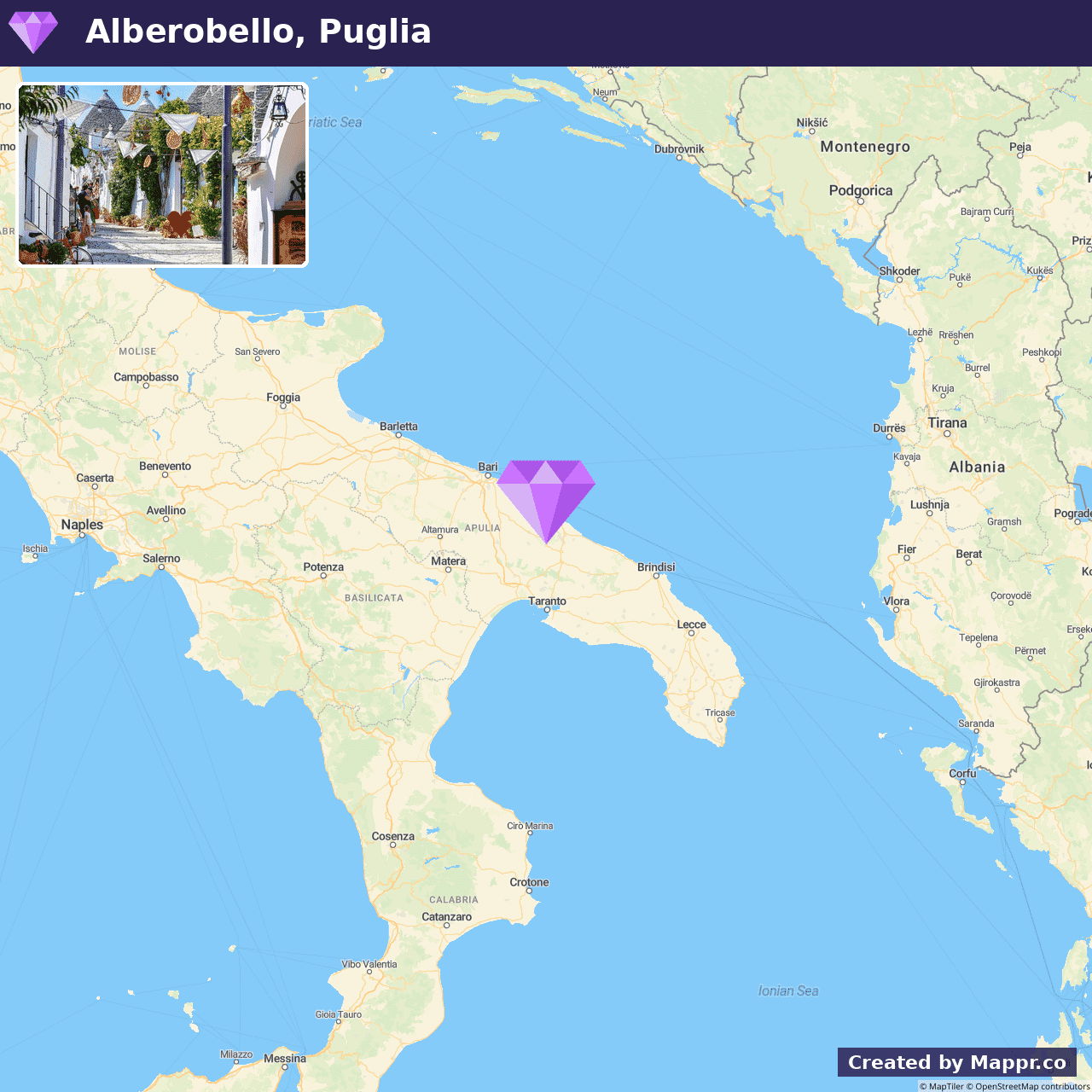
- ✈️ How to Get There: Alberobello is just a short train journey from Bari, with well-connected routes from major Italian cities offering a hassle-free gateway to this enchanting town.
- 🏨 Where to Stay: Check recommended places to stay in Alberobello.
3. Procida, Campania
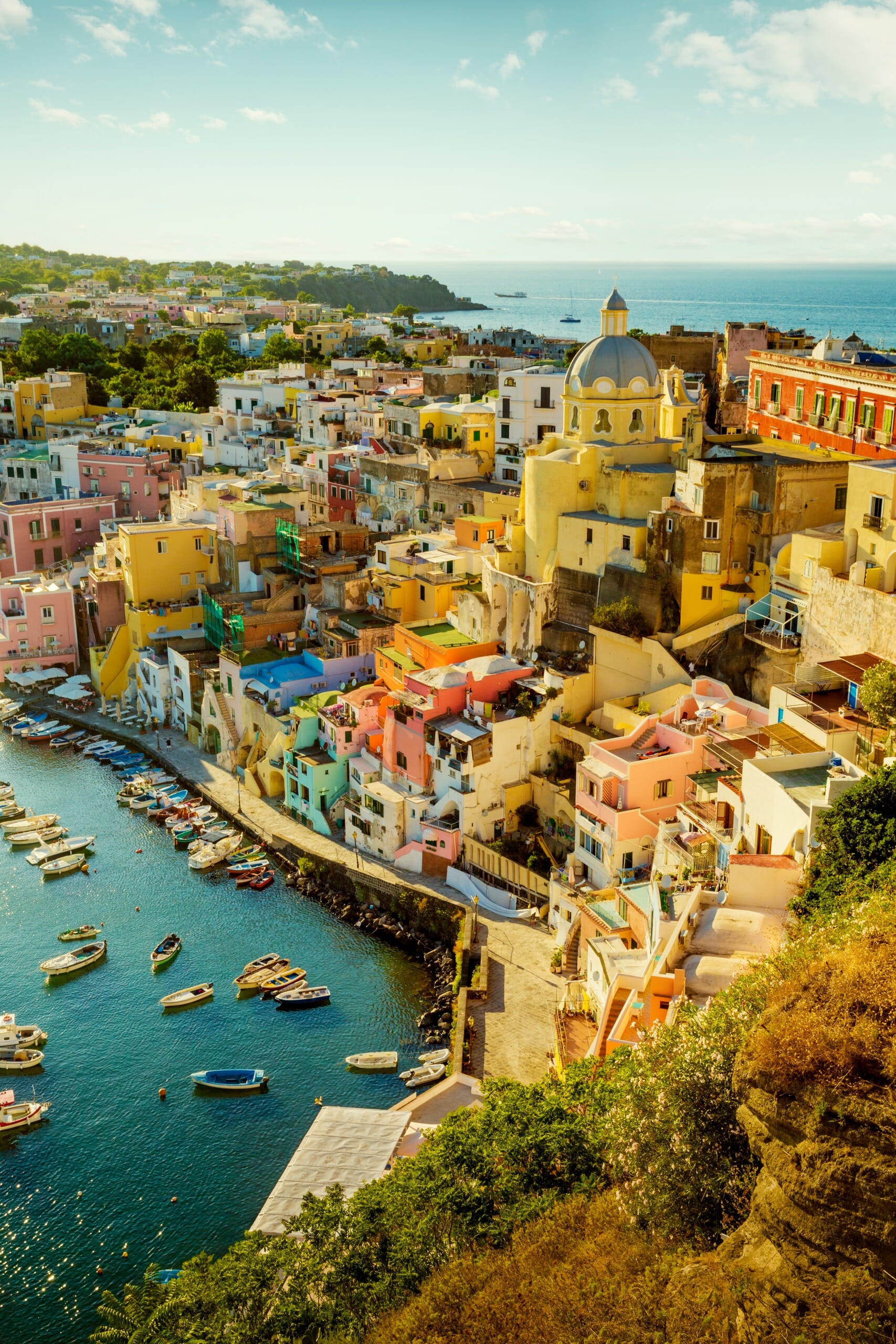
Procida, the smallest of the islands in the Bay of Naples, is a kaleidoscope of pastel-colored houses, historic churches, and quiet, sun-drenched beaches.
This charming island offers a peaceful retreat from the hustle and bustle of its more famous neighbors, Capri and Ischia, with its authentic fishing villages and panoramic views of the Mediterranean.
Procida’s beauty has not gone unnoticed; it served as the backdrop for the film “Il Postino,” captivating audiences worldwide with its picturesque landscapes and tranquil atmosphere.
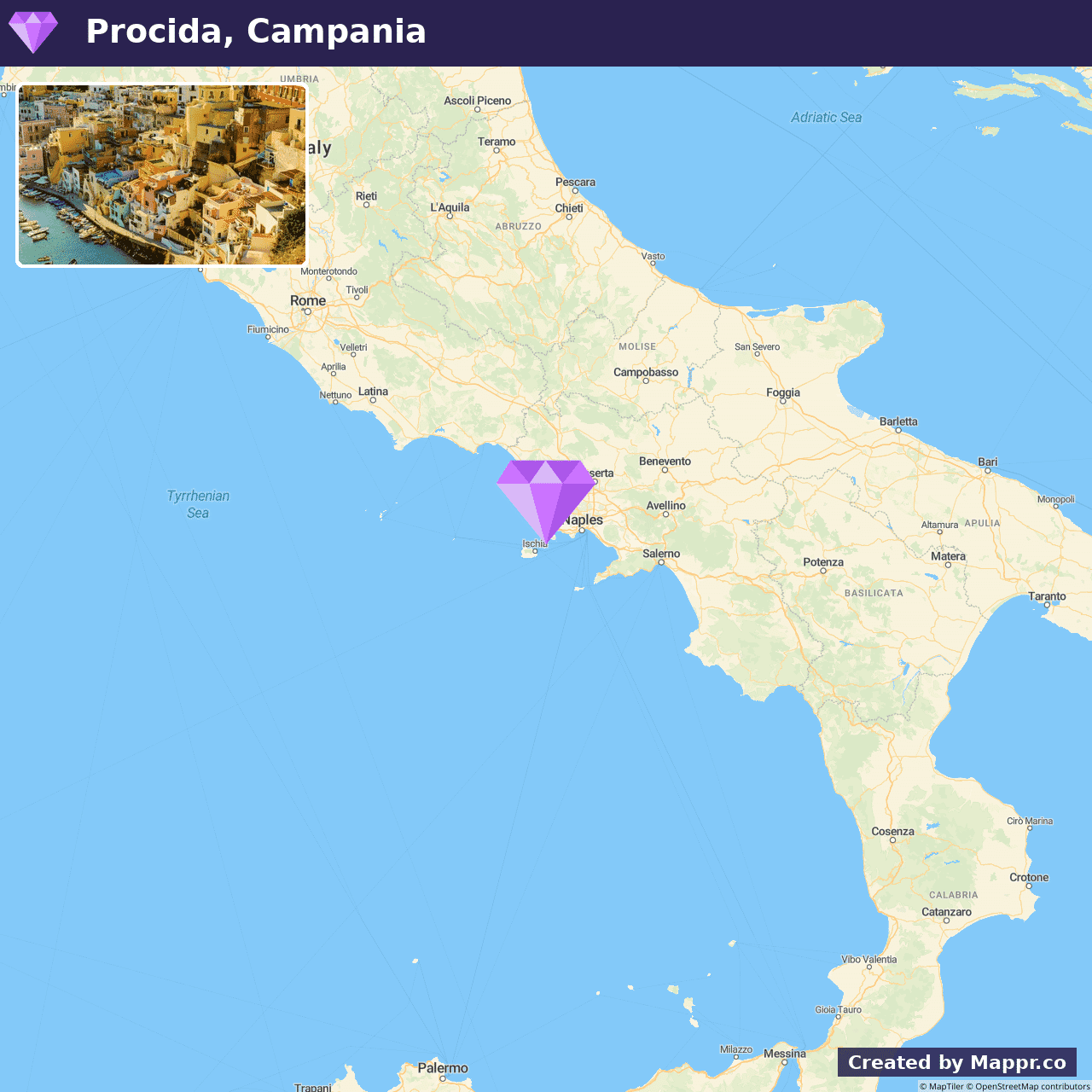
- ✈️ How to Get There: Procida is a short ferry ride from Naples, with frequent services linking the island to the mainland and providing a scenic approach to this idyllic destination.
- 🏨 Where to Stay: Check recommended places to stay in Procida.
4. Castelluccio, Umbria
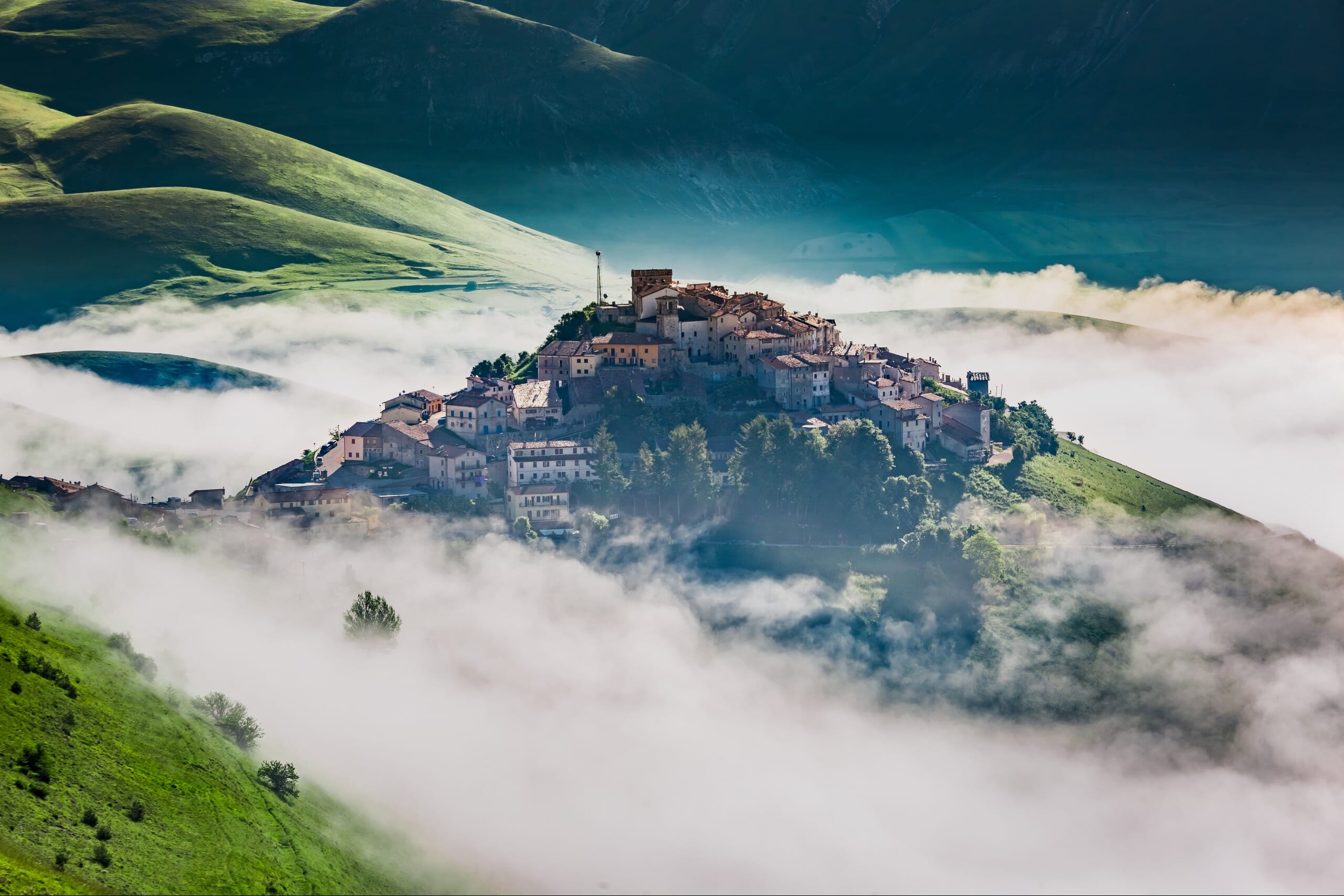
Perched high in the Apennine Mountains, Castelluccio di Norcia is a sight to behold, especially during the bloom of its famous lentil fields, which paint the plateau in vibrant red, yellow, and blue hues.
This small village, one of the highest in the Apennines, is known for its breathtaking panoramas, including views of the Sibillini Mountains. It is a haven for photographers, nature enthusiasts, and paragliders seeking the thrill of soaring over the stunning landscape.
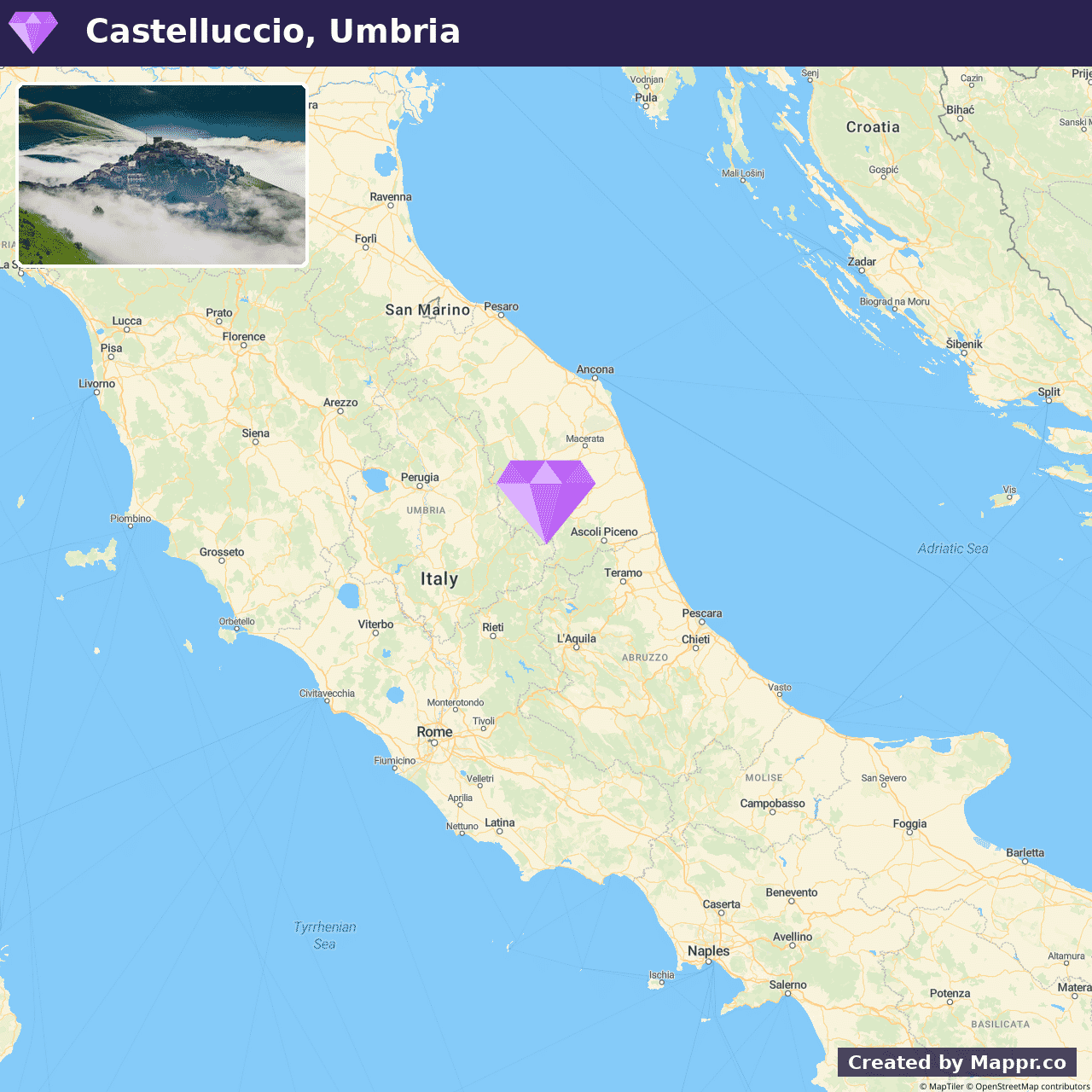
- ✈️ How to Get There: Castelluccio is best reached by car from Norcia, offering a scenic route that winds through the heart of the Sibillini Mountains, revealing the untouched beauty of this part of Umbria.
- 🏨 Where to Stay: Check recommended places to stay in Castelluccio.
5. Path of the Gods, Amalfi Coast
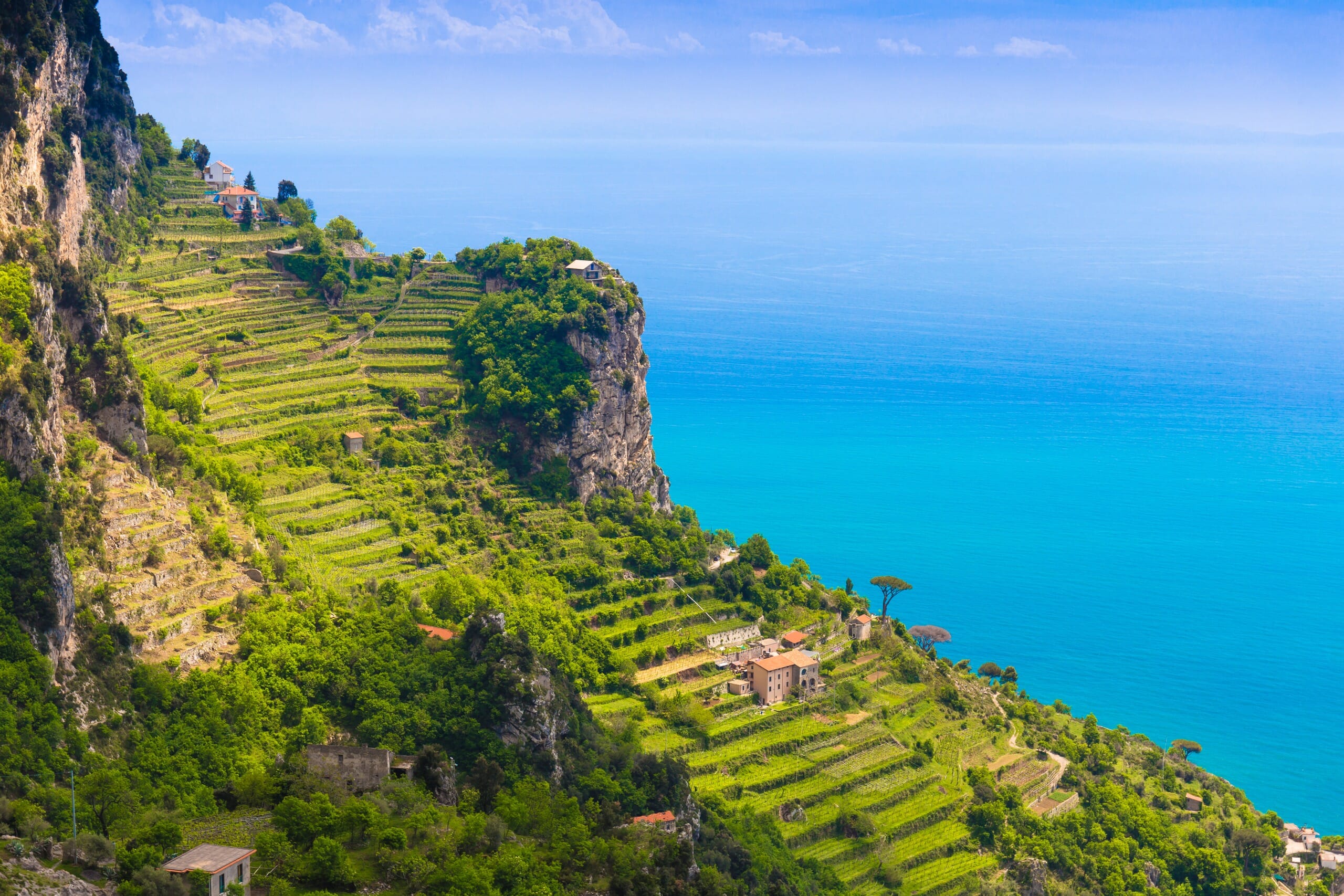
The Path of the Gods is an enchanting trail on the Amalfi Coast, weaving between the villages of Bomerano and Nocelle. It offers hikers stunning vistas of the Mediterranean, the Siren Islands, and Capri.
This trail, surrounded by Mediterranean flora, ancient vineyards, and historic ruins, presents an unforgettable journey through Italy’s breathtaking landscapes.
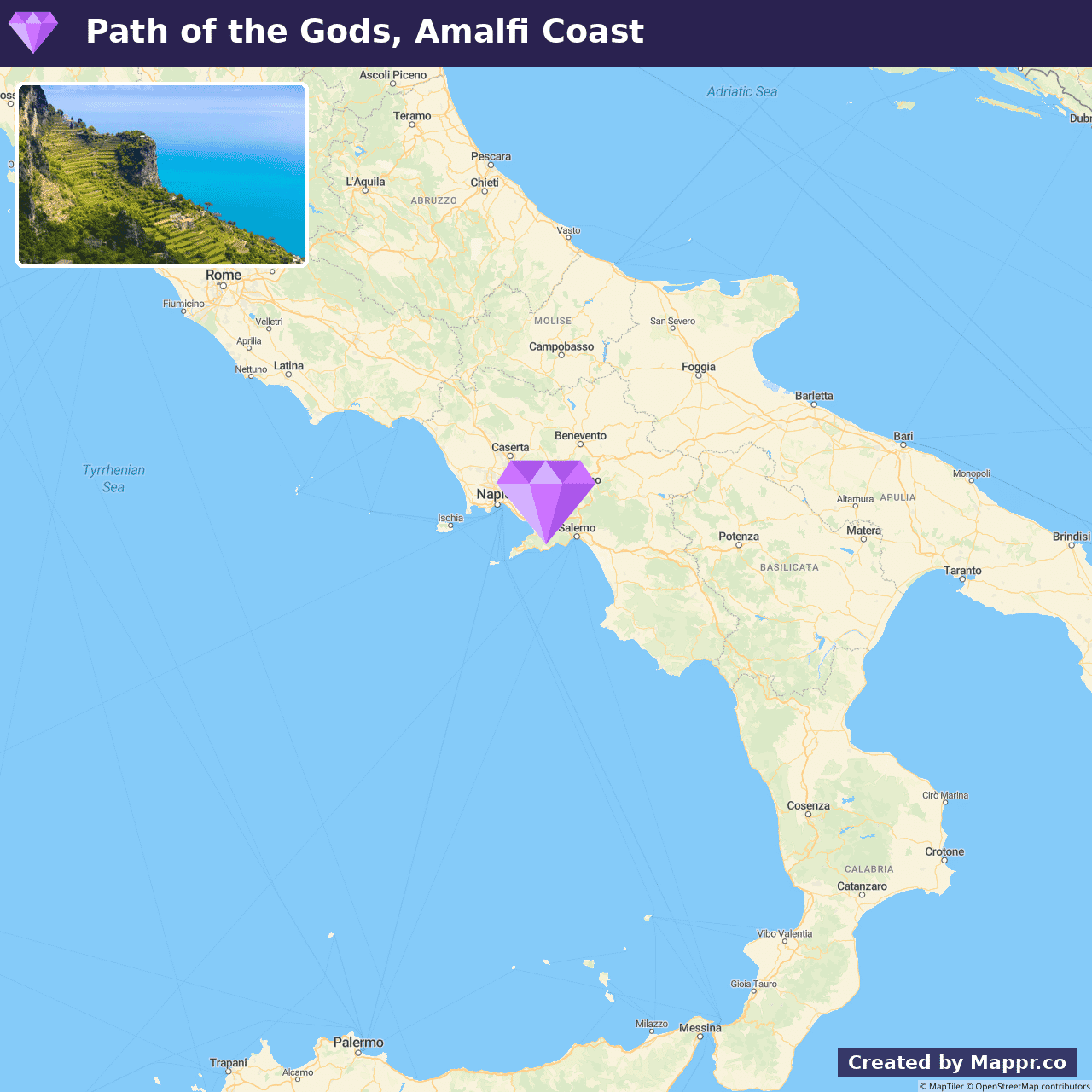
- ✈️ How to Get There: Start your hike from Bomerano, reachable by bus from Amalfi’s Piazza Flavio Gioia. From Sorrento or Positano, take a bus or ferry to Amalfi, then connect to Bomerano.
- 🏨 Where to Stay: Check recommended places to stay in Path of the Gods.
6. Bolgheri, Tuscany
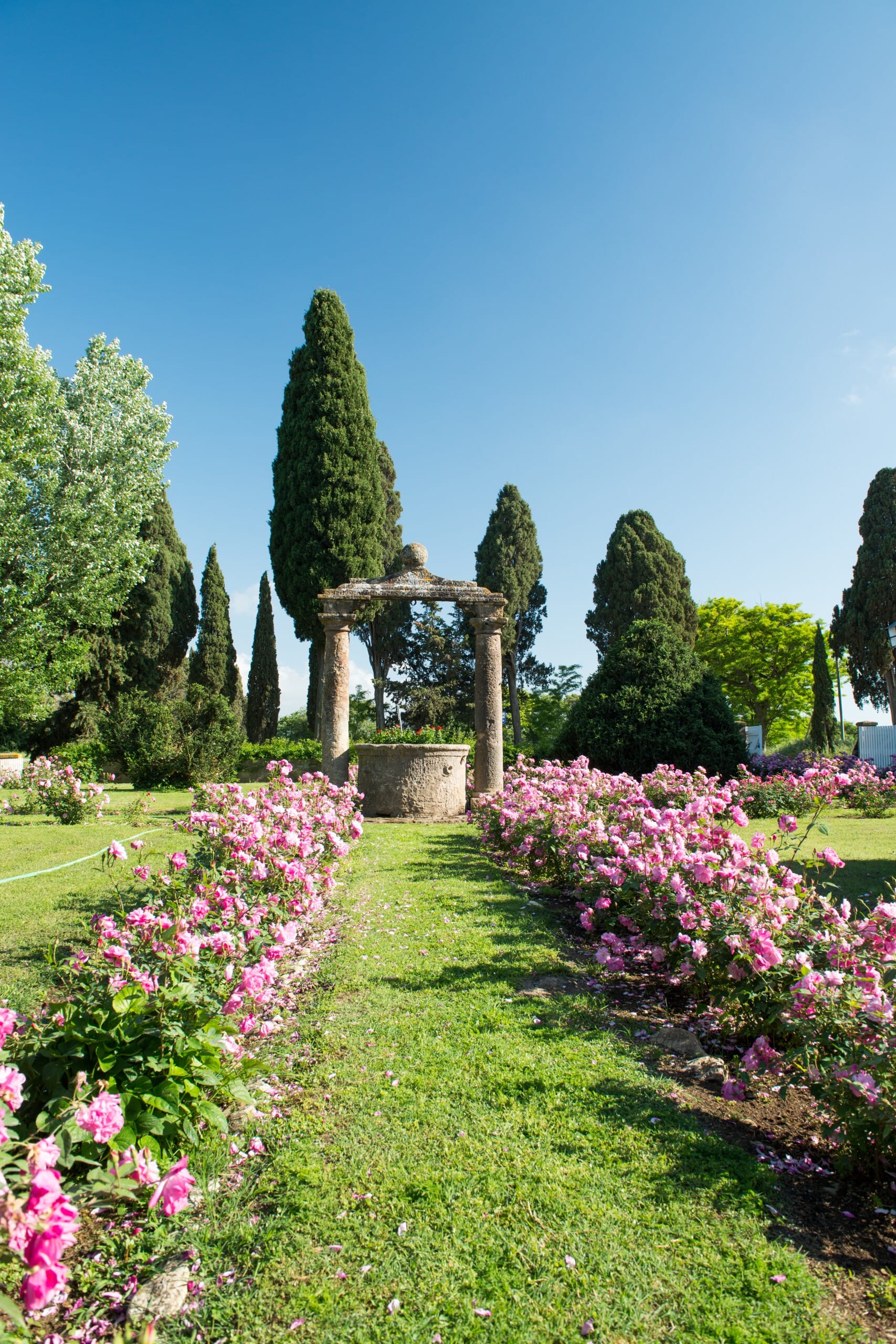
Bolgheri, a hidden gem renowned for its superb wines and idyllic countryside, lies along the Tuscan coast. The town is framed by the iconic Viale dei Cipressi, a cypress-lined avenue celebrated in the works of Italian poet Giosuè Carducci.
Beyond its poetic landscapes, Bolgheri’s medieval village charm and the surrounding vineyards invite oenophiles and travelers alike to indulge in some of Italy’s finest red wines, including the acclaimed Bolgheri Sassicaia.
Bolgheri is as delightful as the destination, with the Tuscan landscape providing a picturesque backdrop and fascinating Tuscany’s wine routes.
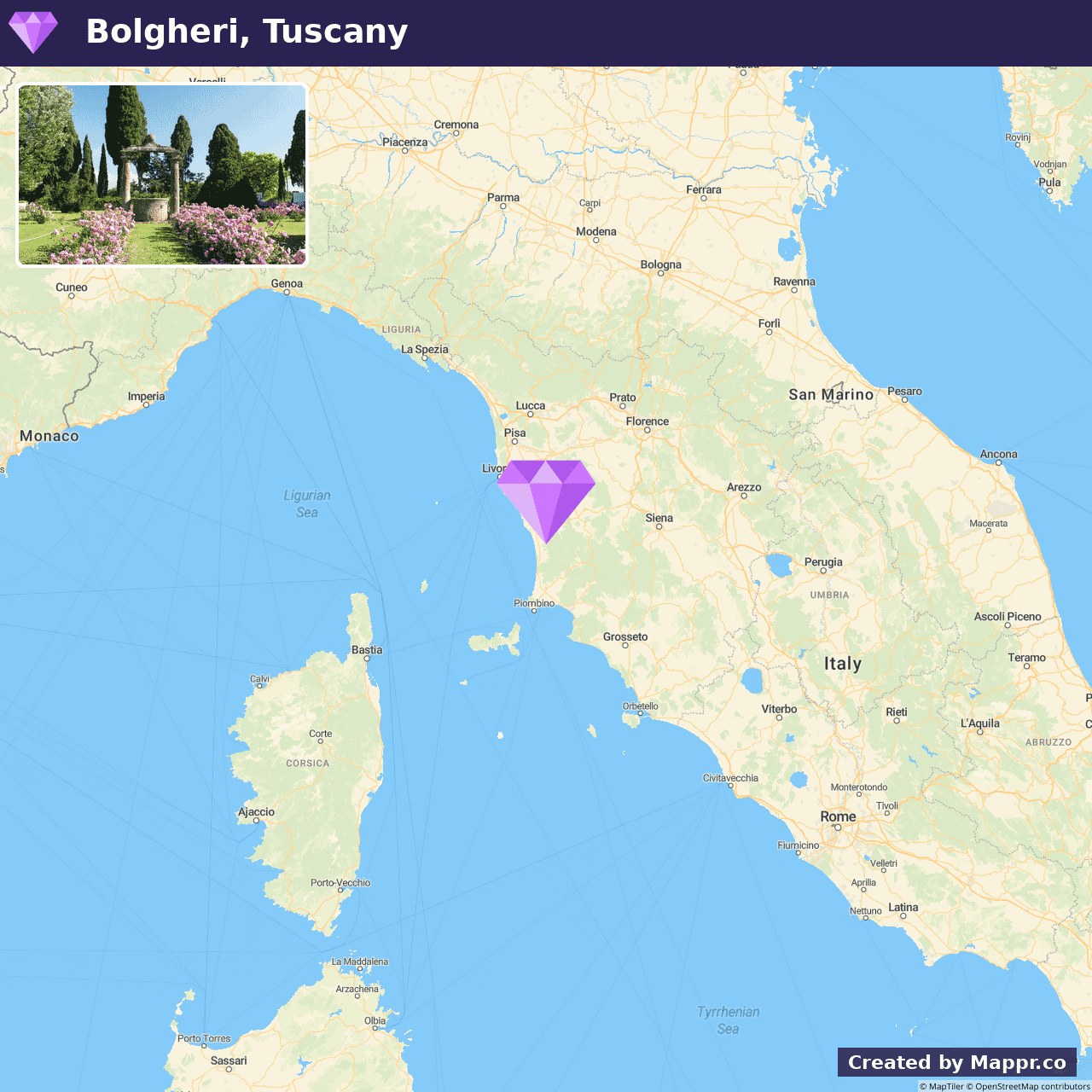
- ✈️ How to Get There: Bolgheri is easily reachable by car from Livorno or Pisa, offering a scenic drive through the heart of Tuscany’s wine country.
- 🏨 Where to Stay: Check recommended places to stay in Bolgheri.
7. Tropea, Calabria
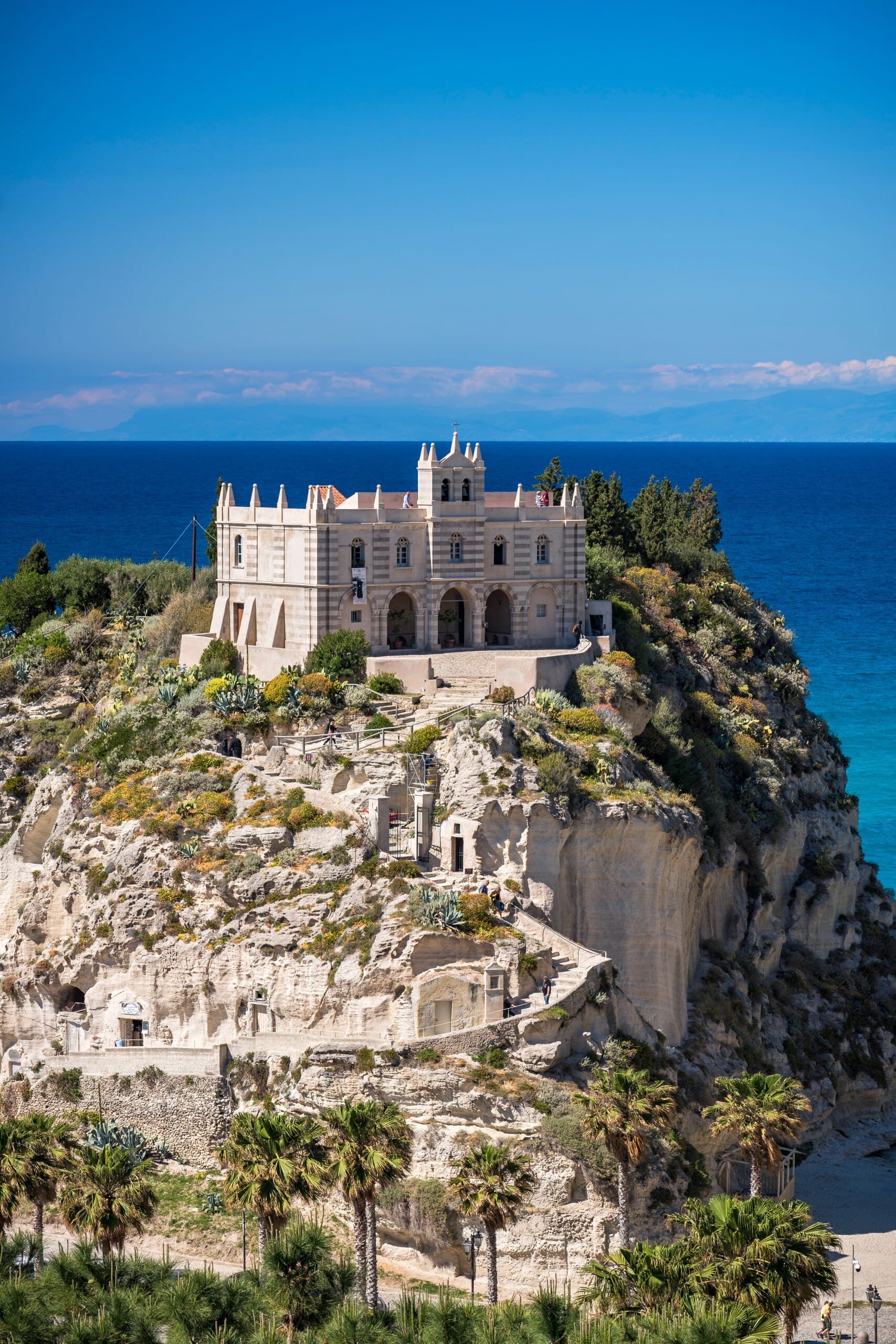
Tropea, a coastal town in Calabria, dazzles visitors with its stunning cliffside setting overlooking the Tyrrhenian Sea.
Known as the “Pearl of the Tyrrhenian,” Tropea is famed for its pristine beaches, historic old town, and the striking Santa Maria dell’Isola monastery perched atop a rocky promontory.
The town’s narrow lanes, lined with noble palazzos and lively cafes, lead to breathtaking viewpoints and hidden coves, making it an essential stop for beach lovers and history buffs alike.
Reaching Tropea is a scenic journey through the heart of Calabria, with Lamezia Terme serving as the nearest major transportation hub.
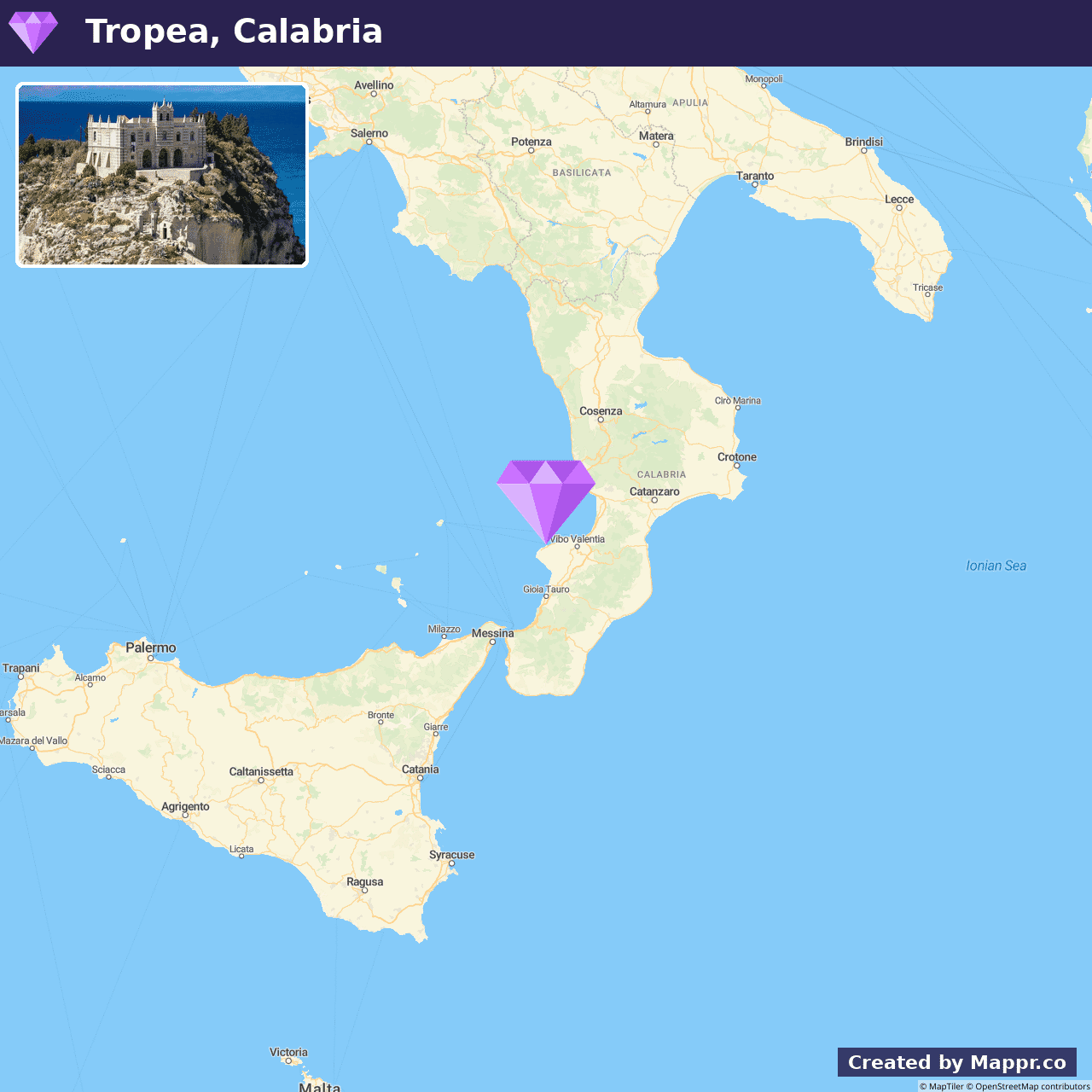
- ✈️ How to Get There: Tropea is easily reached by train from Lamezia Terme, directly linking to this coastal paradise and its sun-drenched beaches.
- 🏨 Where to Stay: Check recommended places to stay in Tropea.
8. Civita di Bagnoregio, Lazio
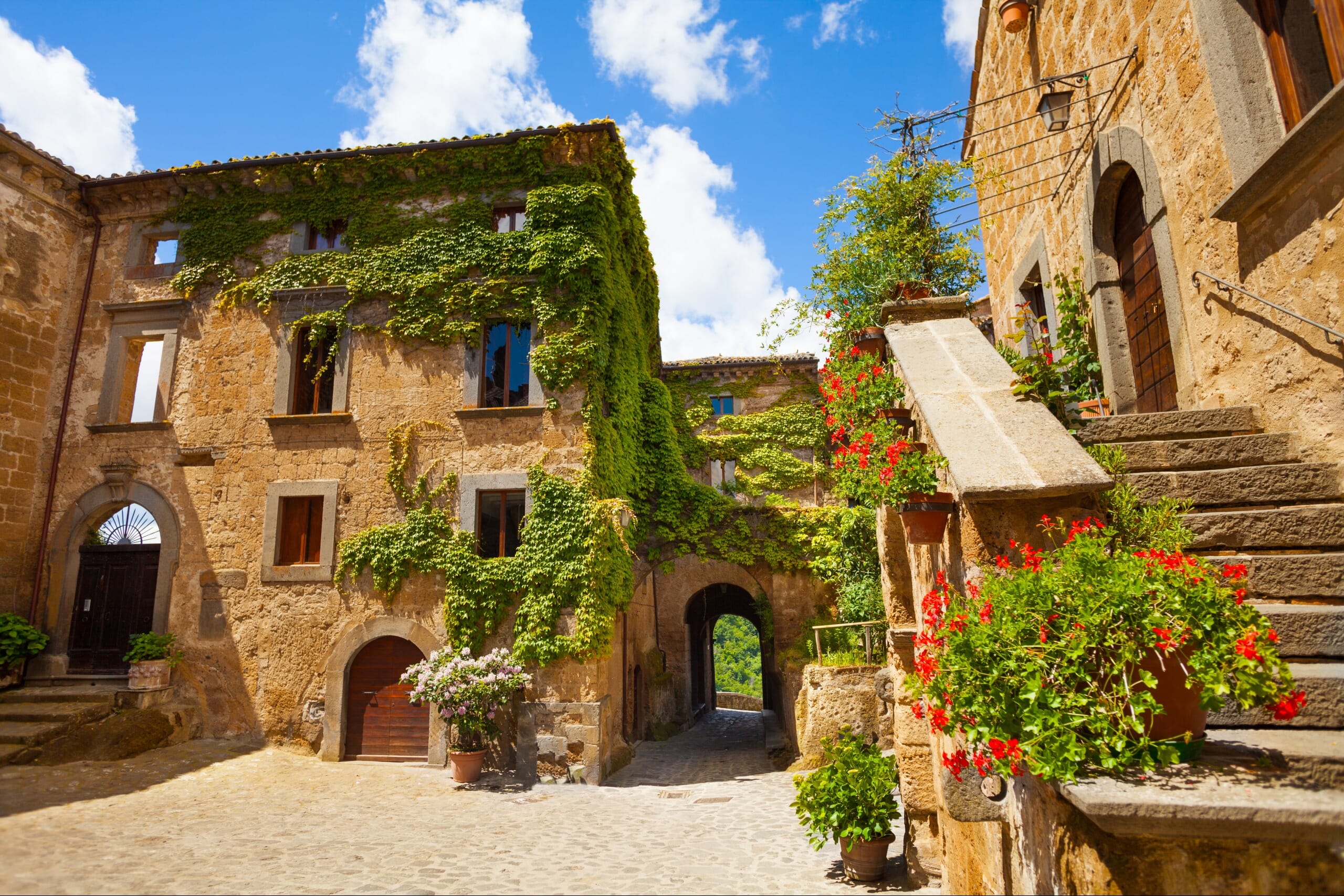
Civita di Bagnoregio, known as the “dying city,” stands as a testament to resilience and beauty, perched atop a hill accessible only by a footbridge.
This ancient Etruscan town, with its warren of medieval streets, stone houses, and sweeping vistas of the surrounding valleys, offers a glimpse into a past preserved by its isolation.
The fragility of its position, threatened by erosion, only adds to the urgency and allure of visiting this enchanting place, where time seems to stand still.
A short trip from Orvieto or Viterbo through the stunning landscapes of Lazio.
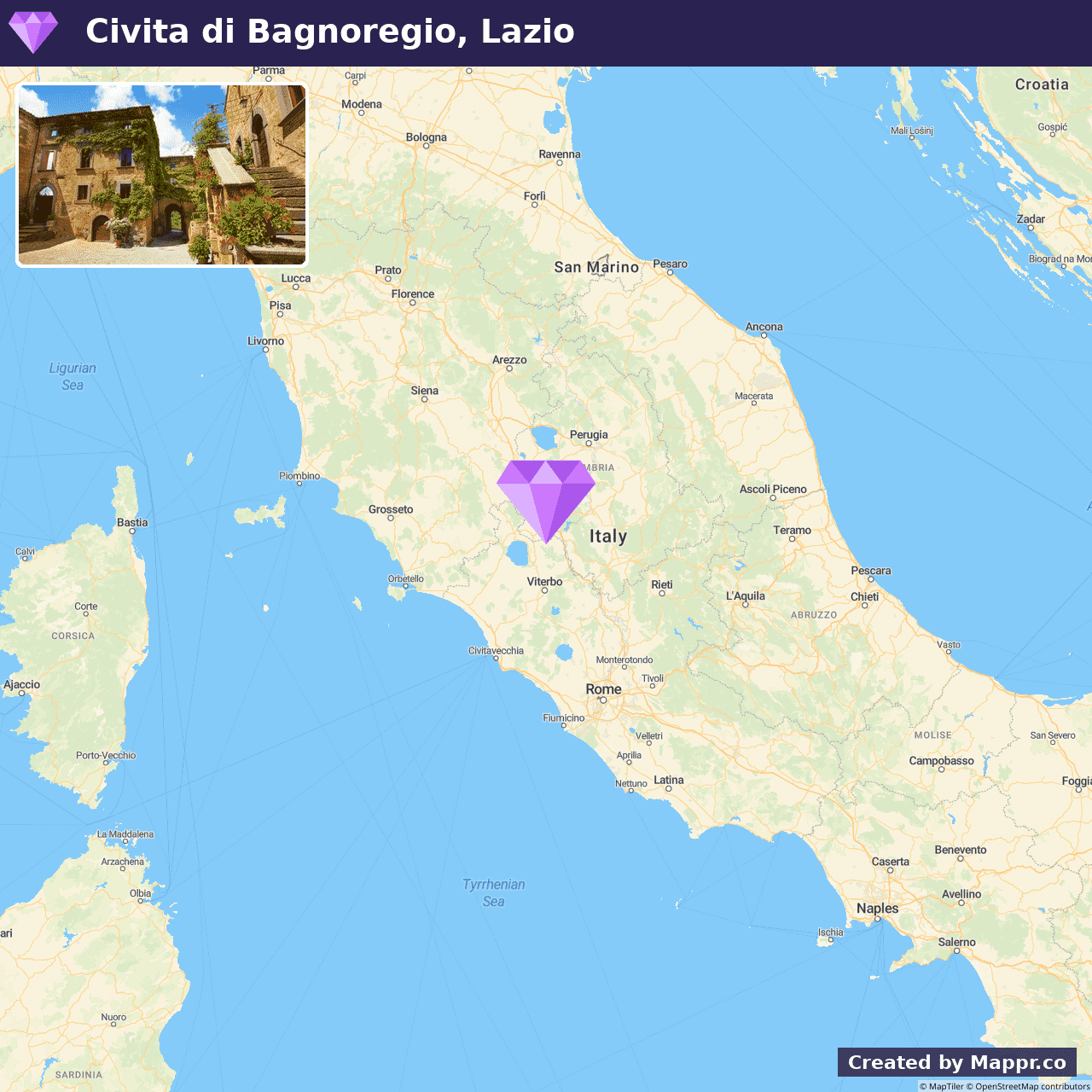
- ✈️ How to Get There: Civita di Bagnoregio is best reached by car from Orvieto, providing a scenic drive through the captivating countryside of Lazio to this ancient hilltop town.
- 🏨 Where to Stay: Check recommended places to stay in Civita di Bagnoregio.
9. Asolo, Treviso
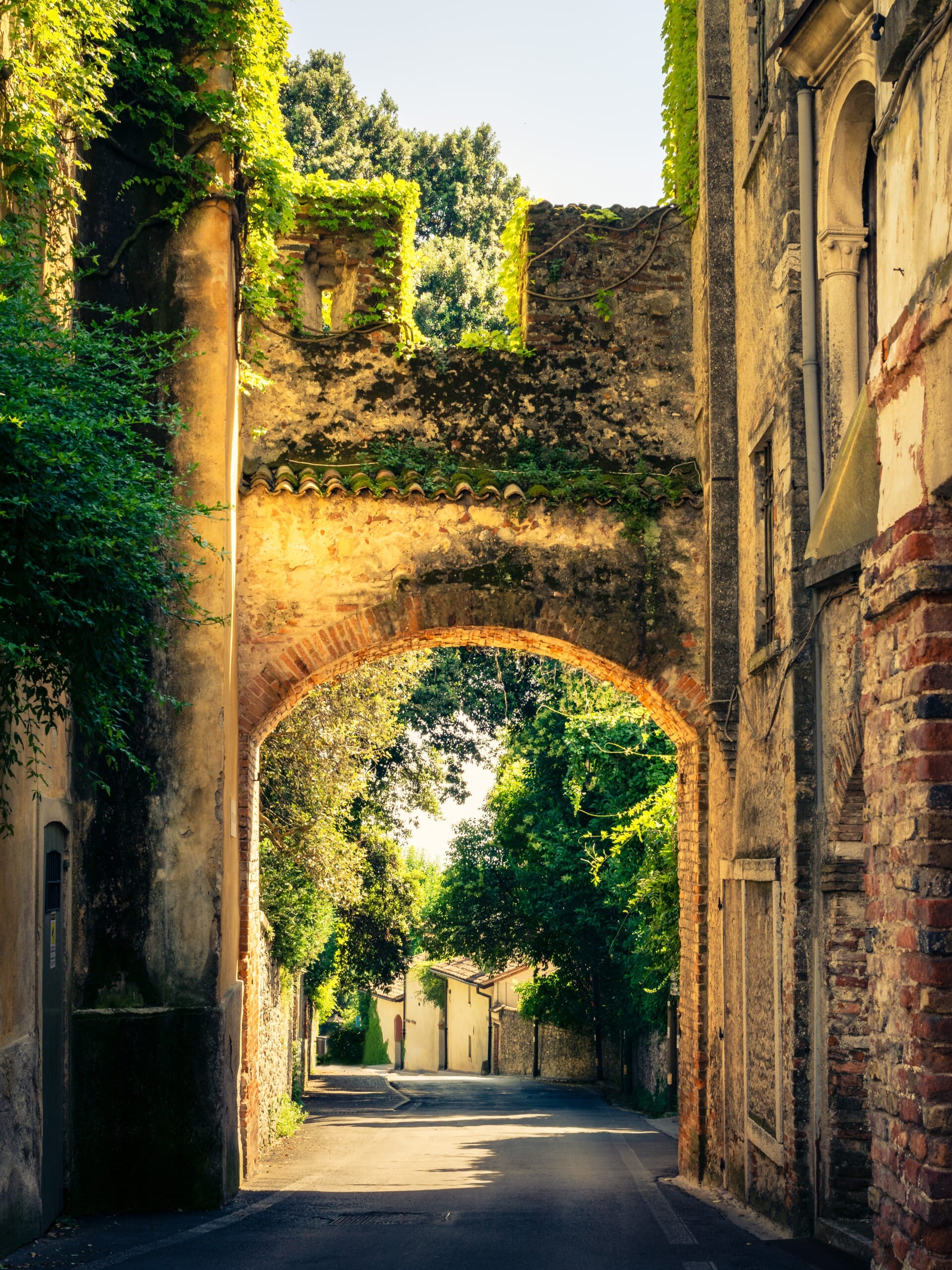
Asolo, known as ‘The City of a Hundred Horizons,’ is nestled amidst the rolling hills of Veneto, offering sweeping views of the surrounding vineyards and olive groves.
With its rich history, this charming town has been a muse for poets and artists, captivated by its medieval fortress, elegant villas, and picturesque streets.
Asolo’s tranquil atmosphere, its cultural heritage, and gastronomic delights make it a sophisticated retreat for those looking to immerse themselves in the beauty of Italian life.
Reaching Asolo is a journey through Veneto, revealing the region’s rustic charm and verdant landscapes.
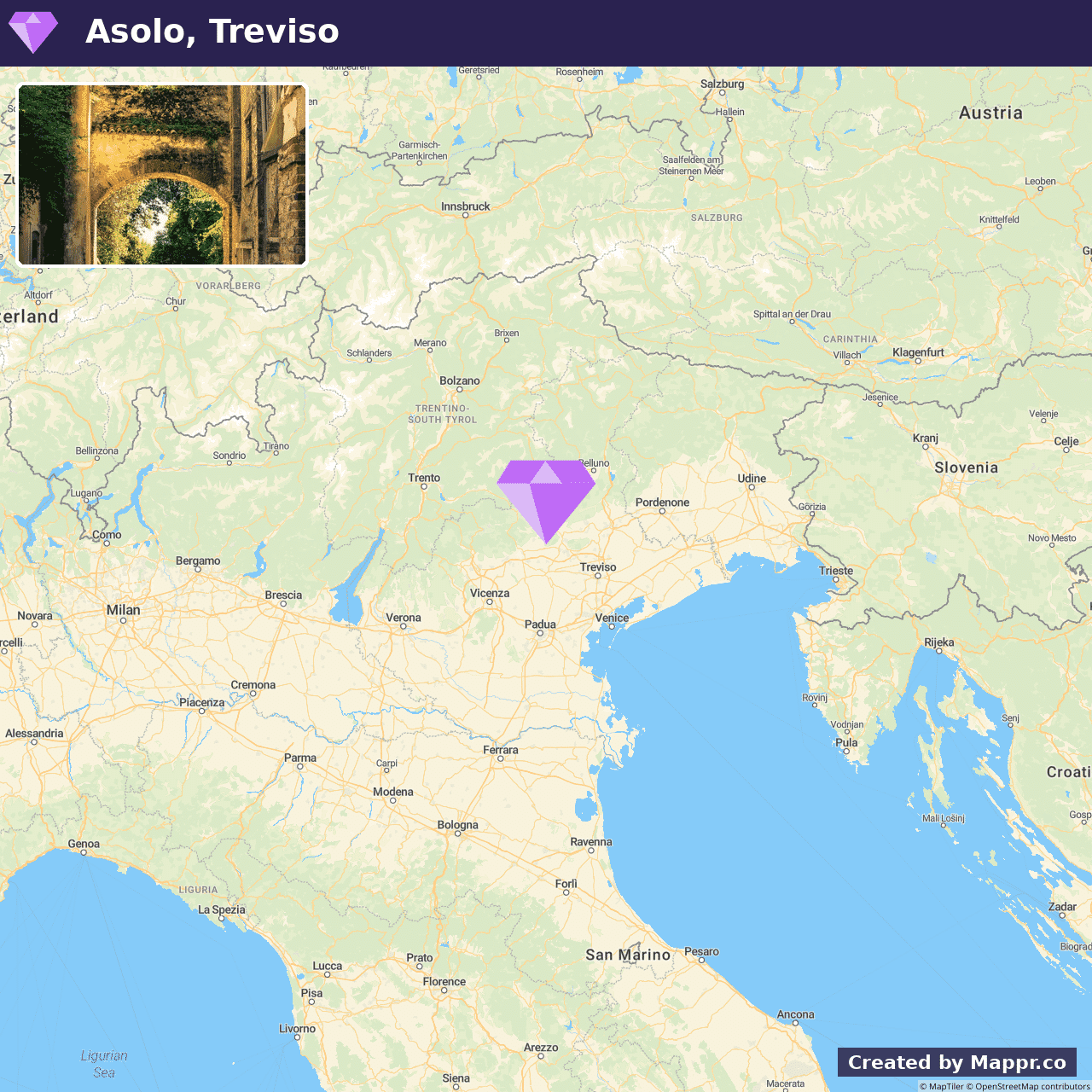
- ✈️ How to Get There: Asolo is accessible by car from Treviso or Venice, offering a scenic route that meanders through the captivating countryside of Veneto.
- 🏨 Where to Stay: Check recommended places to stay in Asolo.
10. Vietri Sul Mare, Amalfi Coast
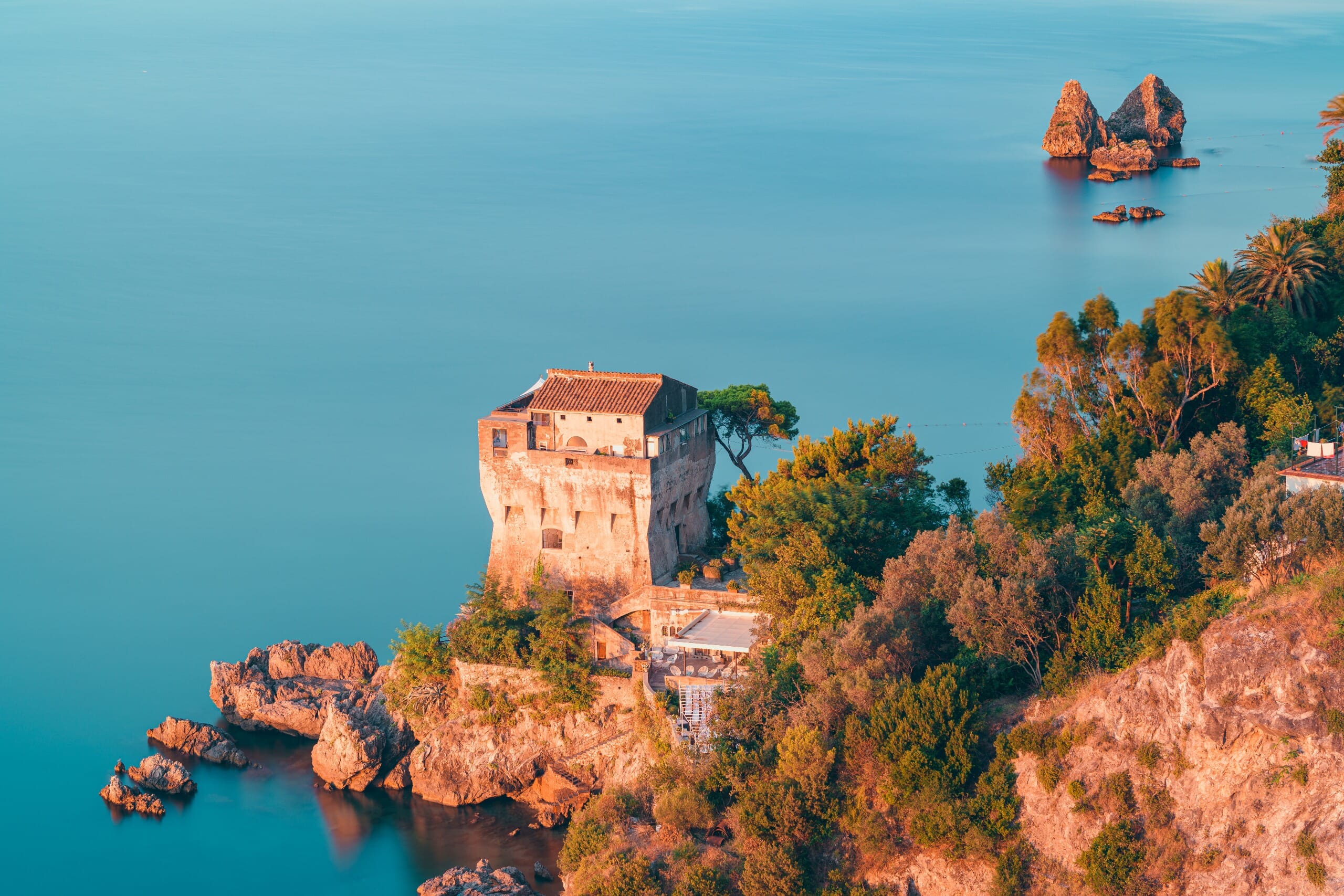
Vietri sul Mare is renowned for its vibrant ceramics and scenic coastal charm, making it a captivating corner of the Amalfi Coast.
This artistic town offers visitors a blend of cultural heritage and seaside relaxation, with its colorful ceramic shops and inviting beaches forming the backdrop of a quintessential Italian getaway.
For beach enthusiasts, Vietri sul Mare doesn’t disappoint, offering several beautiful beaches, such as Marina di Vietri, La Bahia, and La Crestarella.
Each beach has unique allure, from vast sandy shores to more secluded spots, providing a perfect backdrop for a summer day by the Mediterranean.
Vietri sul Mare is just a short train ride away from Salerno.
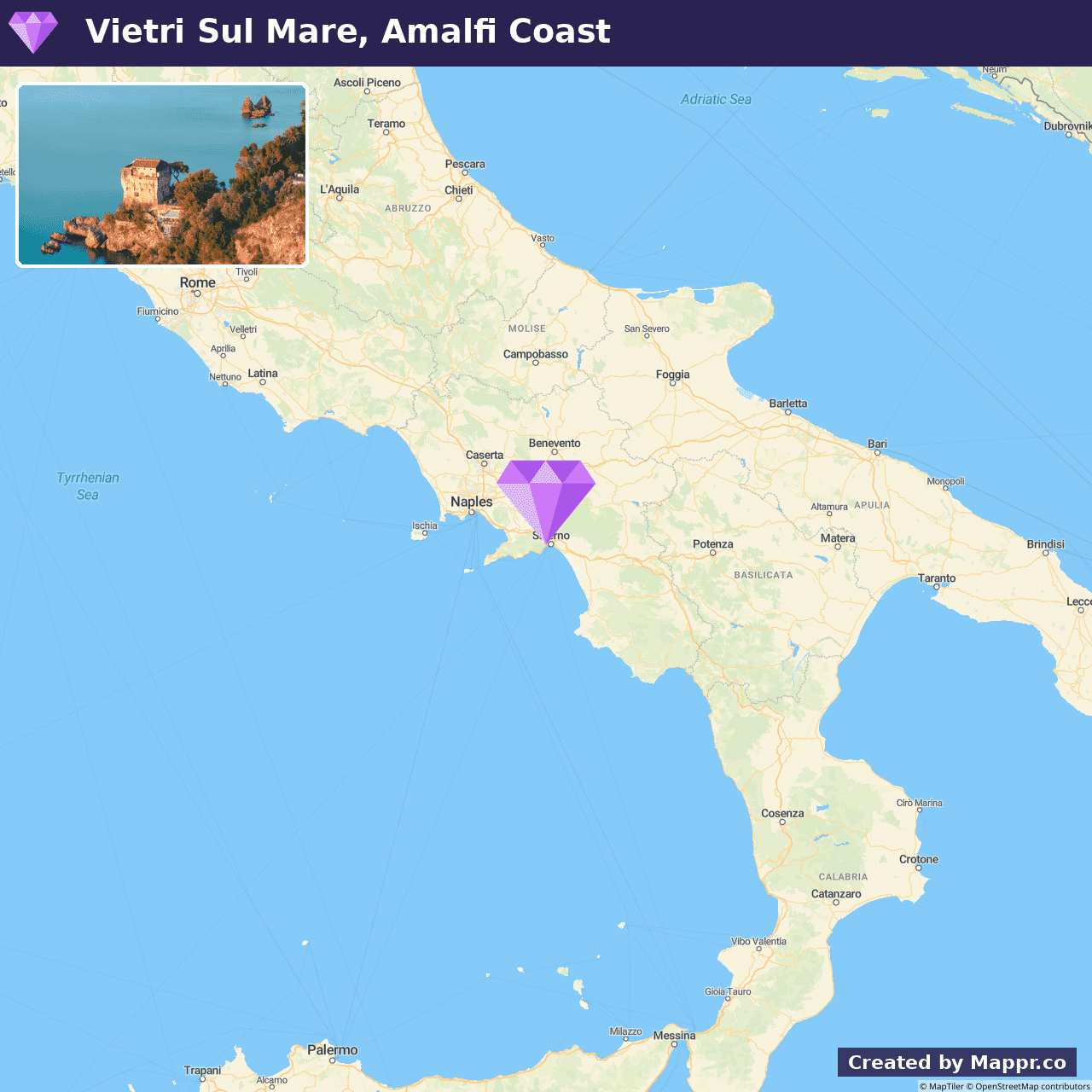
- ✈️ How to Get There: Vietri sul Mare is easily reachable by train from Salerno, which is well-connected to major cities like Rome and Naples. The town’s proximity to Salerno also makes it accessible from Naples International Airport.
- 🏨 Where to Stay: Check recommended places to stay in Vietri Sul Mare.
11. Bosa, Sardinia
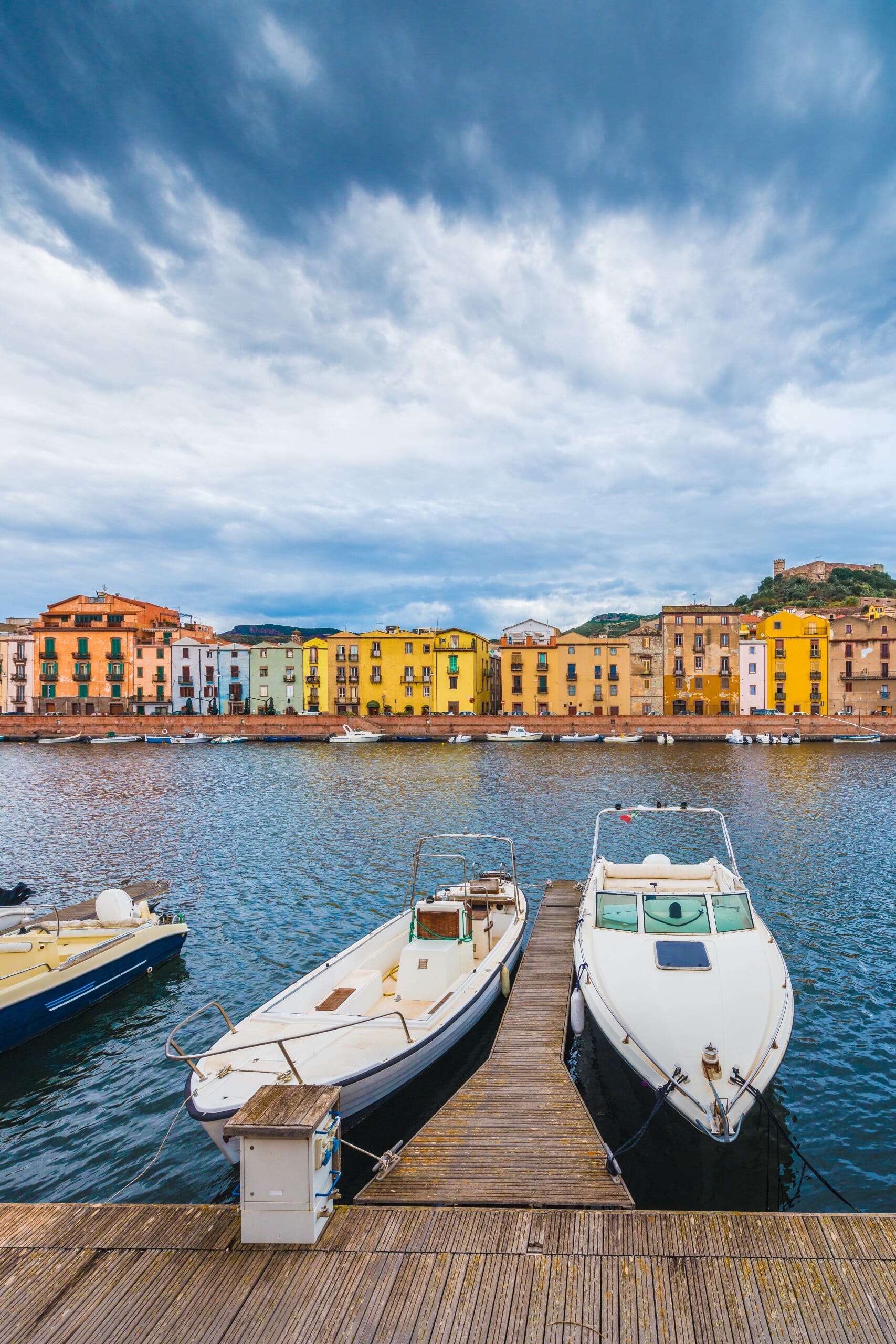
Bosa enchants with its vibrant, multicolored houses cascading down to the Temo River, the only navigable river in Sardinia.
With its imposing Malaspina Castle and labyrinthine medieval streets, this hidden gem offers a glimpse into Sardinia’s rich history and cultural tapestry.
Beyond the town’s picturesque charm, Bosa’s surrounding countryside and nearby beaches, such as Bosa Marina, promise unspoiled natural beauty and relaxing seaside moments.
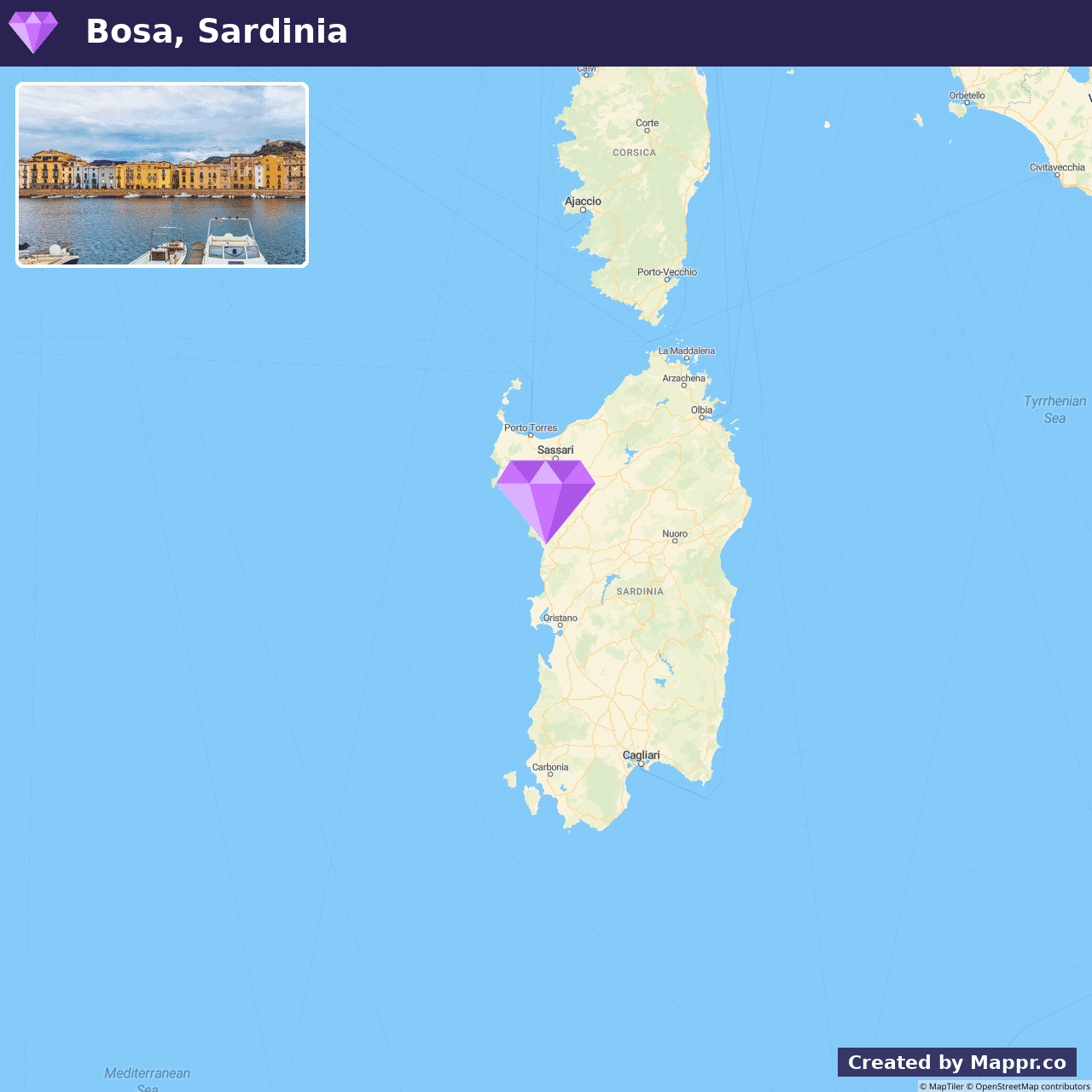
- ✈️ How to Get There: Bosa is a picturesque drive away from Alghero, allowing travelers to experience the captivating beauty of Sardinia’s western coast.
- 🏨 Where to Stay: The Corte Fiorita Albergo Diffuso, set within historic buildings throughout Bosa, and the Hotel Palazzo Sa Pischedda, overlooking the river, offer unique accommodations that blend seamlessly with the town’s architectural and natural beauty.
12. Vieste, Puglia
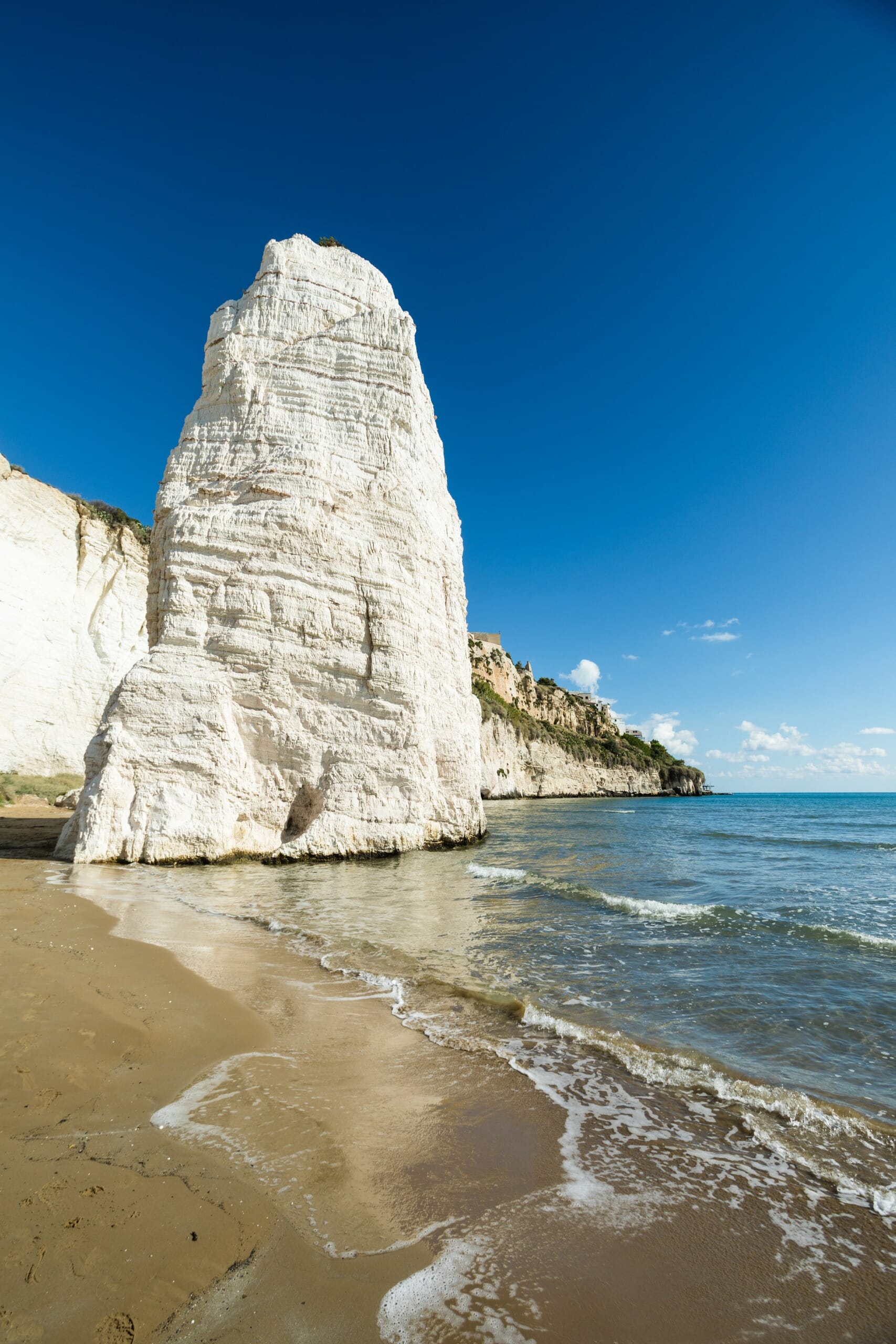
Perched on the eastern tip of the Gargano Peninsula, Vieste is a captivating town known for its white limestone cliffs, sandy beaches, and the iconic Pizzomunno monolith standing guard over the coastline.
The town’s historic center, a maze of narrow alleys and whitewashed buildings, spills down to the sea, offering stunning views and a rich tapestry of history and culture.
Vieste is an ideal base for exploring the Gargano National Park, with its lush forests, coastal trails, and hidden coves.
Access to Vieste is facilitated by the nearby city of Foggia, serving as a gateway to the Gargano Peninsula.
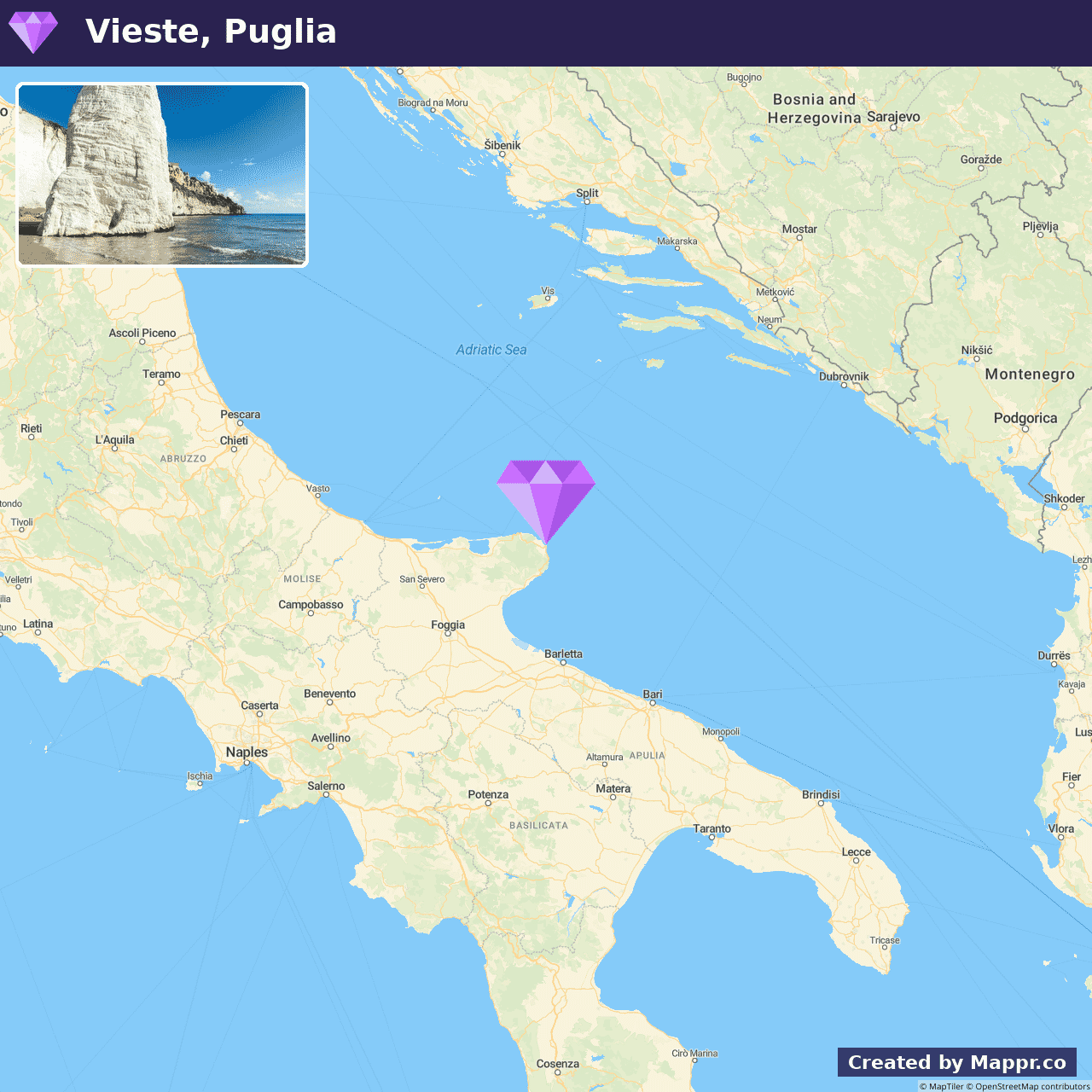
- ✈️ How to Get There: Vieste is accessible by bus or car from Foggia to Vieste. Whether by bus or car, it traverses through the heart of the national park, offering glimpses of Puglia’s diverse landscapes.
- 🏨 Where to Stay: Check recommended places to stay in Vieste.
13. Orta San Giulio, Piedmont
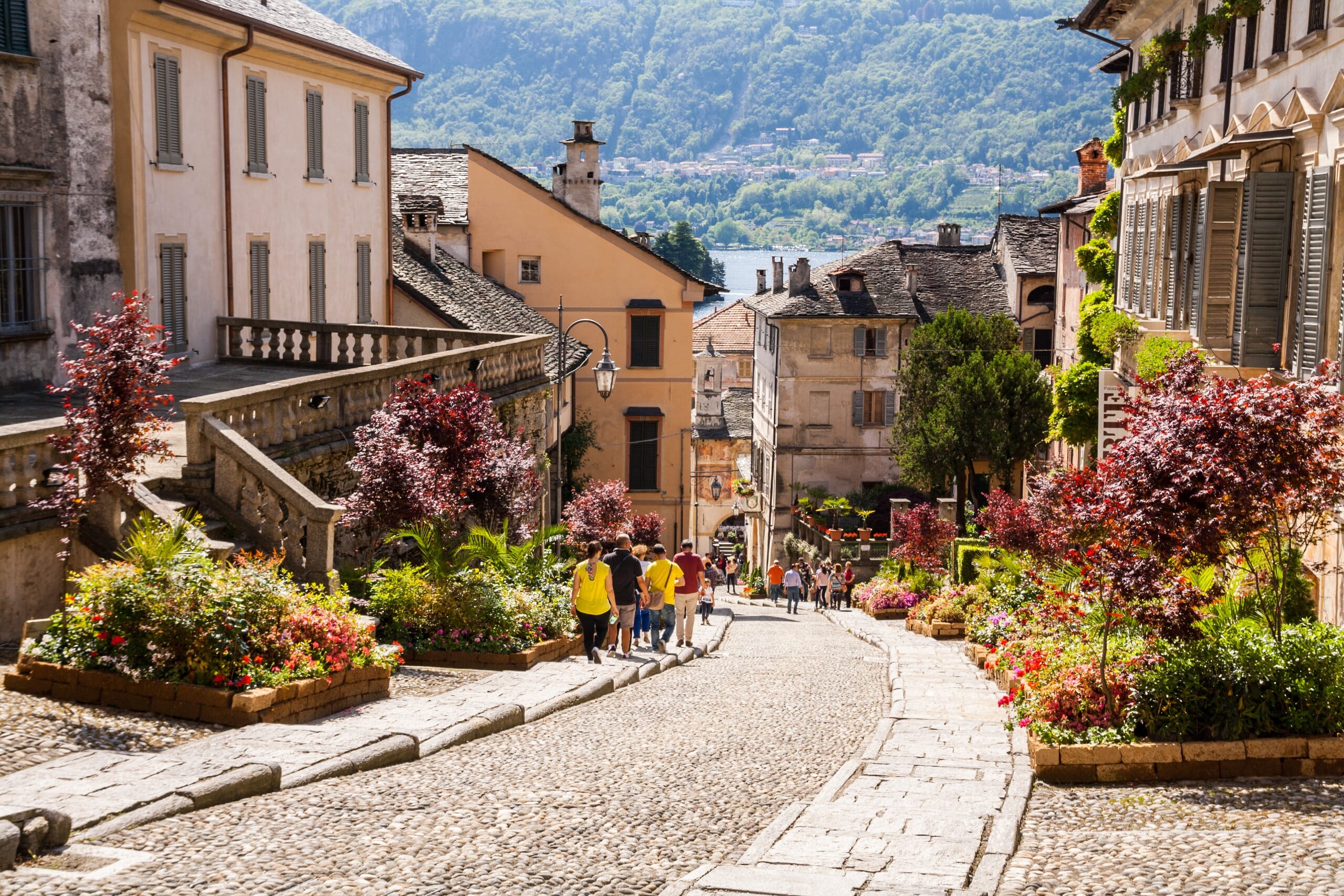
Orta San Giulio, a serene town on the shores of Lake Orta, is one of Italy’s lesser-known jewels. This enchanting village is characterized by its cobblestone streets, baroque buildings, and the sacred site of San Giulio Island, which floats mystically in the lake’s center.
The peaceful atmosphere of Orta, with its stunning views and rich history, makes it a perfect retreat for those seeking tranquility away from Italy’s more crowded destinations.
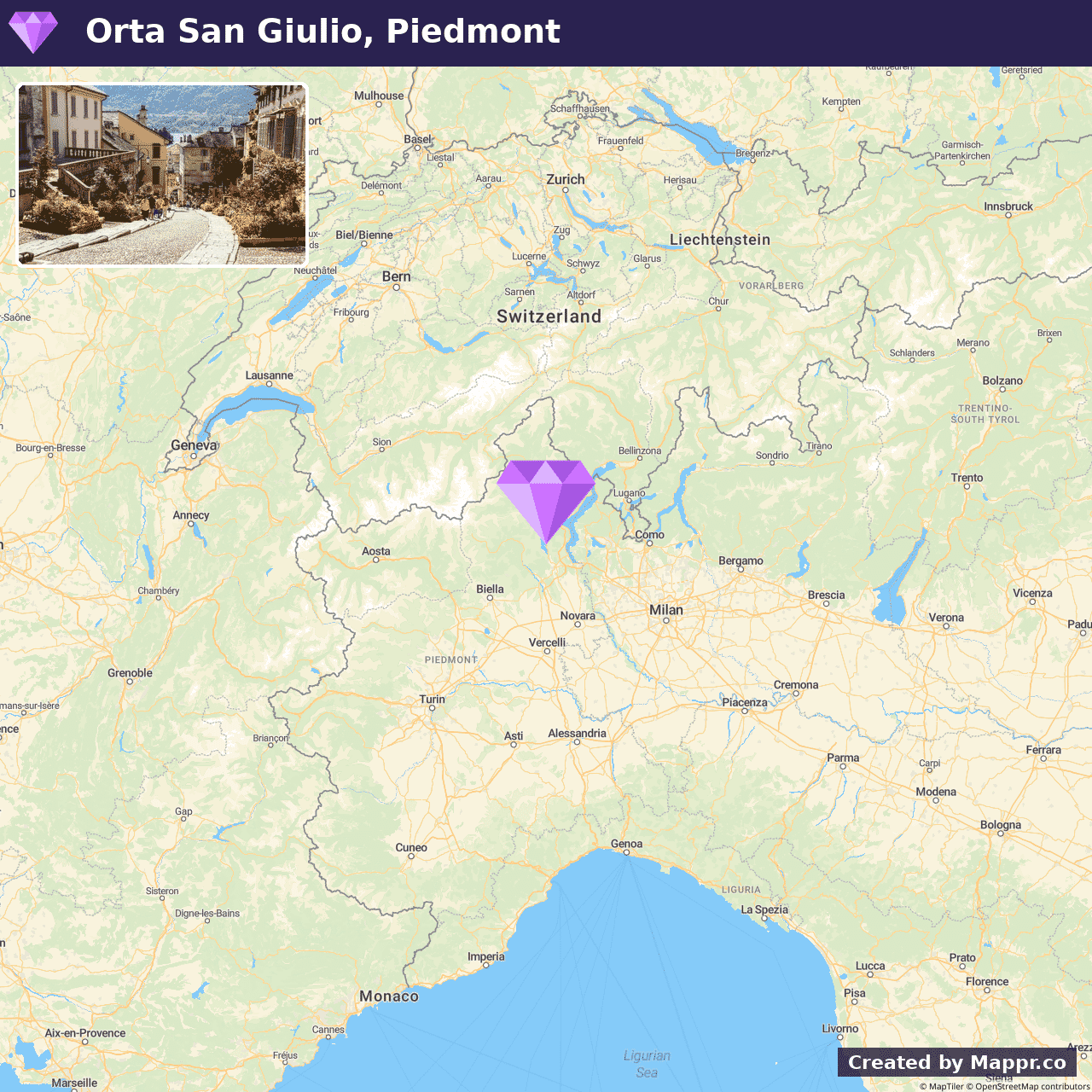
- ✈️ How to Get There: Orta San Giulio is accessible by train ride followed by a bus transfer from Milan, offering a seamless journey to this picturesque lakeside town. 🏨
- 🏨 Where to Stay: Check recommended places to stay in Orta San Giulio.
14. Bassano del Grappa, Veneto
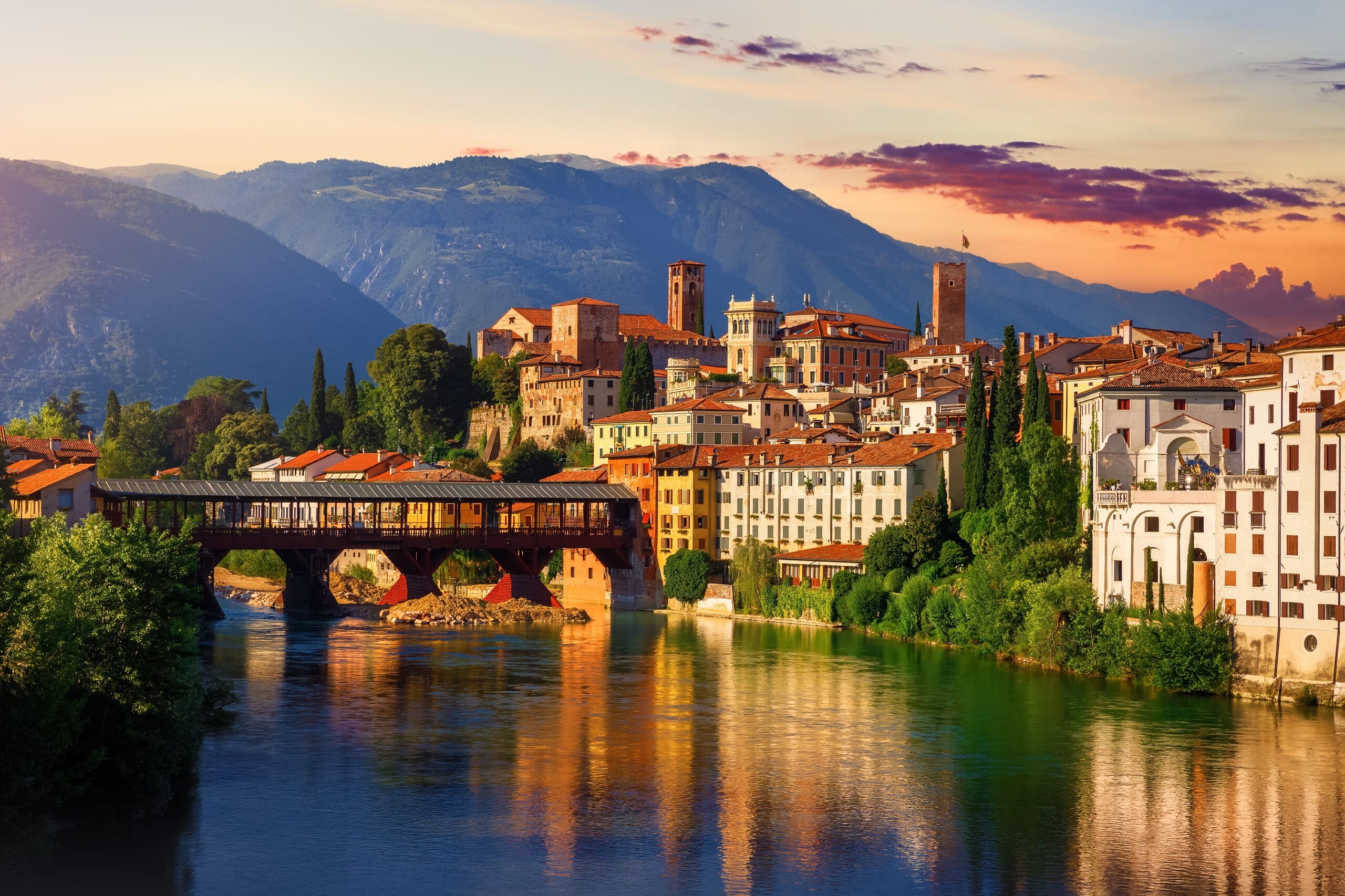
Bassano del Grappa, nestled in the Veneto region, captivates visitors with its historic Ponte Vecchio, Palladian architecture, and a lively cultural scene.
This charming town is an amalgamation of picturesque squares, traditional distilleries, and artisan boutiques, set against the backdrop of the Alpine foothills, making it an ideal destination for those seeking a blend of history and local culture.
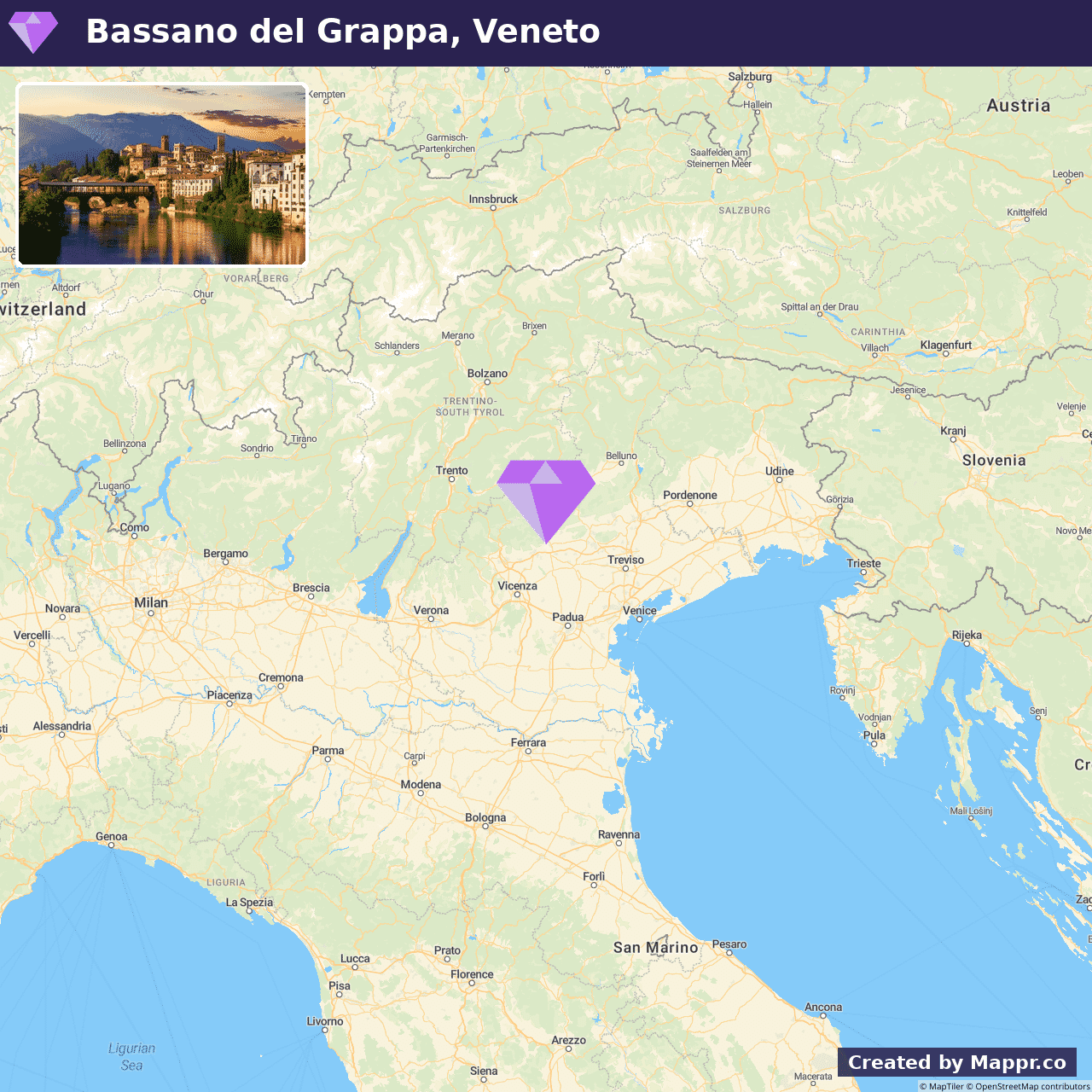
- ✈️ How to Get There: Utilize direct regional train services from Padua or Venice to arrive in Bassano del Grappa. The town’s well-connected train network makes it an accessible stop for travelers exploring the Veneto region.
- 🏨 Where to Stay: Check recommended places to stay in Bassano del Grappa.
15. Pitigliano, Tuscany
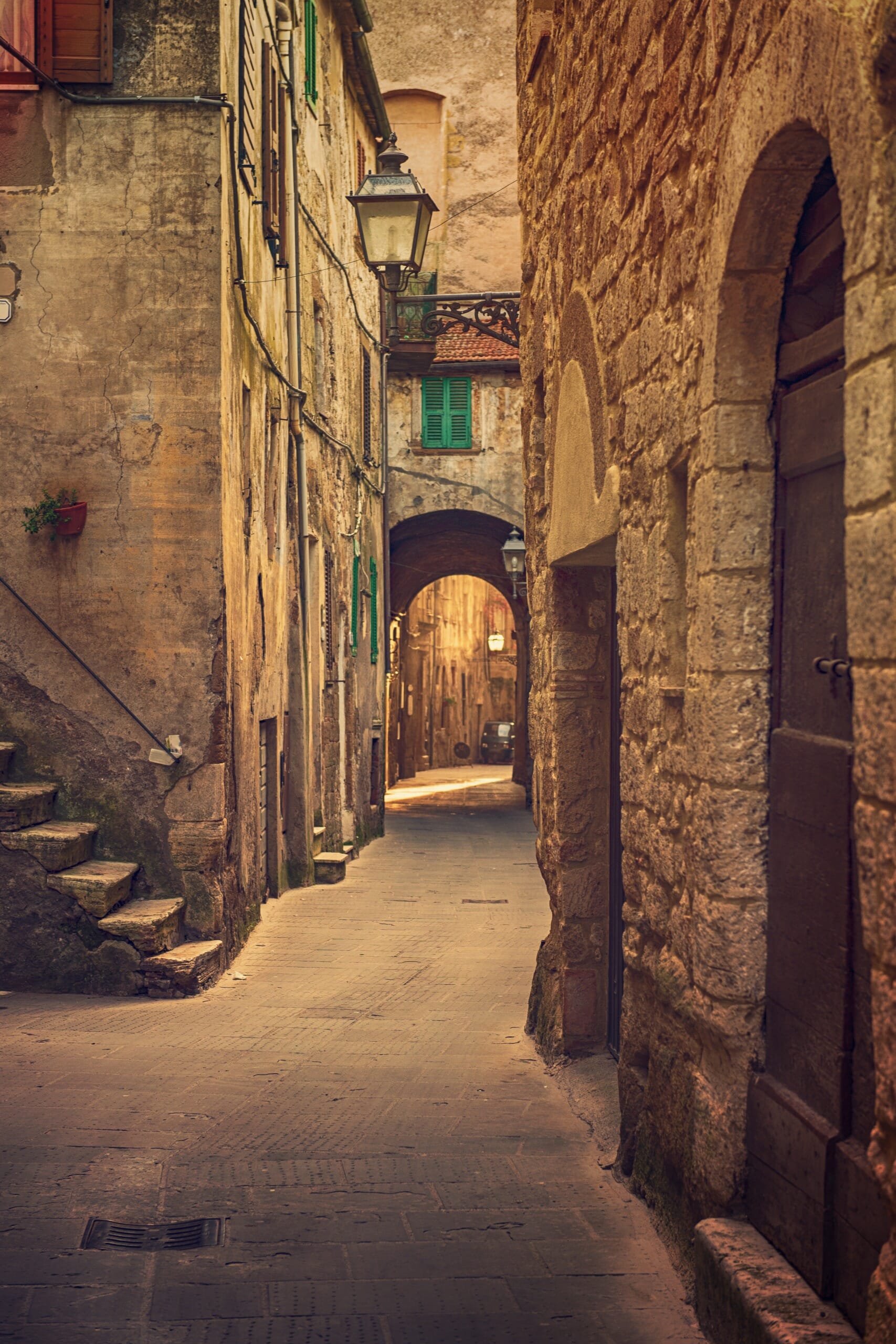
Pitigliano, known as “Little Jerusalem” for its historic Jewish quarter, is a striking town etched into the volcanic tufa rock of southern Tuscany.
The town’s dramatic position, with houses seemingly carved out of the cliffside, creates a spectacular sight, especially at sunset when the stone glows warmly.
Pitigliano’s warren of narrow streets, ancient synagogues, and underground passageways offer a journey through time. At the same time, the surrounding area, known for its Etruscan sites and thermal springs, adds to its allure.
Reaching Pitigliano is an exploration in itself, with the towns of Grosseto and Orvieto serving as the nearest major access points.
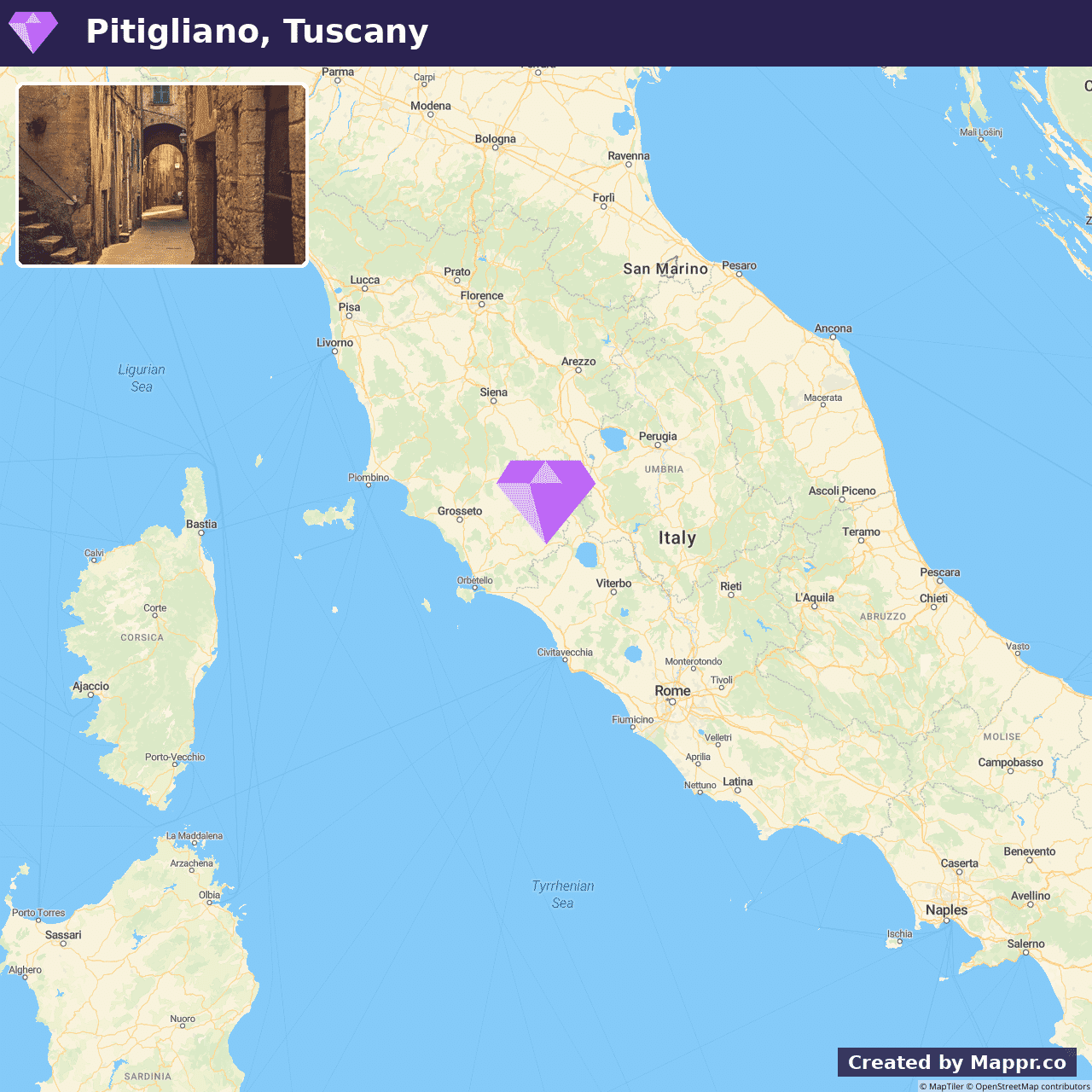
- ✈️ How to Get There: Pitigliano is best reached by car from Grosseto or Orvieto, offering a scenic journey through Tuscany’s rolling hills and historic landscapes.
- 🏨 Where to Stay: Check recommended places to stay in Pitigliano.
16. Ravello, Campania
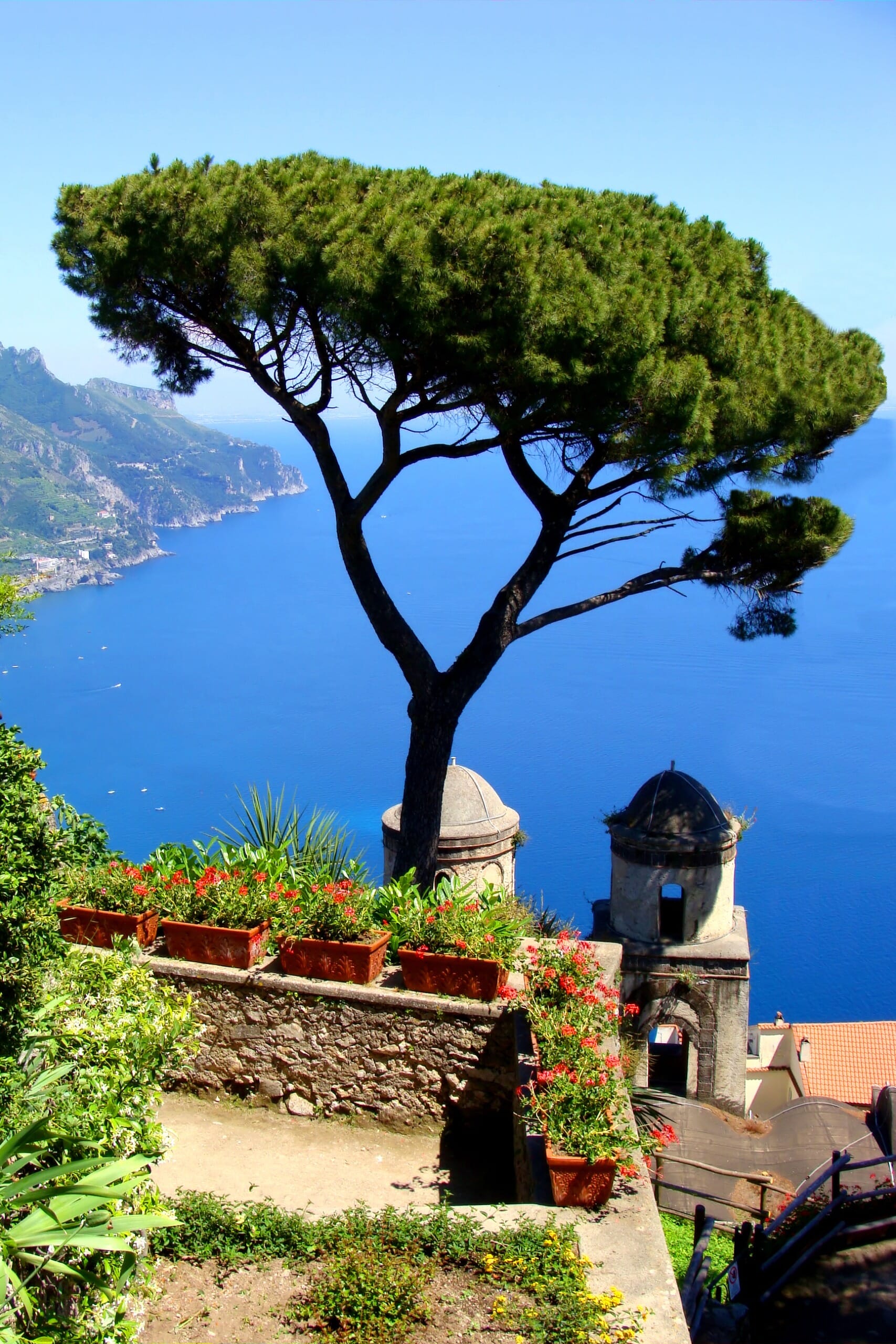
Ravello, perched atop the cliffs of the Amalfi Coast, offers unparalleled views of the Mediterranean Sea, earning it the title of the coast’s most peaceful and charming retreat.
Famous for its lush gardens, historic villas, and vibrant cultural scene, including the celebrated Ravello Festival, this town is a haven for artists, musicians, and writers seeking inspiration.
The timeless beauty of Ravello, with its cobblestone streets, elegant architecture, and panoramic terraces, provides a serene escape from the bustling coastal towns below.
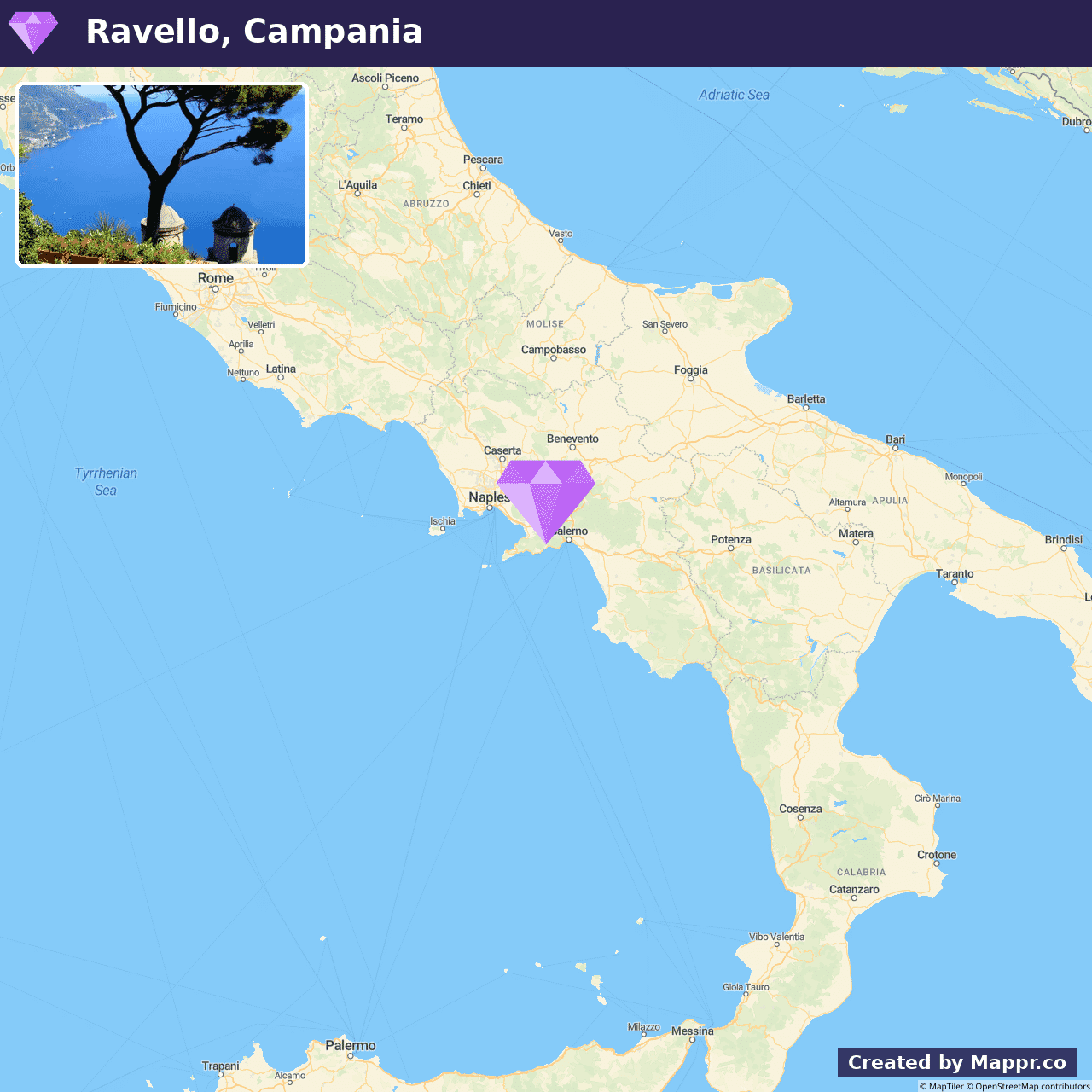
- ✈️ How to Get There: Ravello is just a bus ride from Amalfi, winding up the mountain and offering spectacular coast views.
- 🏨 Where to Stay: Check recommended places to stay in Ravello.
17. Matera, Basilicata
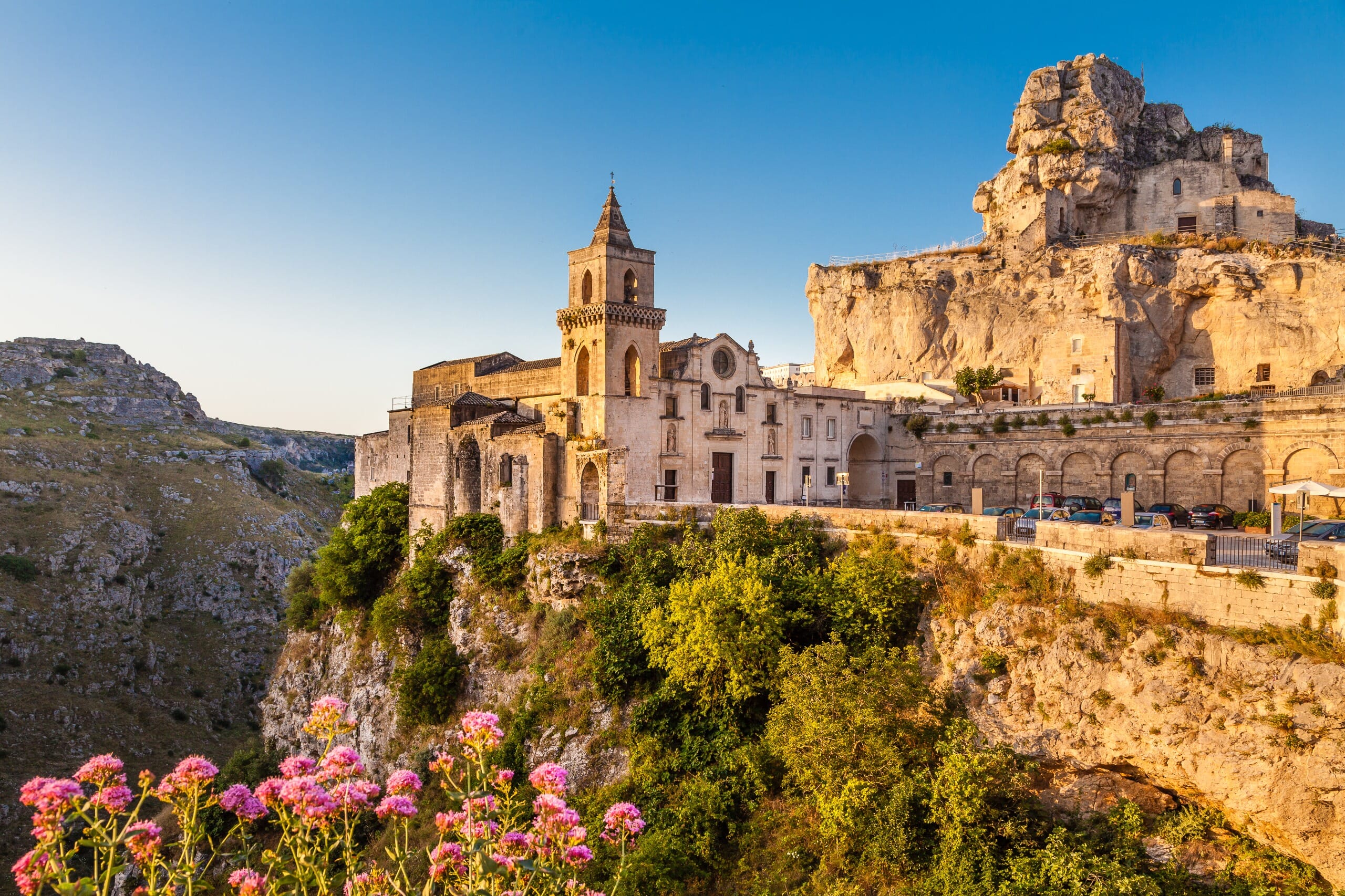
Matera, renowned for its ancient cave dwellings known as ‘Sassi,’ is a city that embodies the passage of time, with a history that stretches back over millennia.
This UNESCO World Heritage site has transformed from an emblem of poverty to a symbol of resilience and beauty, attracting visitors with its unique landscape, rock-hewn churches, and vibrant cultural life.
Matera’s labyrinthine alleyways, dramatic vistas, and troglodyte homes offer an unparalleled journey into the heart of human history and creativity.
Located in the southern region of Basilicata, the journey to Matera is a voyage through Italy’s less-traveled paths.
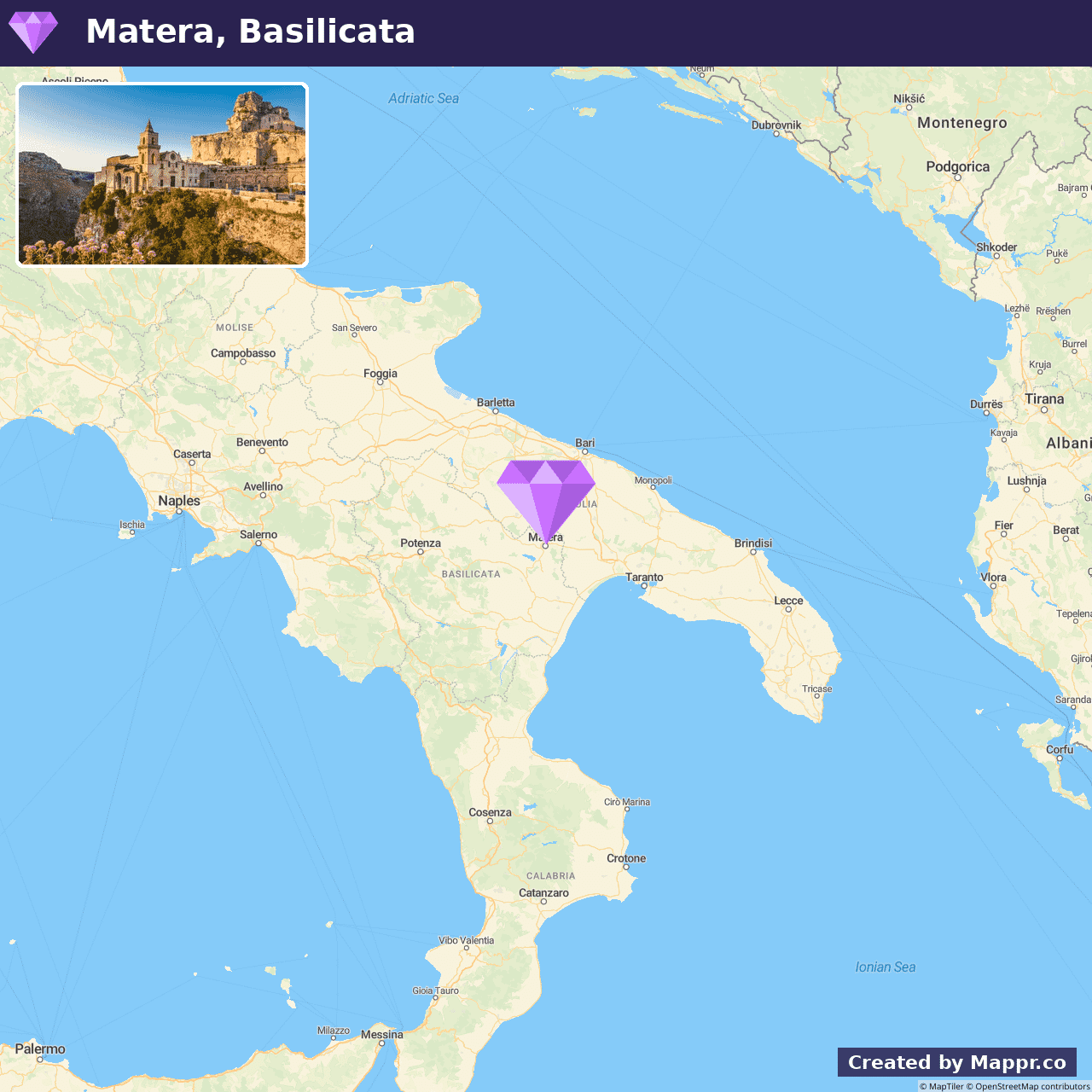
- ✈️ How to Get There: Matera is just a short drive or bus ride from Bari, providing an easy connection to this ancient city and its remarkable cave dwellings.
- 🏨 Where to Stay: Check recommended places to stay in Matera.
18. Isola Bella, Sicily
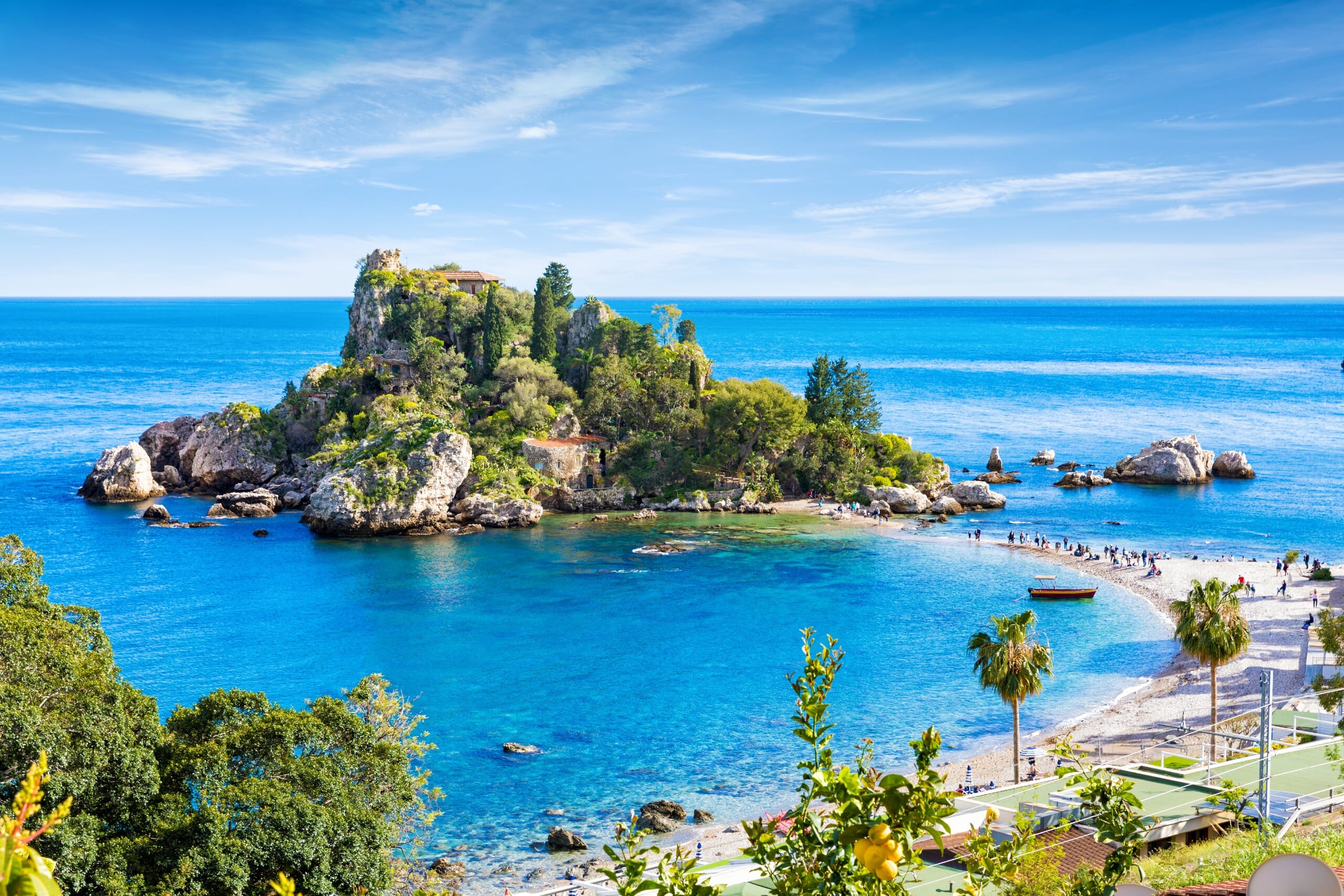
Isola Bella, a tiny island connected by a narrow isthmus to Taormina, Sicily, is a natural jewel adorned with lush vegetation and rocky beaches. This ‘beautiful island,’ with its crystal-clear waters and secluded coves, provides a perfect setting for snorkeling, swimming, and sunbathing.
The island, now a nature reserve, is a haven for wildlife and offers stunning views of the Ionian Sea and the Calabrian coast, making it a must-visit for nature lovers and those seeking a peaceful seaside escape.
The journey to Isola Bella offers a journey through Sicily’s picturesque landscapes and rich history.
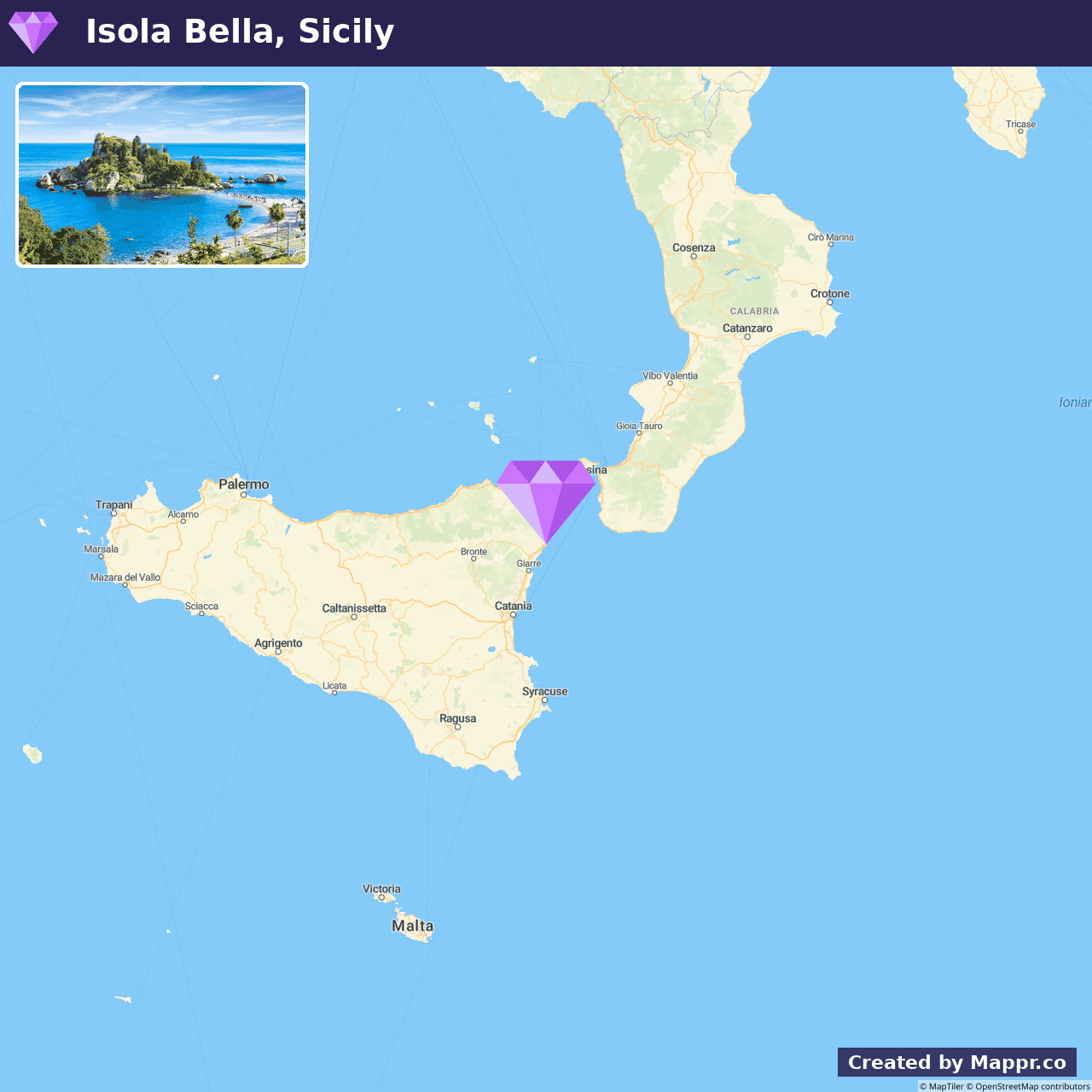
- ✈️ How to Get There: Isola Bella is accessible from Taormina, with a short cable car ride from Taormina to Mazzarò or a pleasant walk down to the beach leading directly to the island.
- 🏨 Where to Stay: Check recommended places to stay in Isola Bella.
19. Montefalco, Umbria
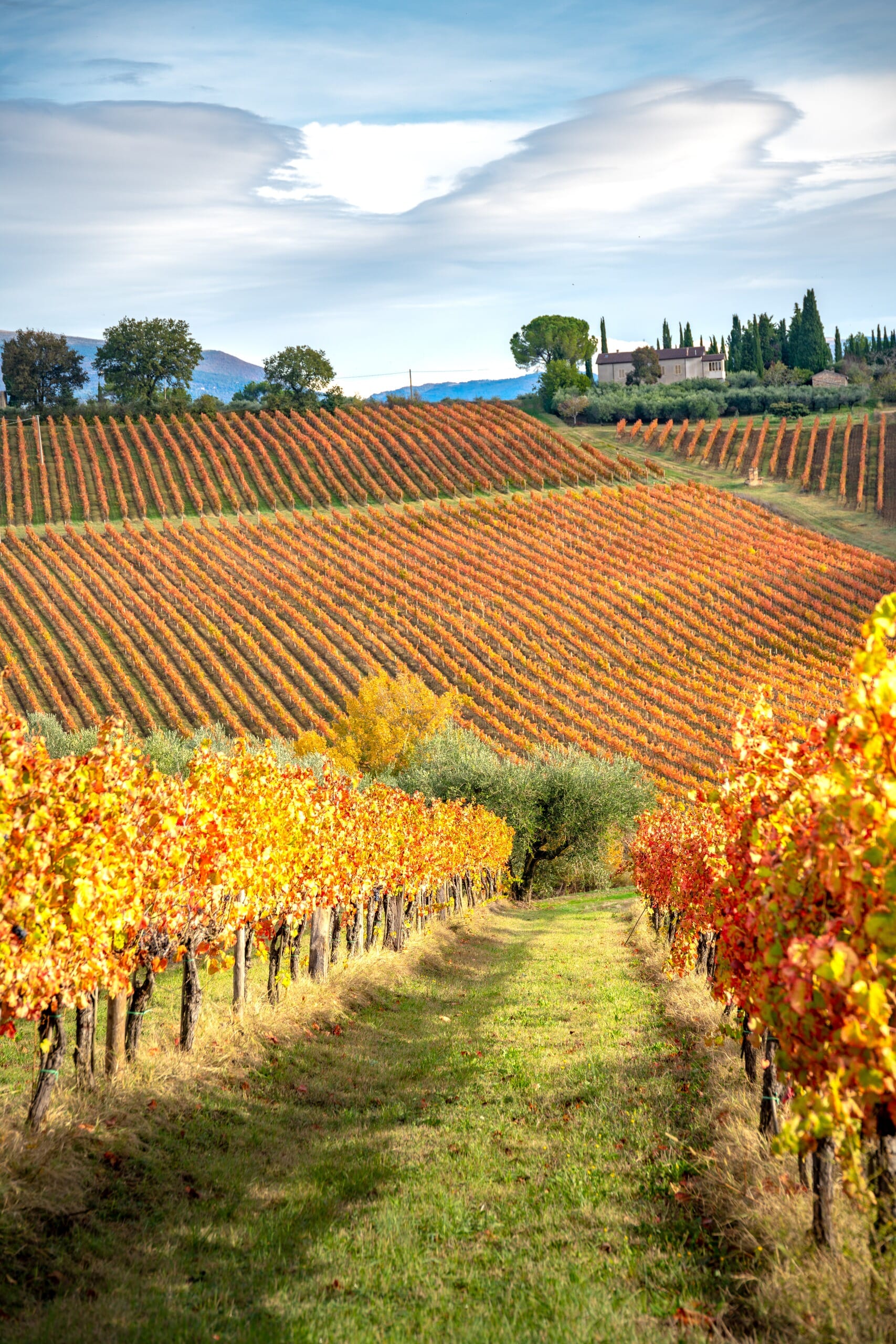
Montefalco, often called the ‘Balcony of Umbria,’ is perched on a hilltop, offering panoramic views of the rolling vineyards and olive groves that characterize the region’s landscape.
This medieval town is celebrated for its stunning vistas and rich wine tradition, particularly the renowned Sagrantino wine.
The town’s charming streets, adorned with historic churches and Renaissance buildings, lead to cozy trattorias and wine cellars, inviting visitors to savor Umbrian cuisine and viticulture flavors.
The journey to Montefalco is a perfect addition to any itinerary exploring the green heart of Italy, with its ancient towns and pastoral scenes setting the stage for Montefalco’s tranquil and enriching experience.
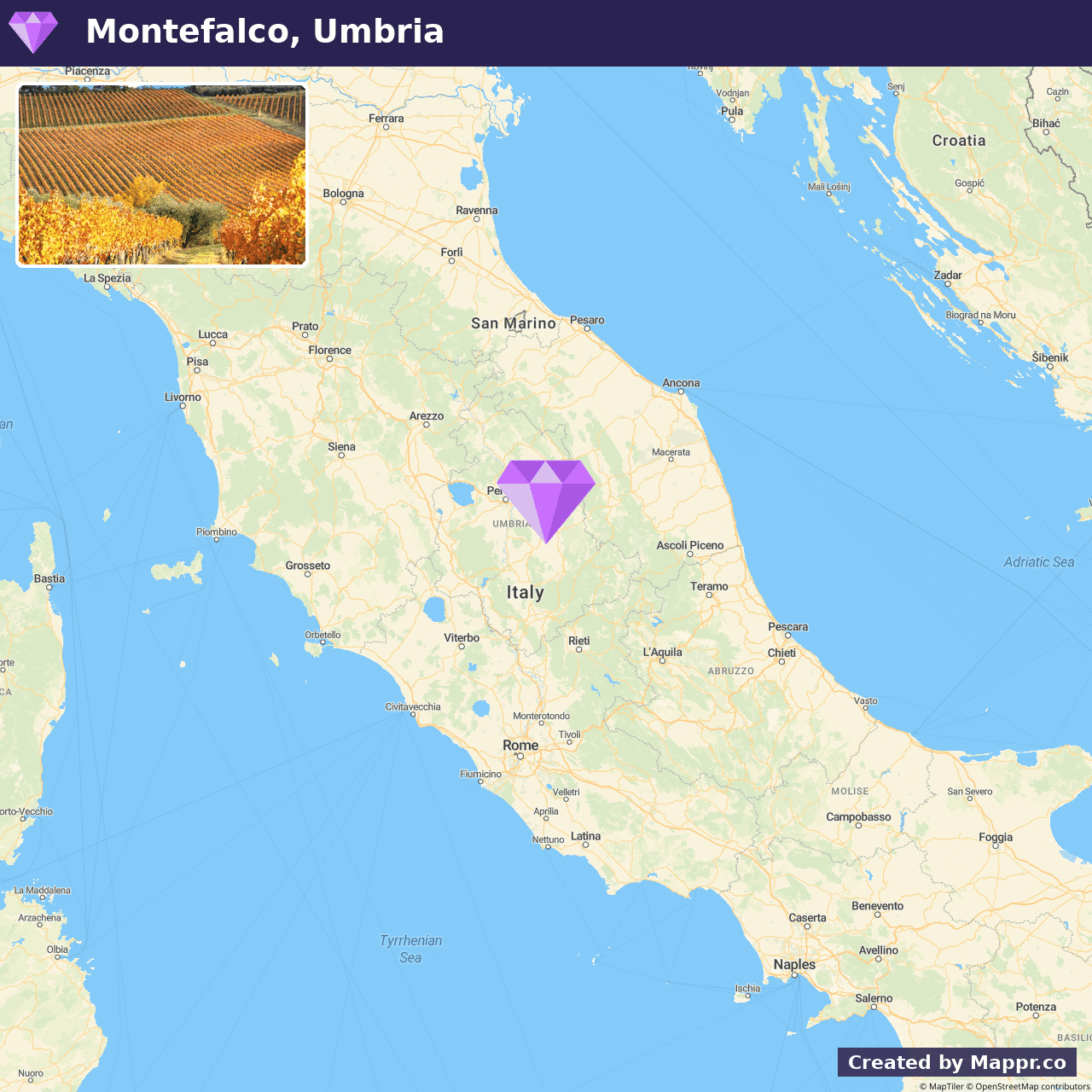
- ✈️ How to Get There: Montefalco is a short drive from Perugia or Assisi, with well-maintained roads weaving through Umbria’s picturesque countryside to this hilltop wine town.
- 🏨 Where to Stay: Check recommended places to stay in Montefalco.
20. Tellaro, Liguria
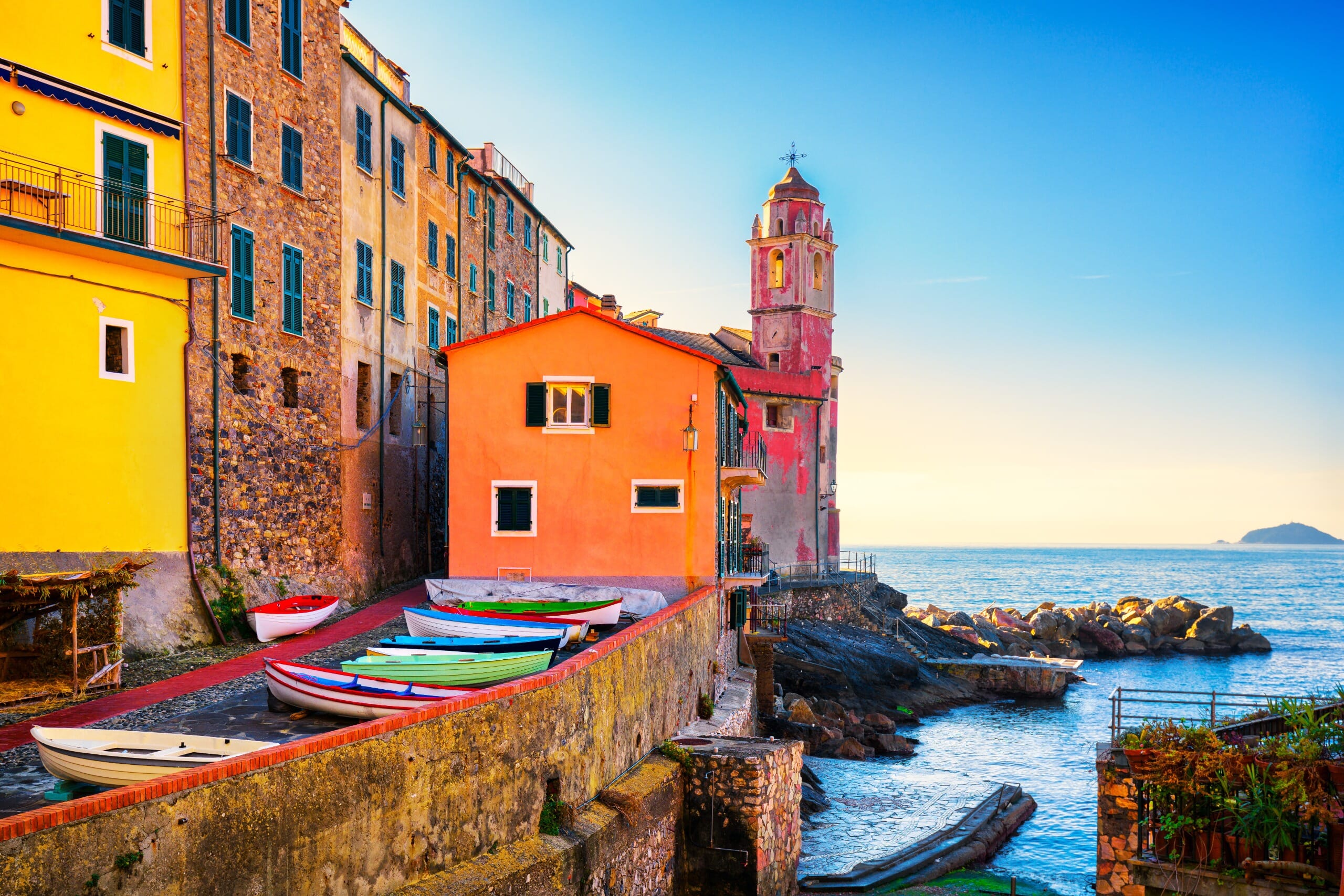
Tellaro is a hidden gem on the Ligurian coast, often overshadowed by the famed Cinque Terre but equally captivating with its colorful houses, narrow alleys, and stunning sea views.
This quaint fishing village, perched on a rocky promontory, offers a tranquil retreat with its picturesque harbor, lovely church overlooking the sea, and inviting waterfront restaurants.
The village’s charm lies in its serene atmosphere, allowing visitors to experience the idyllic Ligurian lifestyle away from the crowds.
Situated at the eastern end of the Gulf of Poets, the journey to Tellaro reveals the dramatic beauty of Liguria’s coastline, with its cliffs, coves, and azure waters.
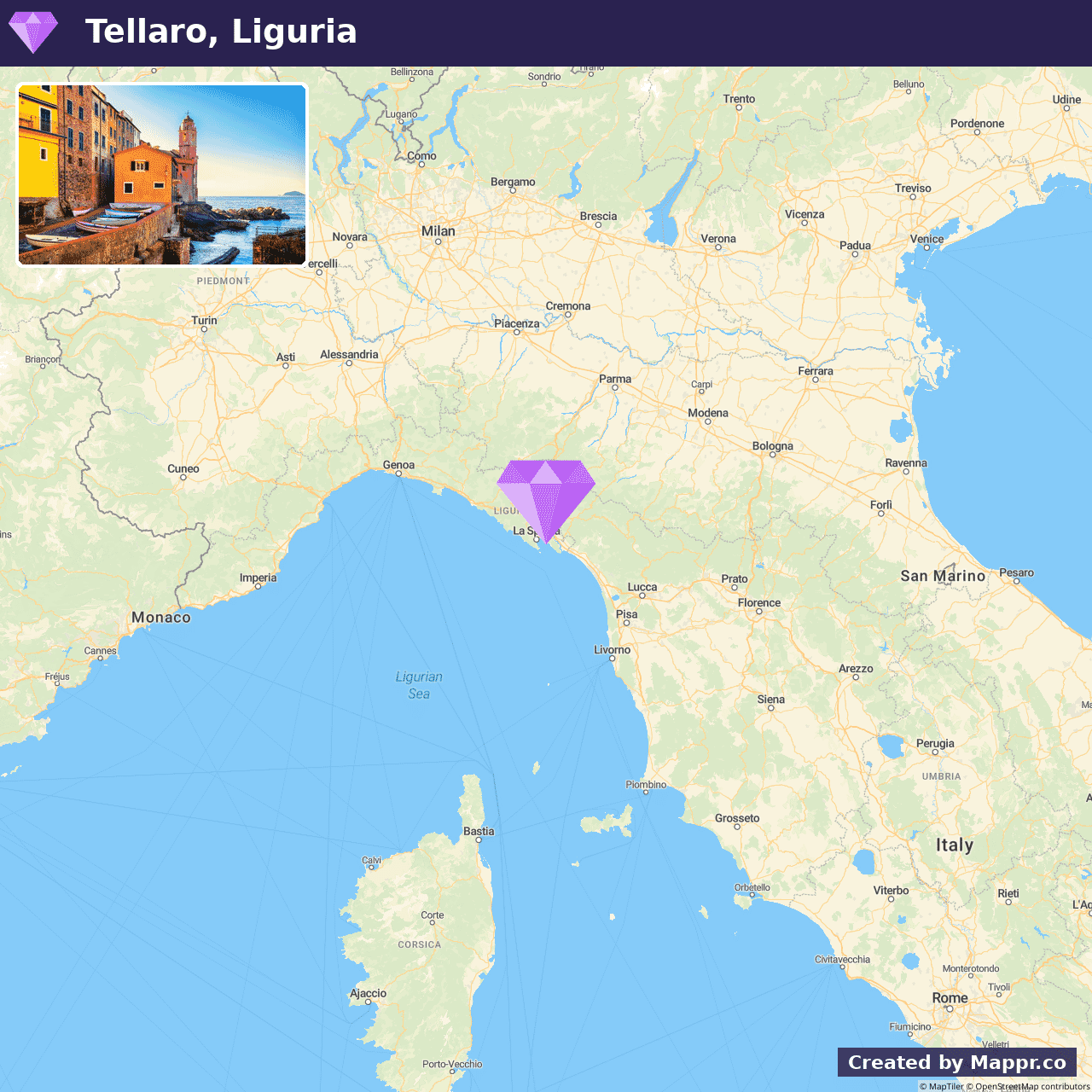
- ✈️ How to Get There: Tellaro can be reached by car from La Spezia, with a picturesque route that hugs the Ligurian coast, offering stunning views and a serene approach to the village.
- 🏨 Where to Stay: Check recommended places to stay in Tellaro.
21. Castelsardo, Sardinia
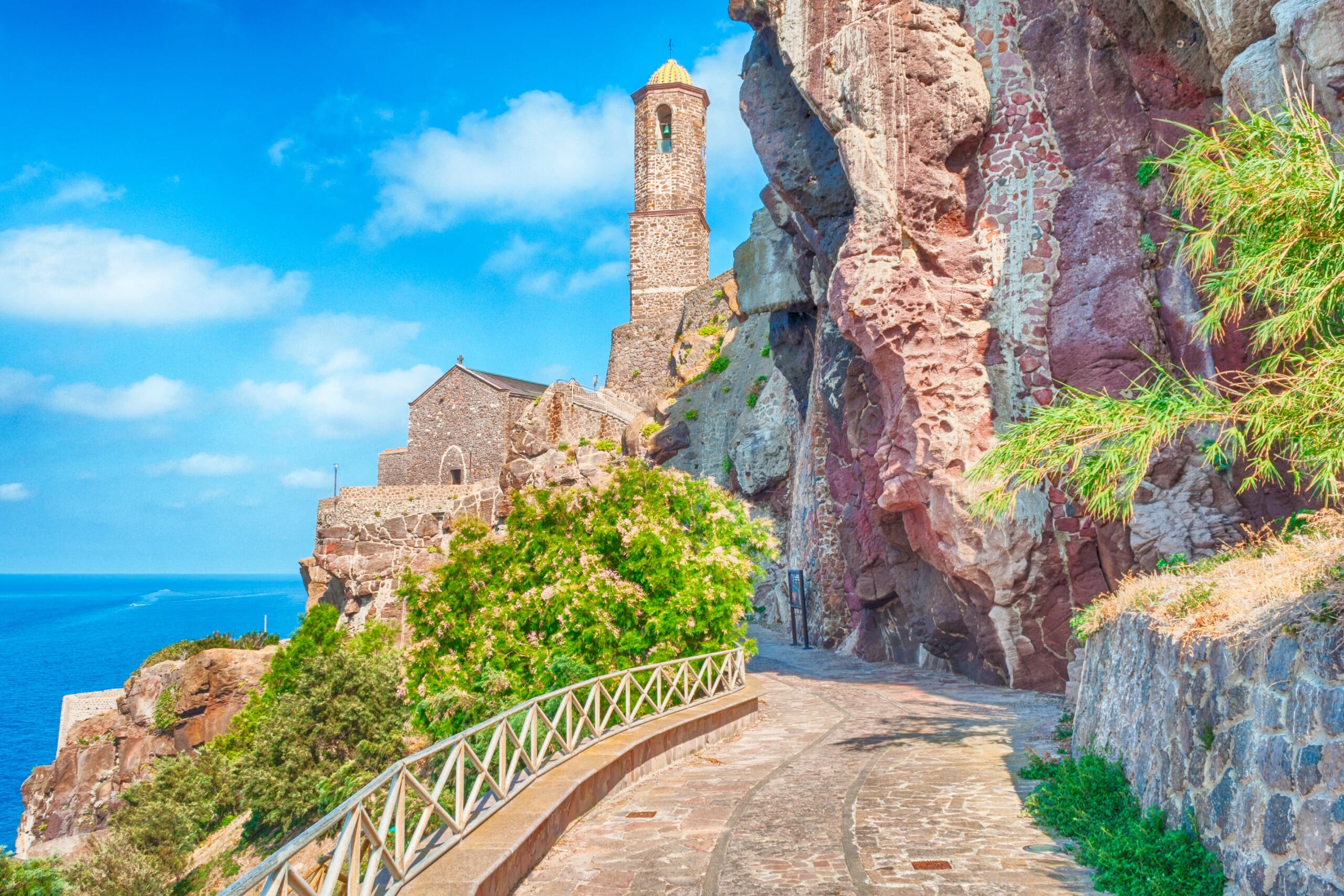
Castelsardo is a captivating coastal town in Sardinia, known for its medieval castle, vibrant historic center, and stunning views of the Mediterranean.
Perched on a rocky promontory, the town’s winding streets are lined with traditional shops, charming cafes, and colorful buildings leading up to the imposing Doria Castle.
Castelsardo’s rich history, beautiful beaches, and artisanal craft traditions, particularly basket weaving, make it a unique destination that offers a glimpse into Sardinia’s cultural heritage and natural beauty.
Located on the north coast of Sardinia, Castelsardo is a compelling stop on any Sardinian itinerary.
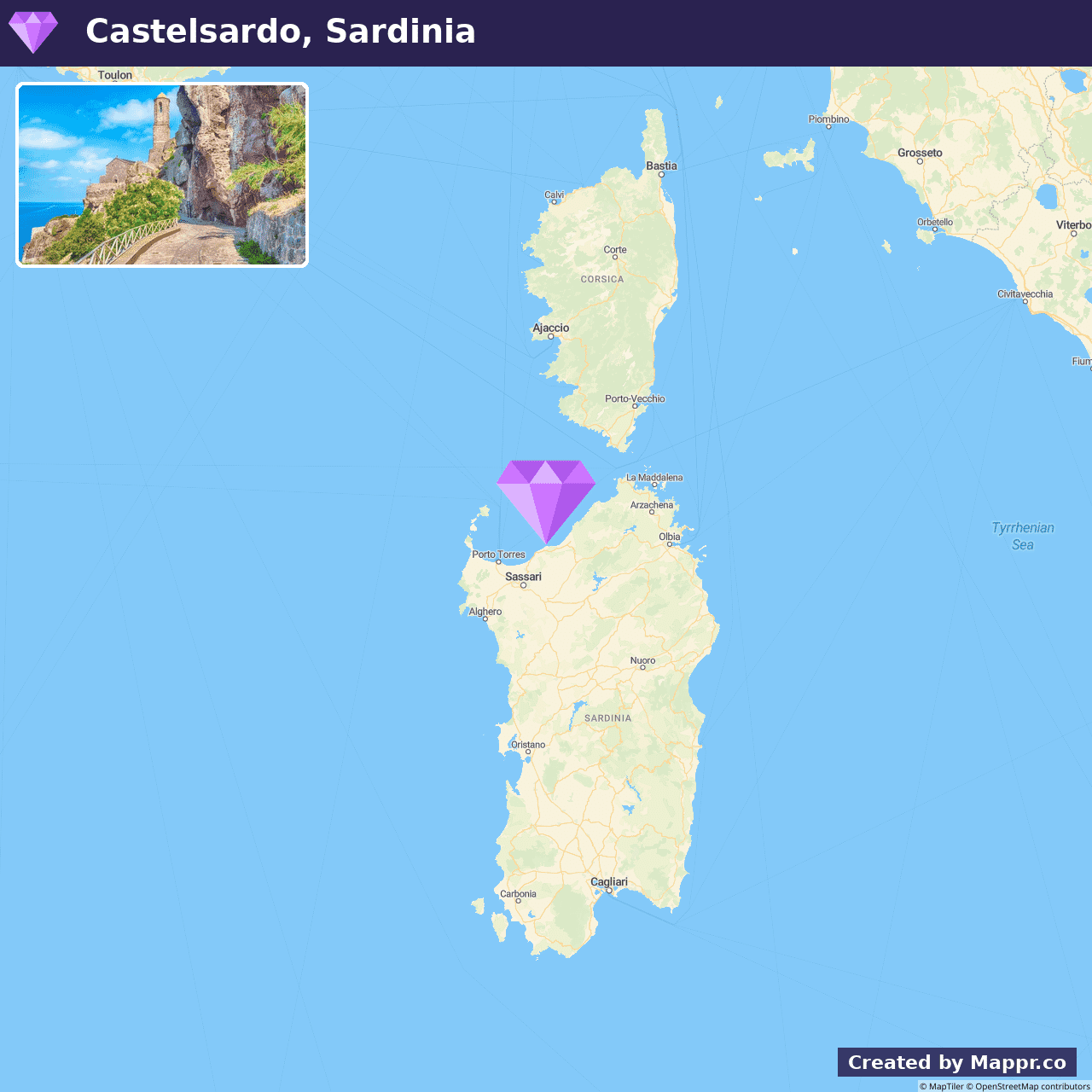
- ✈️ How to Get There: Castelsardo is a straightforward drive from Sassari or Porto Torres, with routes that offer beautiful views of Sardinia’s northern coastline and the Mediterranean.
- 🏨 Where to Stay: Check recommended places to stay in Castelsardo.
22. Scilla, Calabria
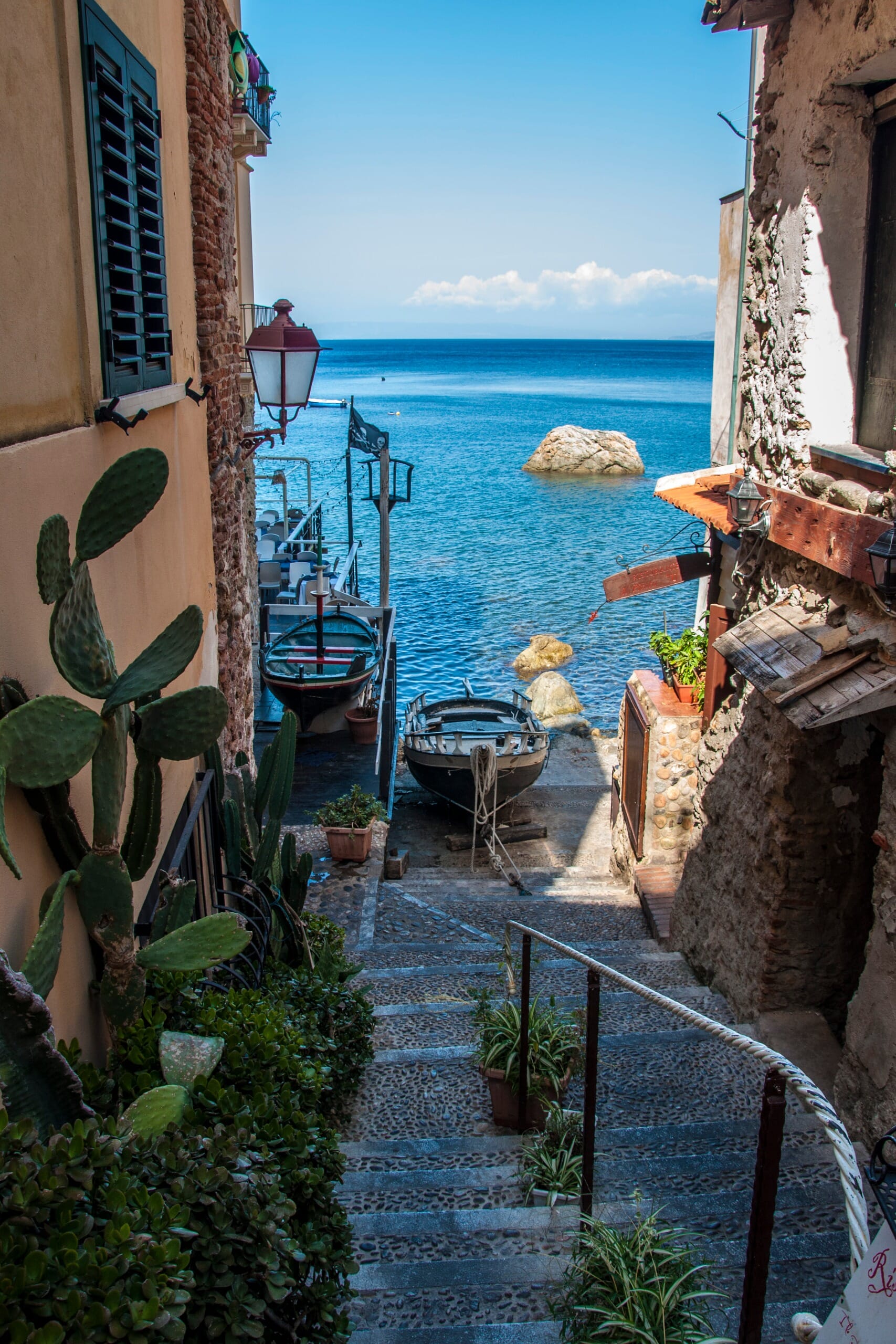
Scilla, nestled on the coast of Calabria, is a picturesque seaside town that captures the essence of Southern Italy’s charm with its legendary sea, ancient history, and vibrant lifestyle.
Known for its Ruffo Castle, perched above the Tyrrhenian Sea, and the enchanting fishing district of Chianalea, Scilla offers a blend of history, mythology, and natural beauty.
The town’s beaches, crystal-clear waters, and the mythical allure of Scylla and Charybdis from Homer’s Odyssey make it an irresistible destination for those seeking sun, sea, and stories.
The road to Scilla offers stunning sea views and leads to the warm welcome of Scilla’s beaches and historic streets.
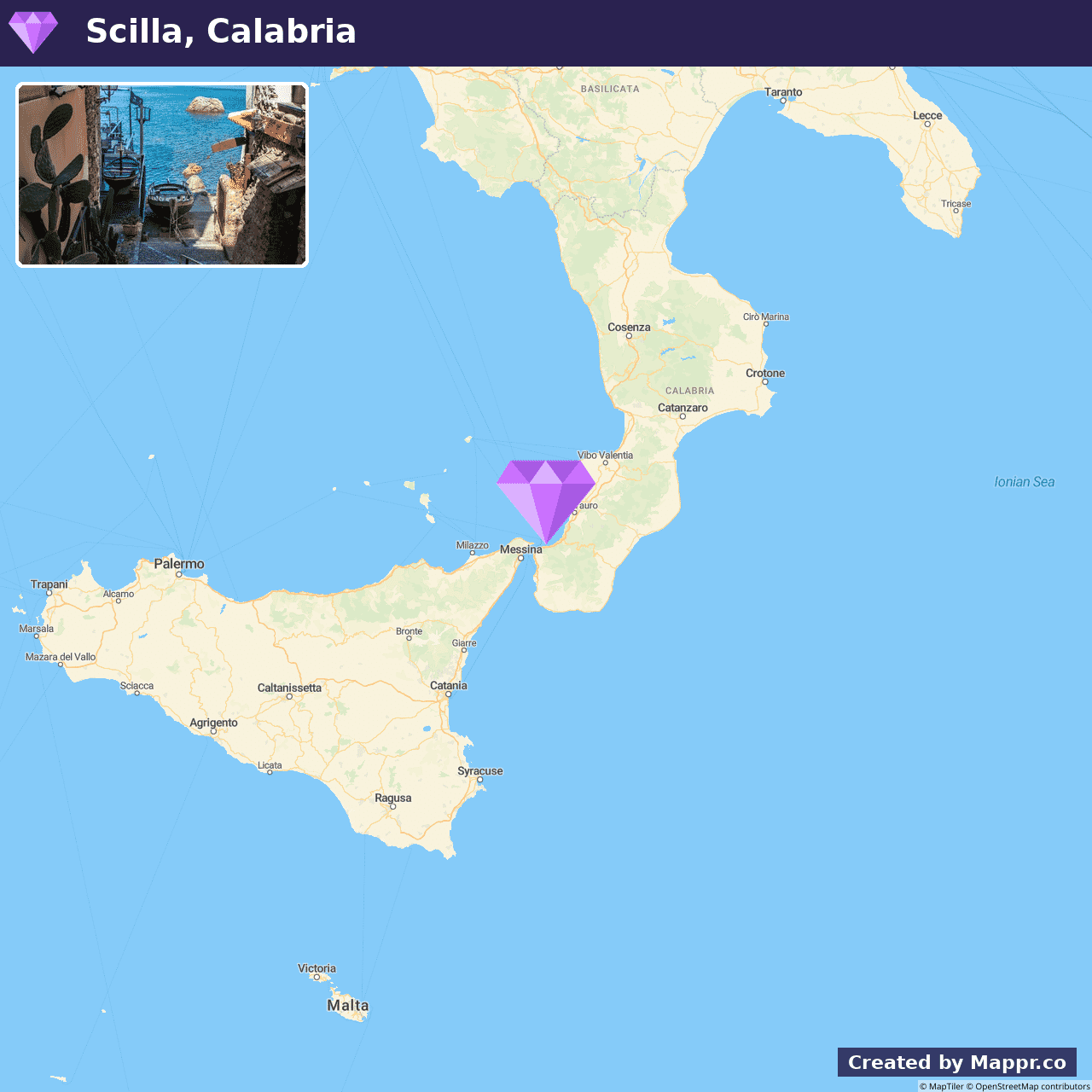
- ✈️ How to Get There: Scilla is just a short train ride or drive from Reggio Calabria, with the route offering picturesque views of Calabria’s Tyrrhenian coastline.
- 🏨 Where to Stay: Check recommended places to stay in Scilla.
23. Sovana, Tuscany
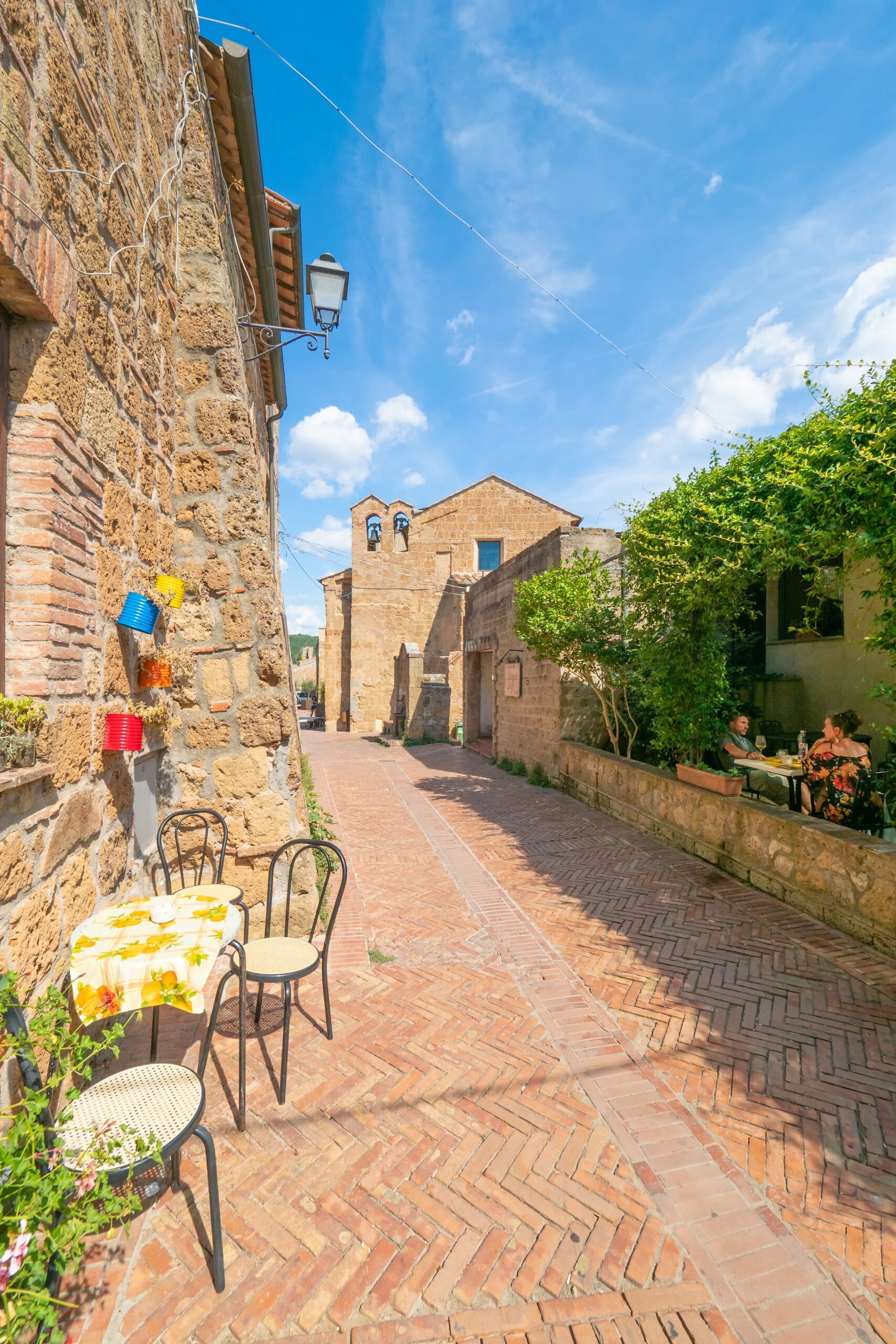
In the heart of Tuscany’s Maremma region lies Sovana, an enchanting village that seems untouched by time.
Renowned for its Etruscan tombs, medieval architecture, and the Romanesque Sovana Cathedral, this small town offers a deep dive into Italy’s rich history within a serene and picturesque setting.
Sovana’s cobblestone streets, lined with stone houses and historic buildings, lead to captivating archaeological sites, making it a haven for history enthusiasts and those seeking the tranquility of rural Tuscany.
The drive to Sovana is a delightful exploration of Tuscany’s lesser-known countryside, revealing the region’s natural beauty and historical depth.
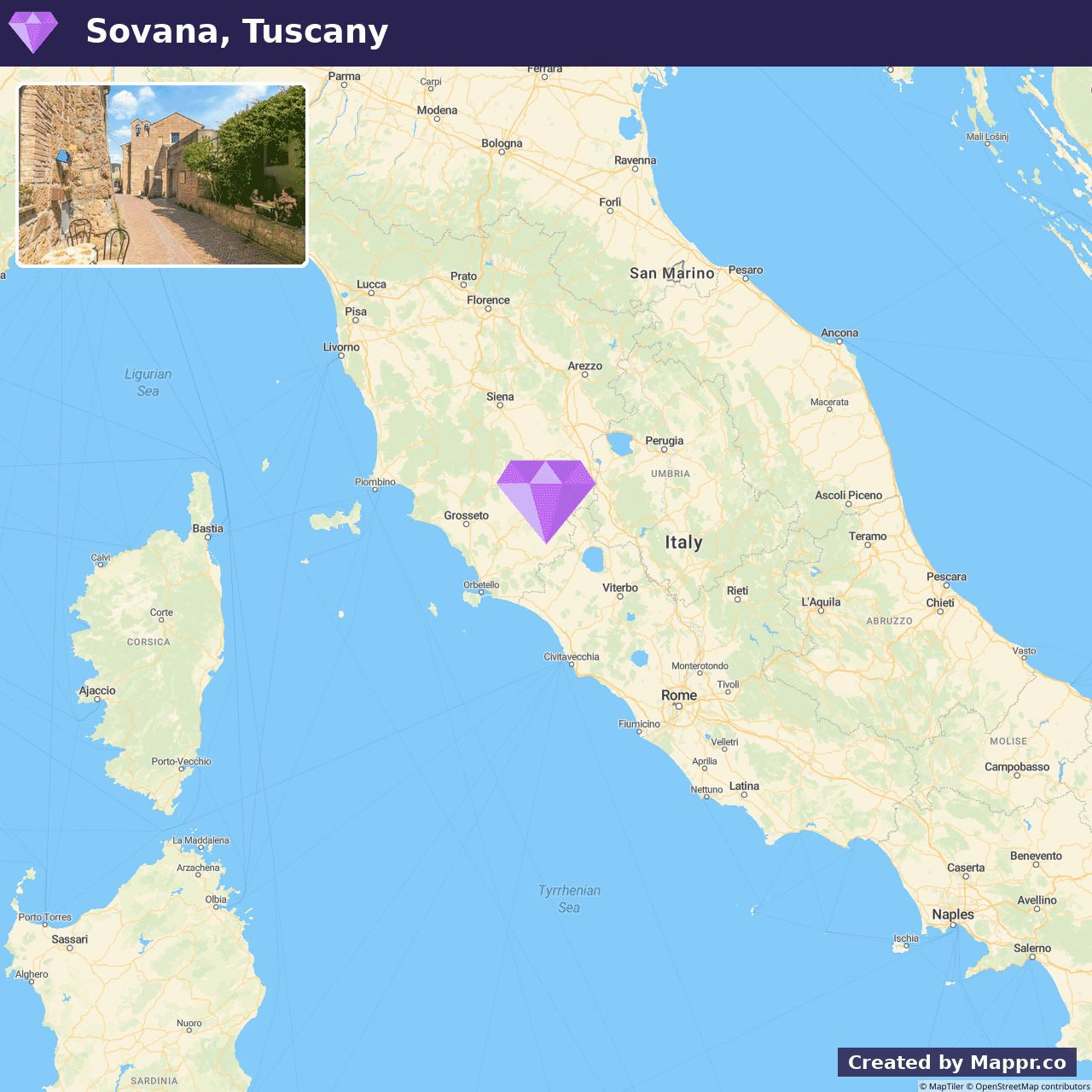
- ✈️ How to Get There: Sovana is a scenic drive away from Pitigliano or Grosseto, nestled in the tranquil countryside of Tuscany’s Maremma region, making it an ideal destination for a peaceful retreat into history and nature.
- 🏨 Where to Stay: Check recommended places to stay in Sovana.
24. Marzamemi, Sicily
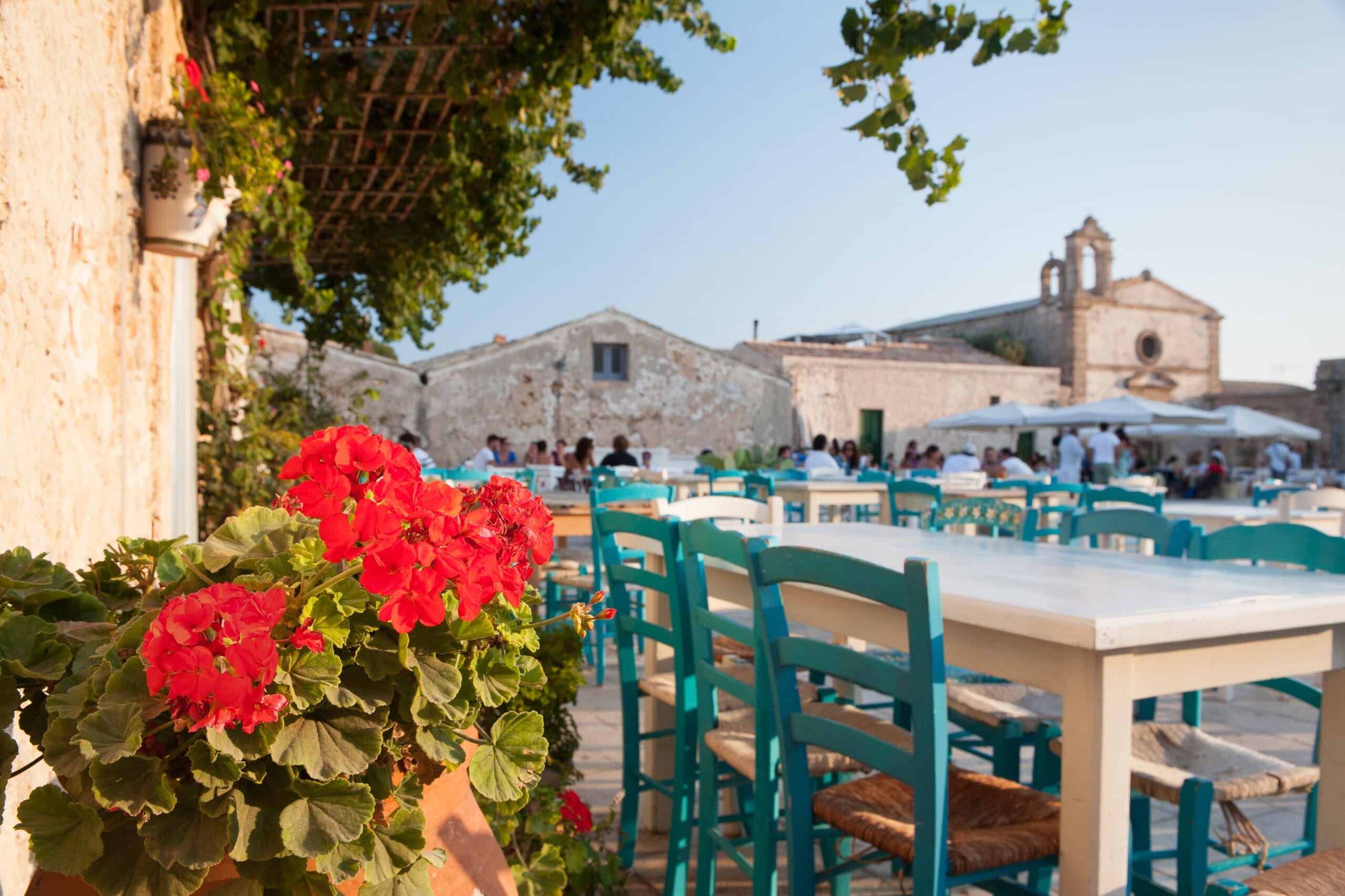
Marzamemi, a quaint fishing village on Sicily’s southeastern coast, captivates visitors with its historic charm, vibrant atmosphere, and stunning seaside views.
Famous for its picturesque Piazza Regina Margherita, lined with artisan shops and seafood restaurants. Marzamemi offers a glimpse into Sicily’s maritime heritage and contemporary artisanal crafts, especially its renowned tuna products.
The village’s crystal-clear waters, sandy beaches, and the annual film festival add to its allure, making Marzamemi a must-visit for those exploring Sicily’s diverse cultural and natural landscapes.
The drive to Marzamemi is a journey through southeastern Sicily’s rich history and stunning scenery, from its UNESCO-listed towns to its idyllic coastlines.
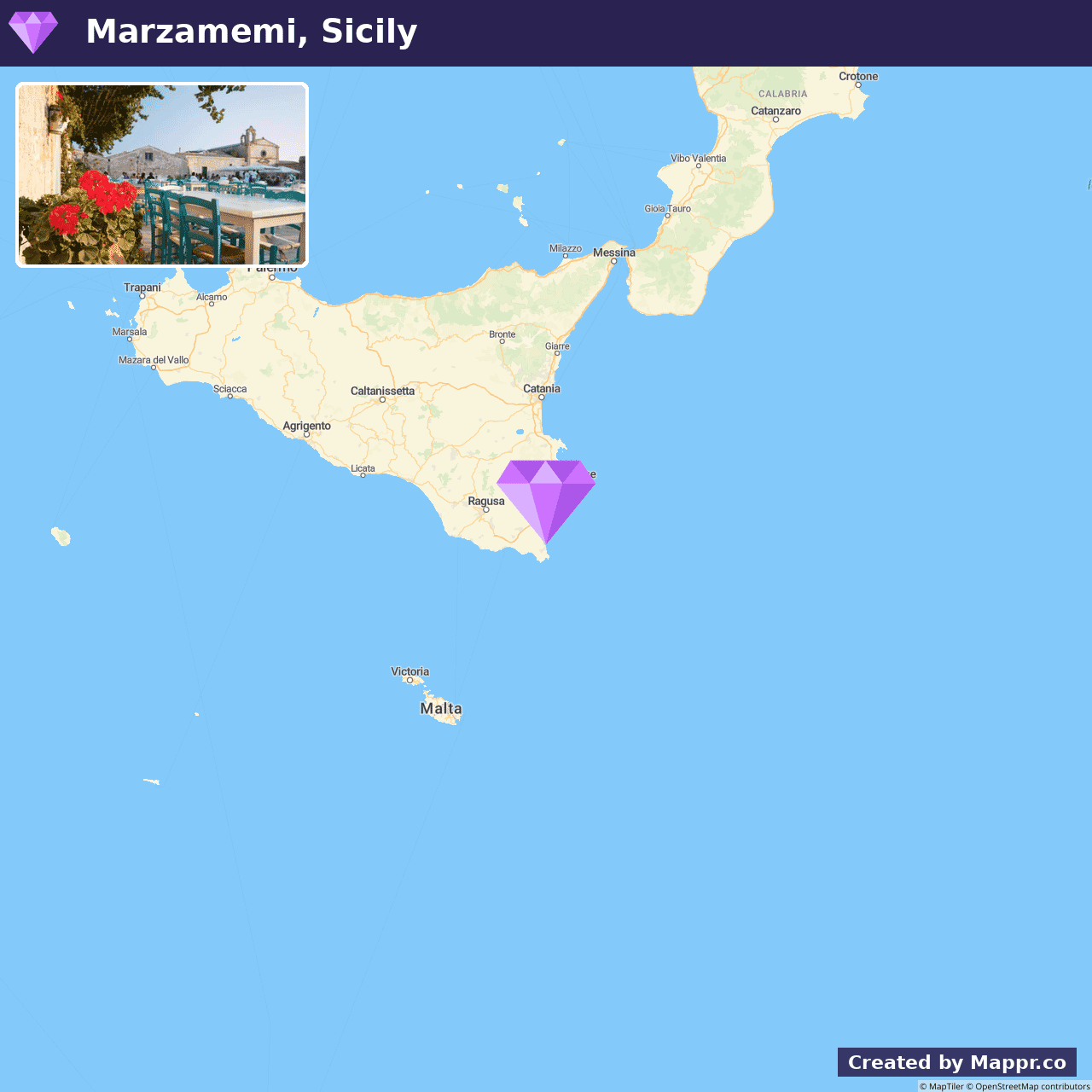
- ✈️ How to Get There: Located near the Baroque towns of Noto, Modica, and Ragusa, Marzamemi is easily accessible within a short drive from these towns and serves as a perfect complement to the architectural wonders of the region.
- 🏨 Where to Stay: Check recommended places to stay in Marzamemi.
25. Bobbio, Emilia-Romagna
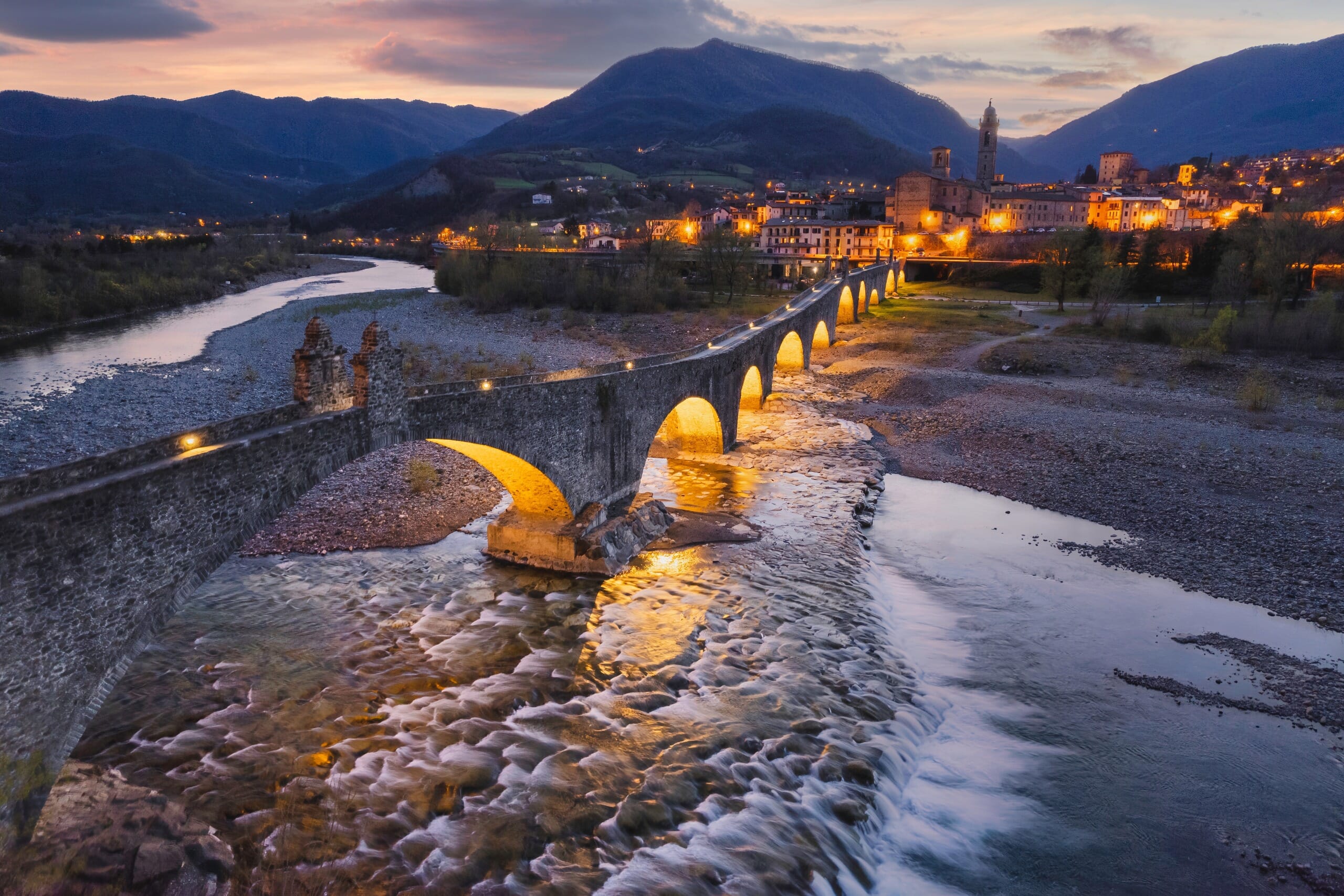
Bobbio, nestled in the Trebbia River valley in Emilia-Romagna, is a town steeped in history and natural beauty.
Known for its medieval bridge, the Ponte Gobbo, Bobbio is a mosaic of historical epochs, from its Roman origins to its significance in the Middle Ages as a monastic center.
The town’s Abbey of San Colombano, historic library, and charming cobblestone streets invite exploration. At the same time, the surrounding Apennine landscape offers hiking, cycling, and the chance to discover hidden waterfalls and scenic vistas.
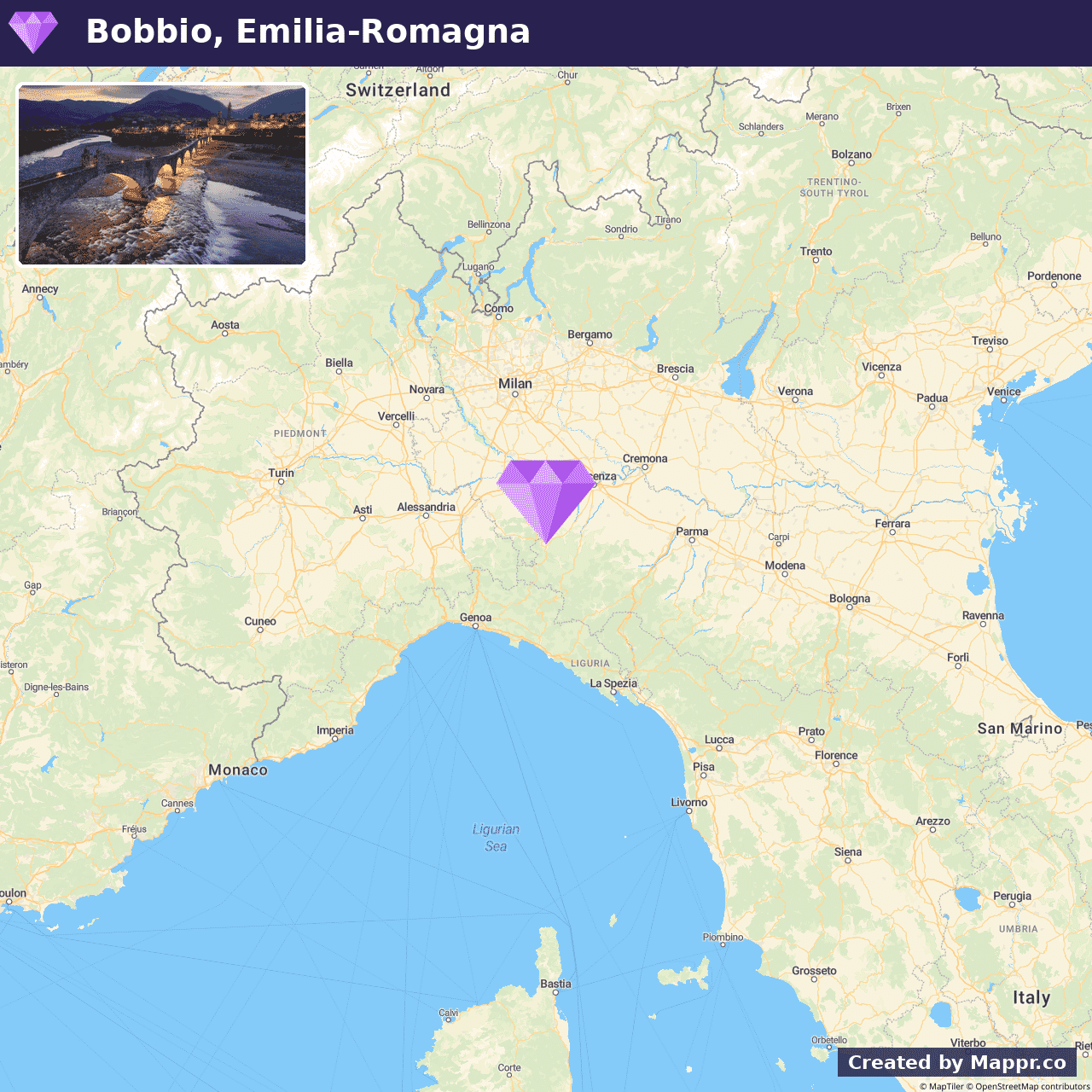
- ✈️ How to Get There: Bobbio is accessible by car from Piacenza, with a scenic route that follows the Trebbia River through the picturesque valleys of Emilia-Romagna.
- 🏨 Where to Stay: Check recommended places to stay in Bobbio.
26. Cefalù, Sicily
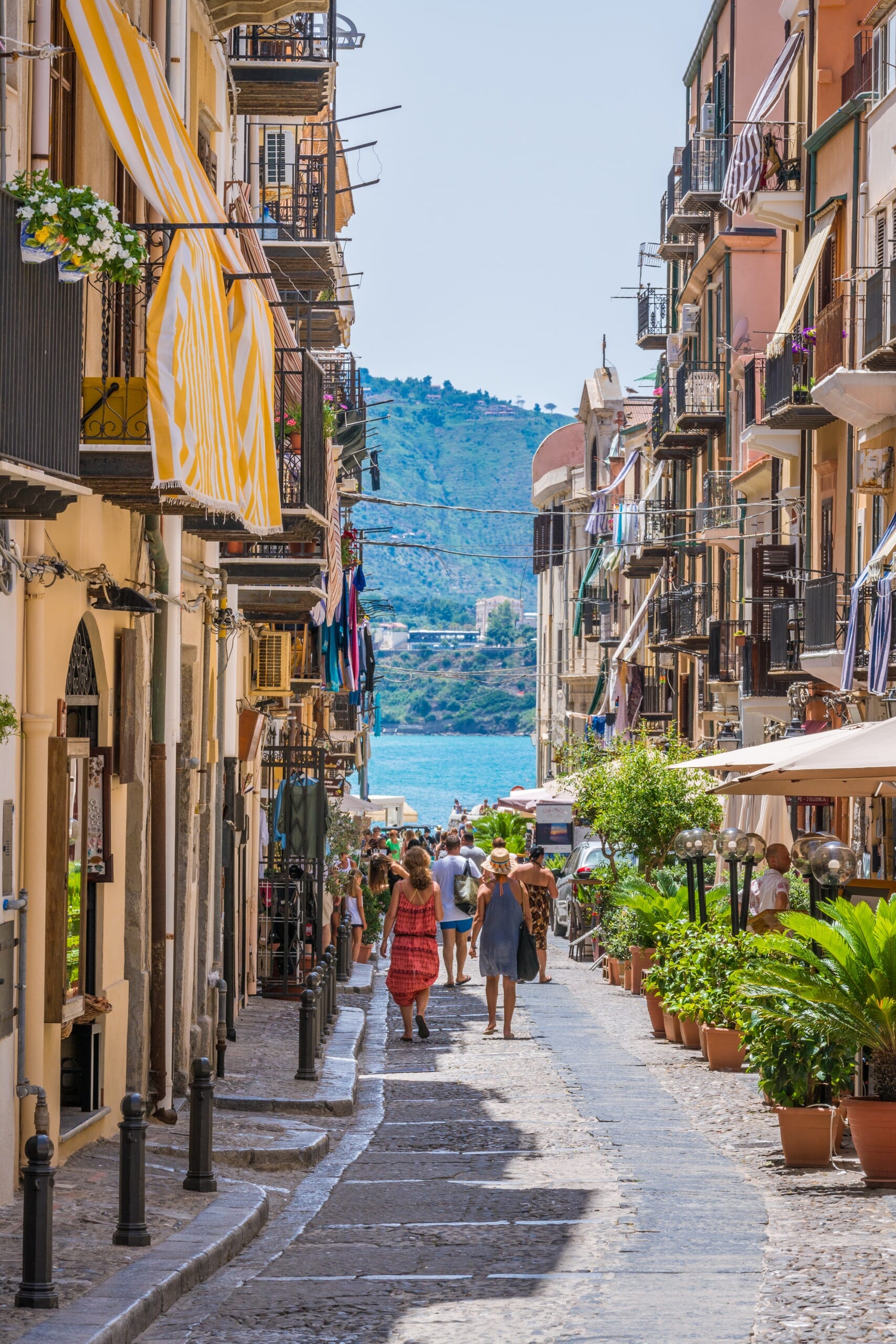
Cefalù is renowned for its stunning Norman cathedral, picturesque medieval streets, and beautiful sandy beaches. Nestled at the foot of a towering rock, the town offers a perfect blend of cultural heritage, natural beauty, and Sicilian charm.
Visitors can explore the Lavatoio Medievale (medieval washhouse), wander through the bustling piazzas, and enjoy the vibrant atmosphere of this seaside gem.
The clear blue waters of the Tyrrhenian Sea make Cefalù a popular destination for sunbathers and water sports enthusiasts.
The journey to Cefalù along the coast offers breathtaking views of Sicily’s rugged landscapes and the sparkling sea.
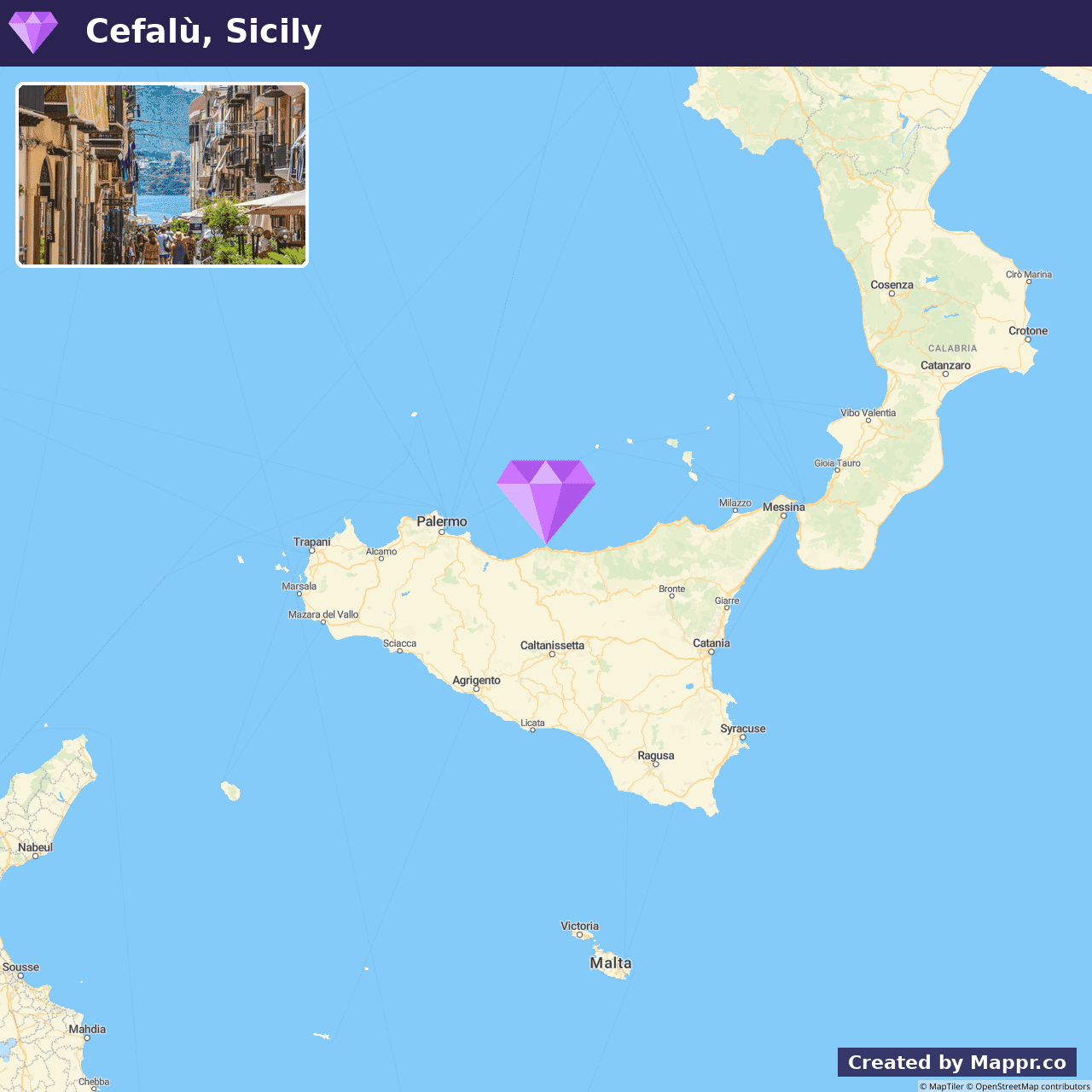
- ✈️ How to Get There: Cefalù is just a short train or car ride from Palermo, with direct connections that make reaching this picturesque coastal town easy.
- 🏨 Where to Stay: Check recommended places to stay in Cefalù.
27. Brisighella, Emilia-Romagna
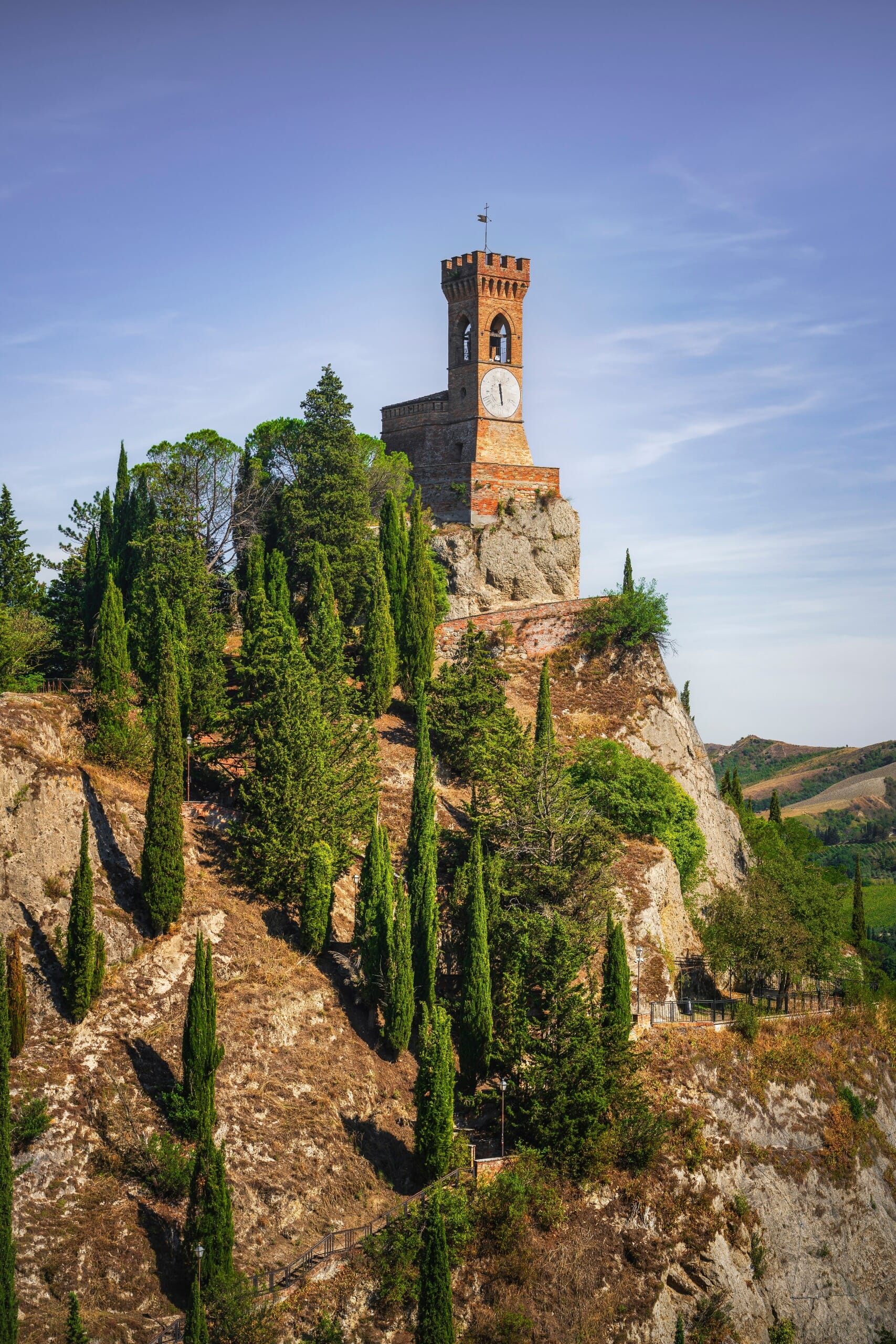
Brisighella is a charming medieval village in the Lamone Valley of Emilia-Romagna, known for its unique Via degli Asini (Donkey Street), ancient thermal baths, and surrounding olive groves.
The village’s three hills, topped by a fortress, a clock tower, and a sanctuary, provide a dramatic backdrop to the well-preserved historical center, where visitors can wander through narrow streets and discover artisan shops, traditional restaurants, and local wine cellars.
The scenic drive to Brisighella through the Apennines reveals the region’s stunning landscapes and agricultural bounty.
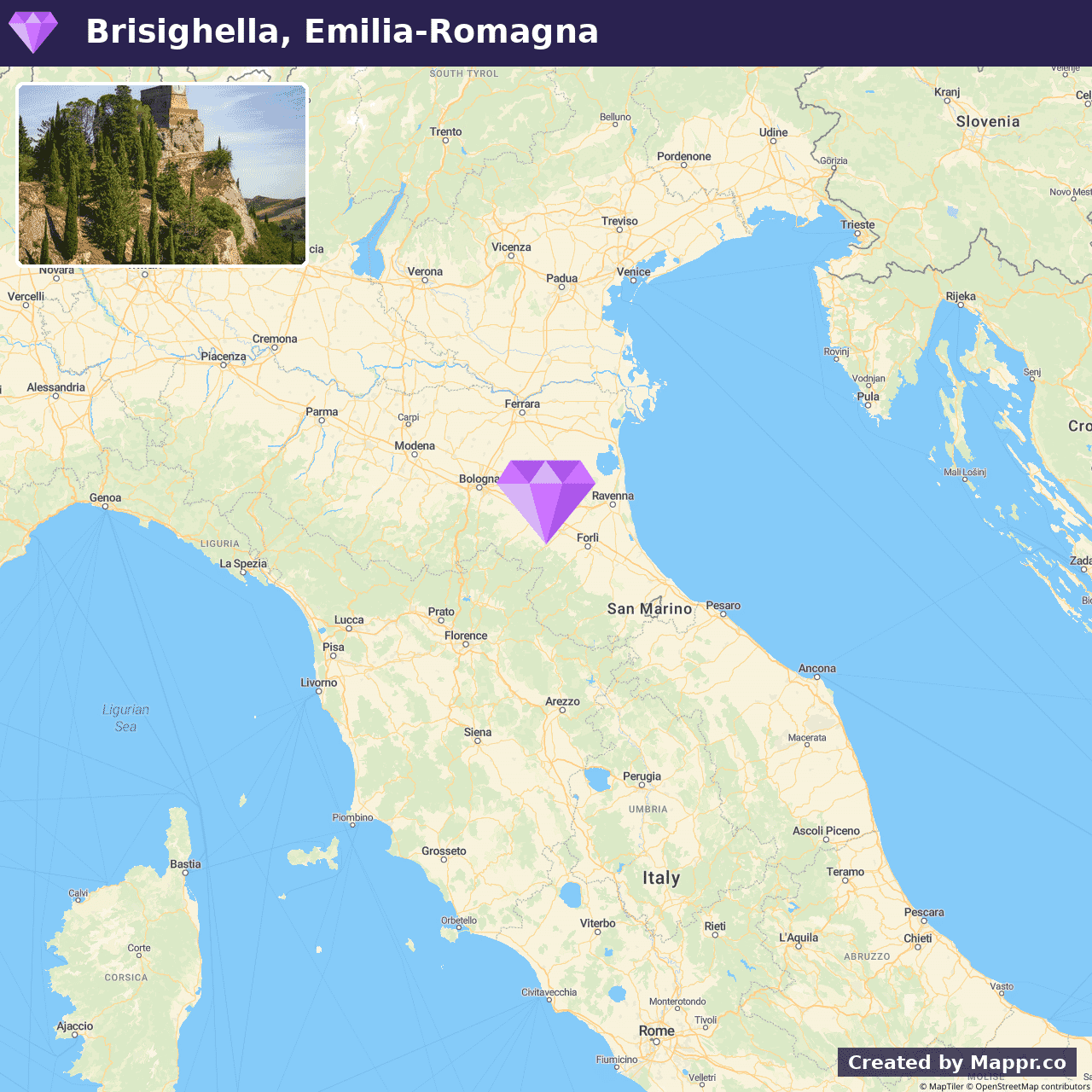
- ✈️ How to Get There: Brisighella is easily accessible by car from Faenza, with a scenic journey that takes visitors through the picturesque countryside of Emilia-Romagna.
- 🏨 Where to Stay: Check recommended places to stay in Brisighella.
28. Monte Isola, Lombardy
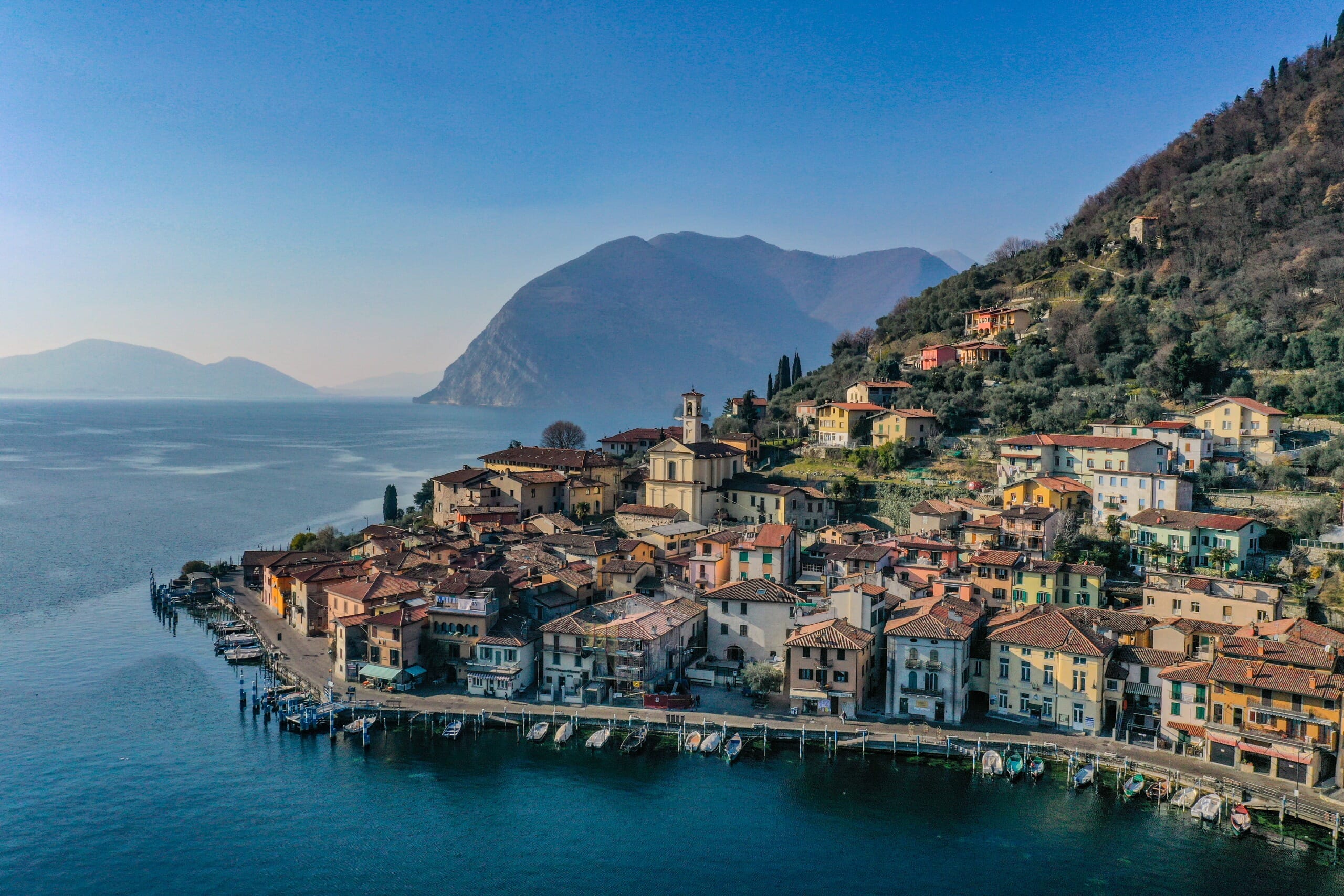
Monte Isola is the largest lake island in Italy, situated in the heart of Lake Iseo in Lombardy. This enchanting island is characterized by its lush greenery, quaint fishing villages, and scenic walking paths that offer panoramic views.
With largely restricted motor vehicles, Monte Isola offers a peaceful retreat from the hustle and bustle of modern life, inviting visitors to explore its natural beauty and traditional way of life by foot or bike.
The ferry ride to the island is a delightful experience, offering a stunning and unique opportunity to approach this tranquil oasis by water.
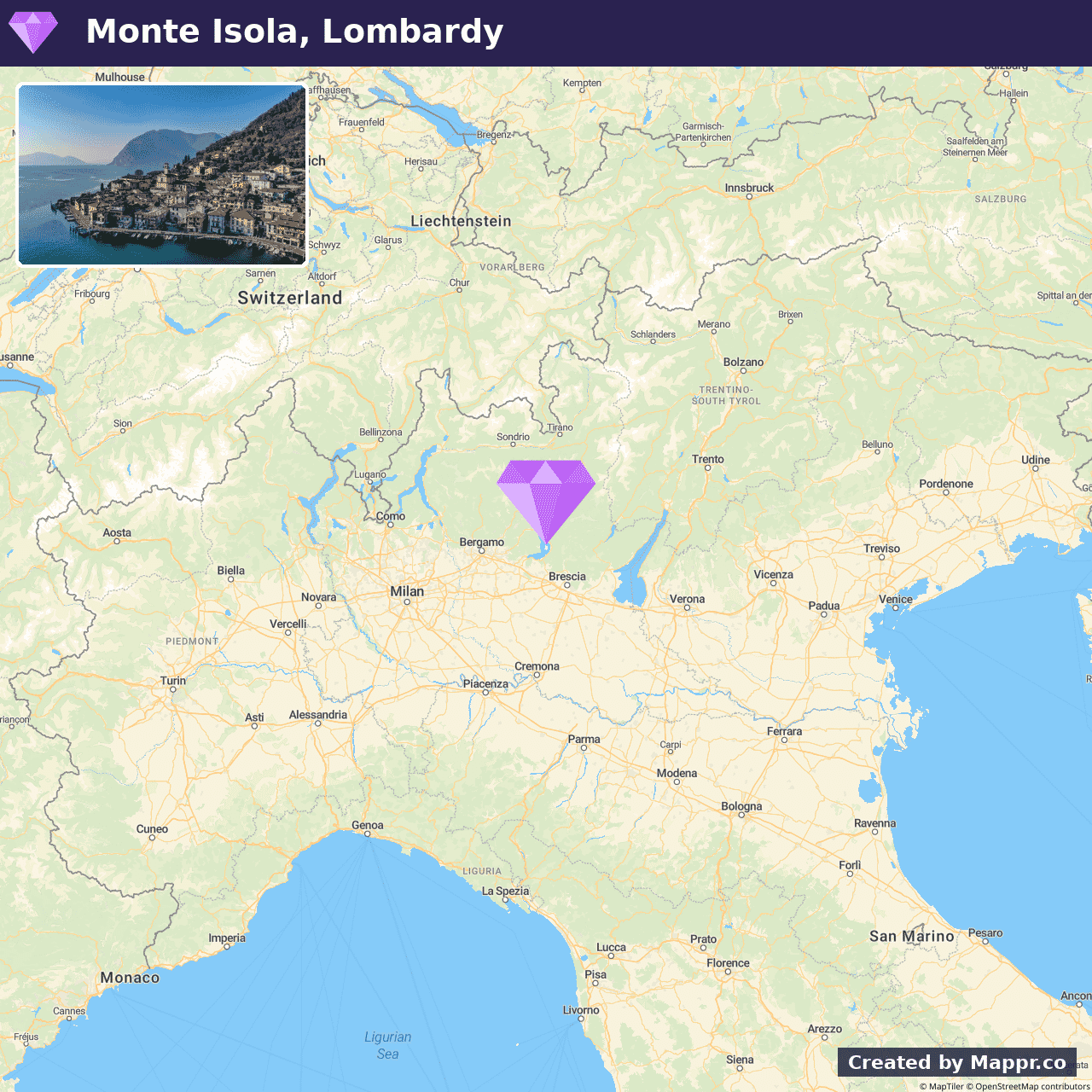
- ✈️ How to Get There: Monte Isola can be reached by a short ferry from Sulzano or Iseo, providing a scenic and relaxing way to access this beautiful lake island.
- 🏨 Where to Stay: Check recommended places to stay in Monte Isola.
29. Favignana, Sicily
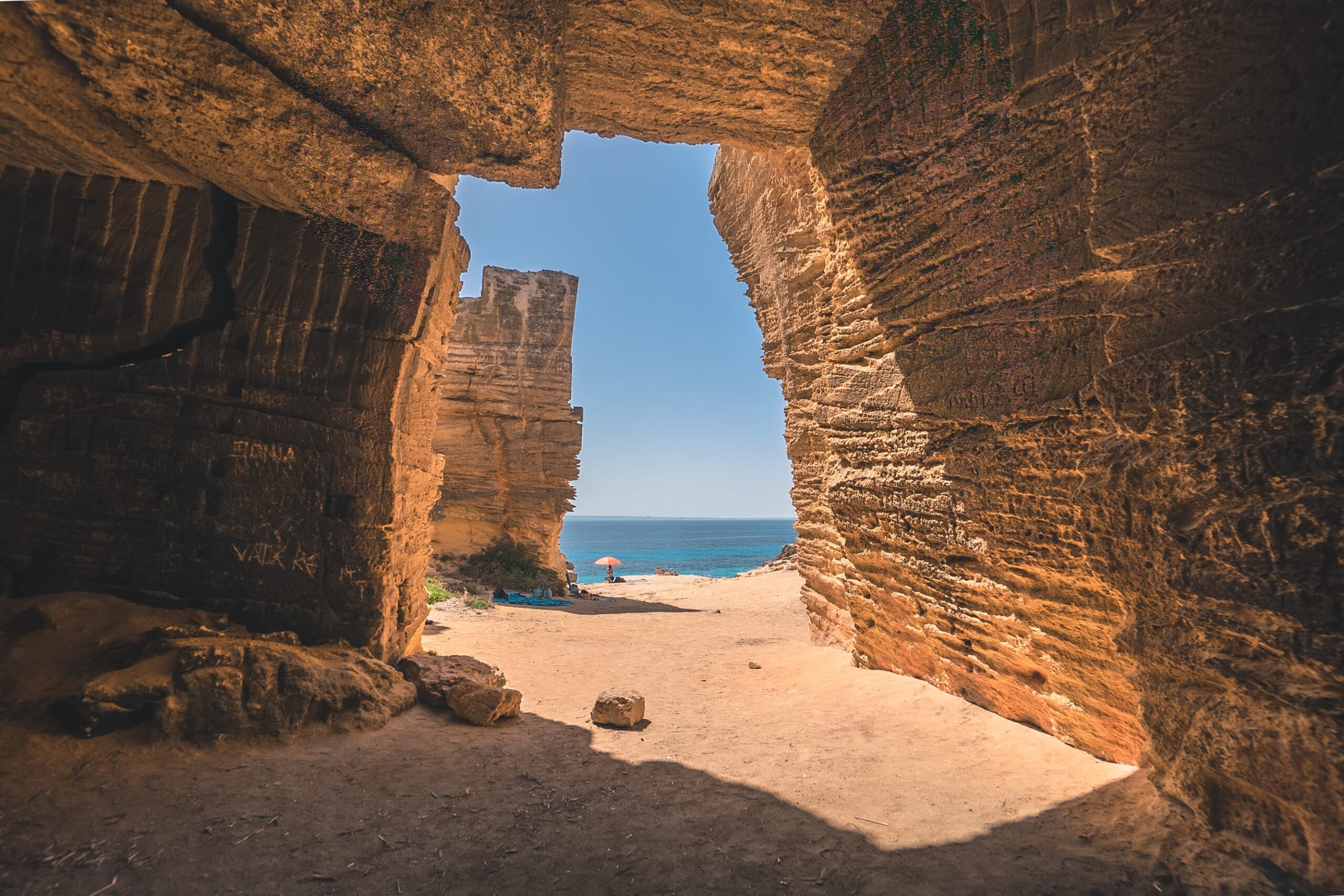
Favignana, the largest of the Egadi Islands off the western coast of Sicily, is famed for its crystal-clear waters, secluded coves, and history. The island’s rugged coastline, dotted with hidden beaches and ancient tuna fisheries, invites exploration on land and at sea.
Favignana’s laid-back atmosphere, natural beauty, and historical sites, including the Castello di Santa Caterina, make it a captivating destination for those seeking relaxation and adventure.
On your way to Favignana, you’ll come across the azure waters of the Mediterranean, offering a refreshing start to any visit.
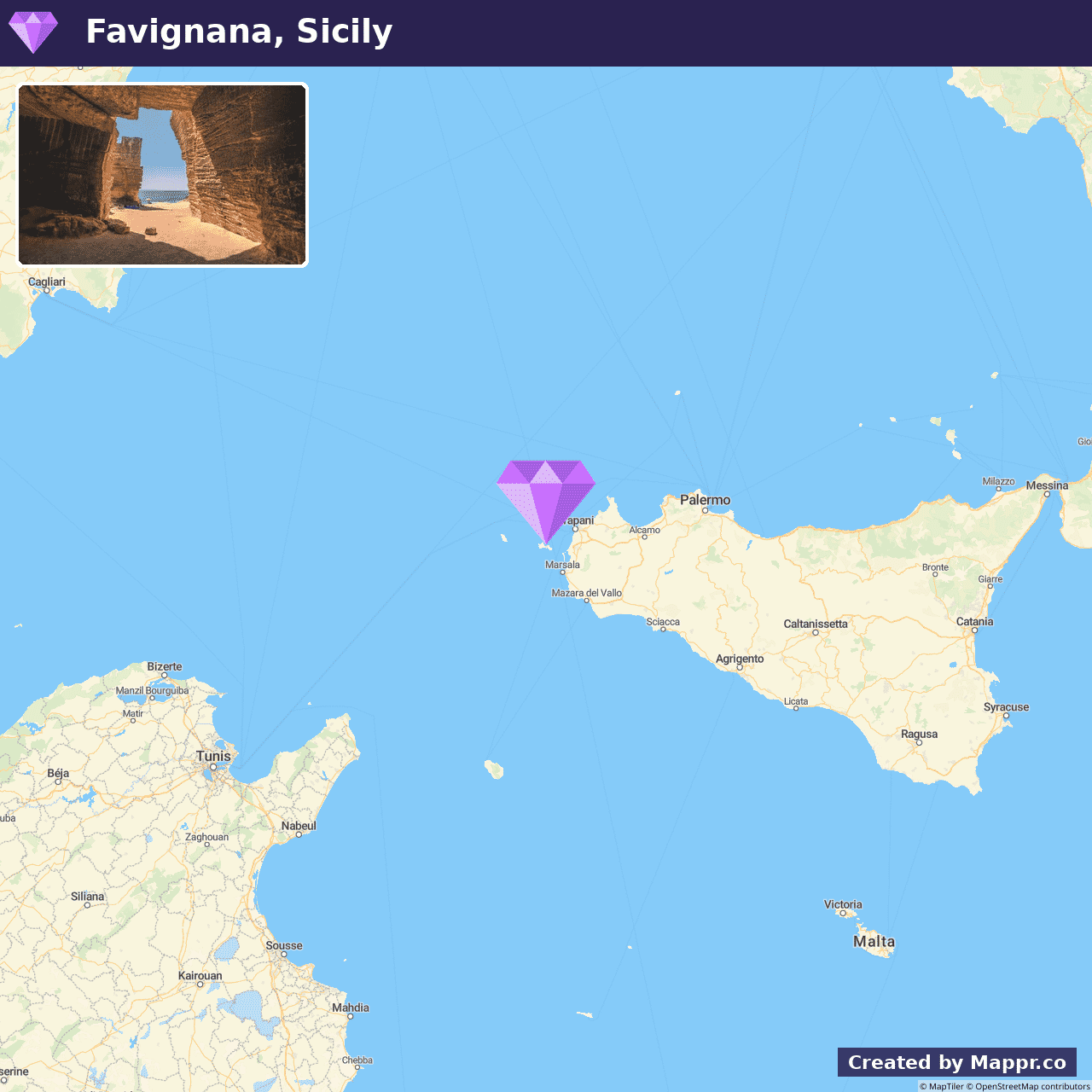
- ✈️ How to Get There: Favignana is a short ferry ride from Trapani, making it easily reachable for a day trip or a longer stay on this enchanting Sicilian island.
- 🏨 Where to Stay: Check recommended places to stay in Favignana.
30. Portovenere, Liguria
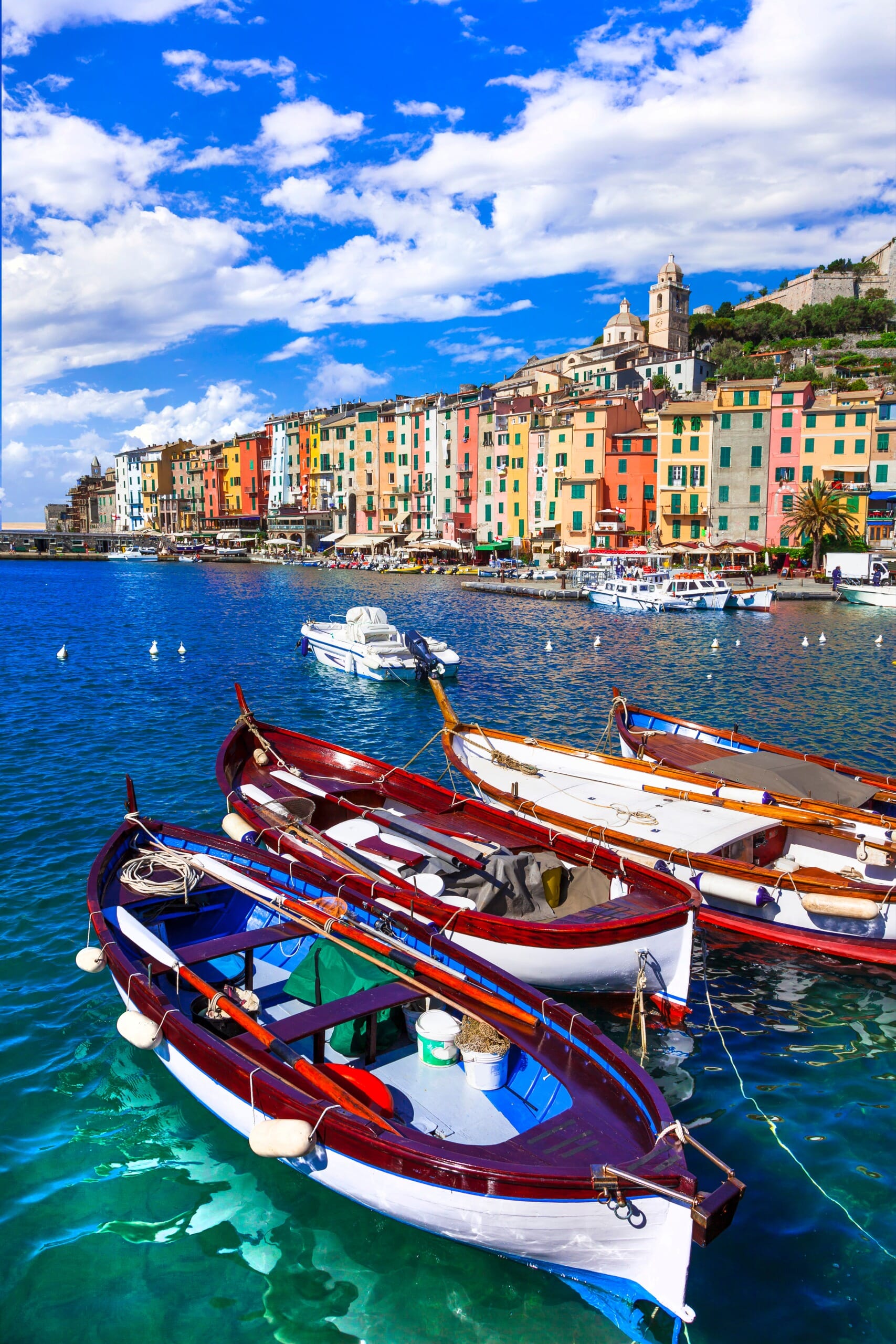
Portovenere, located at the tip of the Ligurian coast near the Cinque Terre, is a picturesque harbor town known for its colorful houses, historic churches, and the imposing Doria Castle.
The narrow streets lead to the beautiful waterfront, offering views of Palmaria Island and the sparkling Ligurian Sea. The Church of San Pietro perched on a rocky promontory, and the Grotta di Byron, named after the poet Lord Byron, are must-visit spots for their breathtaking vistas and cultural significance.
Portovenere provides a quieter alternative to the bustling Cinque Terre, with equally stunning landscapes and a rich maritime heritage.
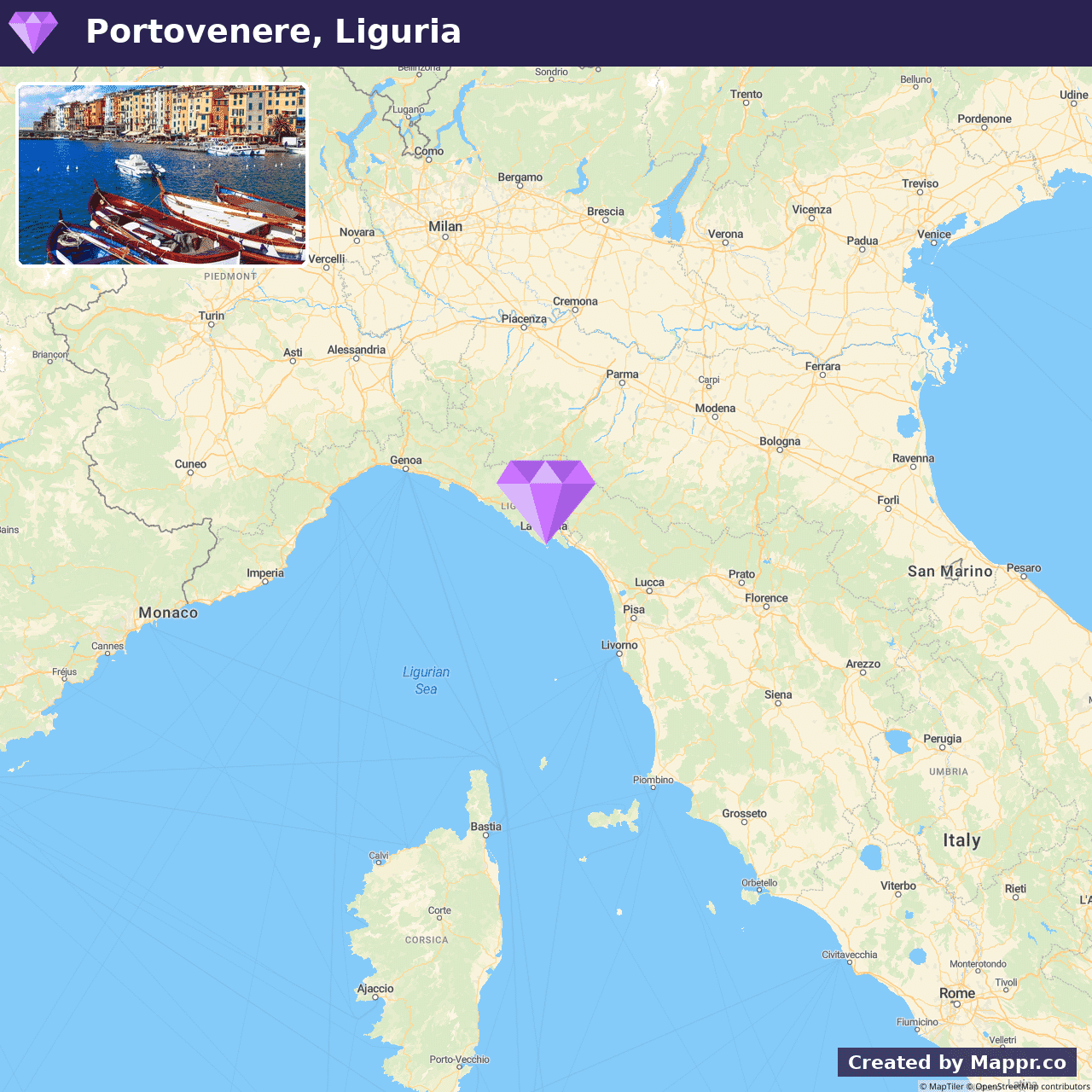
- ✈️ How to Get There: Portovenere is reachable by ferry from La Spezia, offering a scenic journey along the Gulf of Poets to this enchanting Ligurian town.
- 🏨 Where to Stay: Check recommended places to stay in Portovenere.
31. Saluzzo, Piedmont
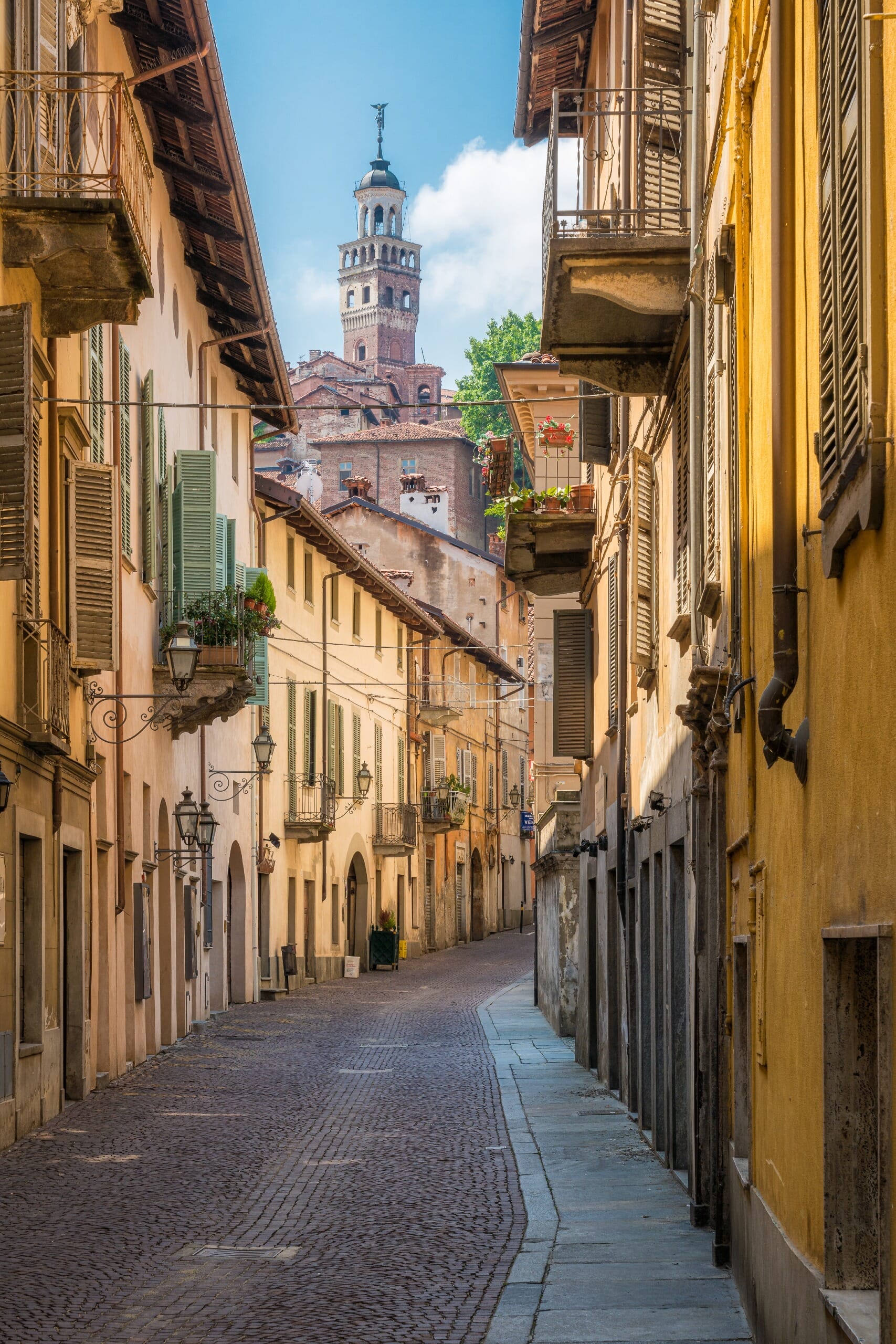
Saluzzo, a hidden gem in the Piedmont region of Italy, is a town rich in history and culture, nestled at the foot of the Alps.
This medieval town, once the capital of the Marquisate of Saluzzo, boasts a well-preserved old town characterized by cobbled streets, elegant palaces, and a striking Gothic cathedral.
Saluzzo’s charm extends beyond its historic architecture; the town is surrounded by lush landscapes, including the nearby Monviso mountain, which offers a stunning backdrop and many outdoor activities for nature enthusiasts.
The town’s location in the Piedmont region also places it within reach of some of Italy’s most renowned wine country, making it an ideal destination for those looking to explore the culinary delights and scenic beauty of northern Italy.
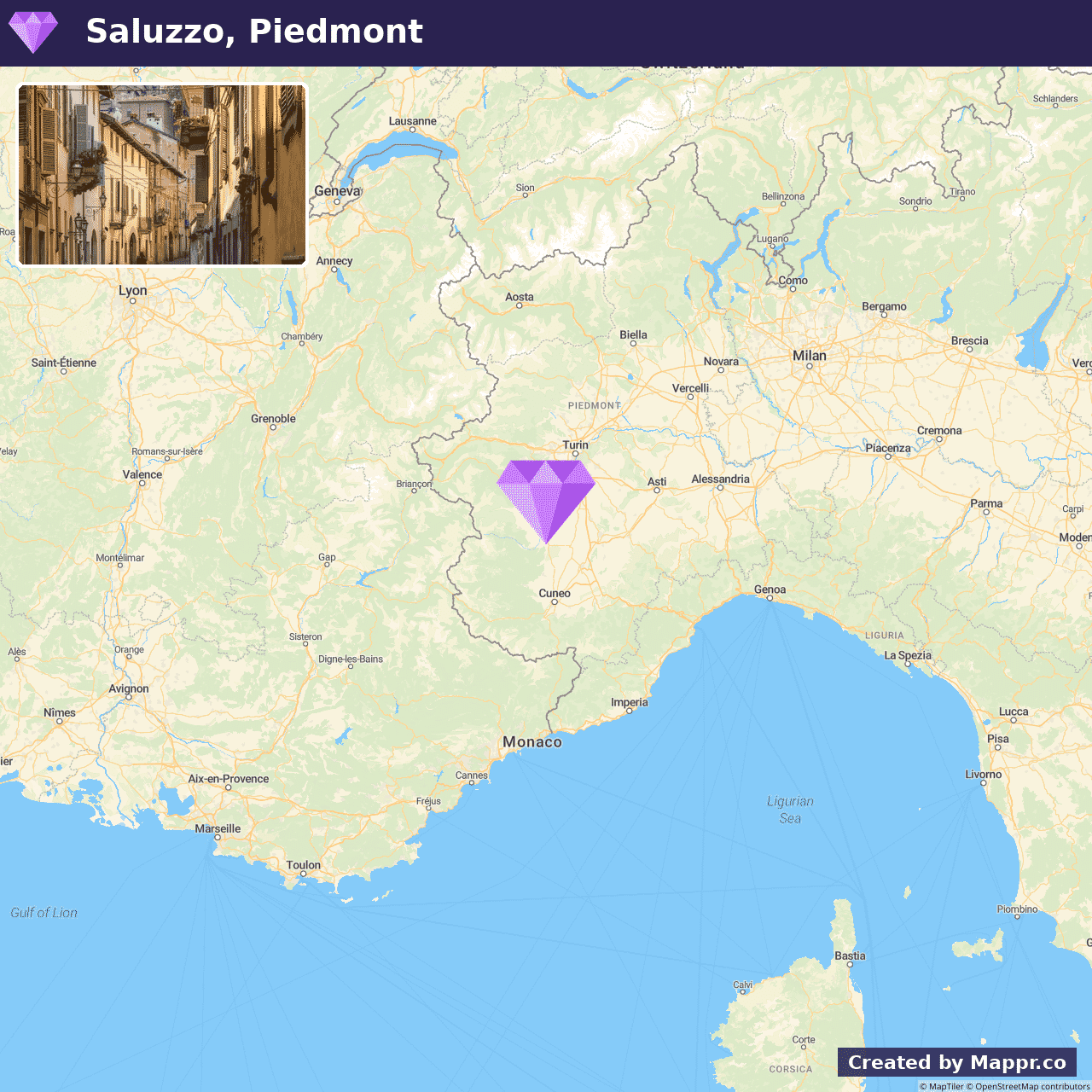
- ✈️ How to Get There: Saluzzo is accessible by car or bus from Turin, the closest major city, with a journey that takes you through the picturesque landscapes of Piedmont. The region’s well-connected roads make Saluzzo an easy addition to any travel itinerary in northern Italy.
- 🏨 Where to Stay: The San Giovanni Hotel Resort and the Antico Podere Propano offer guests a blend of historic charm and modern comfort, providing a serene and luxurious base for exploring Saluzzo’s medieval streets, rich history, and stunning natural beauty.
32. Norcia, Umbria
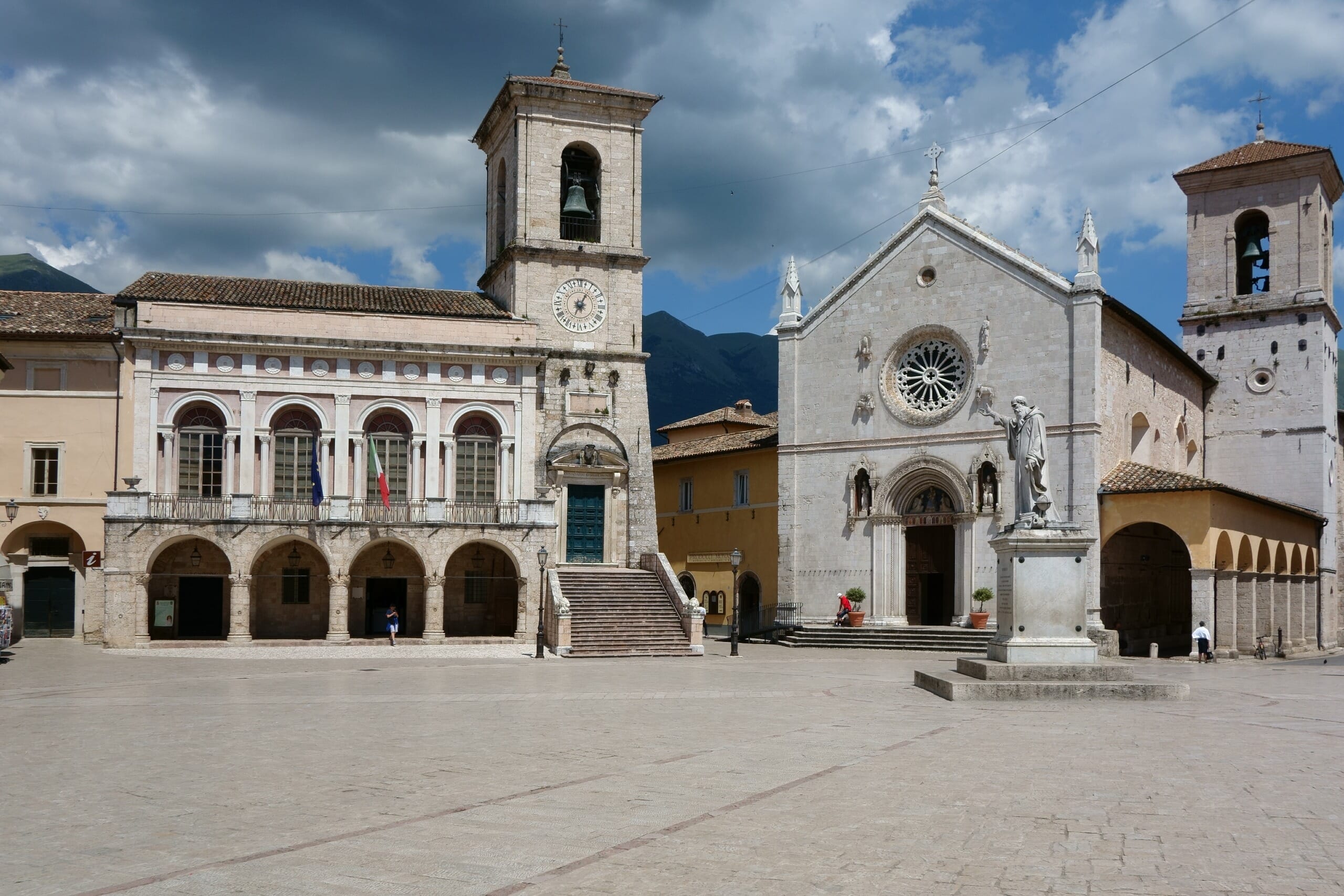
Nestled in the Sibillini Mountains, Norcia is a culinary haven known for its black truffles, cured meats, and artisanal cheeses. This walled town, the birthplace of Saint Benedict, boasts a rich history reflected in its ancient churches, medieval architecture, and vibrant piazzas.
The surrounding landscape offers stunning natural beauty, with opportunities for hiking, cycling, and exploring the nearby national park, making Norcia a destination for food lovers and outdoor enthusiasts.
The accessibility of Norcia adds to its charm, making the journey through rolling hills and picturesque valleys a delightful introduction to the region’s pastoral beauty and culinary richness.
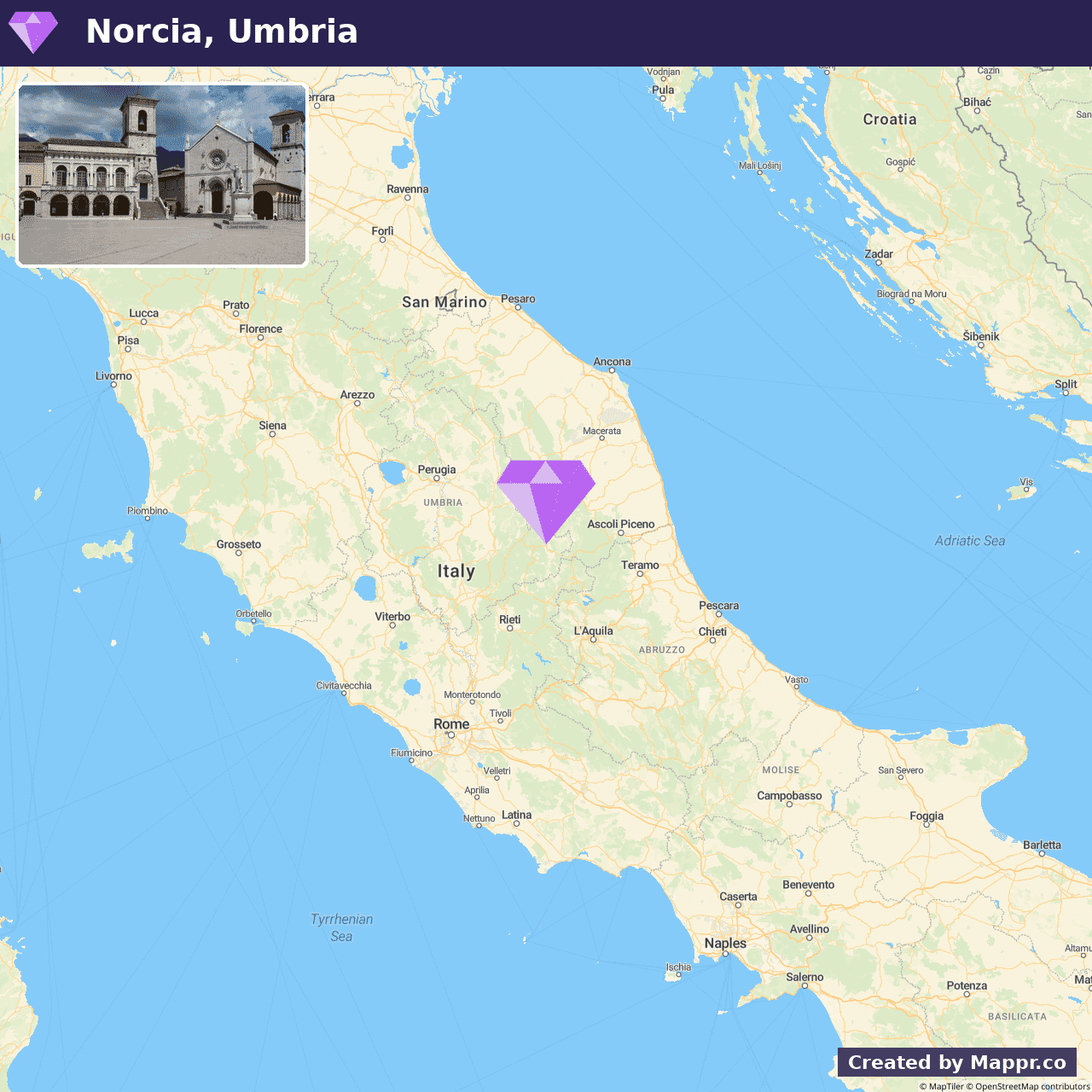
- ✈️ How to Get There: Norcia is accessible by car from Perugia or Spoleto, offering a scenic drive through Umbria’s captivating countryside to this gastronomic and historical gem.
- 🏨 Where to Stay: Check recommended places to stay in Norcia.
33. Polignano a Mare, Puglia
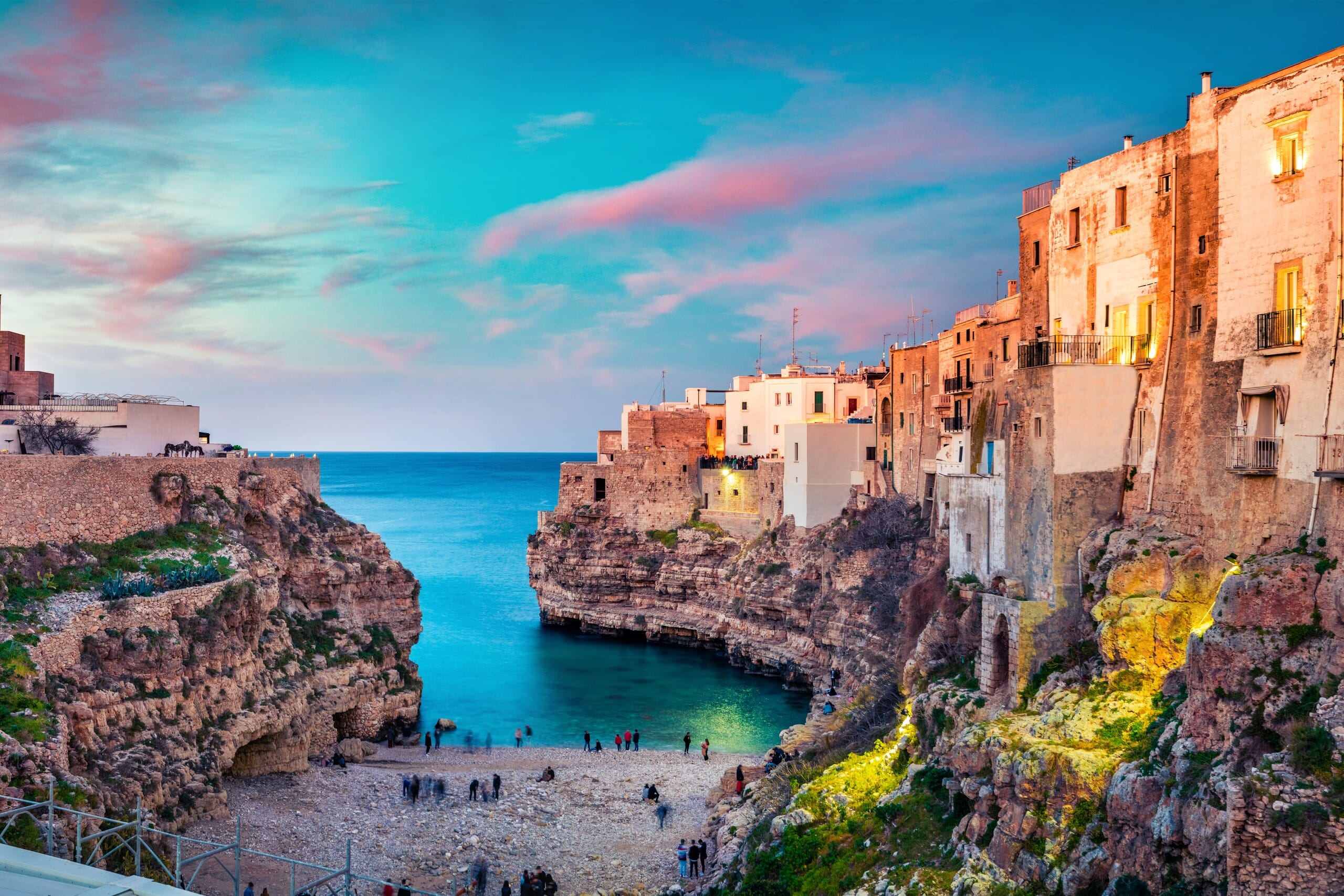
Polignano a Mare, perched atop limestone cliffs along the Adriatic coast, is famed for its breathtaking sea views, picturesque old town, and stunning cove beaches.
The birthplace of the renowned Italian singer Domenico Modugno, this town exudes charm with its pebble streets, whitewashed houses, and balconies adorned with flowers overlooking the azure sea.
The iconic Cala Porto, with its crystal-clear waters surrounded by rugged cliffs, is a highlight for visitors seeking the quintessential Mediterranean experience.
Your trip to Polignano a Mare offers a captivating escape with its dramatic coastal scenery and vibrant cultural scene.
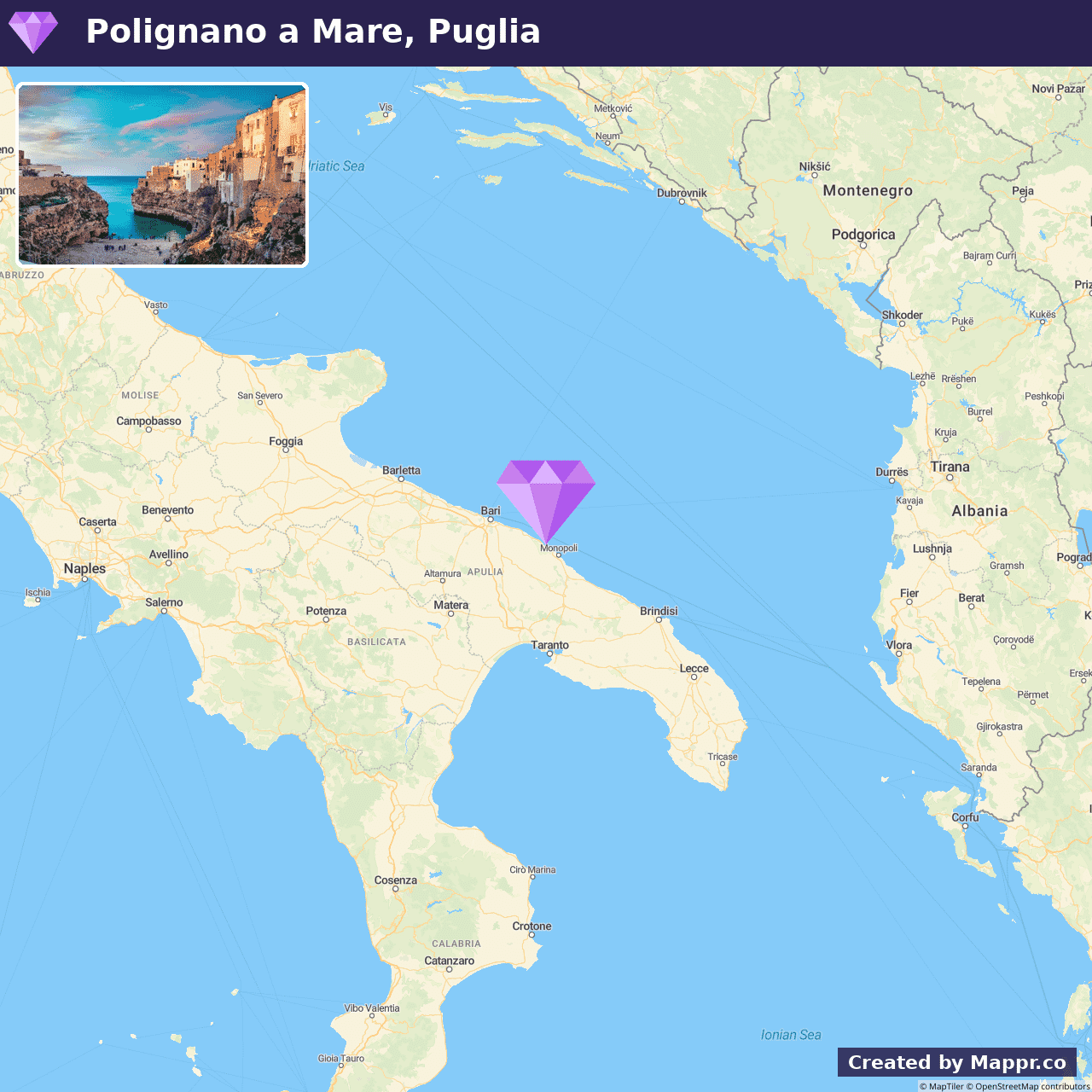
- ✈️ How to Get There: Polignano a Mare is just a short drive or train ride from Bari, making it an easily accessible destination for those looking to experience the beauty of Puglia’s Adriatic coastline.
- 🏨 Where to Stay: Check recommended places to stay in Polignano a Mare.
34. Bormio, Lombardy
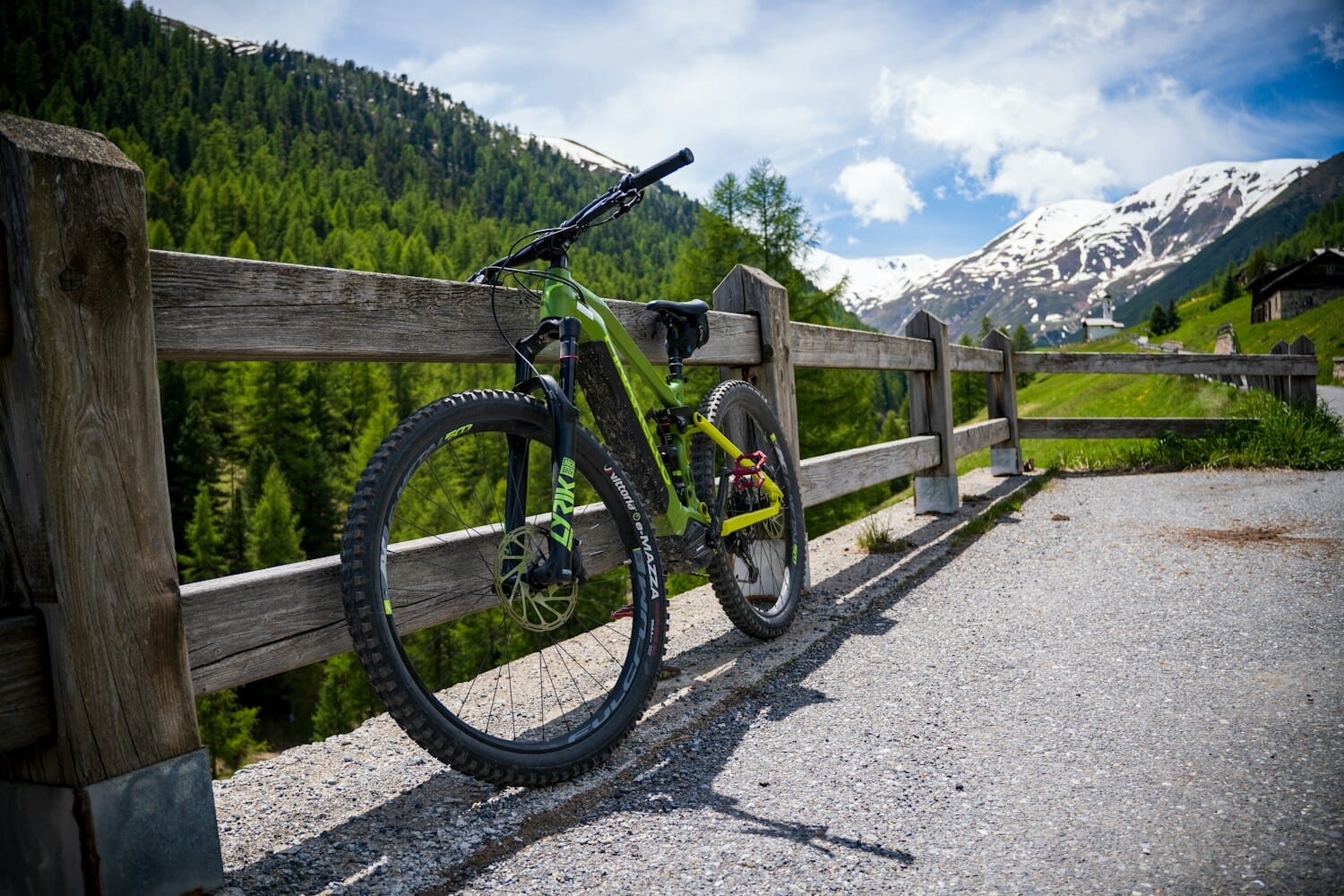
A thermal spa town at the head of the Alta Valtellina, Bormio was one of the Milano-Cortina 2026 Winter Olympic venues, hosting the men’s Alpine downhill and super-G. The new Alpine infrastructure built for the Games (widened roads through the Stelvio pass, upgraded rail links from Tirano, faster shuttles from Milano Malpensa) now sticks around for summer visitors and makes the town easier to reach than it has been in decades.
Come in July for the Roman-era thermal baths at Bagni Vecchi and Bagni Nuovi (used since the 1st century AD), the Stelvio National Park hikes above the treeline, and a compact medieval old town that most Alpine visitors still skip in favour of Cortina or Bolzano.
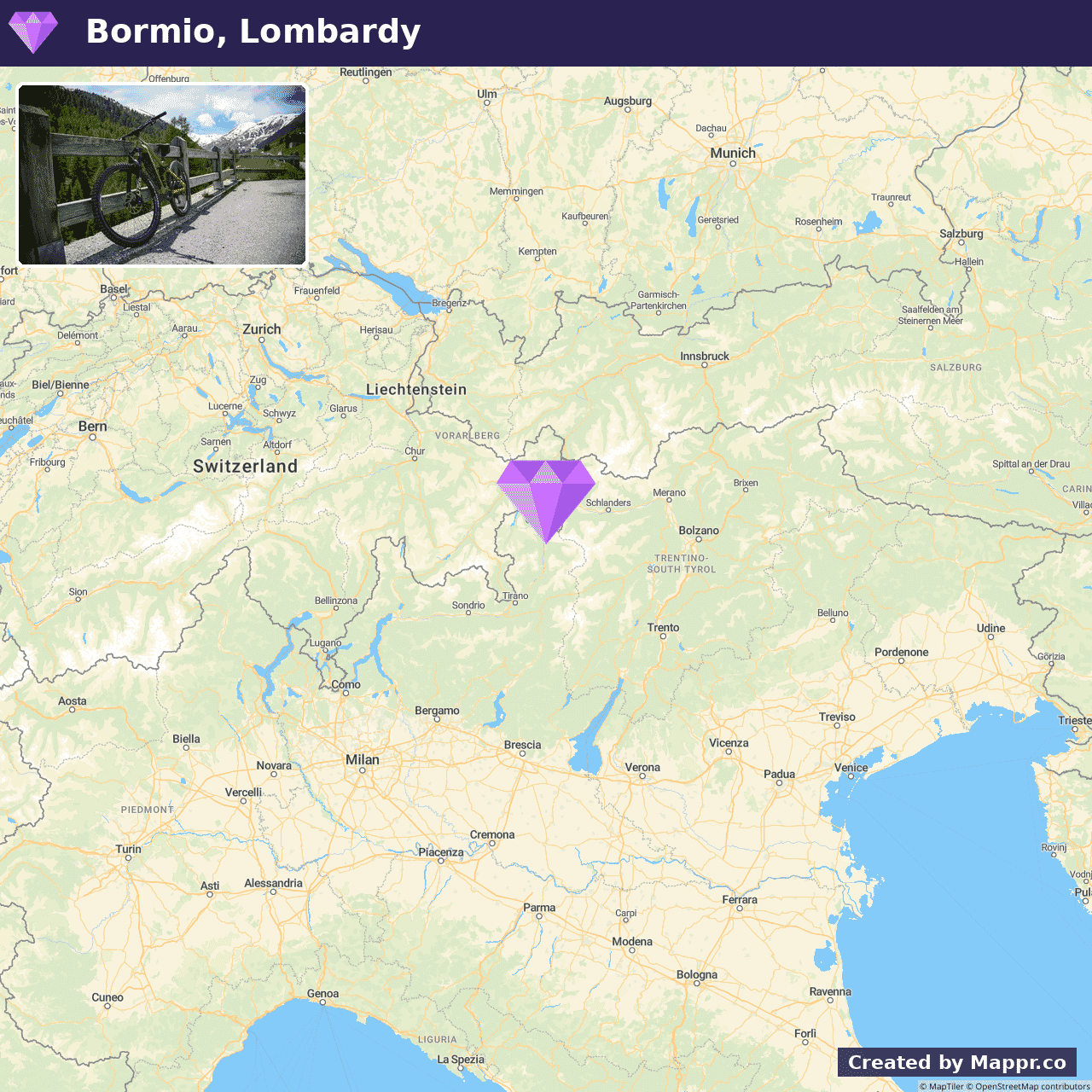
- ✈️ How to Get There: The train from Milano Centrale to Tirano takes about 2.5 hours, then a 45-minute bus up the valley to Bormio. For flights, Milano Malpensa (MXP) is the natural gateway; Bergamo (BGY) and Venice Marco Polo (VCE) both work if you prefer a scenic drive.
- 🏨 Where to Stay: Check recommended places to stay in Bormio.
35. Sperlonga, Lazio
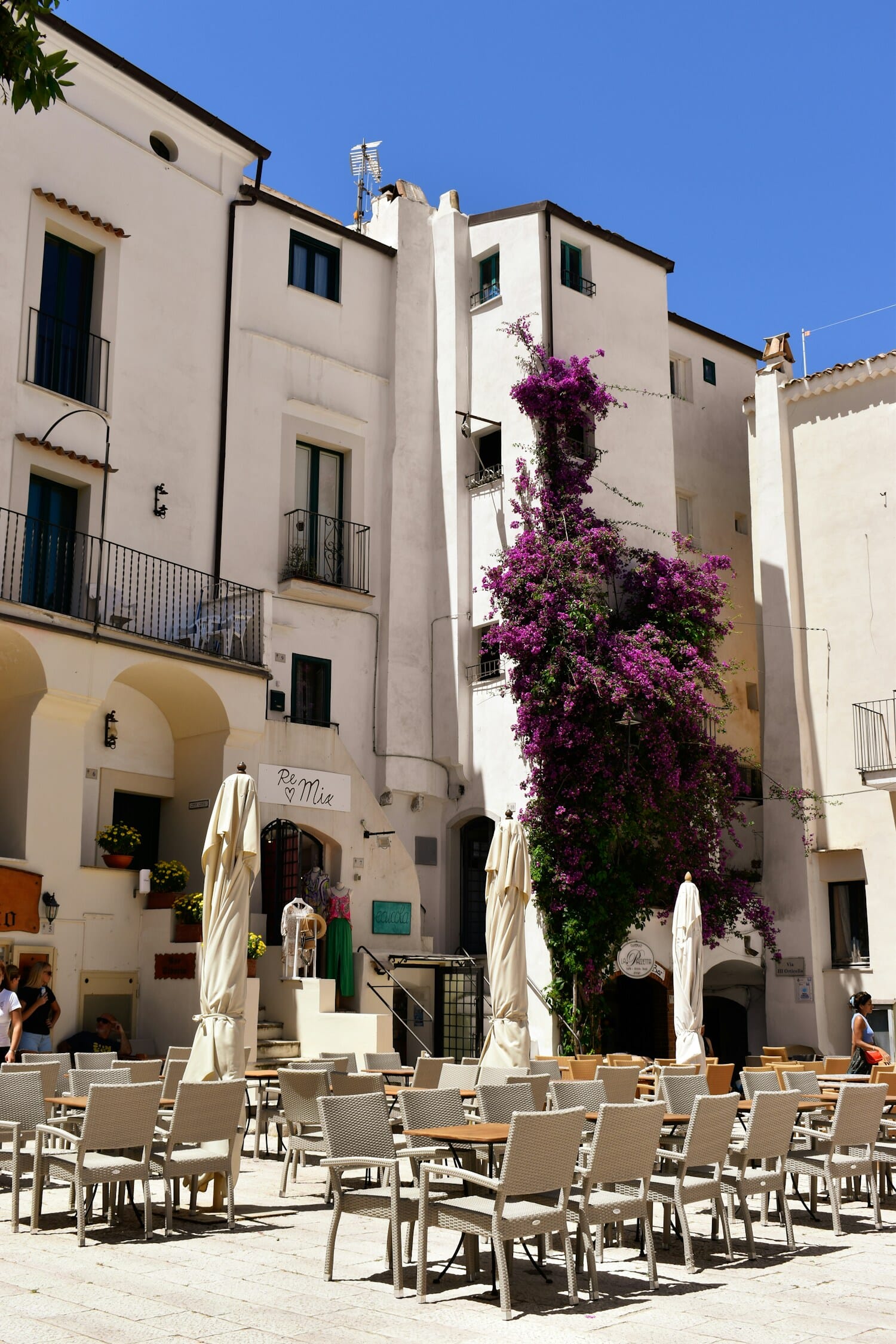
A whitewashed cliffside village on the Tyrrhenian coast halfway between Rome and Naples, Sperlonga anchors the coastal stretch of the Via Appia Antica, the ancient Roman road inscribed as Italy’s 60th UNESCO World Heritage Site in July 2024. This is the first full summer where regional tourism boards are marketing the Via Appia as a coherent trip, and the villages along it, including Sperlonga, are getting their first coordinated visitor push.
Come for the Grotta di Tiberio, the emperor’s seaside grotto full of monumental sculpture (now a museum), the compact bianco-only old town clinging to the headland, and beaches on both flanks that still empty out midweek in July.
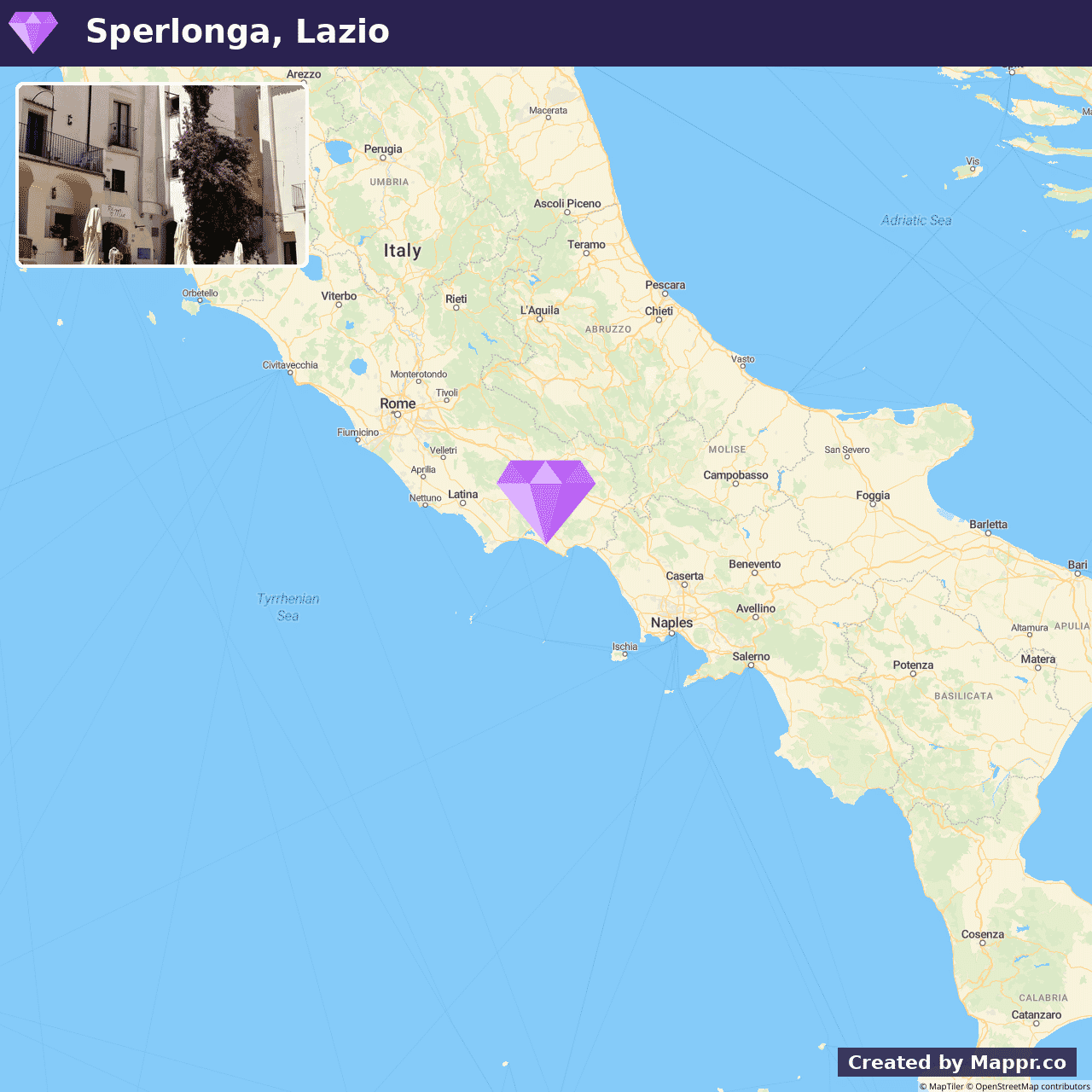
- ✈️ How to Get There: Direct trains from Roma Termini to Fondi-Sperlonga (about 75 minutes), then a 15-minute bus to the old town. Fly into Rome Fiumicino (FCO) or Naples (NAP), both roughly 90 minutes away by rail.
- 🏨 Where to Stay: Check recommended places to stay in Sperlonga.
36. Chioggia, Veneto
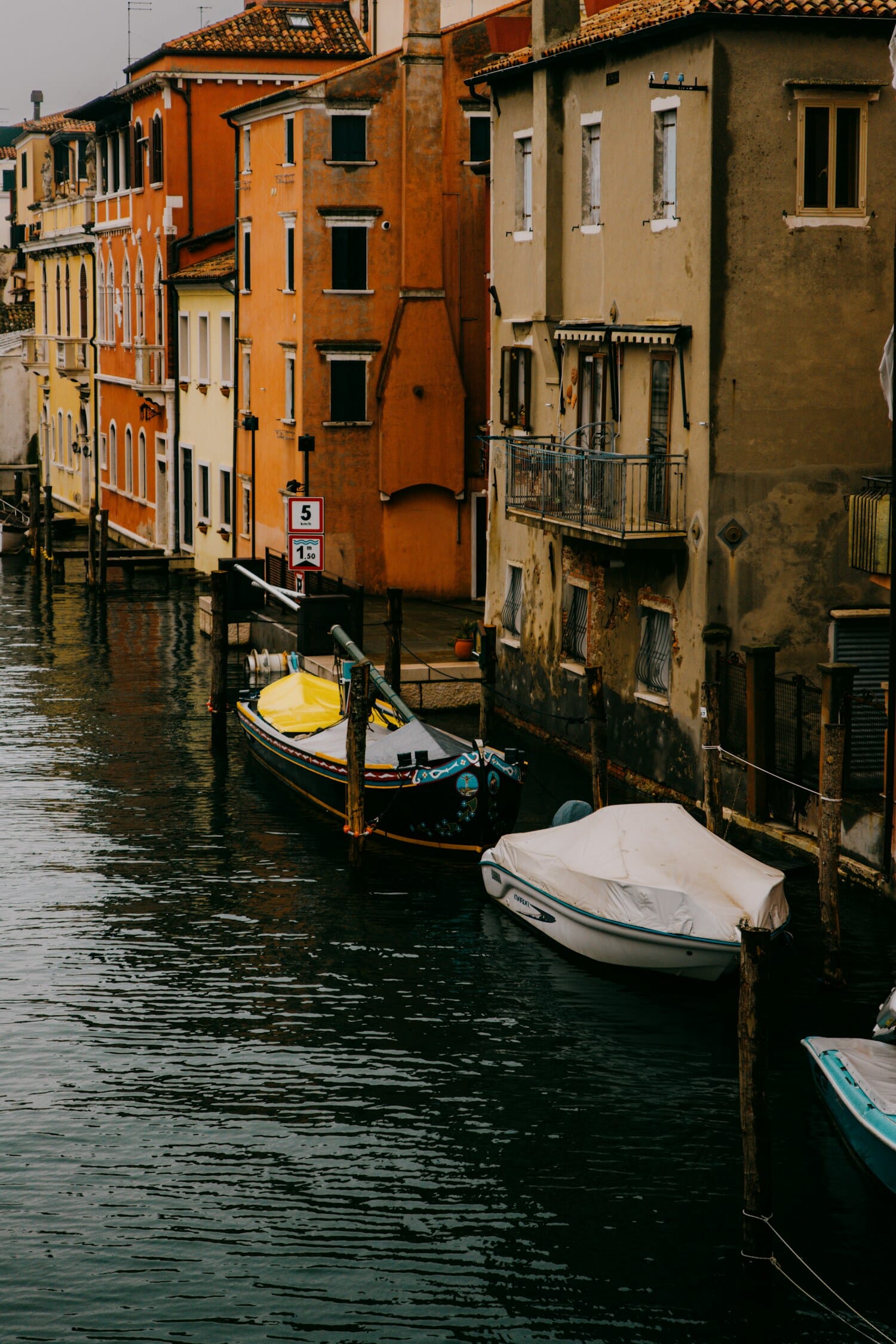
A fishing town at the southern edge of the Venetian lagoon, Chioggia is what Venetians themselves call “Little Venice.” It is a canal city with the same bridges, the same colours, the same seafood, without the day-tripper fee that Venice now applies to 60 dates a year (and is likely to raise as high as €50 on peak days). The morning fish market on the Corso del Popolo is one of the oldest and busiest in the Adriatic.
The old town sits on a strip of land threaded by three canals; walk the Vena canal at sunset, take the Corso from the Duomo down to the port, and if you have a full day, hop the local vaporetto up to Pellestrina, the linear fishing village on the sandbar that separates the lagoon from the open sea.
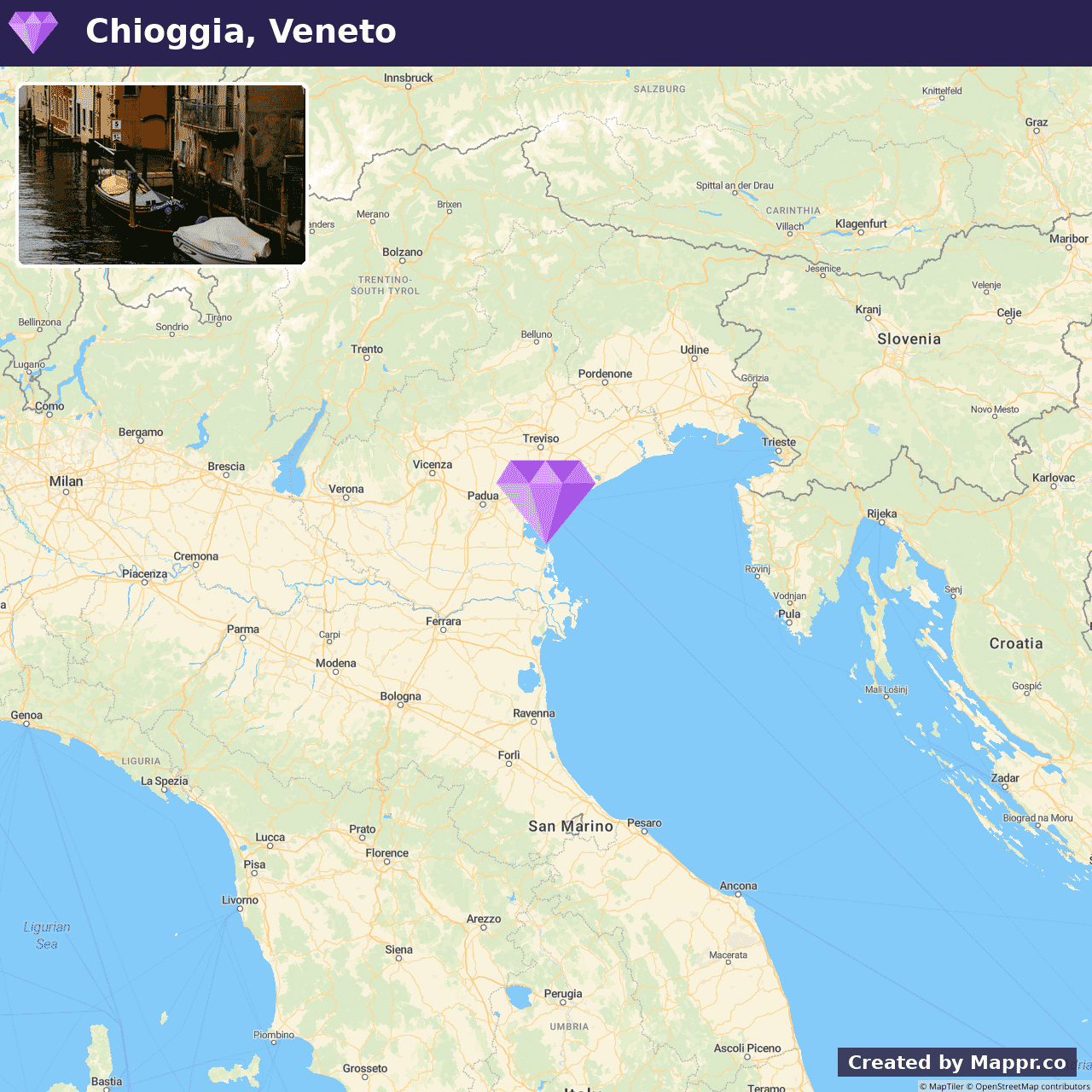
- ✈️ How to Get There: The train from Venezia Santa Lucia to Chioggia takes about 90 minutes with a change at Rovigo; alternatively a direct seasonal bus from Piazzale Roma runs in about an hour. Fly into Venice Marco Polo (VCE) for the shortest transfer, or Bologna (BLQ) for cheaper fares.
- 🏨 Where to Stay: Check recommended places to stay in Chioggia.
Final Thoughts
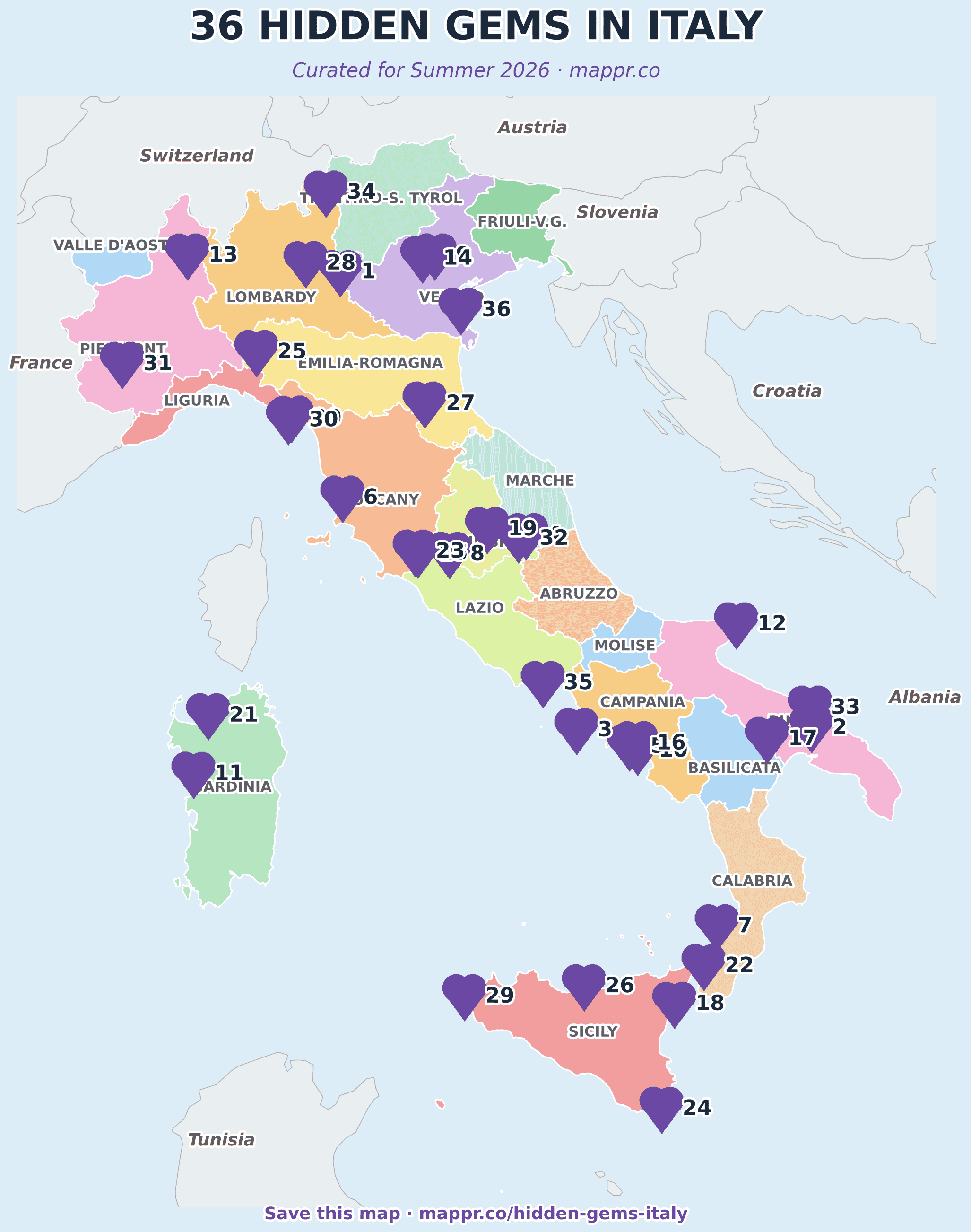

This article unveils Italy’s lesser-known summer gems, from the tranquil shores of Gardone Riviera to the vibrant fields of Castelluccio, offering a unique escape into the country’s diverse landscapes and rich cultural tapestry.
It’s an essential guide for those exploring Italy’s hidden paradises, promising serene retreats away from the bustling tourist spots.
This guide is part of our hidden gems travel guides, mapping underrated places to visit country by country.
What are the best hidden gems in Italy?
Away from Rome, Florence and Venice, Italy hides gems like the clifftop town of Civita di Bagnoregio, the pastel houses of Burano, the trulli of Alberobello and the beaches of Sardinia. Our map features 36 spread across every region.
When is the best time to visit Italy?
May, June and September offer warm weather without the peak-summer crowds and heat. The far south and the islands stay pleasant into October, while the Alpine and hill towns are loveliest in early summer and autumn.
How do you get to Italy’s hidden gems?
Italy’s high-speed trains connect the major cities, and regional trains plus a rental car reach most smaller towns. The main hubs are Rome (FCO) and Milan (MXP), with regional airports serving the south and the islands.
How many days do you need to see Italy’s hidden gems?
A week lets you explore one or two regions in depth. To combine north and south, or add Sicily or Sardinia, plan on ten days to two weeks.
Sources: