
Norway’s postcard sights , the Preikestolen cliff, the Trolltunga rock, the tulip-window Reine street on Lofoten , are famously crowded through July and August. Past those, the country still has a huge stock of fjord villages, Arctic islands, mountain valleys and inland lakes that stay uncrowded even at the height of the summer season.
Below are 36 of them, curated for summer 2026. Every spot on the list gets a map, an airport suggestion, a link to current lodging availability, and enough context to plan the trip.
Norway has a real overtourism story for the first time in a decade. Reine on Lofoten now sees more than 700,000 annual visitors, the Preikestolen path handles 5,000+ hikers on peak summer days, and Bergen’s cruise-ship berth counts touched all-time highs in 2025. In response, on 1 July 2026 Norway rolled out a phased tourist tax capped at 3% of overnight stays , roughly 7 dollars on a typical hotel night , with Lofoten municipalities as pilots. Tromsø, Bergen and other cruise cities are joining.
This year’s edition of the list keeps the postcard-famous names with a candid crowd note and adds three new spots we’ve verified are still quiet in July and August: a Hardangerfjord orchard village, a glacier hamlet on Sognefjord, and one of Lofoten’s best-preserved fishing villages, all reachable without cruise-ship overspill.
Worth doing this year: cruise-passenger day-visit surcharges kick in this summer (Lofoten first, others rolling in through 2027). Bergen’s daily cruise-ship berth cap is being negotiated. The gems below are what Norwegian tourism boards, VisitNorway and local municipalities are, in practice, redirecting travelers toward.
Norway has one large intercontinental gateway plus a strong network of regional airports along the fjord and Arctic coasts. Which one you fly into depends on which part of the country you are heading to.
- Oslo Gardermoen (OSL) is the main long-haul gateway.
- Bergen Flesland (BGO): closest to the fjord cluster (Rosendal, Flåm, Solvorn, Sognefjord, Fantoft Stave Church).
- Stavanger Sola (SVG): gateway to Lysefjord, Ryfylke and the south-west.
- Trondheim Værnes (TRD): serves Røros, Nidaros Cathedral and central Norway.
- Tromsø (TOS): Arctic gateway (Senja Island, Skjervøy, Batsfjord, Finnmark).
- Bodø (BOO): the natural arrival point for Lofoten, Træna and Sandnessjøen.

1. Lofoten Islands
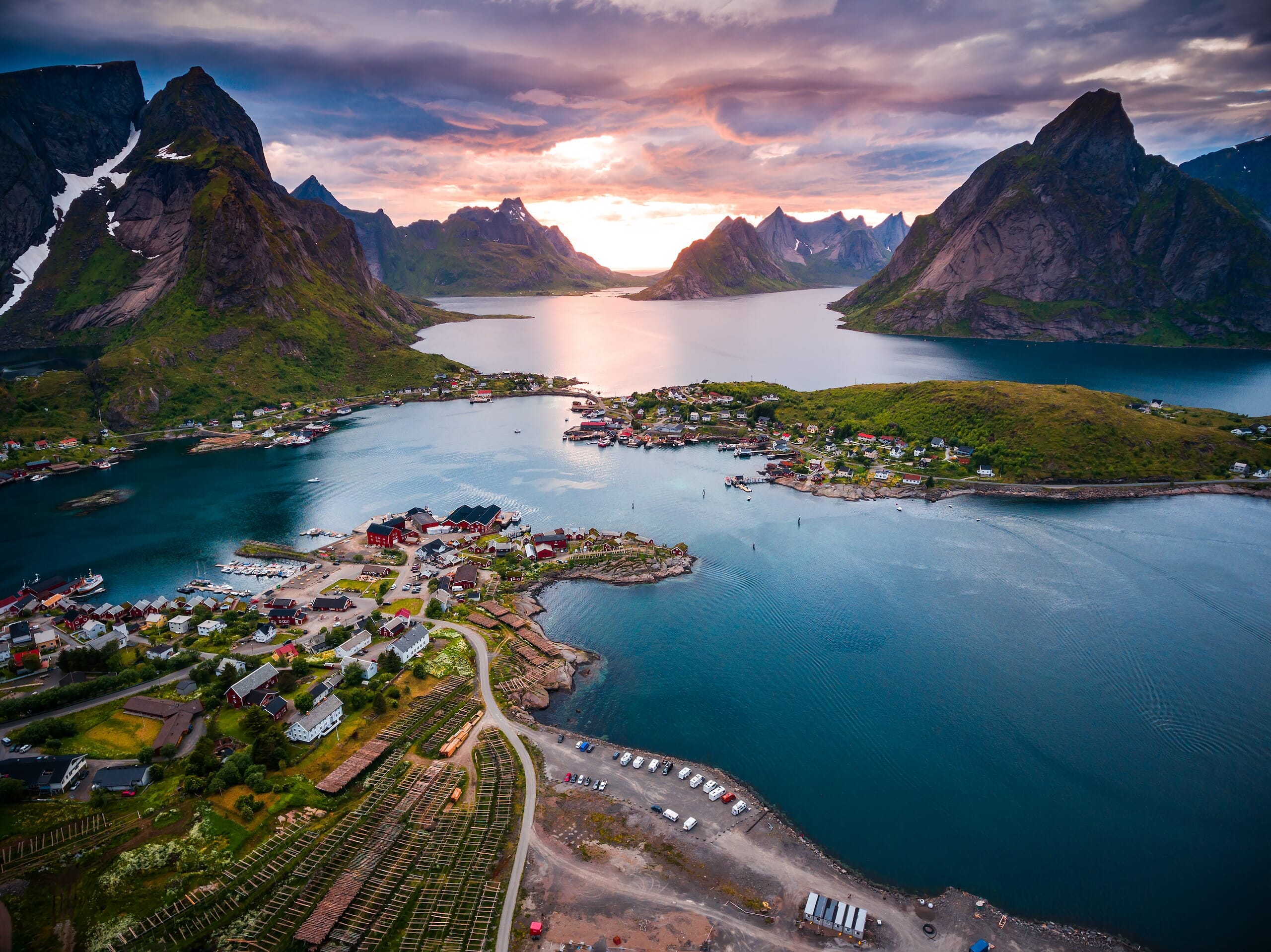
The Lofoten Islands present an enchanting arctic landscape that captivates visitors with its dramatic peaks, pristine beaches, and the midnight sun’s ethereal glow.
The contrast of rugged mountains against crystal-clear turquoise waters creates a mesmerizing visual feast. At the same time, the islands’ traditional fishing villages add a quaint charm and showcase Norway’s rich cultural heritage.
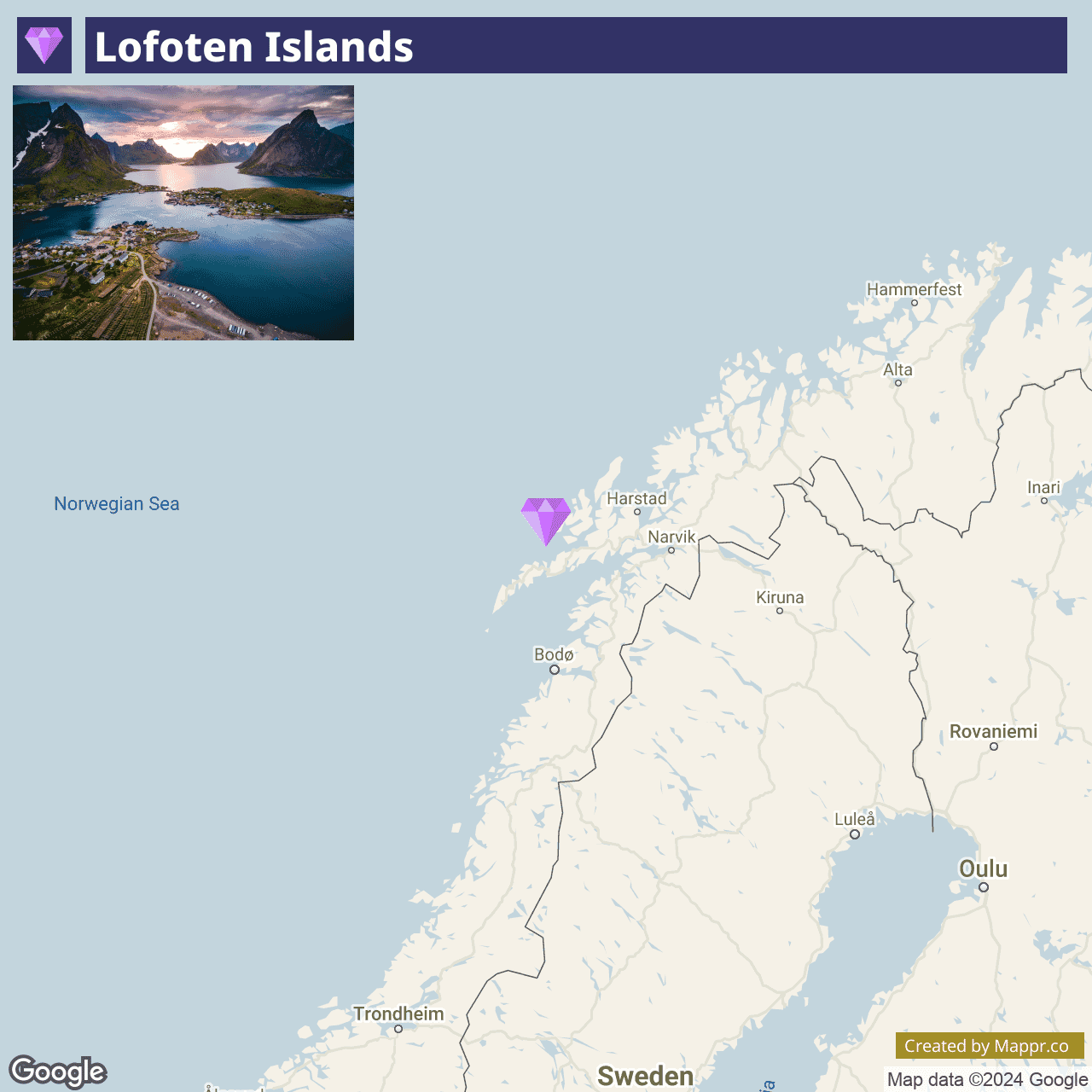
- ✈️ How to Get There: The Lofoten Islands are accessible via flights to Leknes or Svolvær from major Norwegian cities like Oslo and Bergen.
- 🏨 Where to Stay: Check recommended places to stay in Lofoten Islands.
2. Rosendal, Vestland
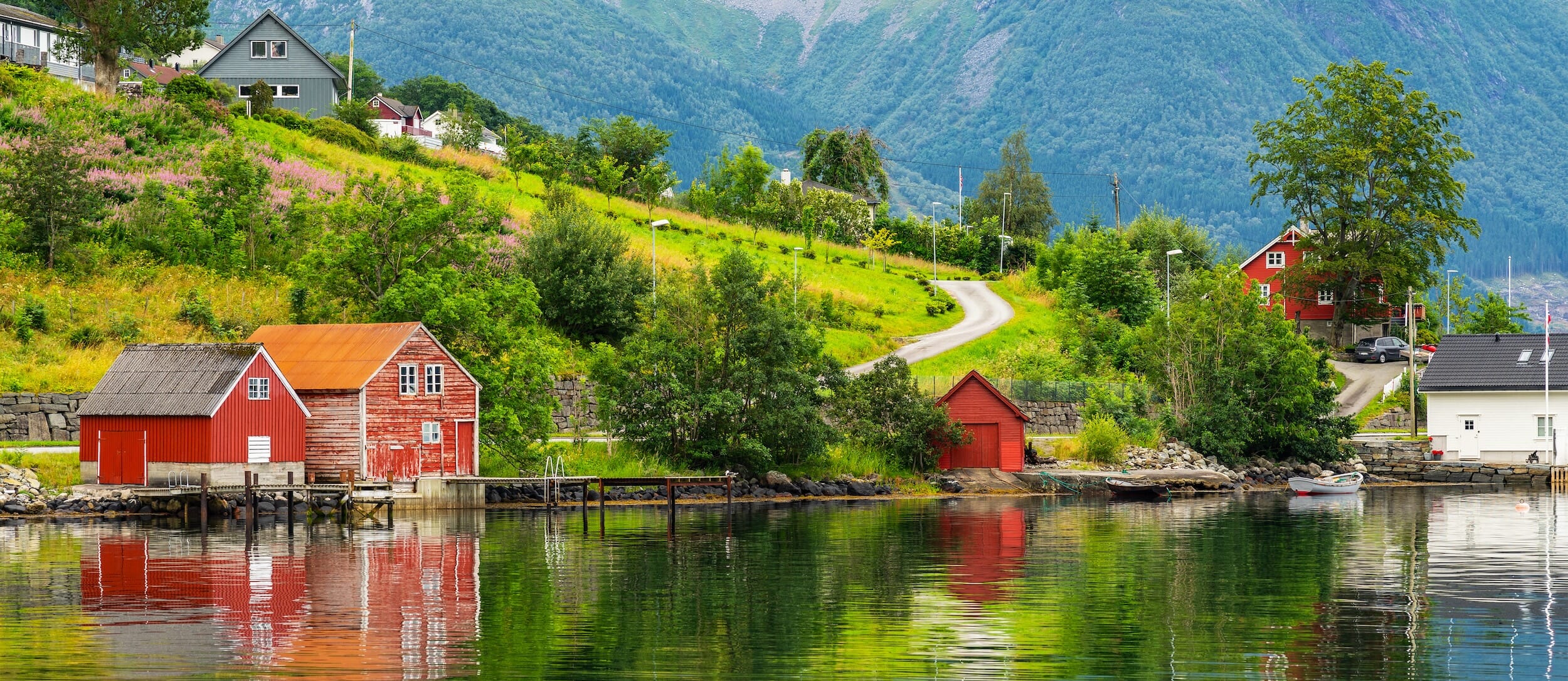
Rosendal promises an idyllic retreat amidst majestic mountains and the serene Hardangerfjord. This picturesque village is renowned for its Barony Rosendal, a historic estate with beautiful gardens that bloom vibrantly in the summer.
Surrounded by the natural splendor of fjords, waterfalls, and glaciers, Rosendal is a perfect base for outdoor enthusiasts eager to explore the Folgefonna National Park or embark on scenic hikes offering panoramic views.
The village’s temperate summer climate ensures pleasant days perfect for leisurely strolls through its charming streets or serene boat rides on the fjord.
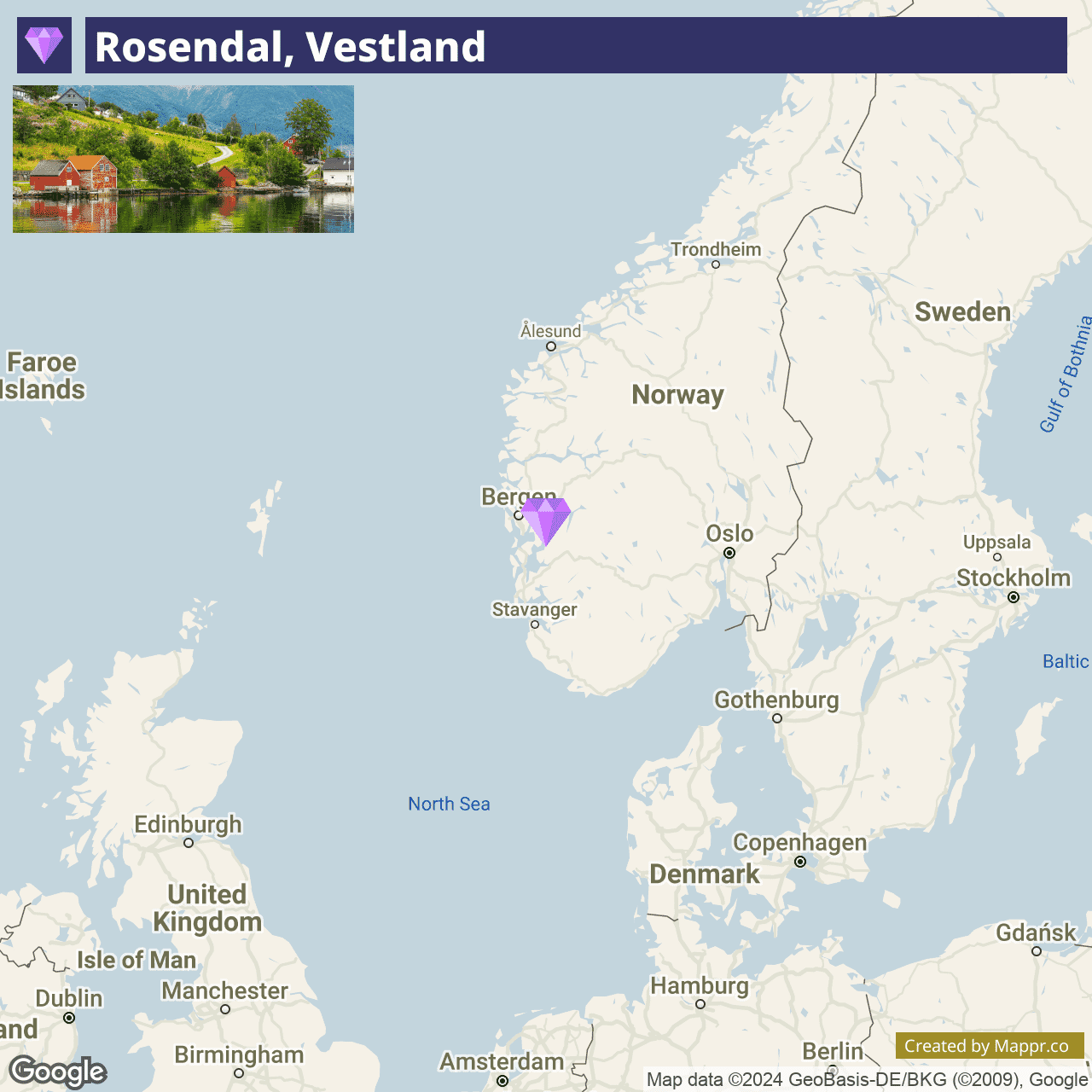
- ✈️ How to Get There: Rosendal is accessible via a scenic ferry ride from Bergen. As visitors approach this peaceful village, they can immerse themselves in the breathtaking landscapes of the fjords.
- 🏨 Where to Stay: Check recommended places to stay in Rosendal.
3. Træna, Nordland County
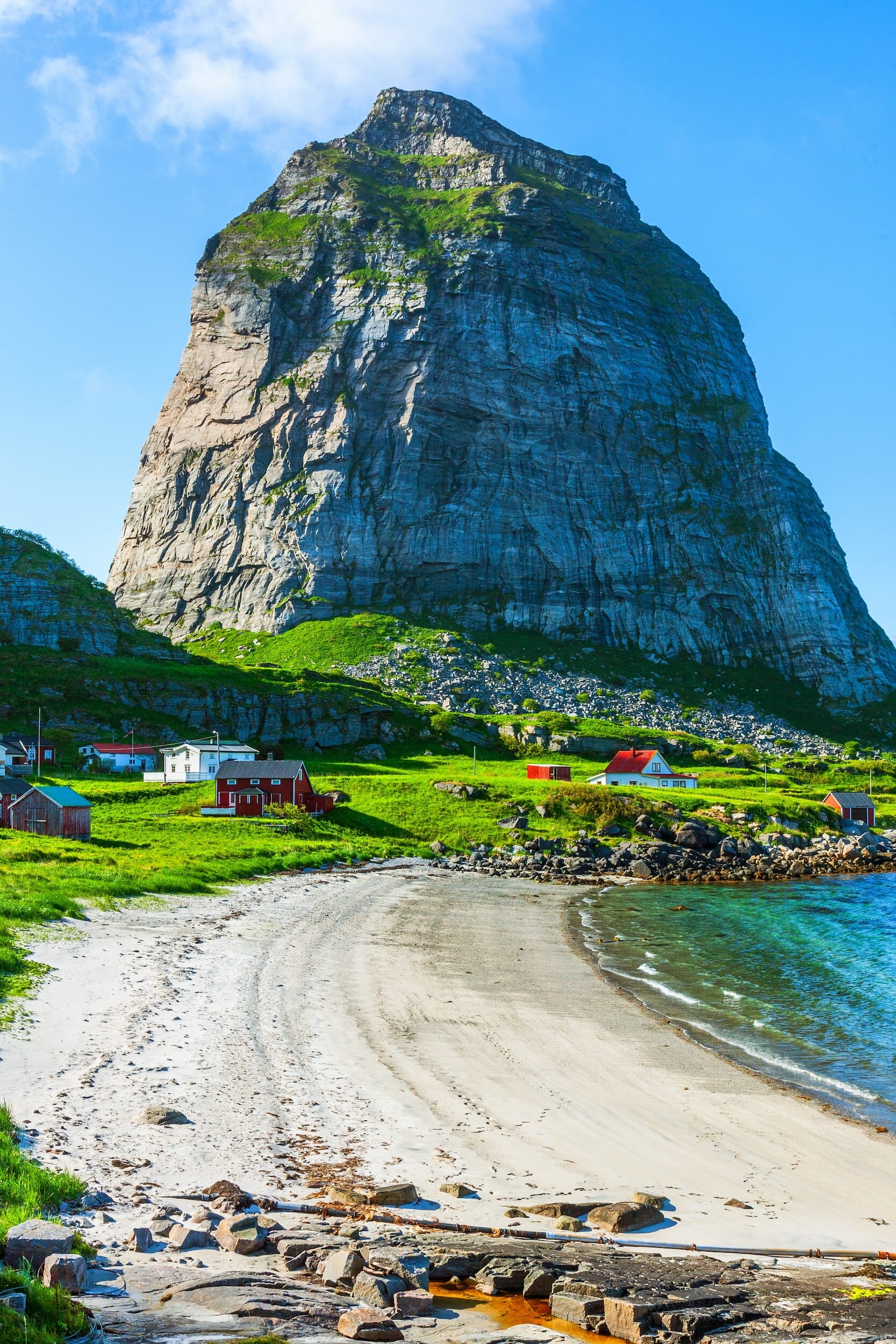
Træna is a testament to Norway’s coastal wilderness’s rugged beauty and solitude. This far-flung oasis, comprising over 400 islands and skerries, becomes a haven of tranquility and untouched nature during summer.
The islands are celebrated for their annual Træna Festival, which brings music and culture to this remote location, creating a vibrant contrast to the otherwise tranquil setting.
The summer’s mild weather allows for exploring the island’s unique landscapes, from sandy beaches to ancient cave formations, under the enchanting light of the midnight sun.
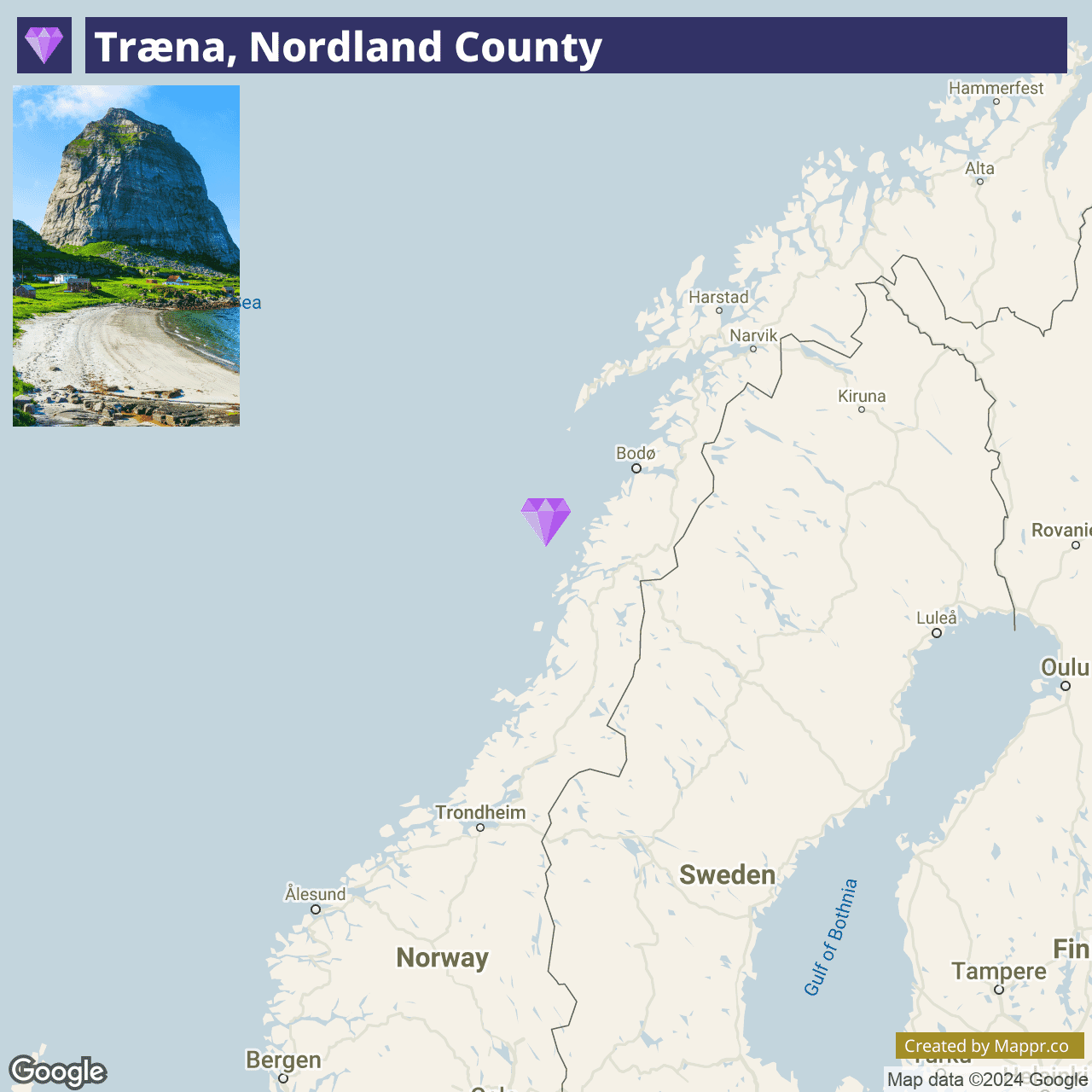
- ✈️ How to Get There: You can reach Træna by express ferry from the coastal town of Sandnessjøen, which is accessible by flight from major Norwegian cities.
- 🏨 Where to Stay: Check recommended places to stay in Træna.
4. Røros, Trøndelag
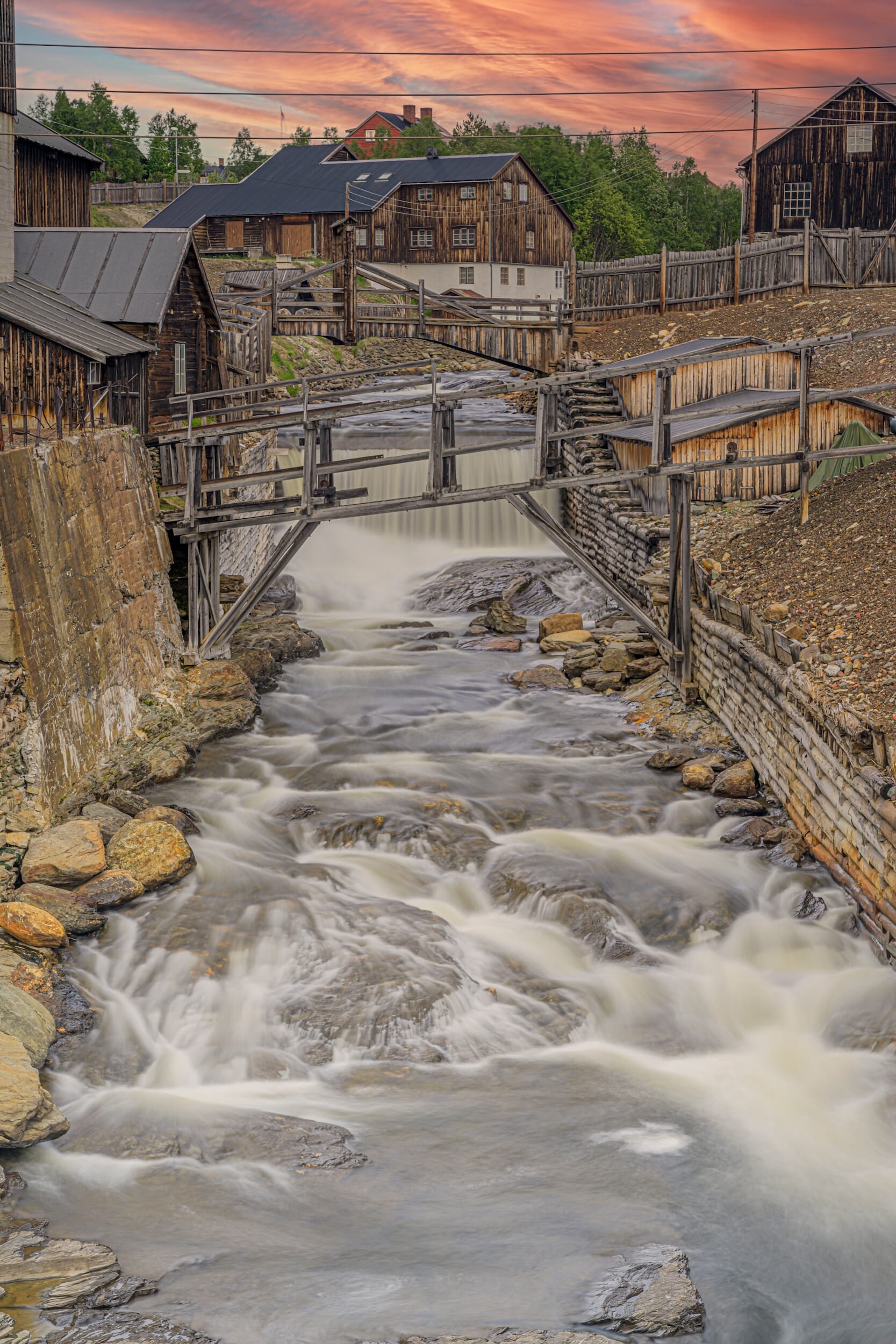
Røros, a UNESCO World Heritage site in Trøndelag, captures the essence of a bygone era with its well-preserved wooden buildings and a rich history rooted in copper mining.
This enchanting town, surrounded by wild and beautiful landscapes, offers a unique journey through time, inviting visitors to explore its historical depths and cultural heritage.
Wandering through the charming streets of Røros feels like walking through a living museum, where each corner tells a story of its industrious past.
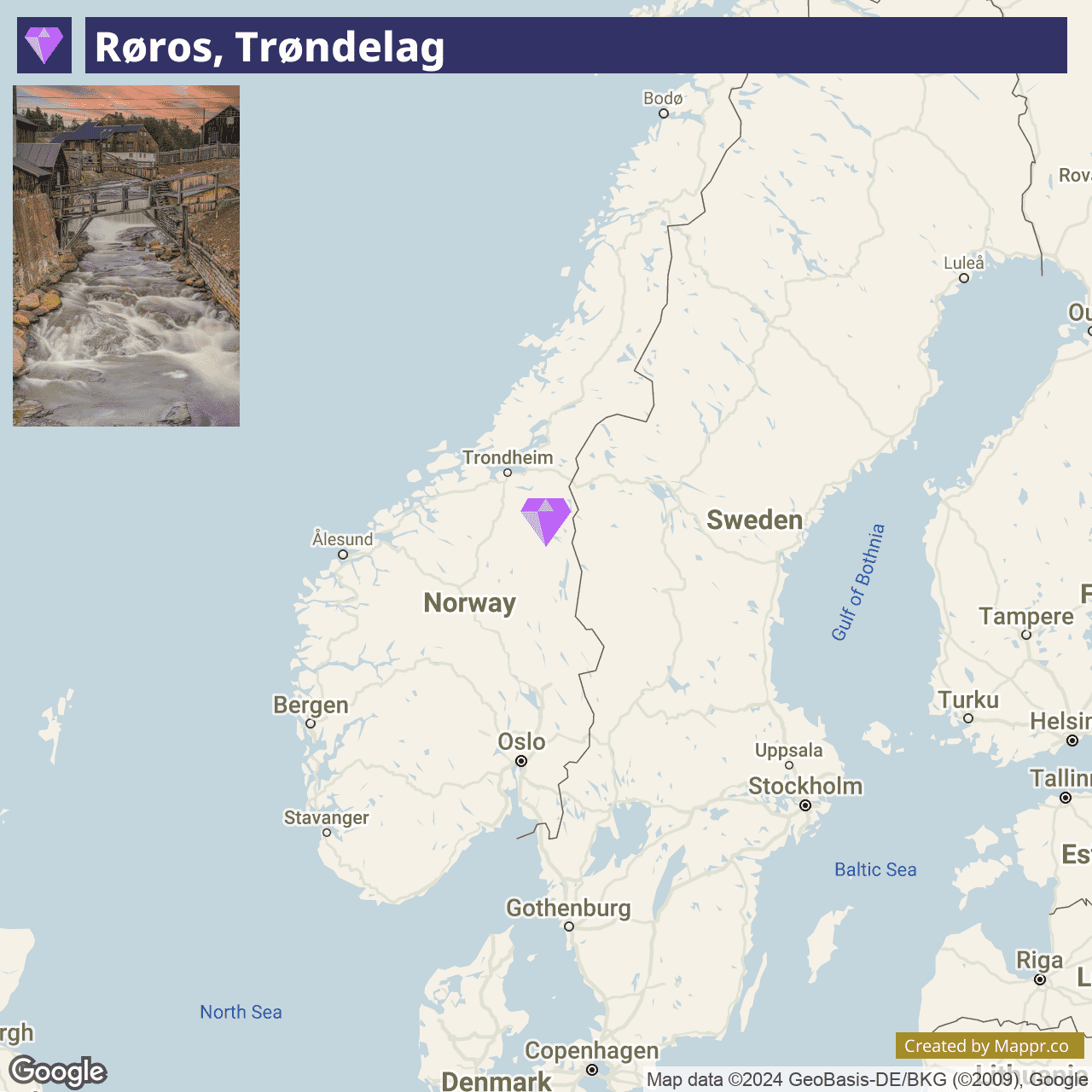
- ✈️ How to Get There: Røros is easily reachable by train from Trondheim, offering a scenic route that highlights the region’s natural beauty,alternatively, direct flights to Røros Airport from Oslo.
- 🏨 Where to Stay: Check recommended places to stay in Røros.
5. Stryn, Vestland
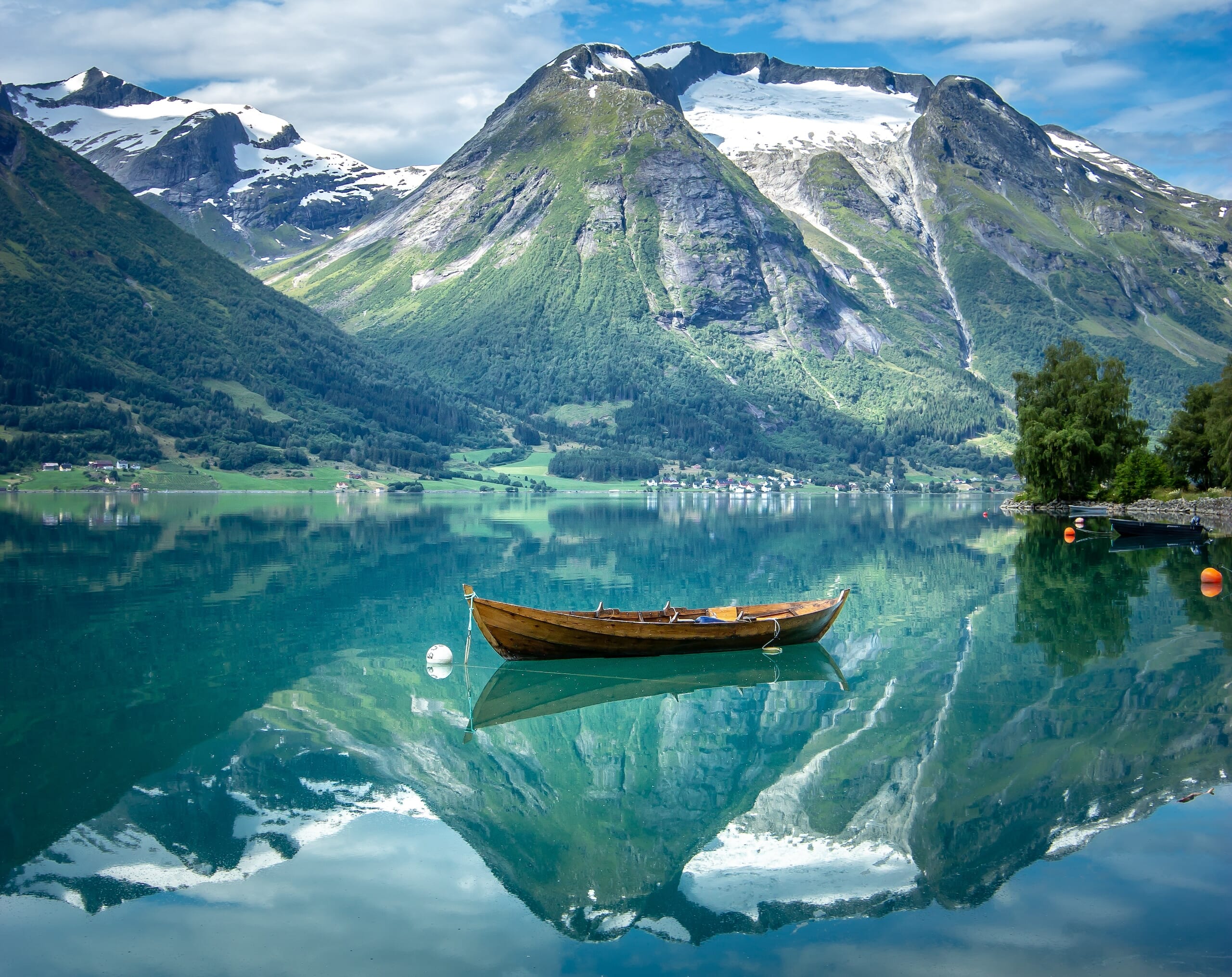
Stryn, nestled in the heart of Vestland, Norway, emerges as a serene paradise during the summer months.
Known for its vibrant green landscapes and crystal-clear waters, this hidden gem invites travelers to immerse themselves in nature’s untouched beauty.
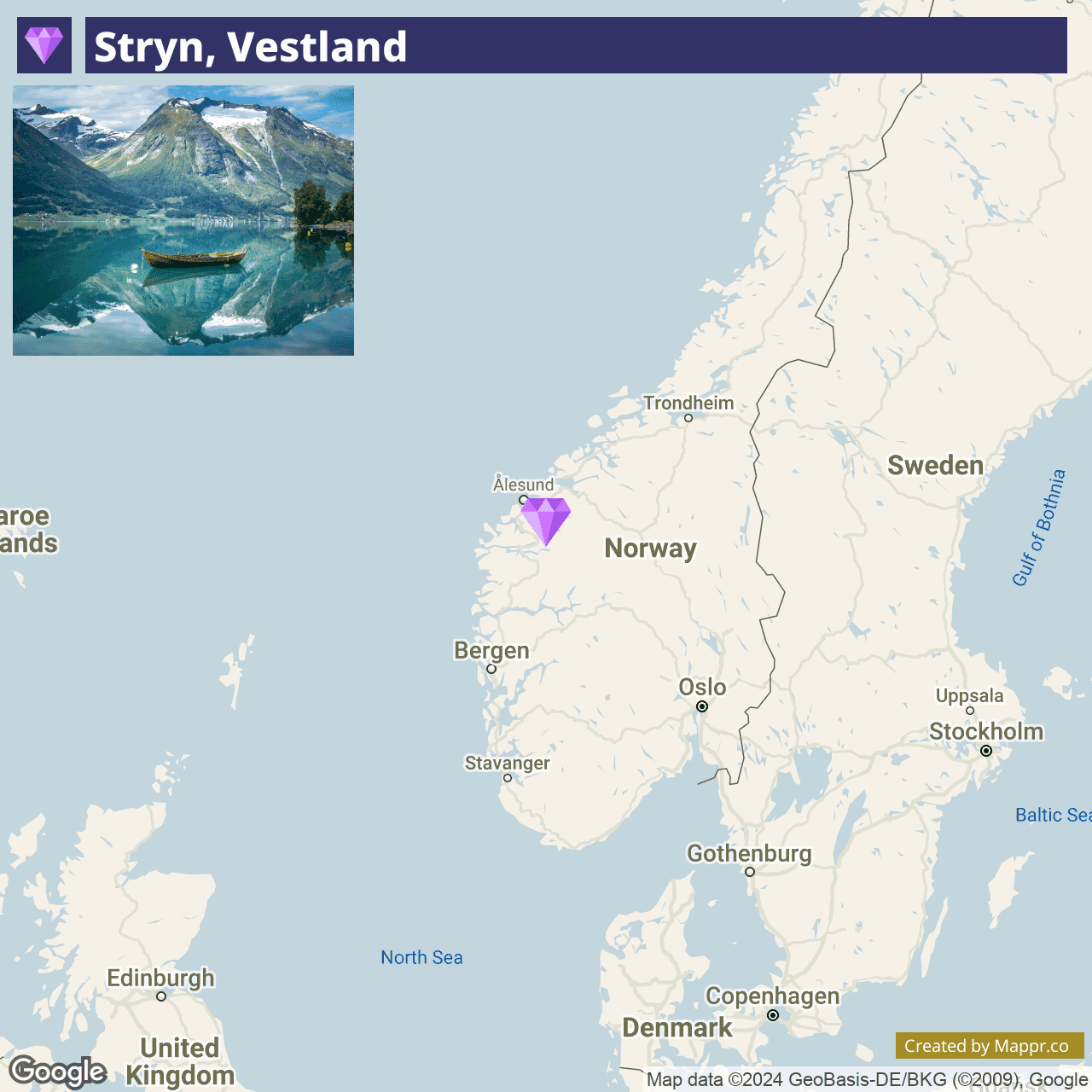
- ✈️ How to Get There: Stryn is easily accessible by road from major Norwegian cities. The closest airport, Ålesund Airport, is approximately a 3-hour scenic drive away. Frequent flights connect Stryn to both domestic and international travelers.
- 🏨 Where to Stay: Check recommended places to stay in Stryn.
6. Sandnessjøen, Nordland
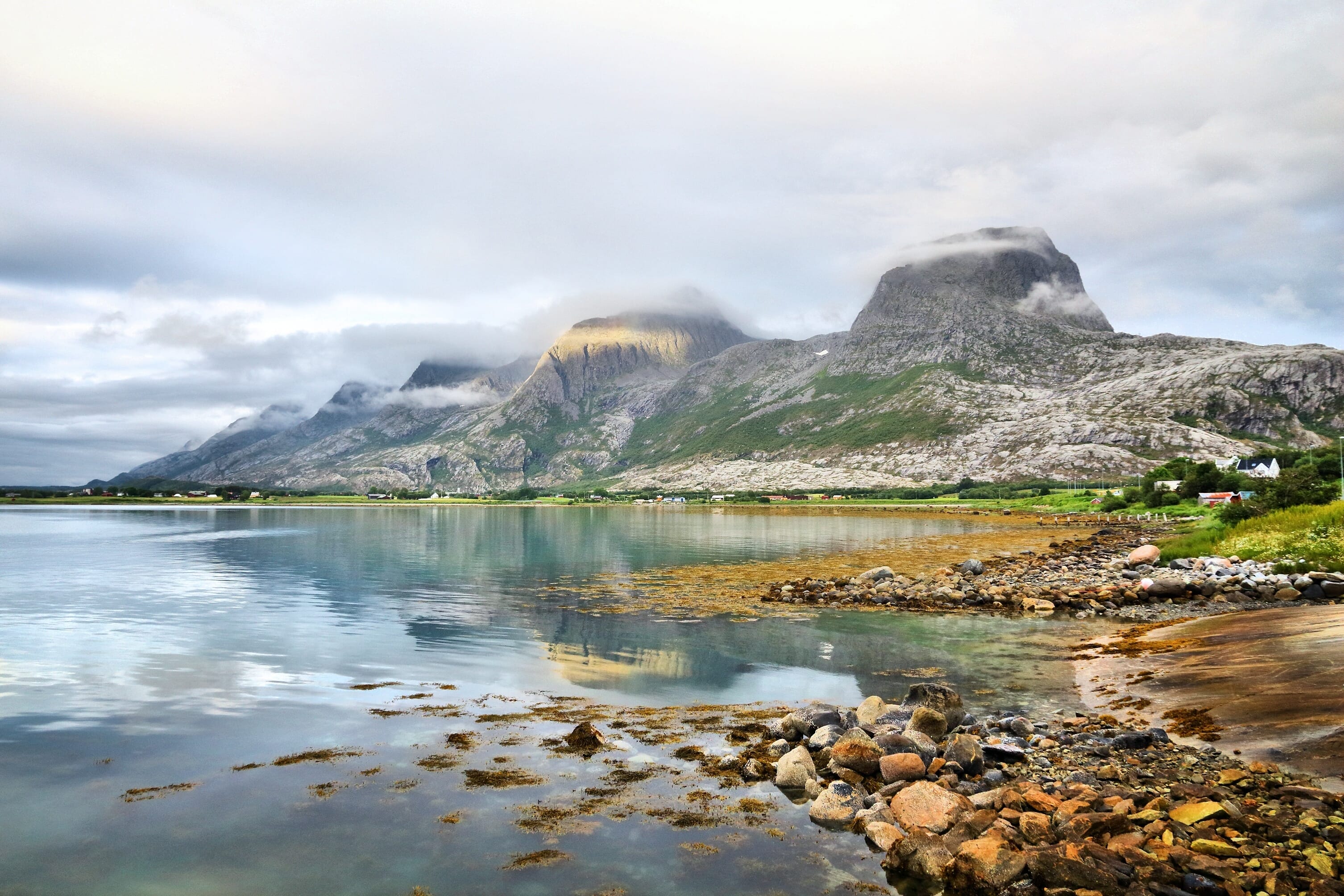
Sandnessjøen, a quaint town in Nordland, is a treasure trove of natural wonders and historical sites, making it an idyllic summer destination for those in the know.
Surrounded by the iconic Seven Sisters mountain range, the area boasts dramatic landscapes that are ideal for hiking and photography, especially under the glow of the midnight sun.
The coastal charm of Sandnessjøen, combined with its rich Viking history and proximity to the UNESCO-listed Vega Archipelago, offers a unique blend of cultural and natural exploration opportunities.
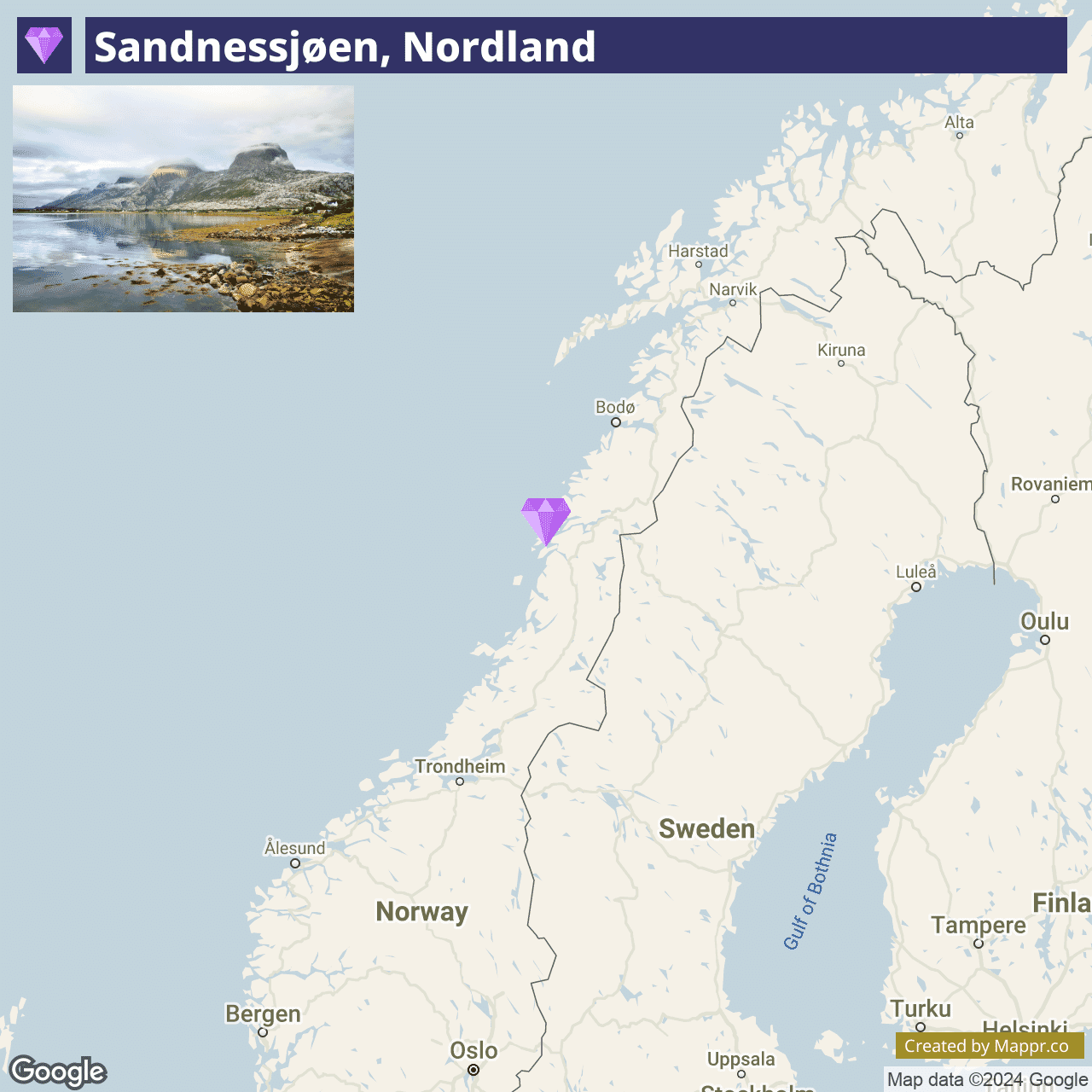
- ✈️ How to Get There: Sandnessjøen is accessible via Sandnessjøen Airport, which has regular flights from major Norwegian cities, providing a convenient gateway for visitors.
- 🏨 Where to Stay: Check recommended places to stay in Sandnessjøen.
7. Nidaros Cathedral
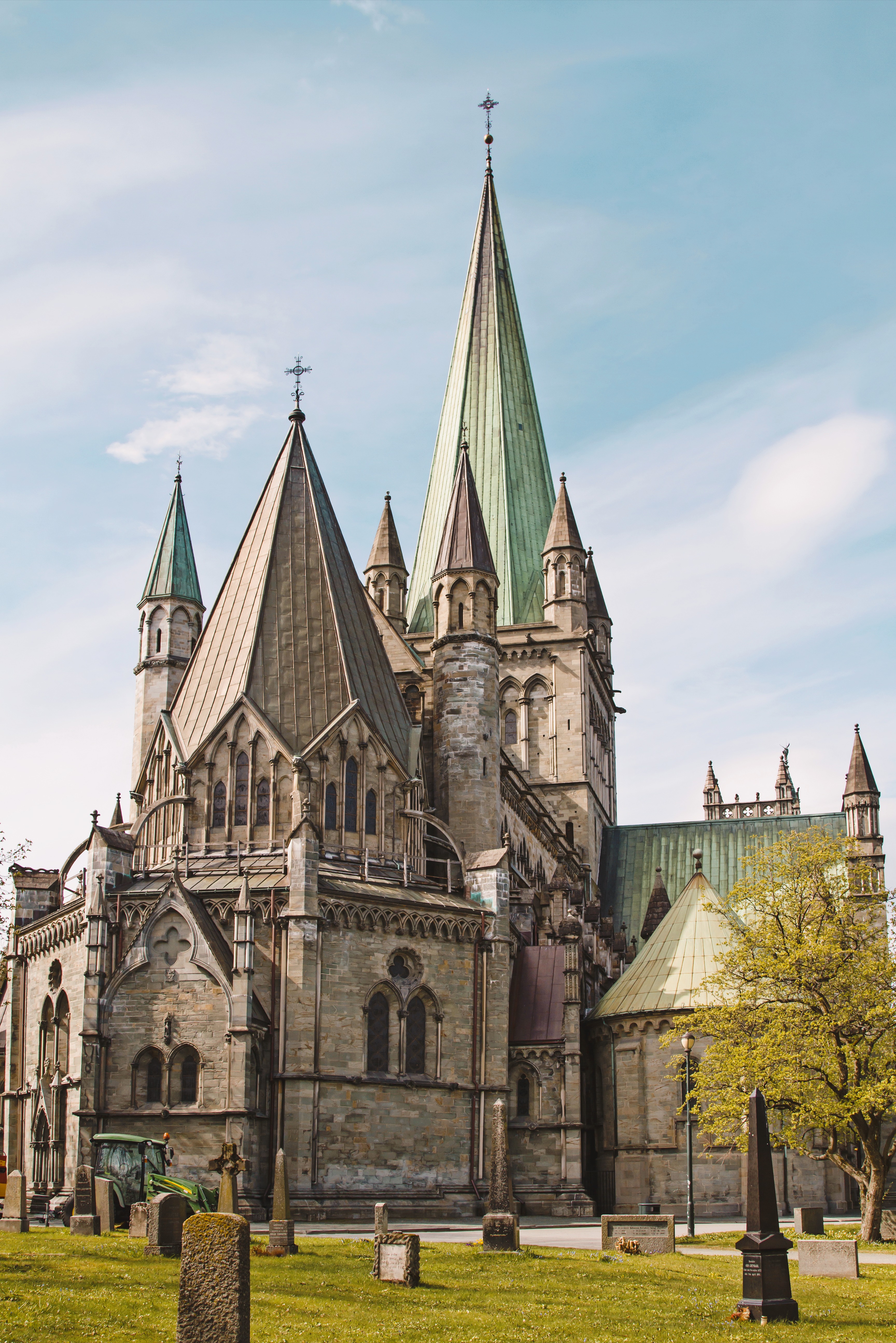
Nidaros Cathedral, located in the historic city of Trondheim, Trøndelag, is a monumental piece of architecture and a summer gem for those interested in Norway’s cultural and religious heritage.
As the world’s northernmost medieval cathedral, Nidaros is a testament to Trondheim’s importance as a spiritual and cultural hub since the Viking Age.
The intricate gothic facades and stunning stained glass windows of Nidaros are best appreciated in the soft summer light, offering a tranquil ambiance for reflection and admiration.
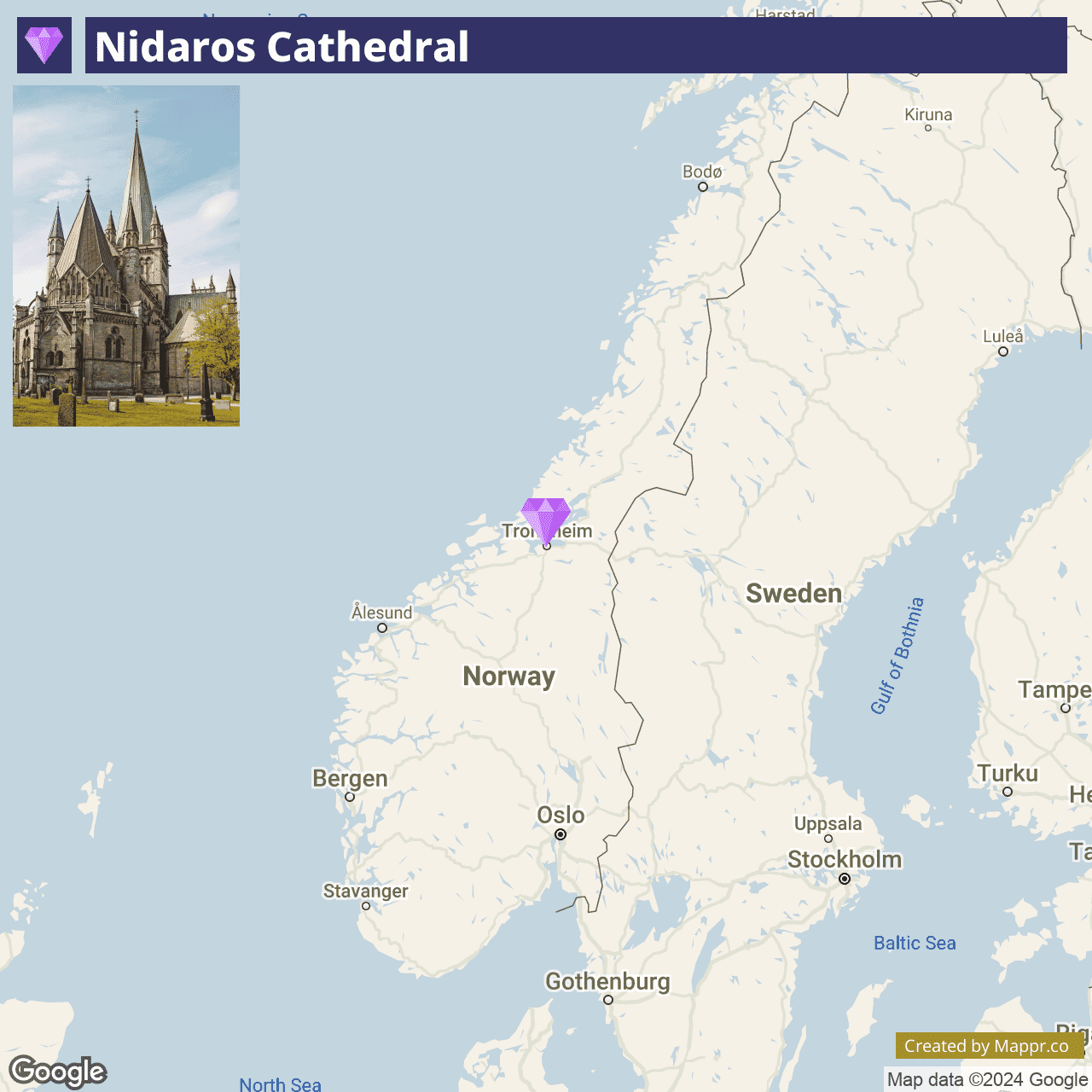
- ✈️ How to Get There: Trondheim is well-connected by air, with Trondheim Airport offering numerous domestic and international flights.
- 🏨 Where to Stay: Check recommended places to stay in Nidaros Cathedral.
8. Heningsvaer, Vågan
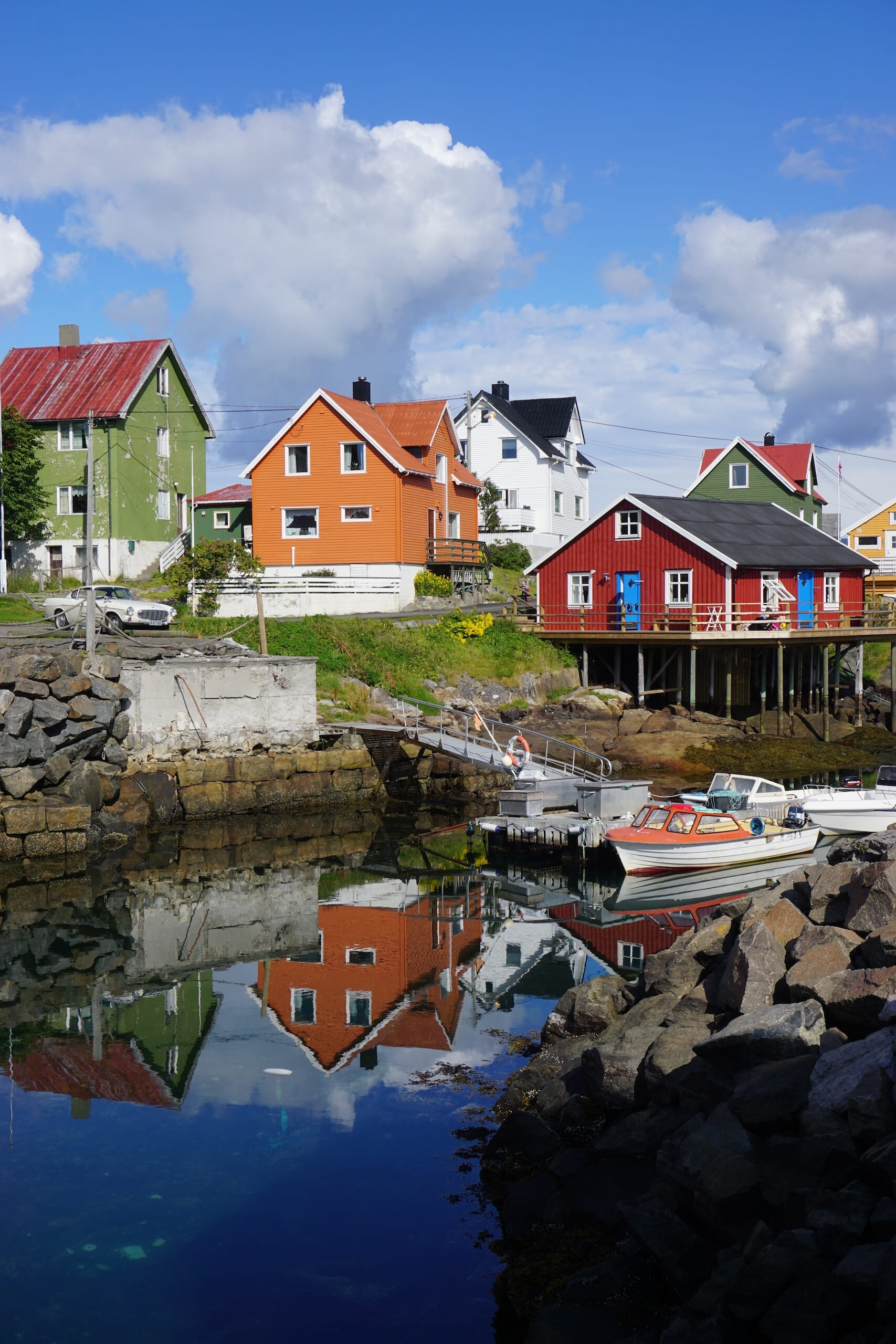
Henningsvær, perched on the tiny islands in the Lofoten archipelago within Vågan municipality, transforms into an enchanting summer haven, blending the rugged charm of a traditional fishing village.
This picturesque village, often referred to as the “Venice of the North,” captivates visitors with its crystalline waters, towering peaks, and a kaleidoscope of wooden Rorbuer (fishermen’s cabins) dotting the coastline.
Summer in Henningsvær is a vibrant affair, with endless daylight illuminating local art studios, cozy cafes, and the untamed beauty of the surrounding landscapes.
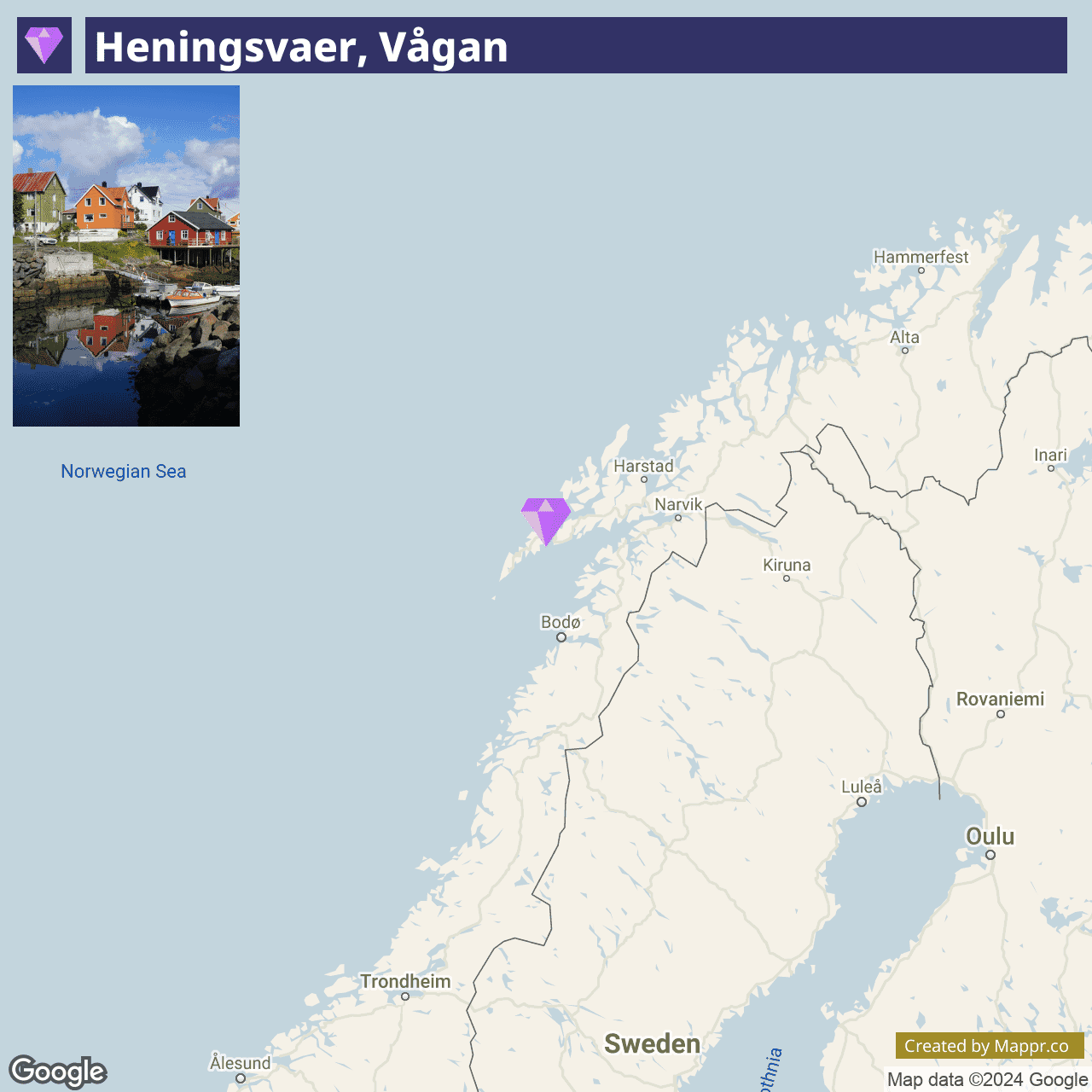
- ✈️ How to Get There: The journey to Henningsvær is an adventure in itself, with the nearest airport in Leknes, approximately an hour’s drive away.
- 🏨 Where to Stay: Check recommended places to stay in Heningsvaer.
9. Bodø, Nordland
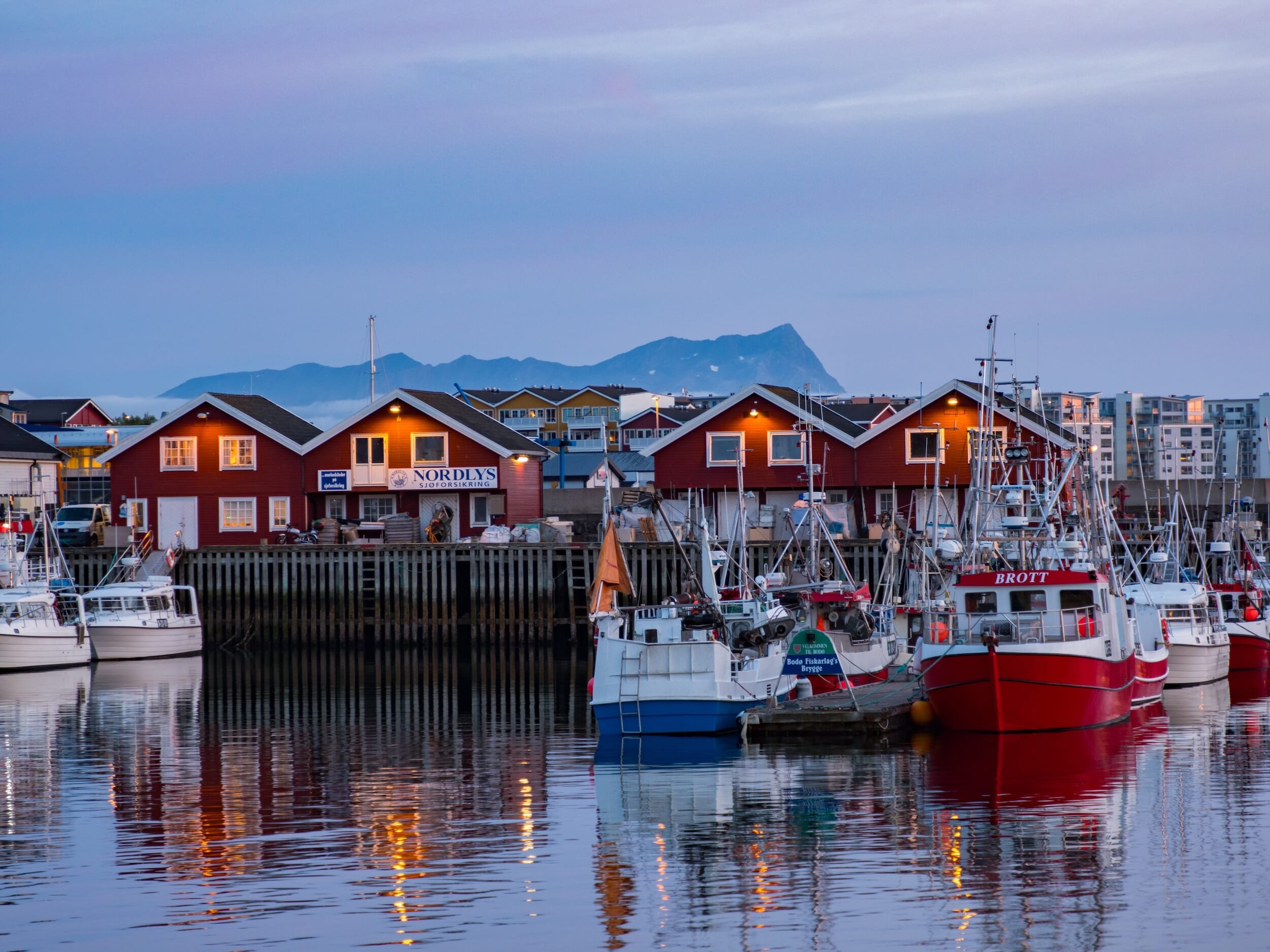
Bodø is the stepping stone to the Lofoten Islands and a destination rich with natural phenomena, cultural experiences, and historical depth.
From the mesmerizing Saltstraumen, the world’s strongest tidal current, to the burgeoning street art scene and the Norwegian Aviation Museum, Bodø offers a diverse palette of activities.
The summer months unveil an extraordinary landscape, ideal for outdoor pursuits such as hiking, kayaking, and enjoying the unique spectacle of the midnight sun, making Bodø an exhilarating blend of urban and natural attractions.
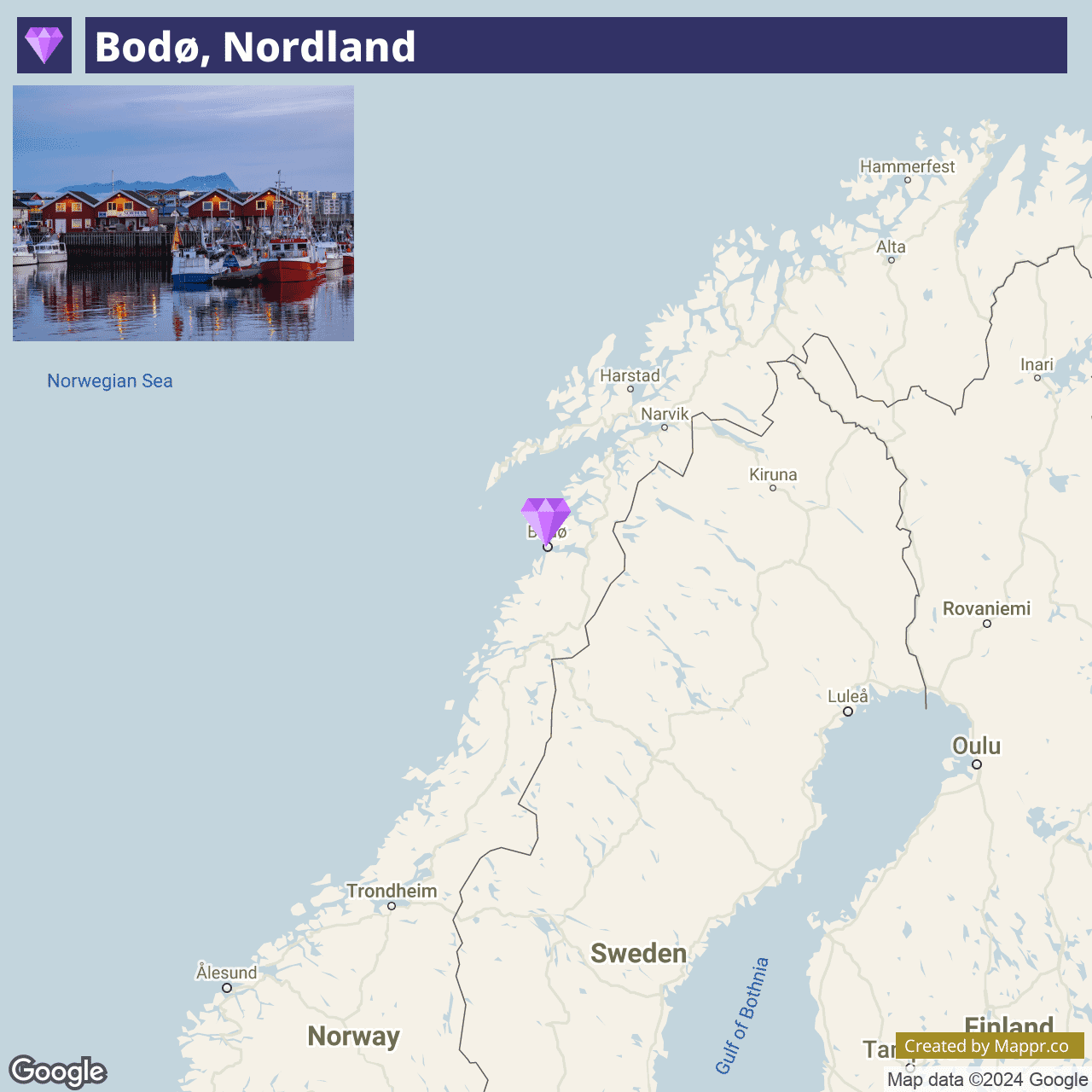
- ✈️ How to Get There: Bodø Airport, located just a short distance from the city center, provides convenient connections to major Norwegian cities and some international destinations, making it easily accessible for summer adventurers.
- 🏨 Where to Stay: Check recommended places to stay in Bodø.
10. Skjervøy, Troms
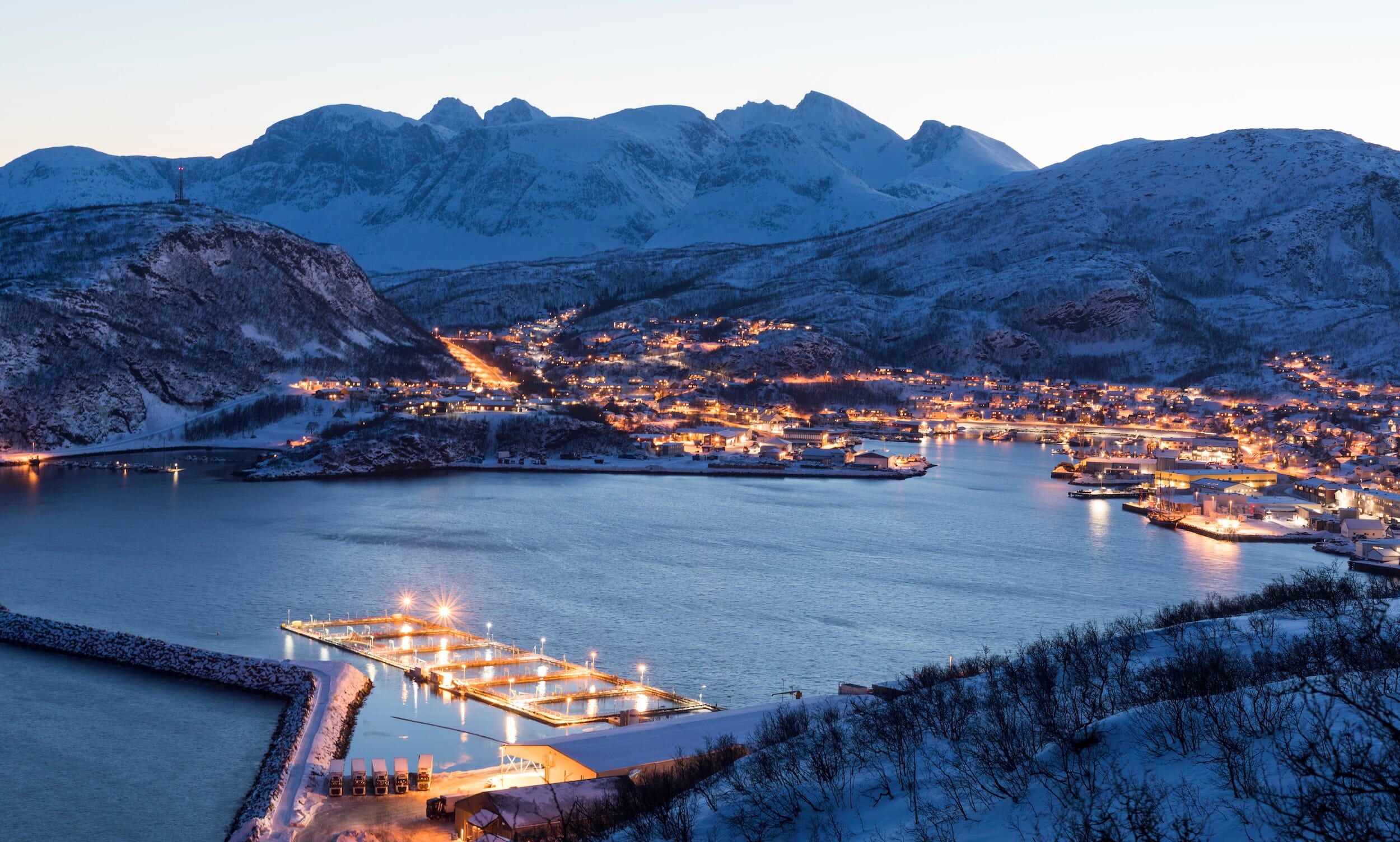
Skjervøy is a remote island community that boasts pristine natural beauty and rich marine life, especially during summer. Known for its vibrant fishing culture, the island is surrounded by crystal-clear Arctic waters.
The summer also brings to life the stunning hiking trails that crisscross the island, offering breathtaking views of the fjords and the Midnight Sun.
Skjervøy’s small-town charm and untouched natural surroundings provide a tranquil escape for those looking to connect with nature and experience the authentic Arctic lifestyle.
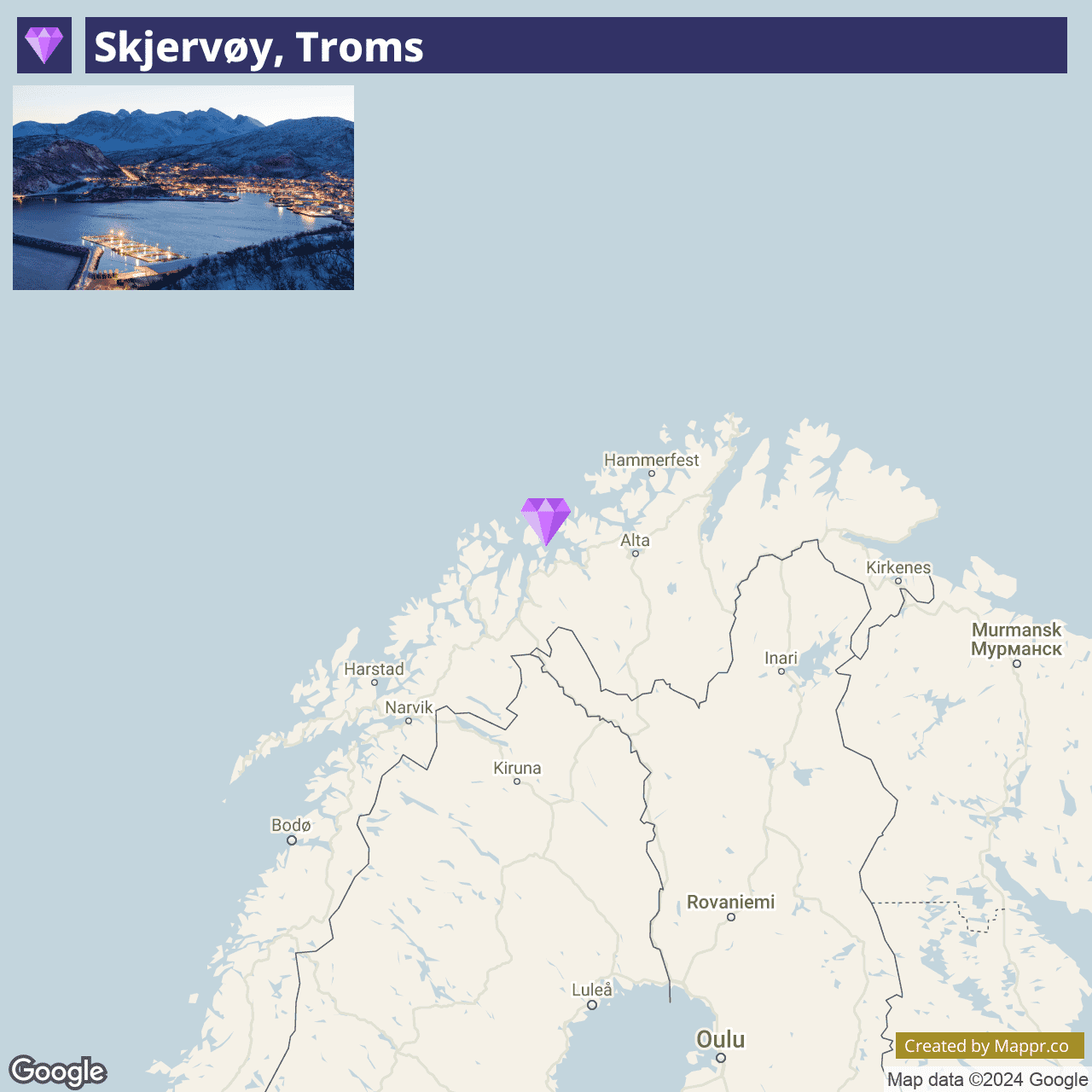
- ✈️ How to Get There: Although somewhat off the beaten path, Skjervøy is accessible by ferry from Tromsø. The ferry provides a scenic journey through the fjords. The nearest airport in Tromsø also connects the region with the rest of Norway and beyond.
- 🏨 Where to Stay: Check recommended places to stay in Skjervøy.
11. Femundsmarka, Innlandet
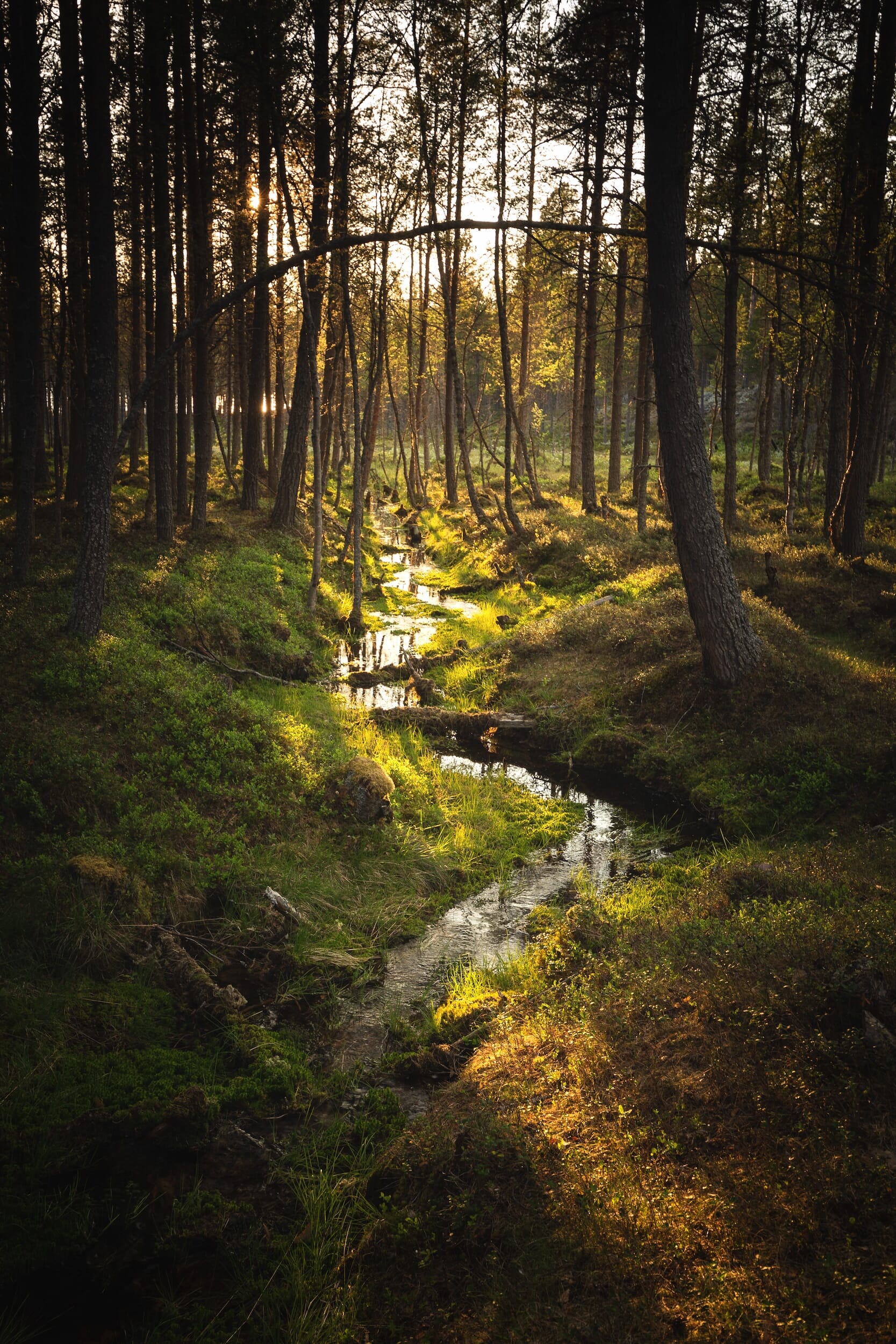
Femundsmarka National Park is a sprawling wilderness area in the Innlandet region that offers an unspoiled sanctuary for nature enthusiasts.
This expansive park is characterized by its vast plateaus, dense forests, and myriad pristine lakes and rivers, offering a picturesque backdrop for hiking, paddling, and fishing.
The tranquility of Femundsmarka, with its clear skies and minimal light pollution, also makes it an exceptional location for stargazing.
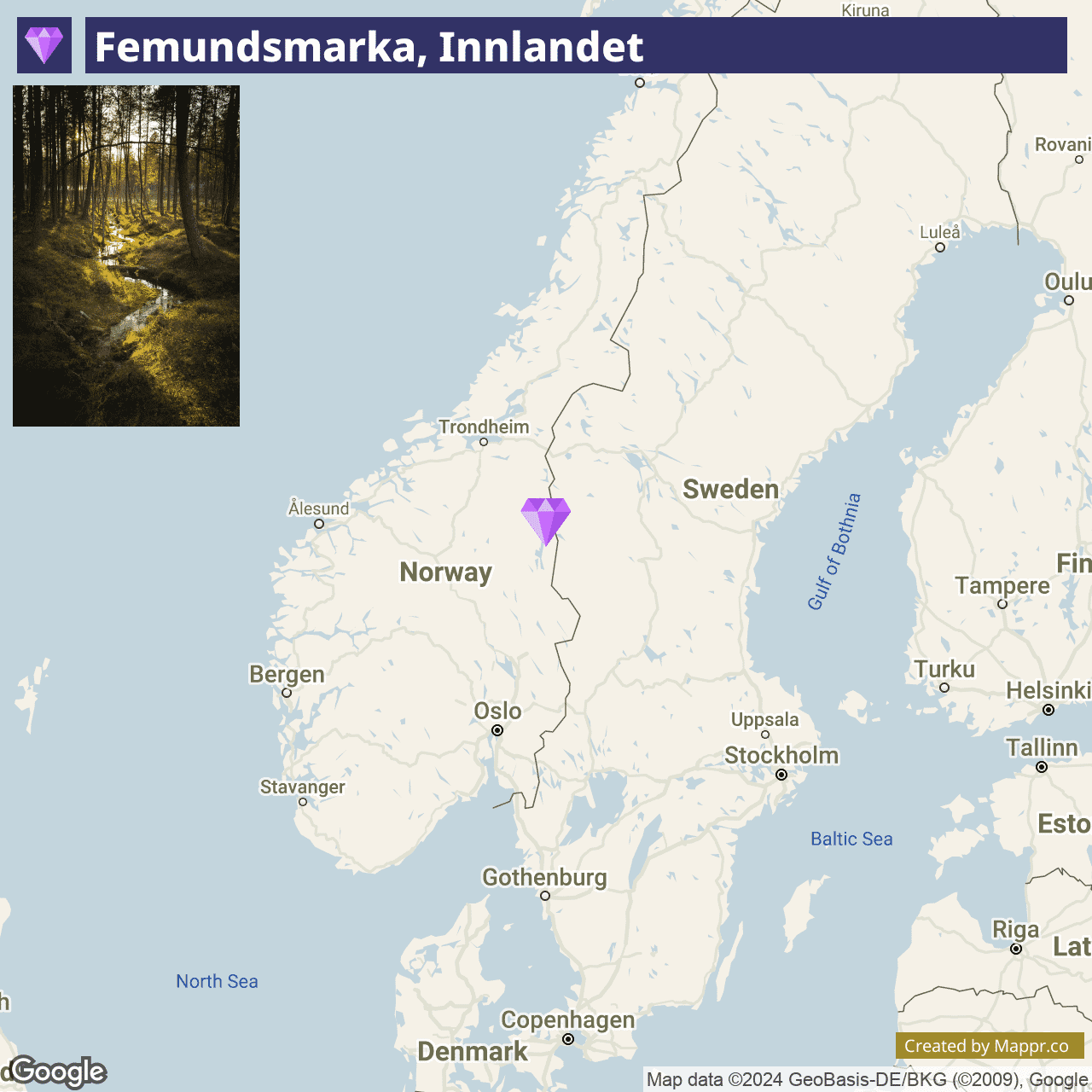
- ✈️ How to Get There: The nearest major towns with accessible transportation links are Røros and Elgå. Røros, known for its historic mining town, has both an airport and train connections.
- 🏨 Where to Stay: Check recommended places to stay in Femundsmarka.
12. Telemark Canal
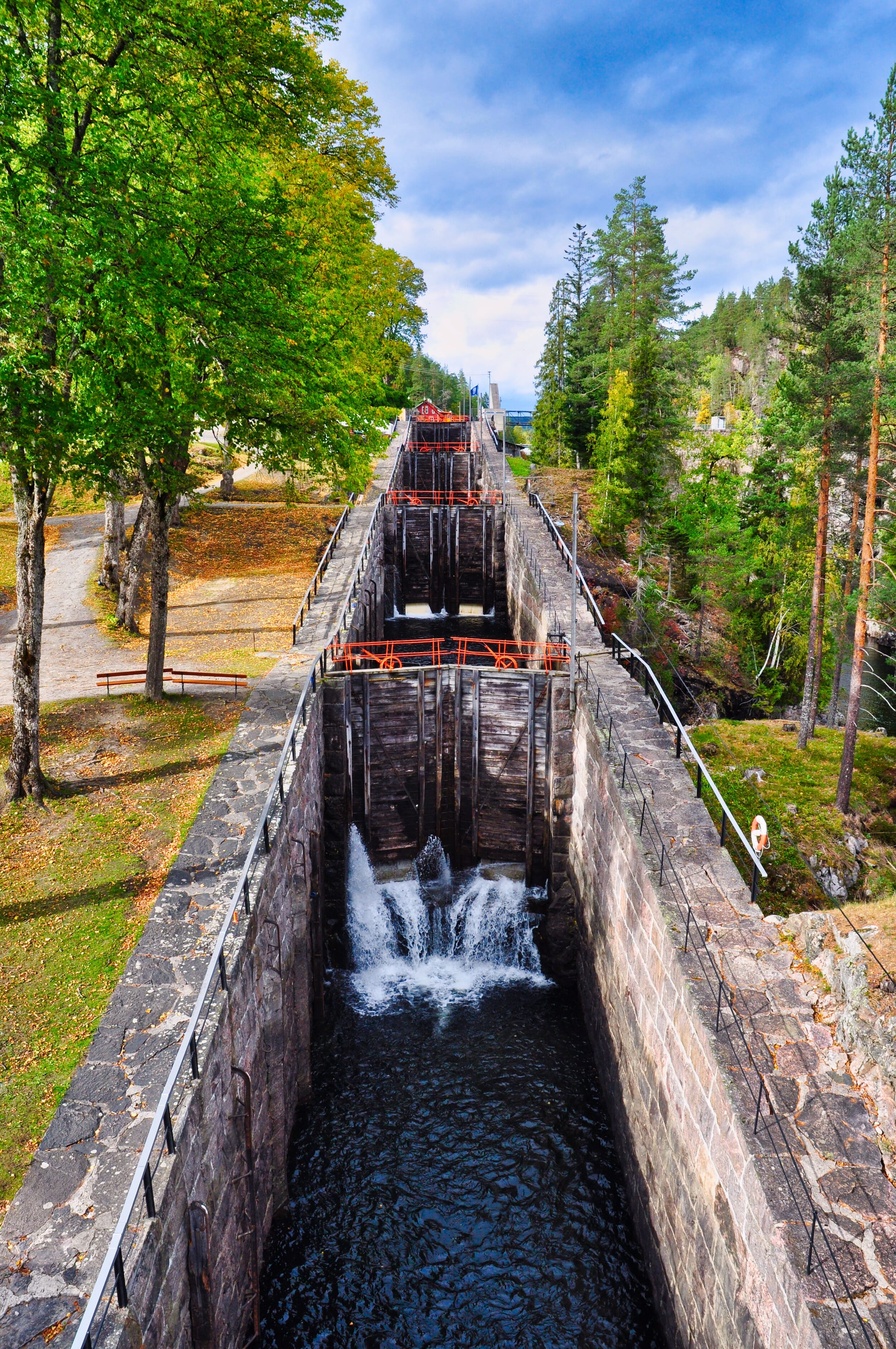
The Telemark Canal, often referred to as “the eighth wonder of the world,” combines engineering marvel with natural beauty, offering a journey through time and nature.
The canal’s locks and serene waterways are flanked by lush greenery, quaint villages, and historic landmarks, providing a unique perspective on Norway’s cultural heritage and breathtaking scenery.
A summer voyage on the Telemark Canal promises tranquil waterside views and various activities such as cycling, hiking, and exploring the cultural attractions along its banks.
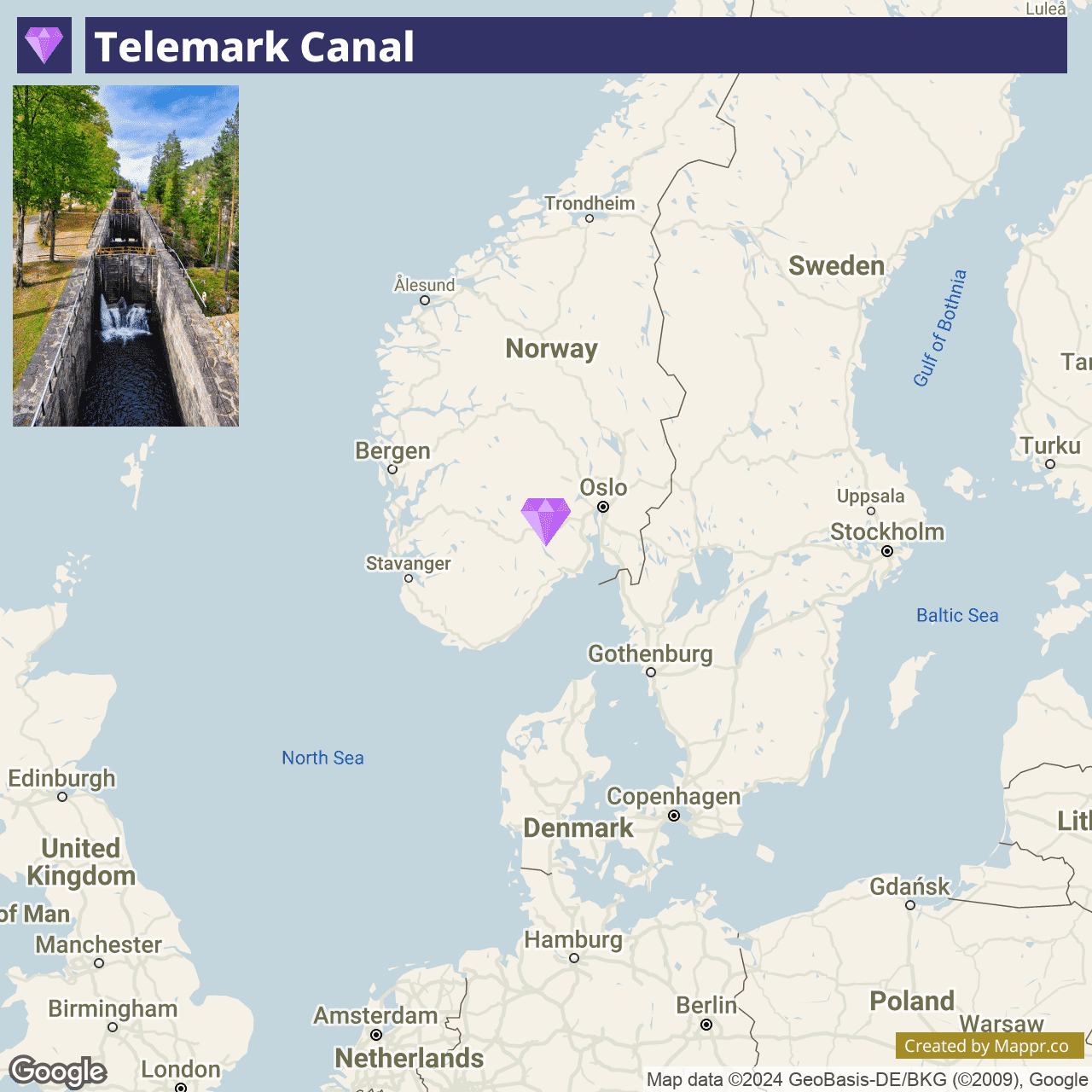
- ✈️ How to Get There: The Telemark Canal is accessible from various points, with Skien and Dalen being the primary gateways. Skien is well-connected by train and bus services from major Norwegian cities.
- 🏨 Where to Stay: Check recommended places to stay in Telemark Canal.
13. Florø, Kinn
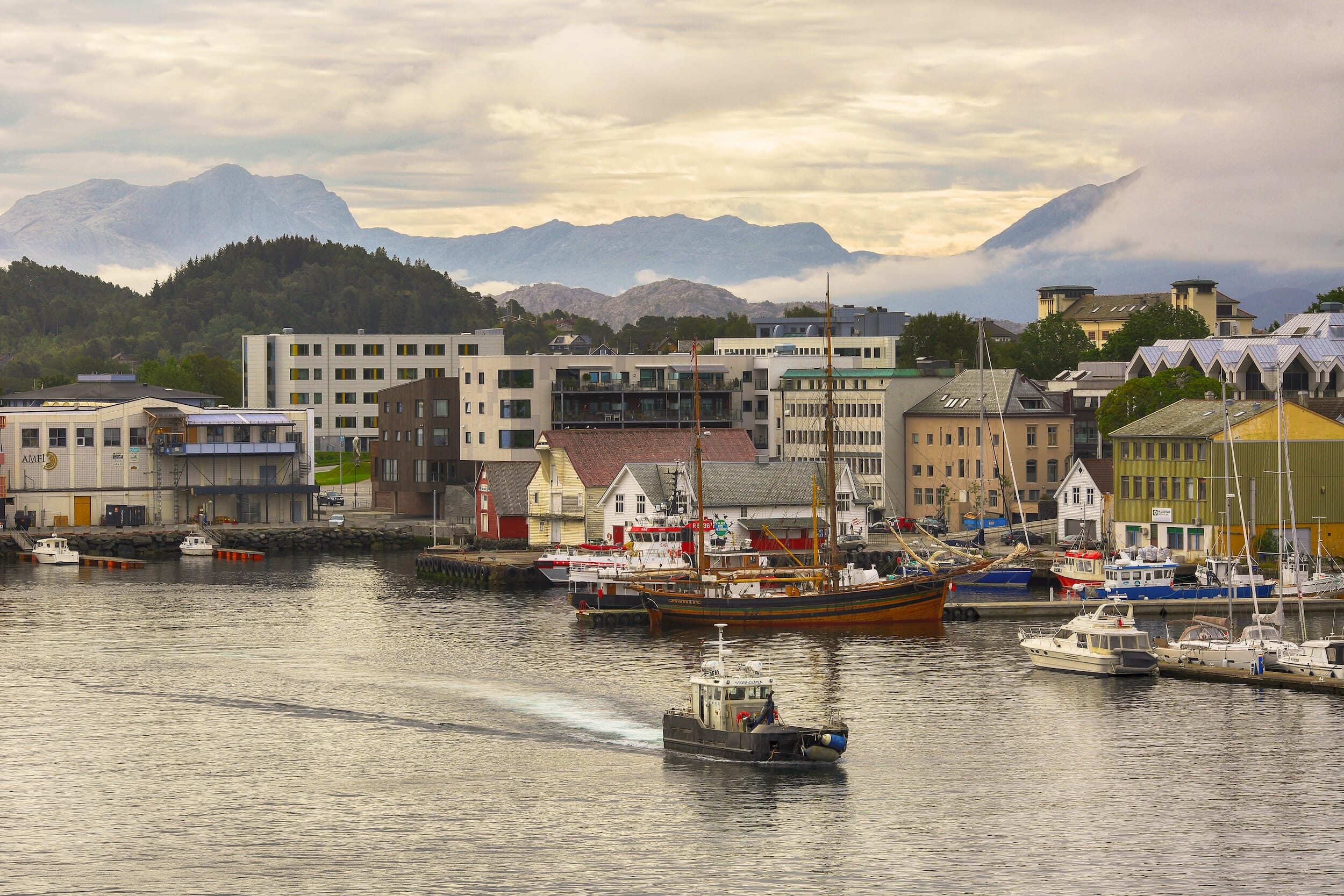
Florø is Norway’s westernmost town, boasting a rich maritime history and a vibrant community The town is a hub for exploring the surrounding islands, each offering unique landscapes and cultural experiences.
From kayaking in the crystal-clear waters to hiking the coastal trails, Florø serves as a gateway to the untamed beauty of Norway’s western coastline.
Its intimate atmosphere, cultural festivals, and local gastronomy invite visitors to experience the authentic charm of Norwegian coastal towns.
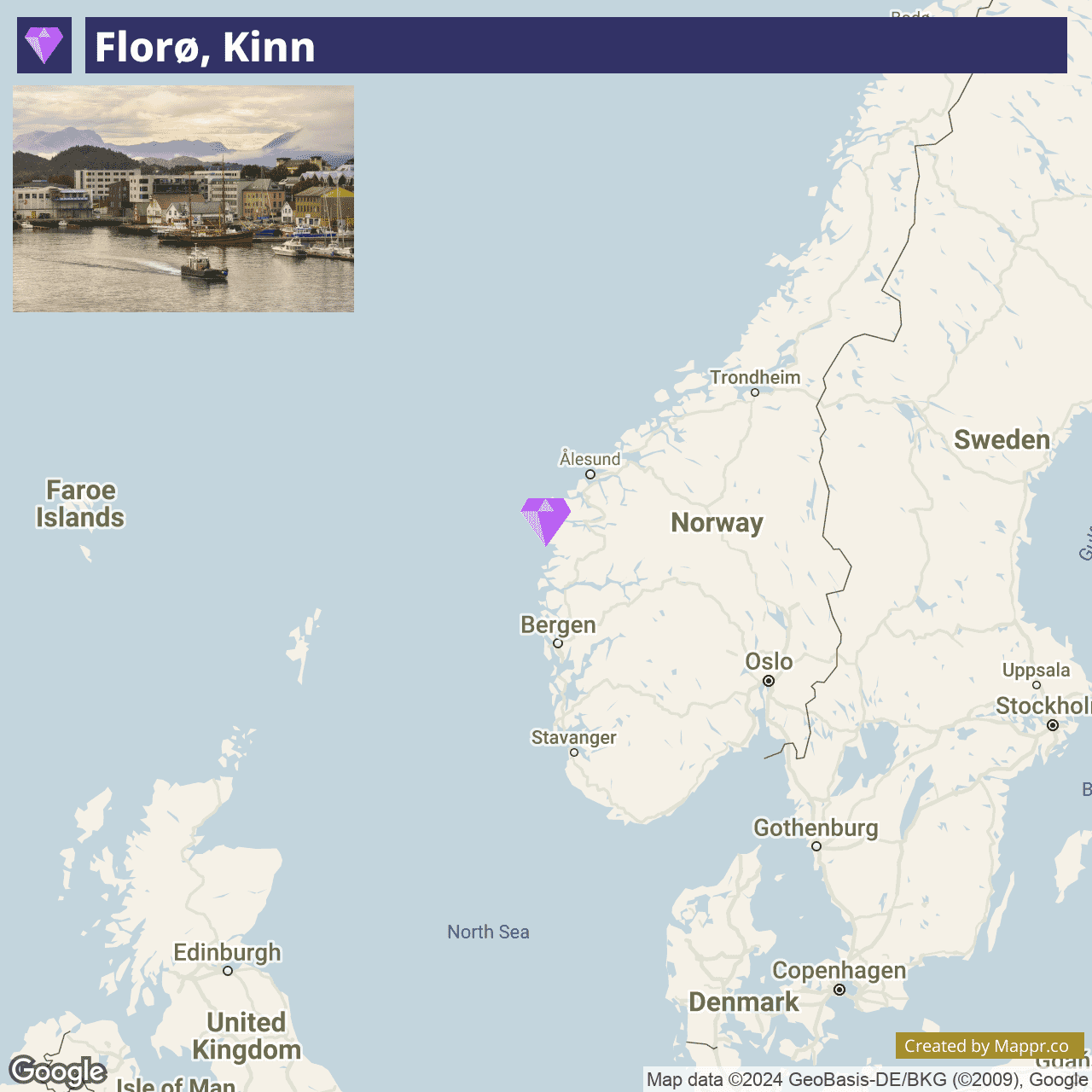
- ✈️ How to Get There: Florø is well-connected by air, with daily flights from Bergen and Oslo, providing an easy route for visitors. The town is also accessible by boat, offering a scenic approach via the sea.
- 🏨 Where to Stay: Check recommended places to stay in Florø.
14. Alesund City
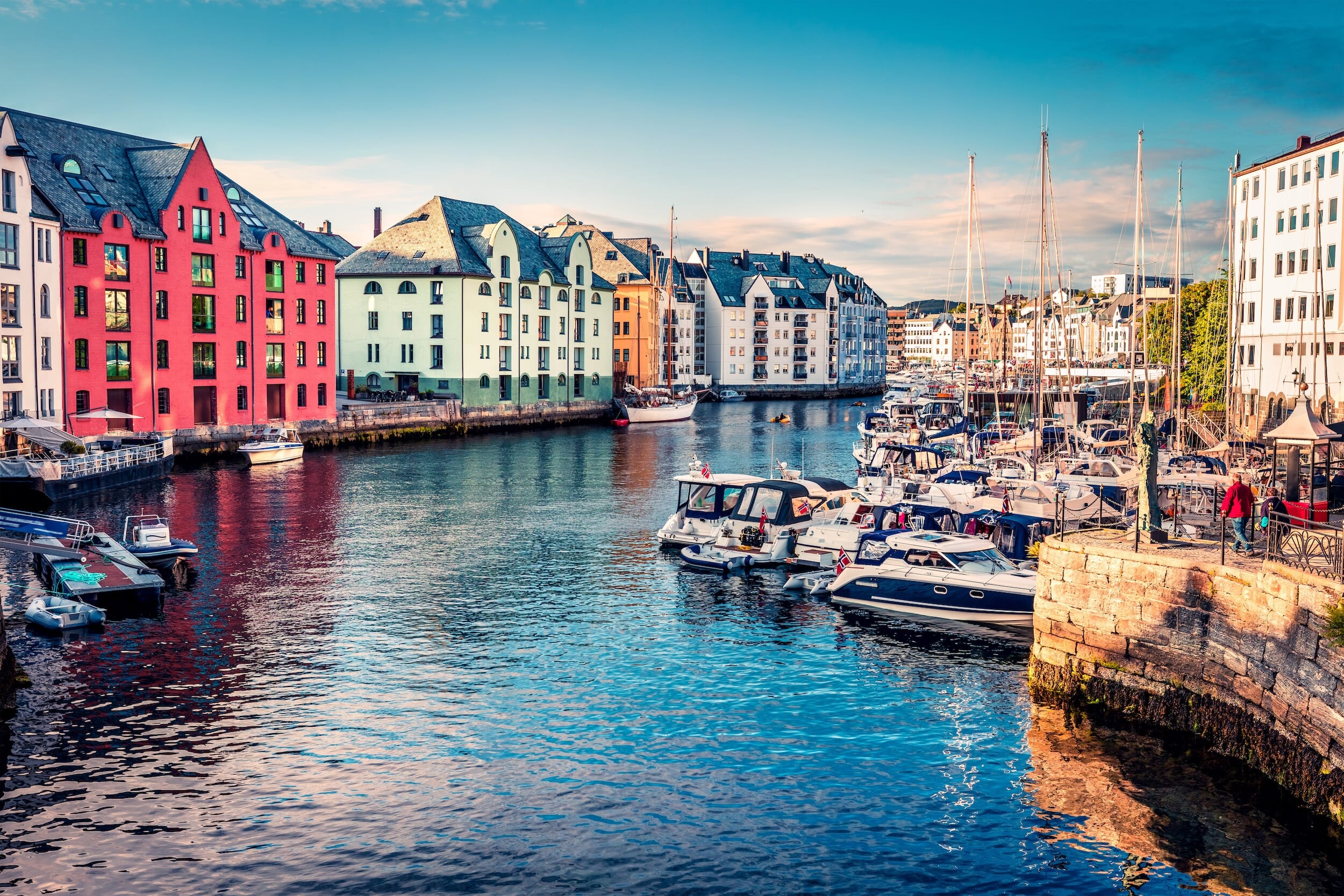
Ålesund City was rebuilt from the ashes of a devastating fire in 1904; today, it stands as a testament to resilience and beauty, with its ornate buildings and winding streets.
It is a gateway to the spectacular fjords and islands of the Sunnmøre region, offering a myriad of activities from kayaking in the Borgundfjorden to hiking the nearby Sunnmøre Alps.
The city’s unique architectural heritage, vibrant cultural scene, and proximity to raw natural beauty make it a compelling destination for travelers seeking a blend of urban sophistication and outdoor adventure.
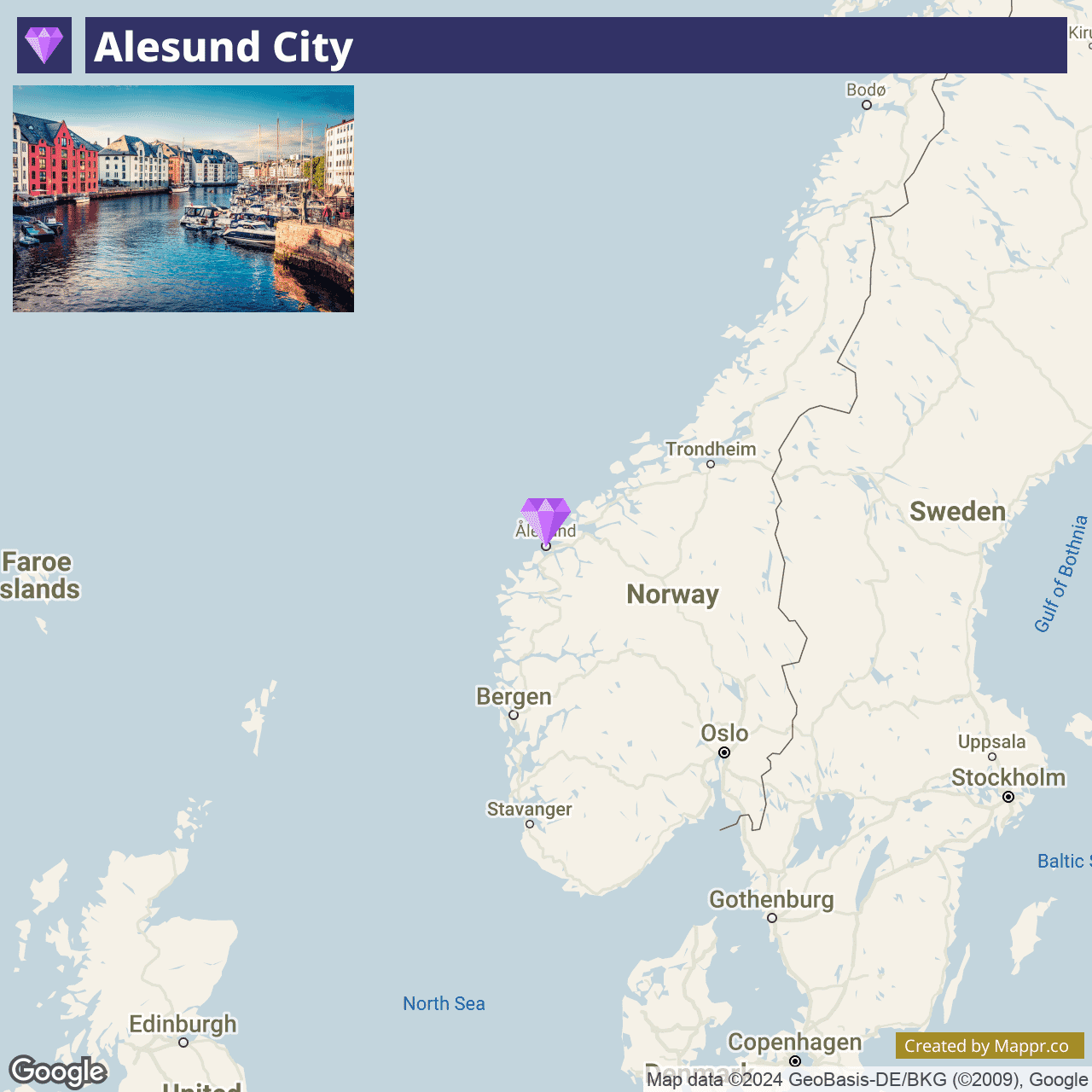
- ✈️ How to Get There: Ålesund is accessible via Ålesund Airport, Vigra, with regular flights from major Norwegian cities and some international connections.
- 🏨 Where to Stay: Check recommended places to stay in Alesund City.
15. Senja Island, Troms
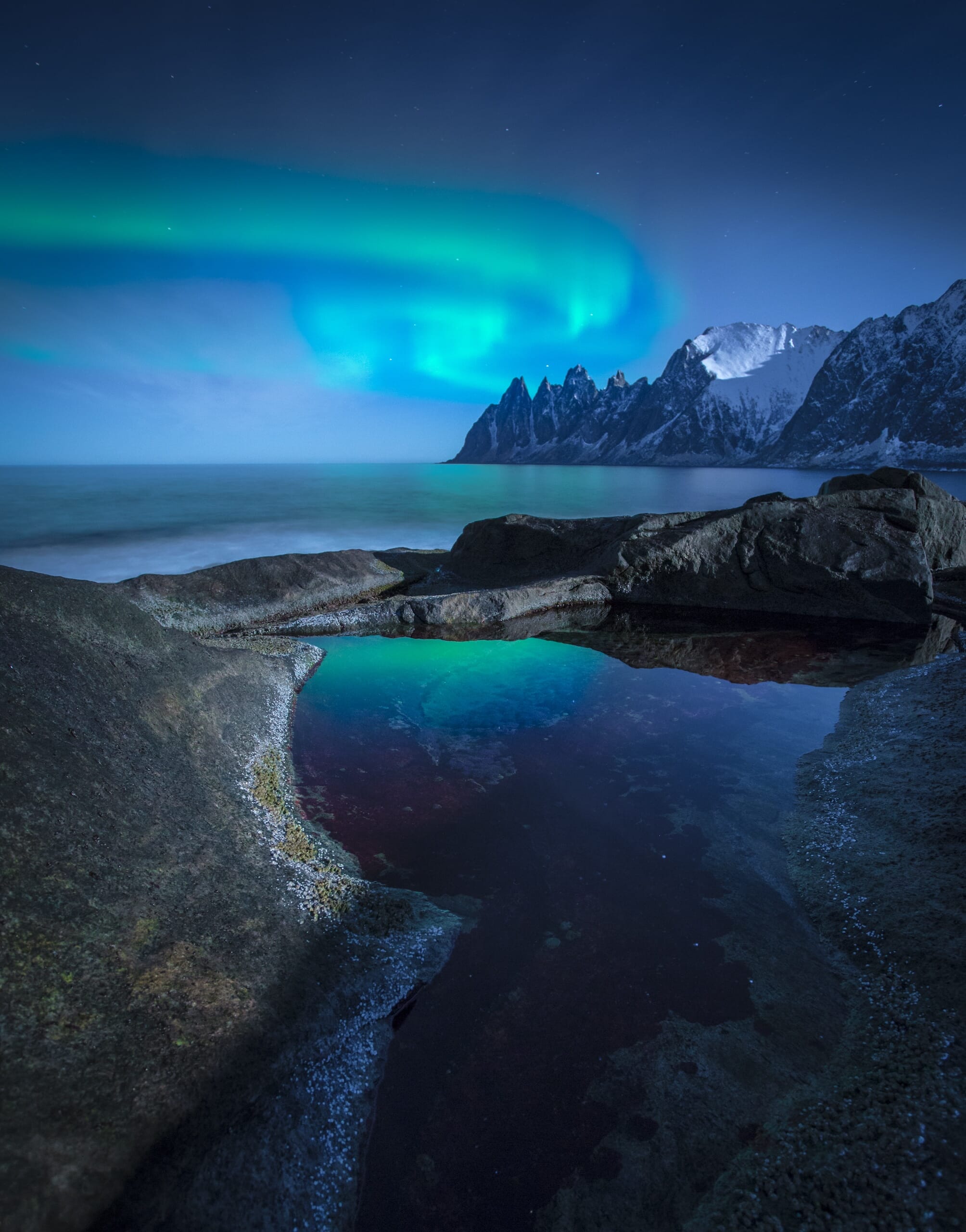
Senja is located in a dramatic landscape of mountains, fjords, and fishing villages, encapsulating the essence of Norwegian wilderness.
Often described as Norway in miniature, Senja offers a diverse range of natural attractions, from the jagged peaks of the Ånderdalen National Park to the serene sandy beaches of Ersfjorden.
The island is a haven for outdoor enthusiasts, with hiking, fishing, and wildlife-watching activities. Senja’s remote location and stunning landscapes provide a tranquil escape for those looking to explore the less-traveled paths of Norway’s Arctic region.
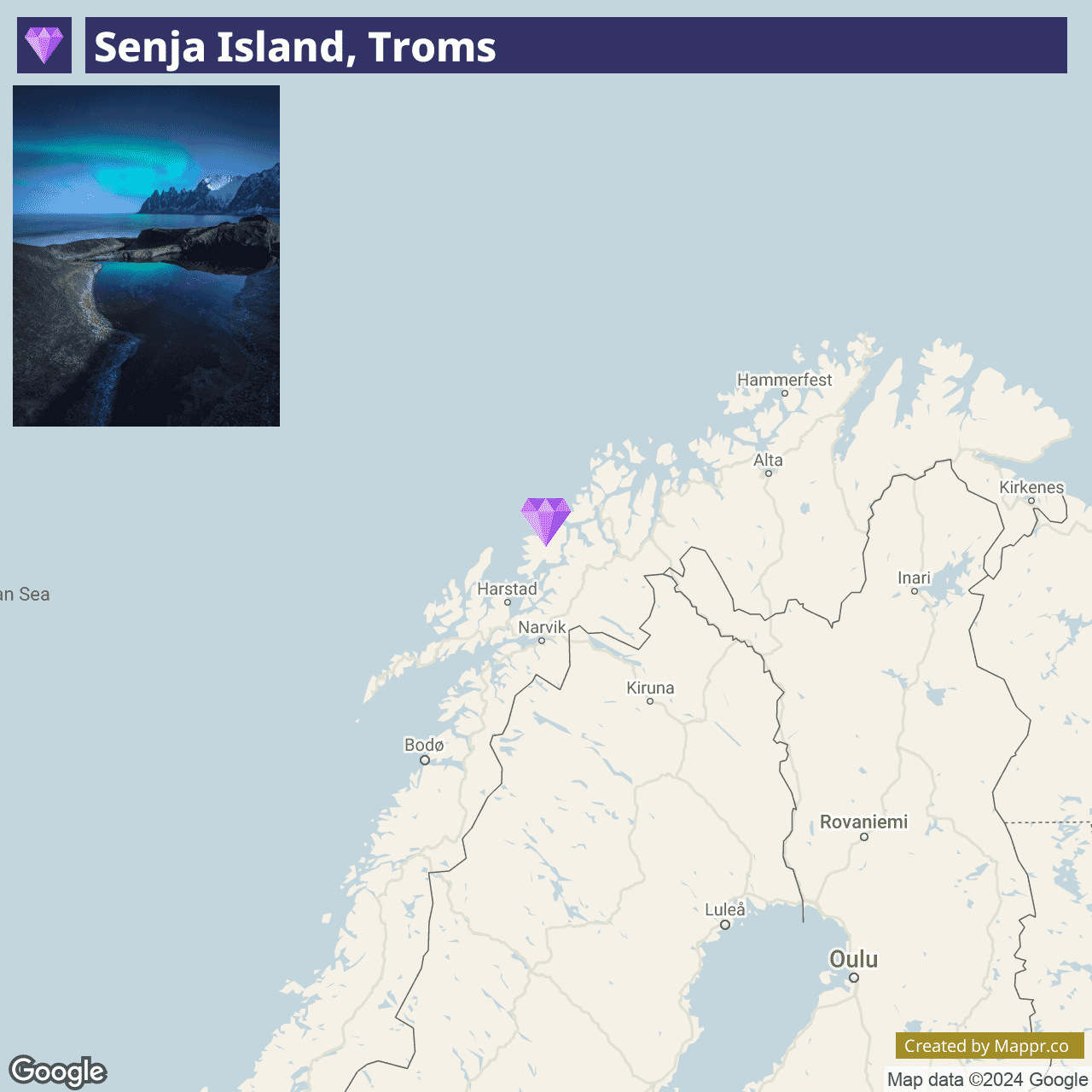
- ✈️ How to Get There: The island is connected to the mainland by the Gisund Bridge, making it accessible by road. The nearest major airport is Tromsø, from where you can drive or take a bus to Senja.
- 🏨 Where to Stay: Check recommended places to stay in Senja Island.
16. Aurlandsfjellet Fjord
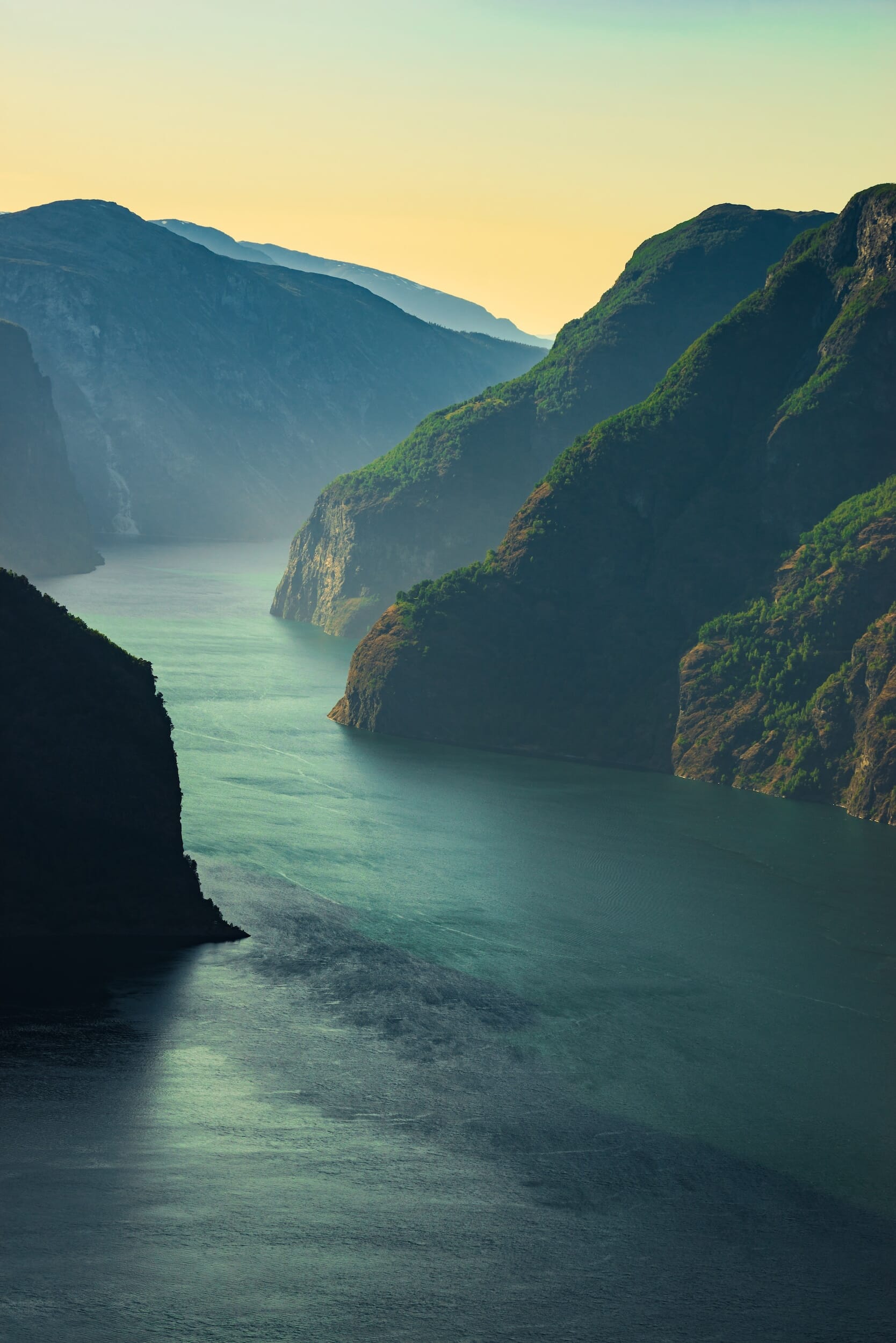
Aurlandsfjellet is renowned for the Aurlandsfjellet National Tourist Route, a dramatic and winding road that provides unparalleled views of the fjord and the surrounding mountains.
The Stegastein viewpoint, a cantilevered platform extending out over the fjord, offers a breathtaking perspective of the landscape for those seeking awe-inspiring natural beauty and a connection with the tranquil majesty of Norway’s fjord landscape.
Hiking, cycling, and fjord cruises are popular activities in this region, offering varied ways to immerse oneself in the stunning surroundings.
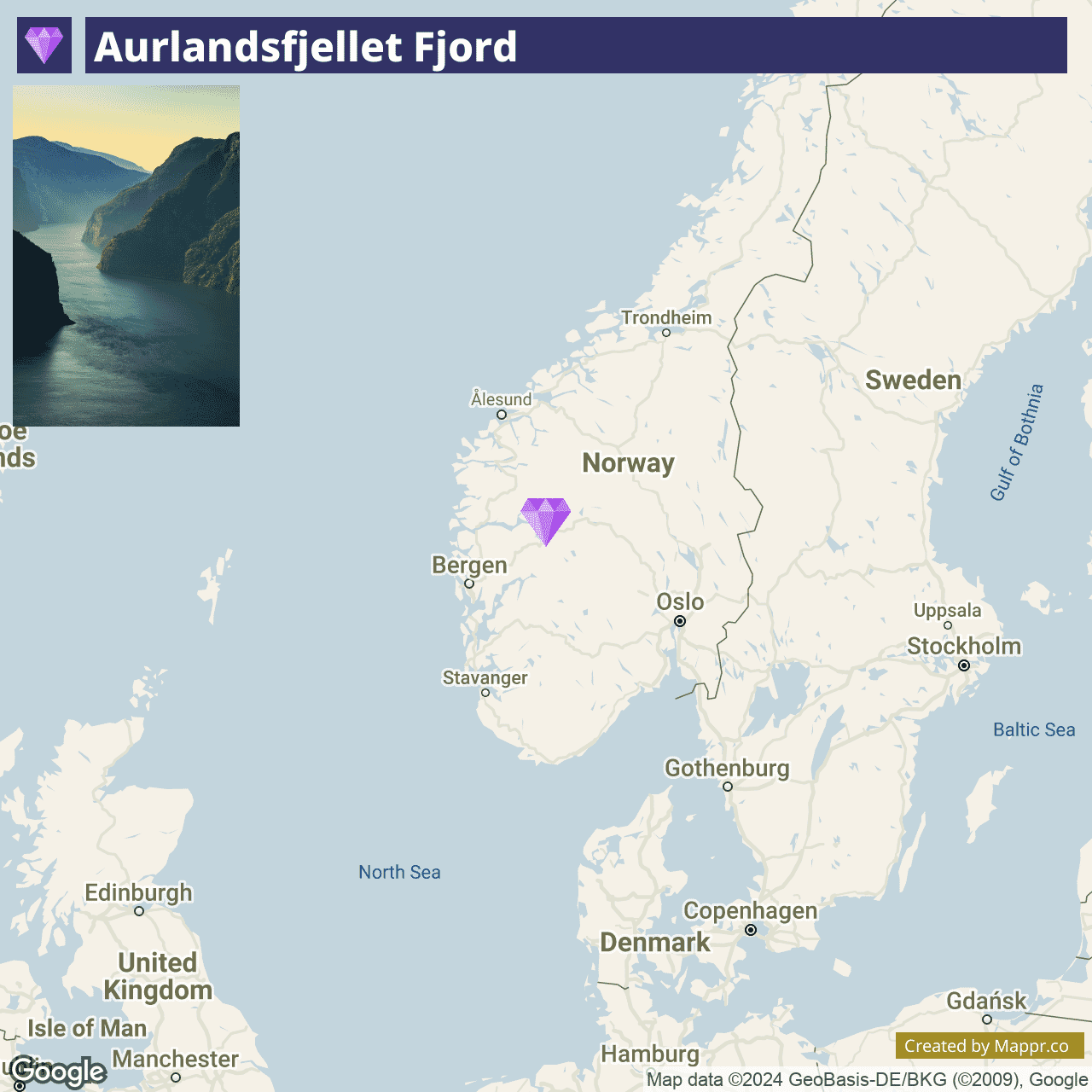
- ✈️ How to Get There: The nearest transportation hubs are in Flåm and Aurland, which are accessible by car, bus, and even by boat through the fjords.
- 🏨 Where to Stay: Check recommended places to stay in Aurlandsfjellet Fjord.
17. Trondheim, Central Norway
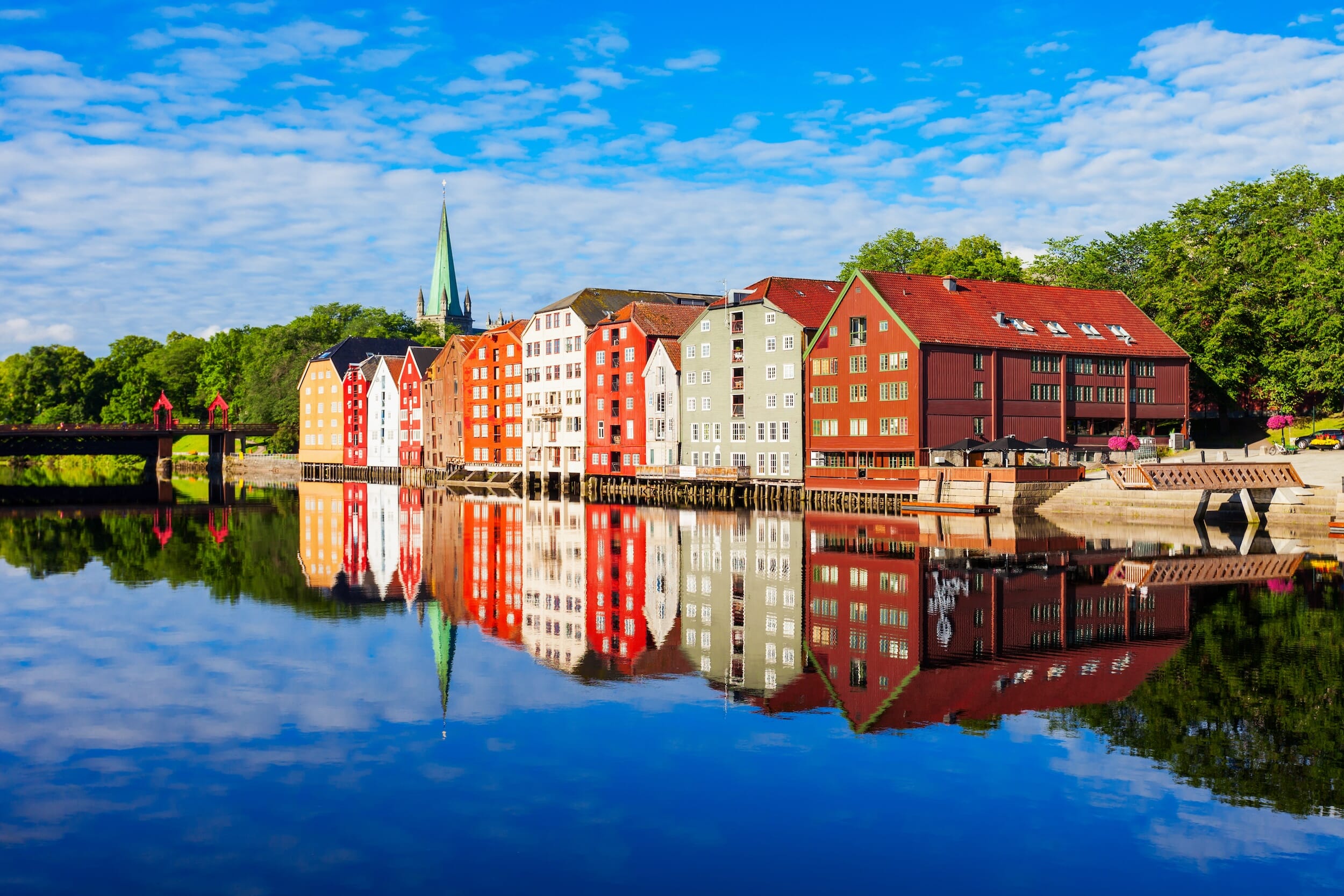
Trondheim is a city where history and innovation converge, offering a unique blend of ancient charm and modern vibrancy.
Beyond its historical allure, Trondheim is known for its bustling student population, contributing to the city’s lively atmosphere with an abundance of cafes, restaurants, and cultural events.
The city’s location by the Trondheimsfjord also allows for easy access to outdoor activities, from coastal walks to boat trips, making it a dynamic destination for visitors seeking cultural enrichment and natural beauty.
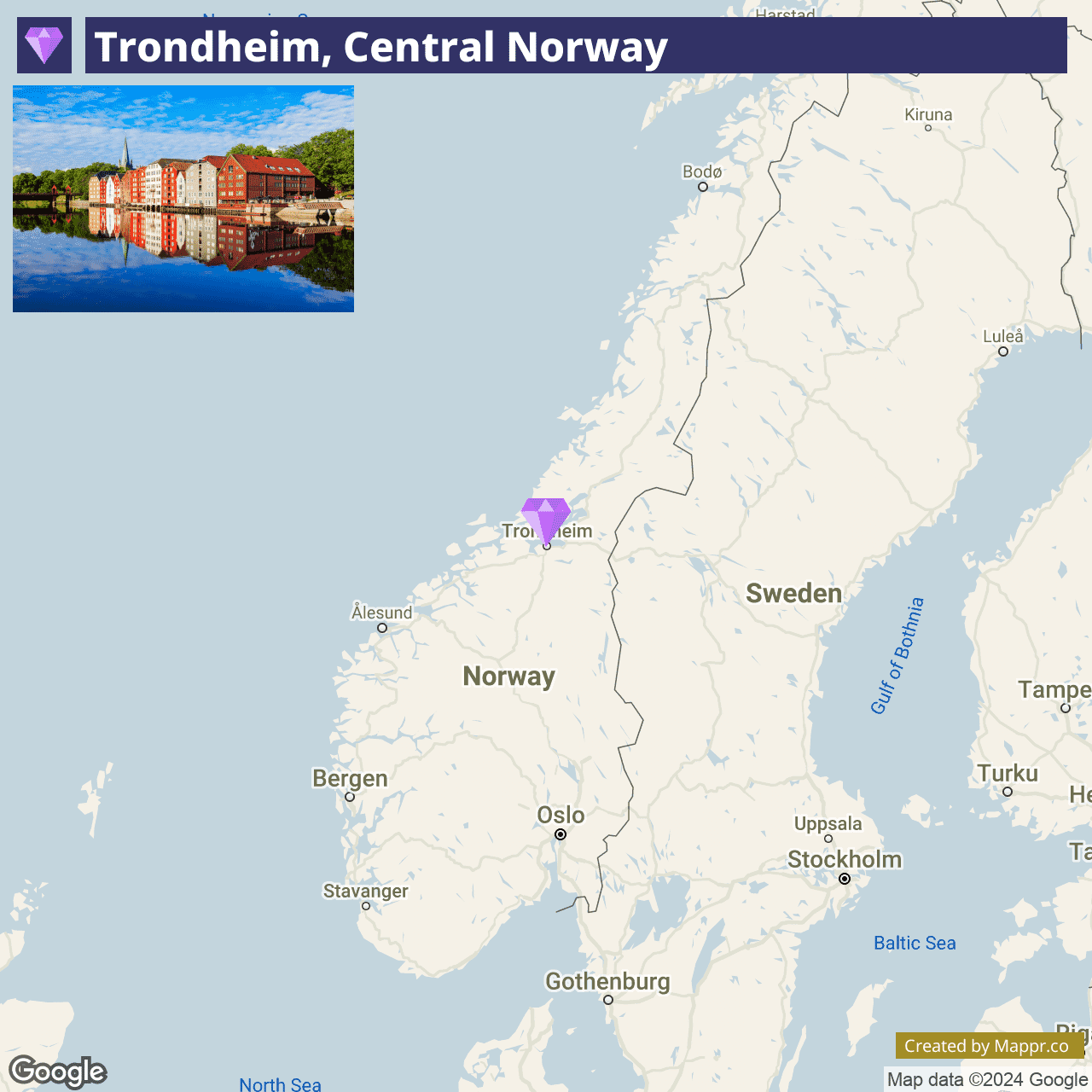
- ✈️ How to Get There: Trondheim Airport, Værnes, serves the city with flights from major Norwegian cities and some international destinations. The city is also accessible by train.
- 🏨 Where to Stay: Check recommended places to stay in Trondheim.
18. Kragerø, Telemark
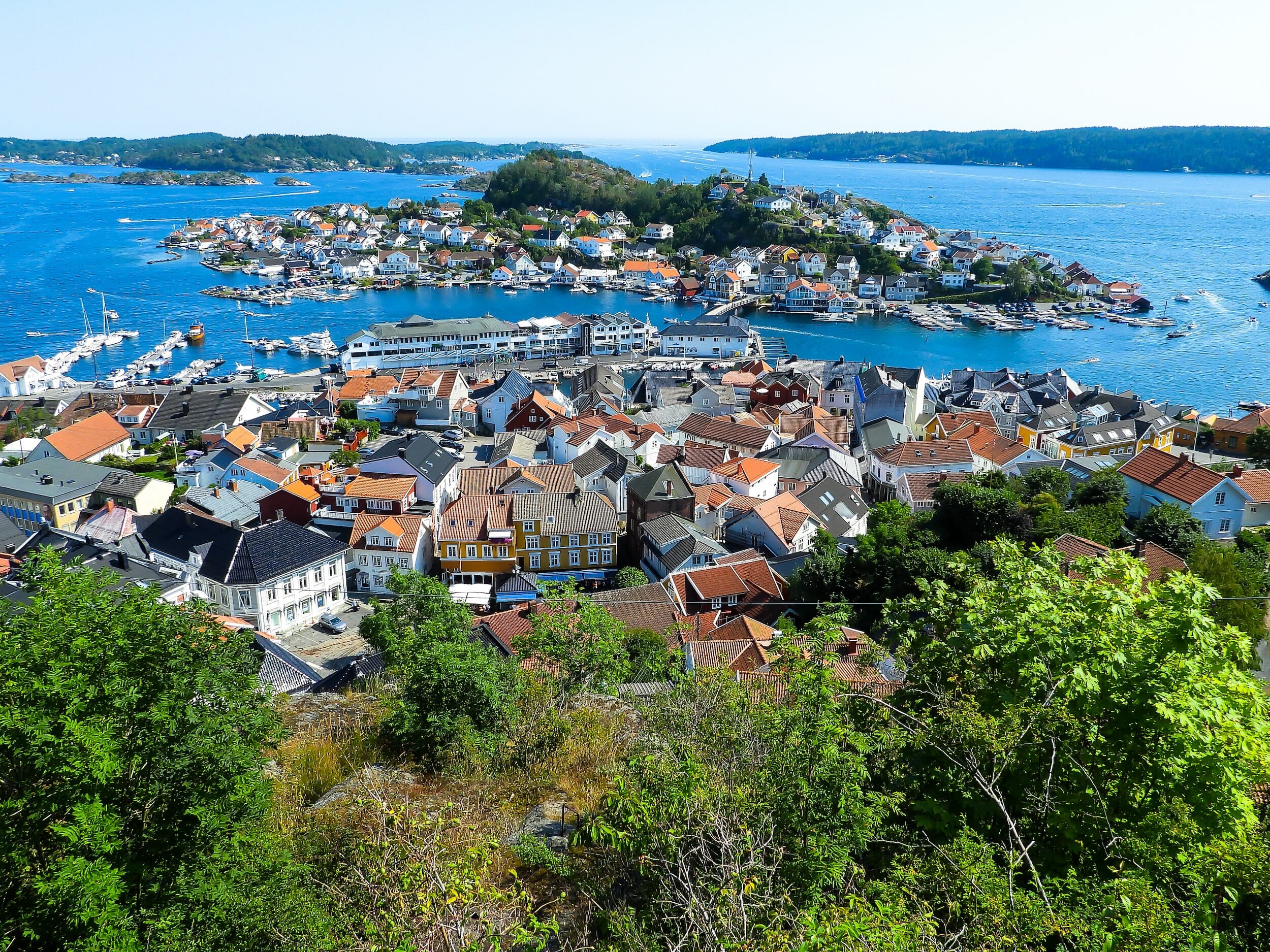
Kragerø blossoms into a vibrant coastal paradise in the summer, drawing artists and holidaymakers alike with its radiant charm. With its maze of islands, skerries, and coves, this seaside town offers a picturesque setting for boating, swimming, and exploration.
The summer months awaken the town’s bohemian spirit, with galleries, pop-up boutiques, and seafood restaurants lining the bustling streets, inviting visitors to immerse themselves in Kragerø’s lively atmosphere.
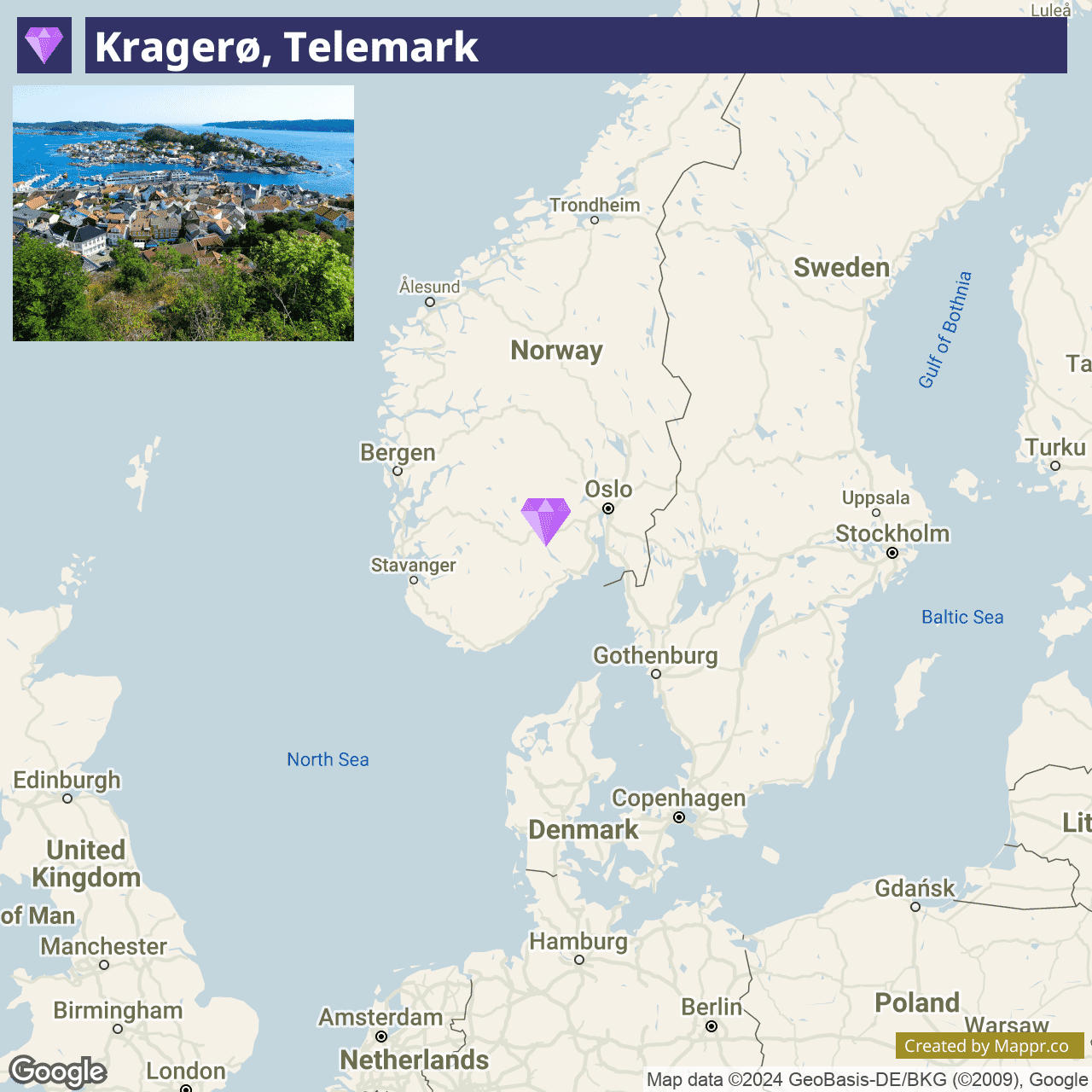
- ✈️ How to Get There: Kragerø is accessible by car or bus from major cities in Norway. In addition, seasonal ferry services connect Kragerø with various islands, enhancing the coastal experience.
- 🏨 Where to Stay: Check recommended places to stay in Kragerø.
19. Vettisfossen, Utladalen Valley
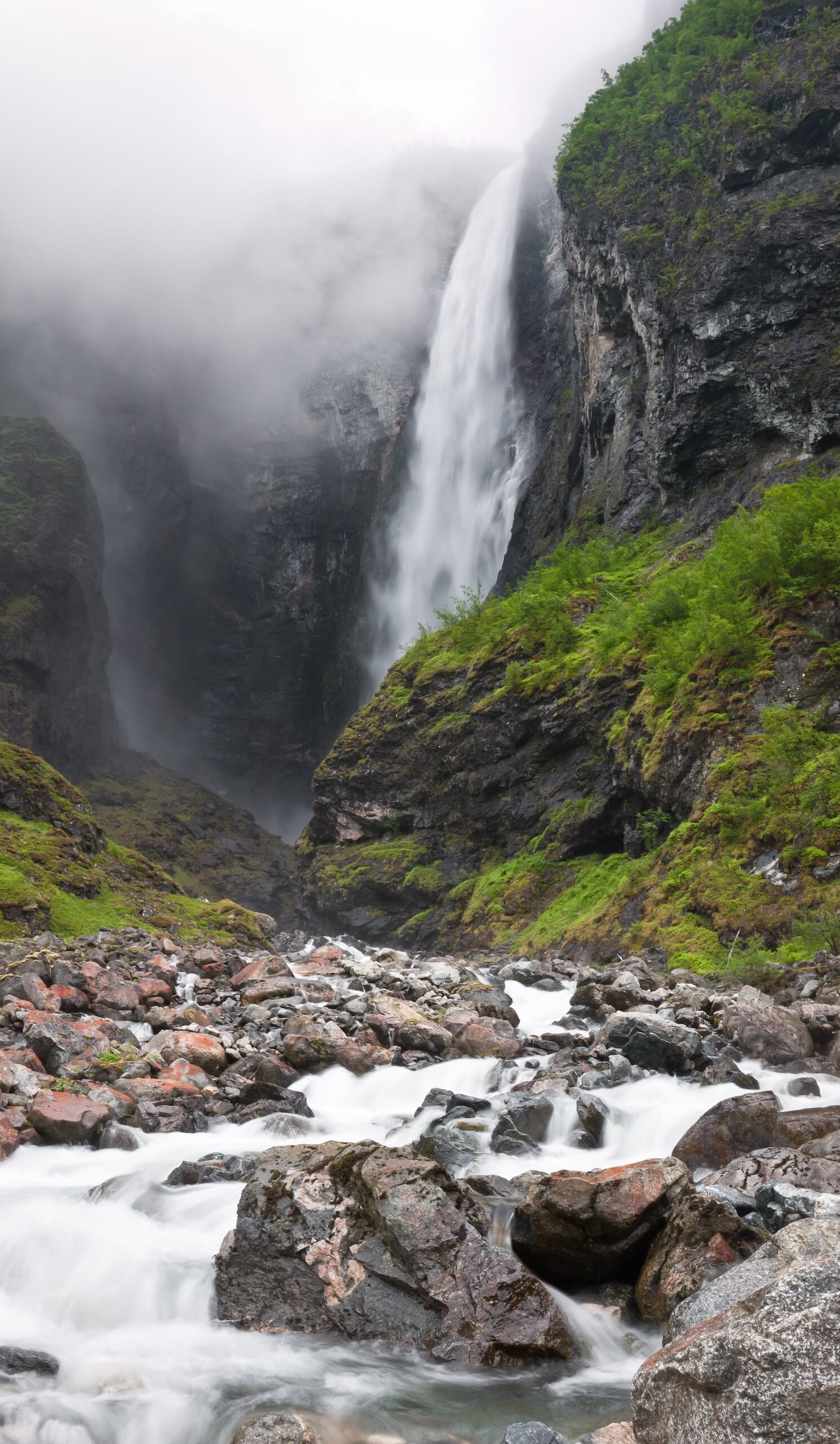
Vettisfossen is one of Norway’s tallest unregulated waterfalls. It cascades gracefully into the valley below within the rugged landscape of the Jotunheimen National Park, offering a serene and untouched glimpse into Norway’s wild heart.
The hike to Vettisfossen is an adventure in itself. It passes through verdant landscapes alongside rushing rivers and offers panoramic views of the valley.
Vettisfossen’s sheer power and beauty, coupled with the tranquility of its surroundings, make it a must-visit for nature enthusiasts and those seeking a connection with the raw, untamed beauty of the Norwegian wilderness.
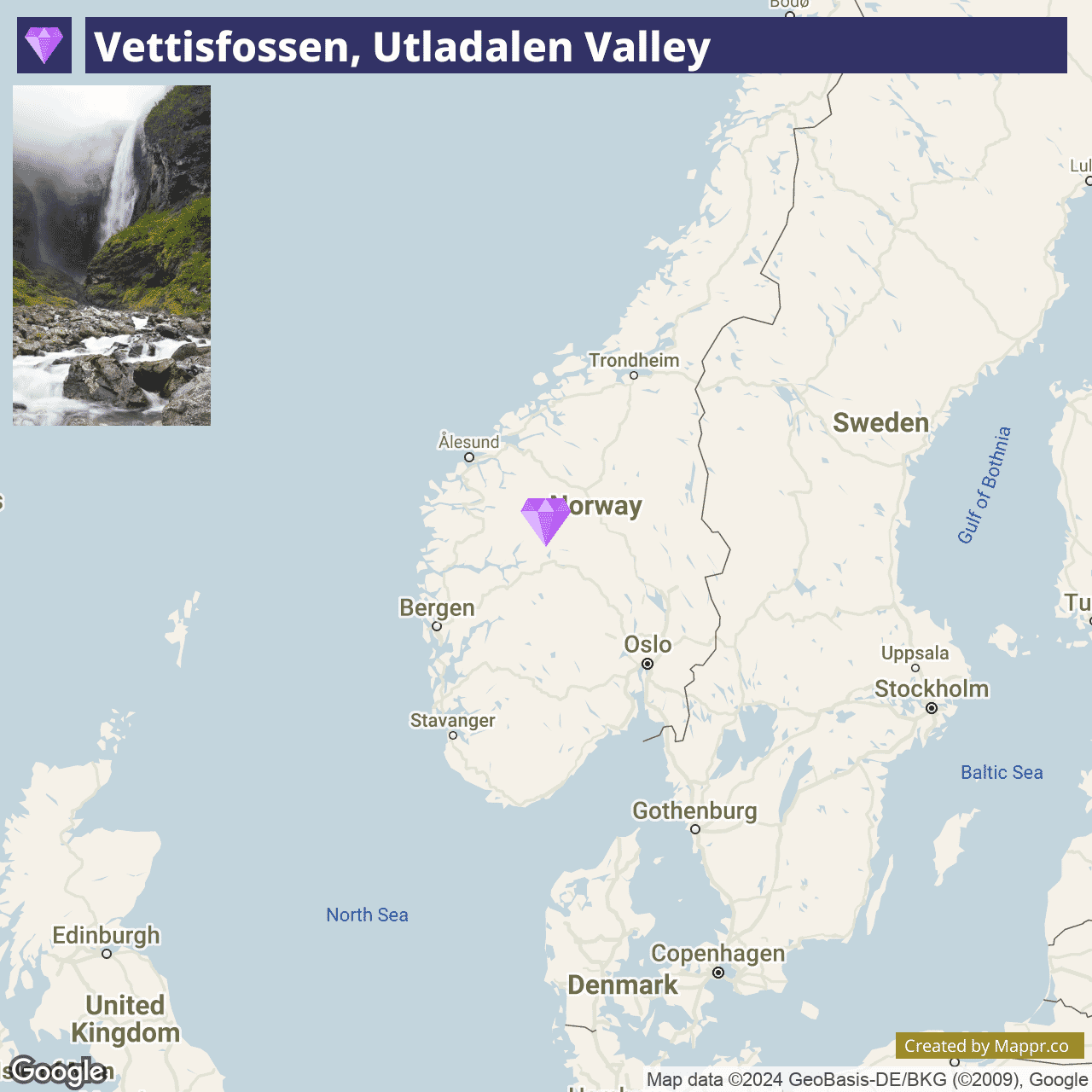
- ✈️ How to Get There: The closest major town is Årdal, accessible by car or bus from major cities in Norway. From Årdal, visitors can embark on the scenic trail leading to Vettisfossen.
- 🏨 Where to Stay: Check recommended places to stay in Vettisfossen.
20. Flåm, Vestland
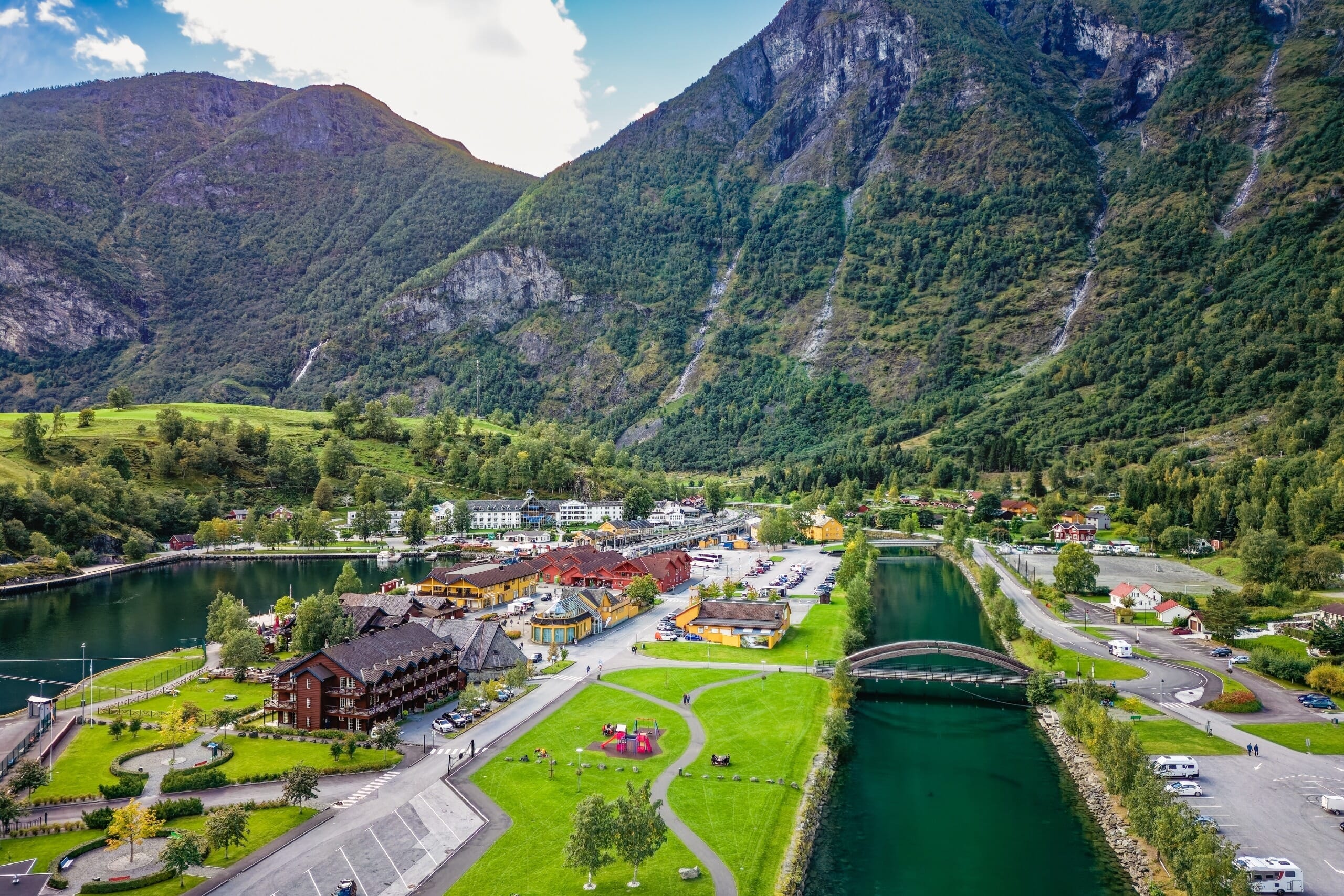
Flåm, nestled amidst Norway’s majestic fjords, is a picturesque village that embodies the essence of Norwegian coastal life.
Renowned for its stunning natural beauty and rich cultural heritage, Flåm offers visitors an enchanting retreat amidst towering mountains and tranquil waters.
Whether strolling along the waterfront promenade or exploring the narrow cobblestone streets, visitors are immersed in the serene beauty and rustic charm of Flåm.
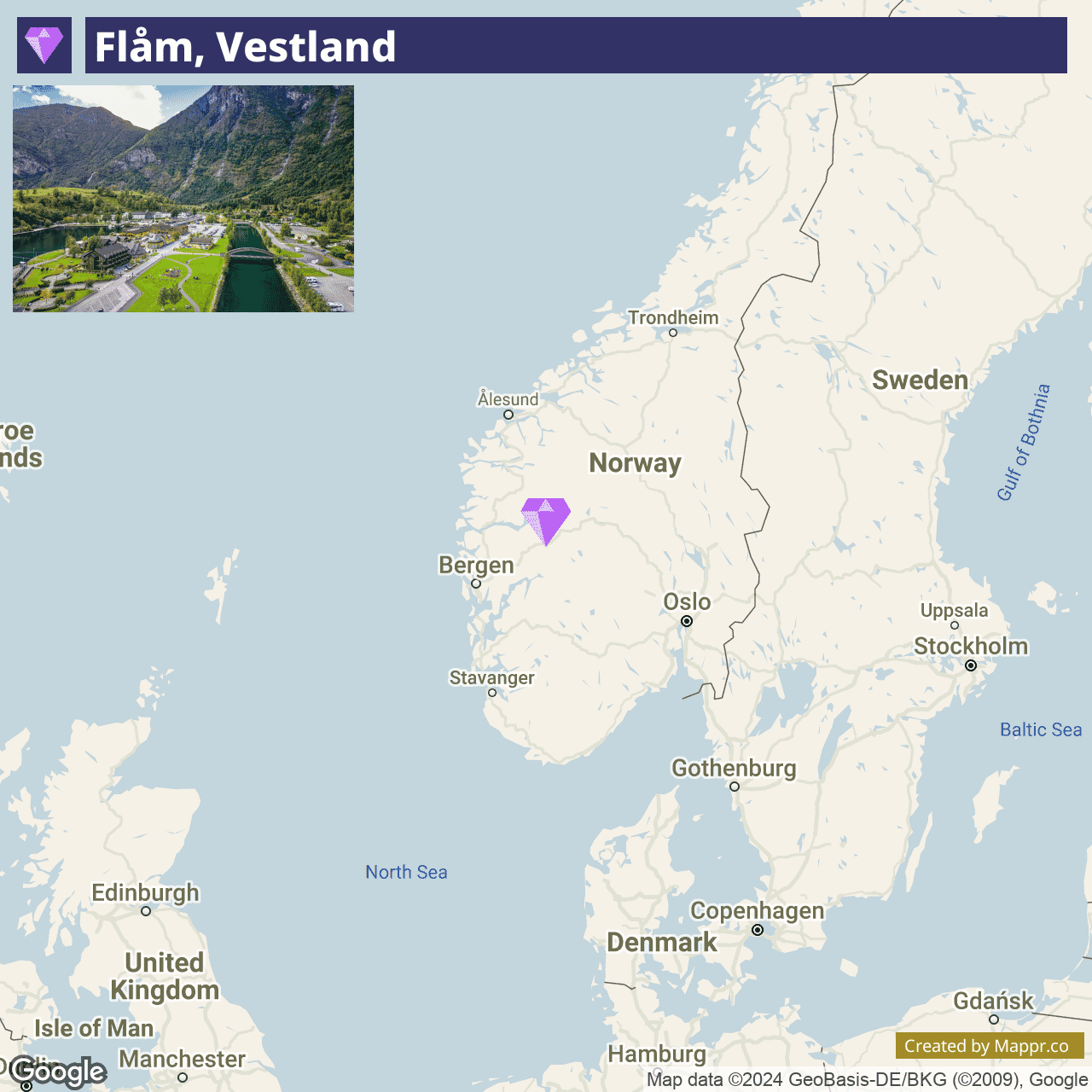
- ✈️ How to Get There: The most scenic route is by boat from nearby ports, offering breathtaking views of the fjords and surrounding landscapes. Alternatively, Flåm is also accessible by road, winding through some of Norway’s most dramatic scenery.
- 🏨 Where to Stay: Check recommended places to stay in Flåm.
21. Hamar
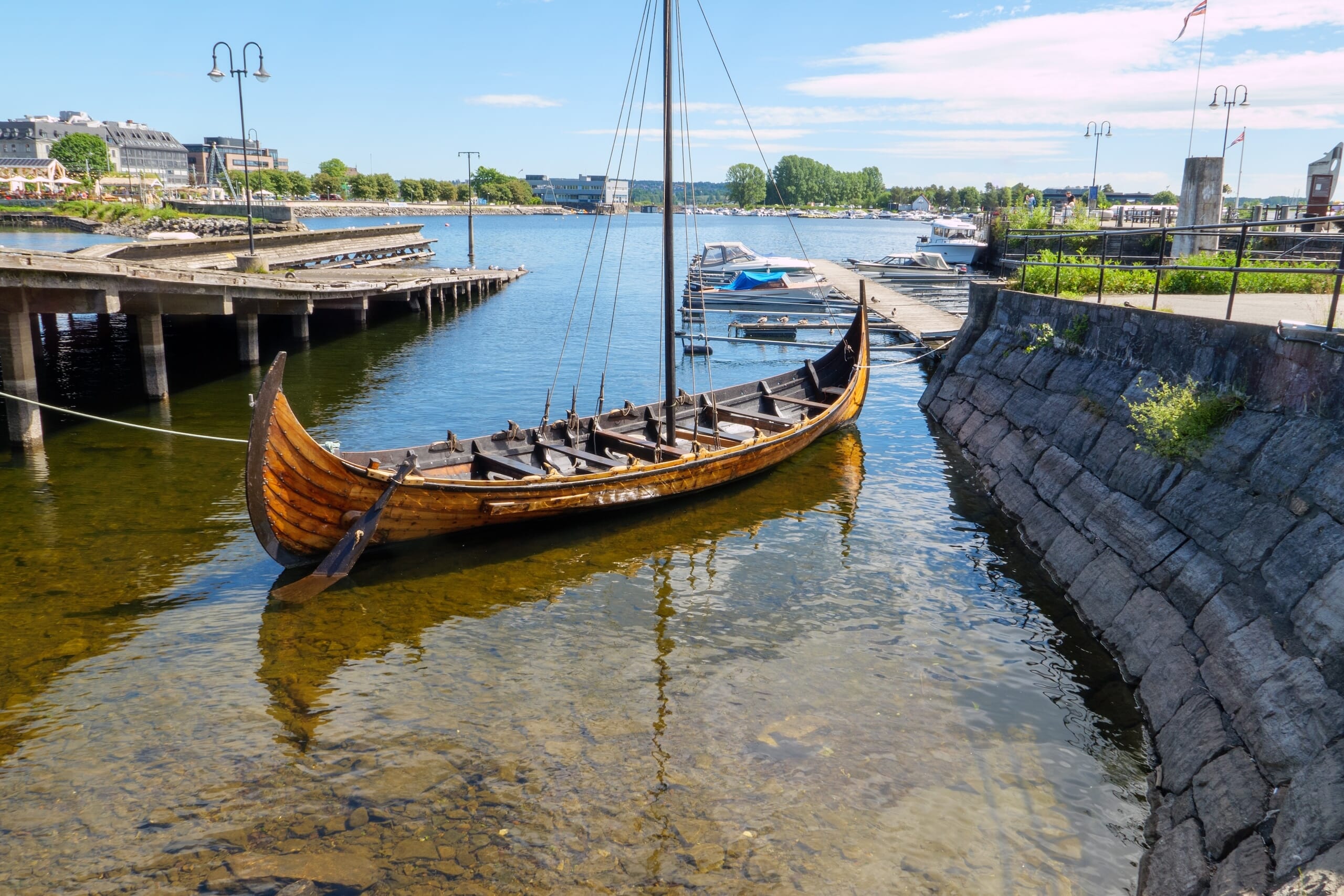
Hamar, located on the shores of Norway’s largest lake, Mjøsa, in the Innlandet county, is a city that beautifully blends historical heritage with modern living.
The city is perhaps best known for the striking Hamar Dome, a protective structure covering the ruins of a medieval cathedral, symbolizing the city’s resilience and historical depth.
Hamar is also a hub for outdoor activities, offering everything from beach life along the lake’s shores to hiking and cycling in the surrounding hills.
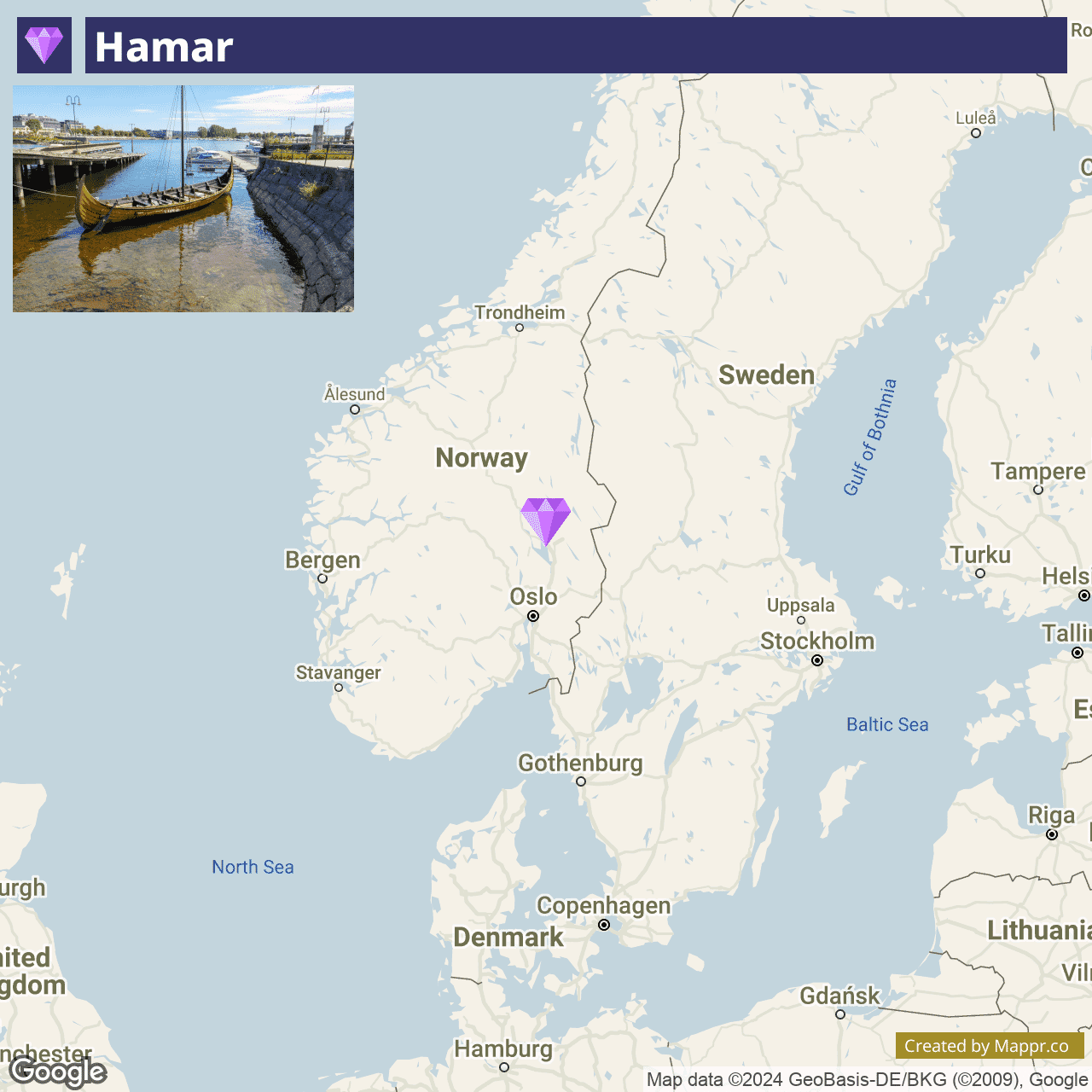
- ✈️ How to Get There: Hamar is easily accessible by train from Oslo and other major Norwegian cities, offering a convenient and scenic journey to the heart of Innlandet.
- 🏨 Where to Stay: Check recommended places to stay in Hamar.
22. Batsfjord, Finnmark
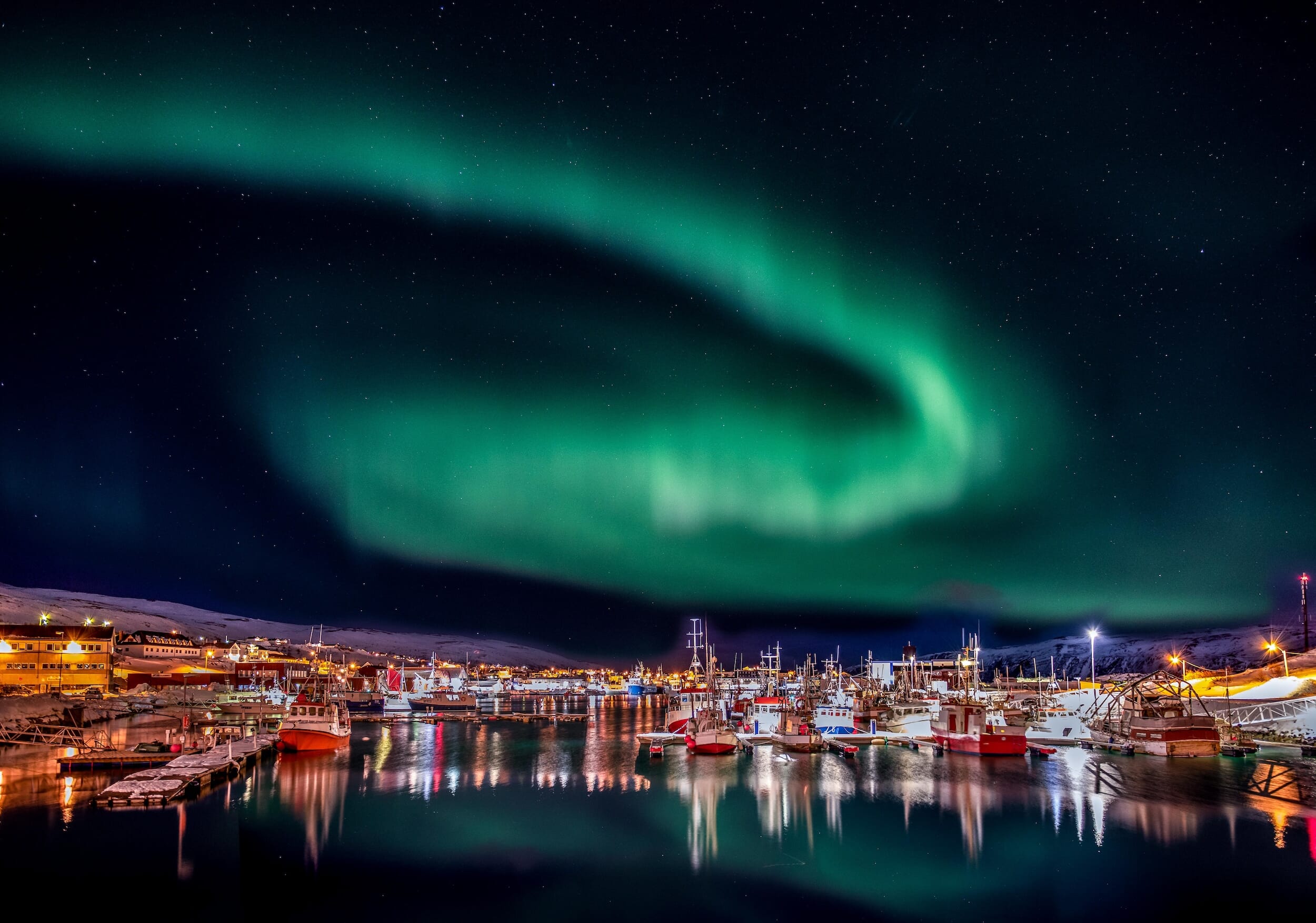
Båtsfjord, situated in the remote reaches of Finnmark in the Arctic North, is a testament to Norway’s farthest edges’ rugged and raw beauty.
This small fishing community thrives amidst the harsh but stunning Arctic tundra and the Barents Sea landscapes. Båtsfjord is a prime destination for those seeking to experience the midnight sun and northern lights.
The harbor bustles with the day’s catch, reflecting the town’s deep connection to the sea. The surrounding wilderness offers endless opportunities for hiking, bird watching, and embracing the solitude and beauty of the Arctic.
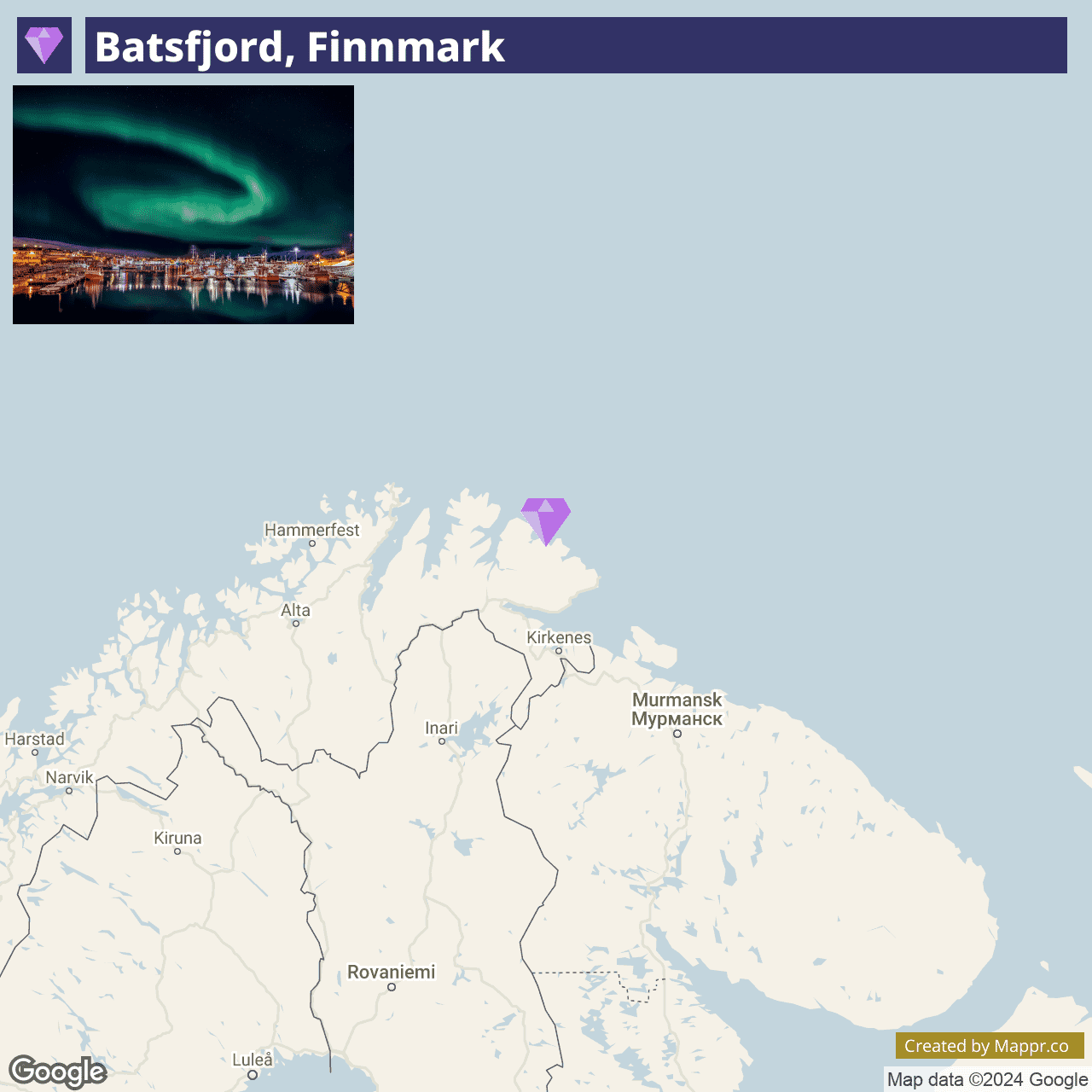
- ✈️ How to Get There: Båtsfjord can be reached by air, with the local airport connecting it to major Norwegian cities, or by road for those seeking an adventurous journey through the Arctic landscape.
- 🏨 Where to Stay: Check recommended places to stay in Batsfjord.
23. Solvorn, Vestland
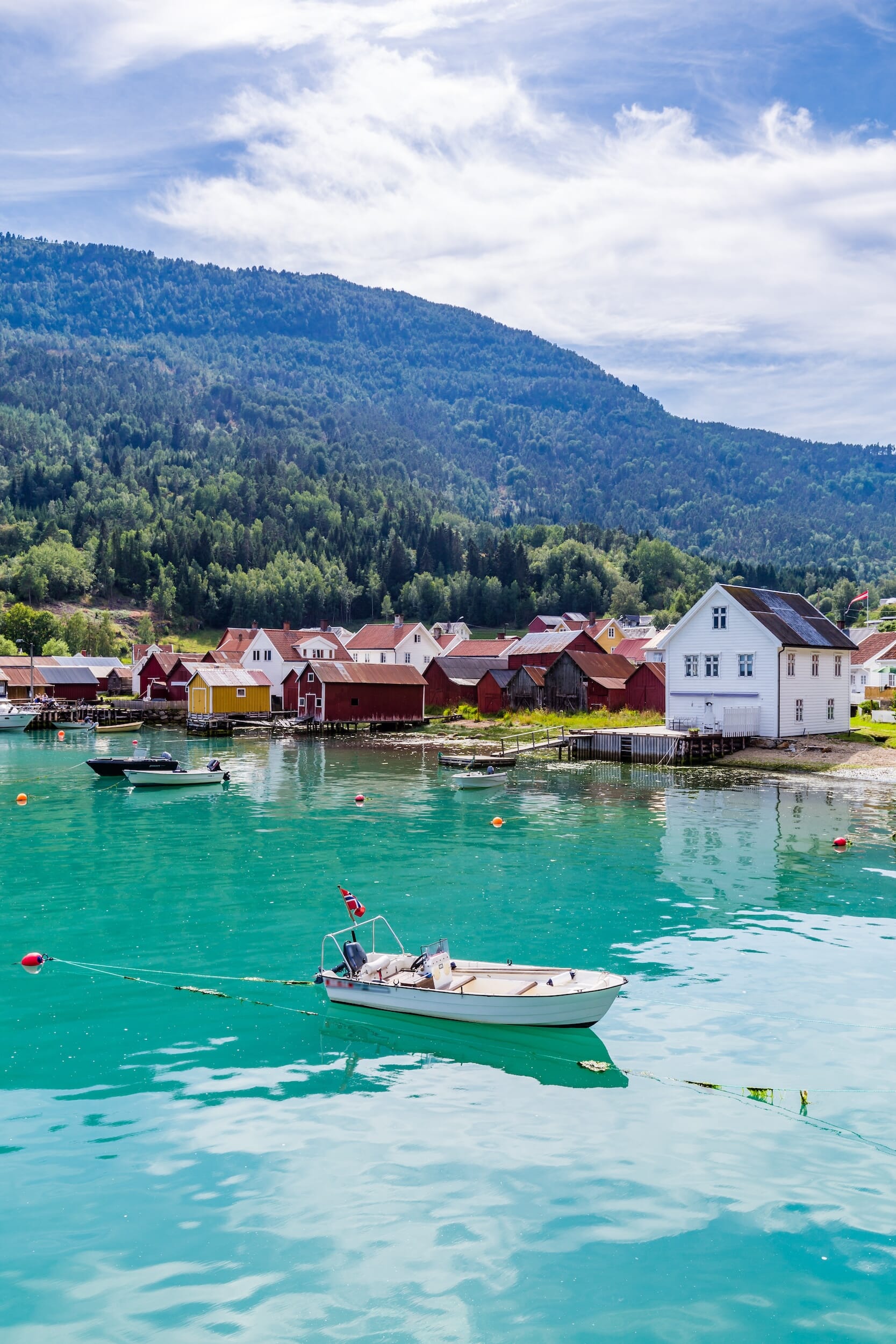
Solvorn exudes timeless charm and tranquility. This idyllic village, with its cluster of historic wooden houses and stunning views of the fjord and surrounding mountains, offers a serene escape from the hustle and bustle of modern life.
Solvorn is steeped in history, with landmarks such as the medieval Urnes Stave Church, a UNESCO World Heritage Site, adding to its allure.
Visitors to Solvorn can enjoy leisurely walks along the fjord, explore nearby hiking trails, or relax and soak in the breathtaking natural beauty surrounding this picturesque village.
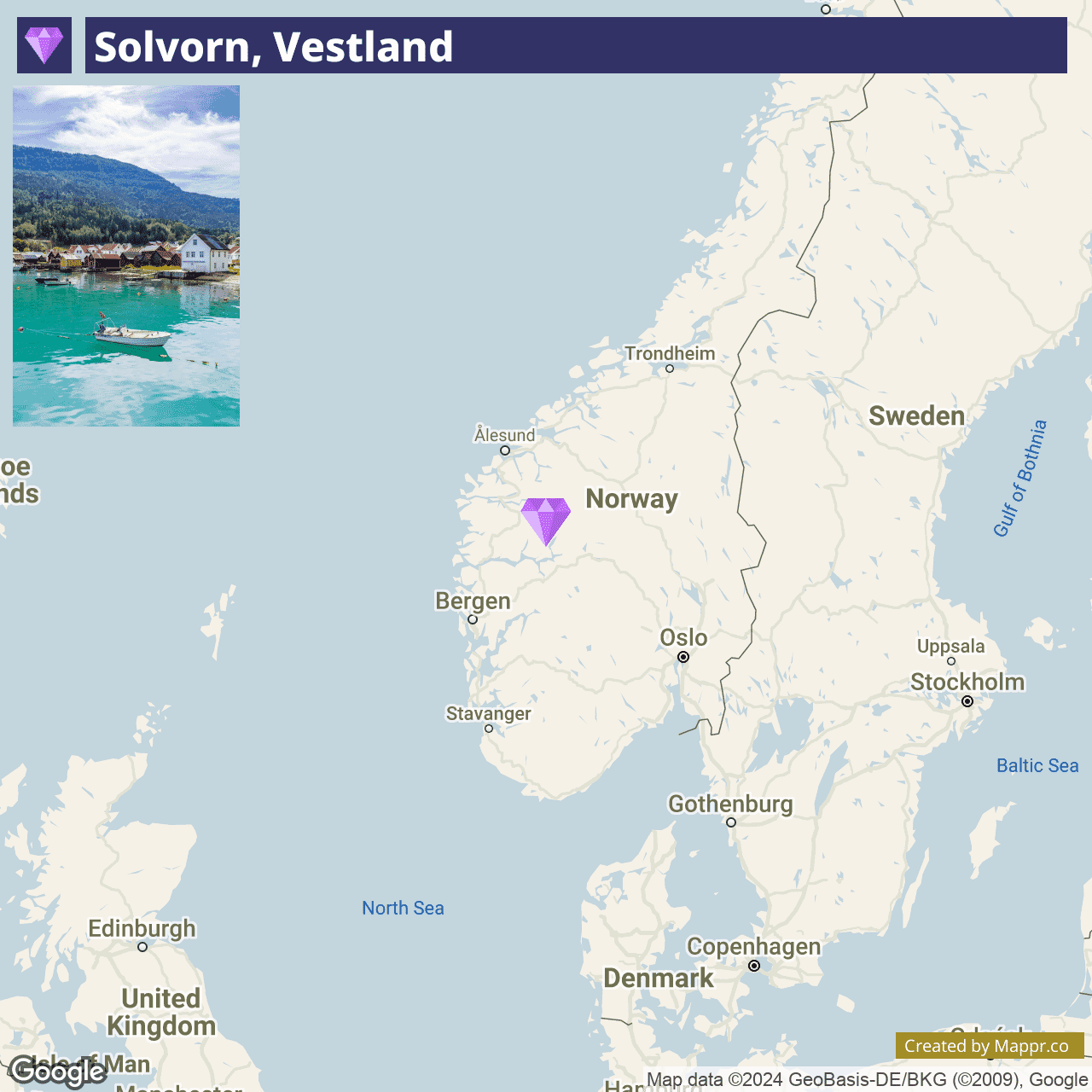
- ✈️ How to Get There: Solvorn is accessible by road, with a scenic drive from major cities like Bergen and Oslo along the fjords. Ferries also connect Solvorn to other towns and villages along the Sognefjord.
- 🏨 Where to Stay: Check recommended places to stay in Solvorn.
24. Flor og Fjære, Vestland
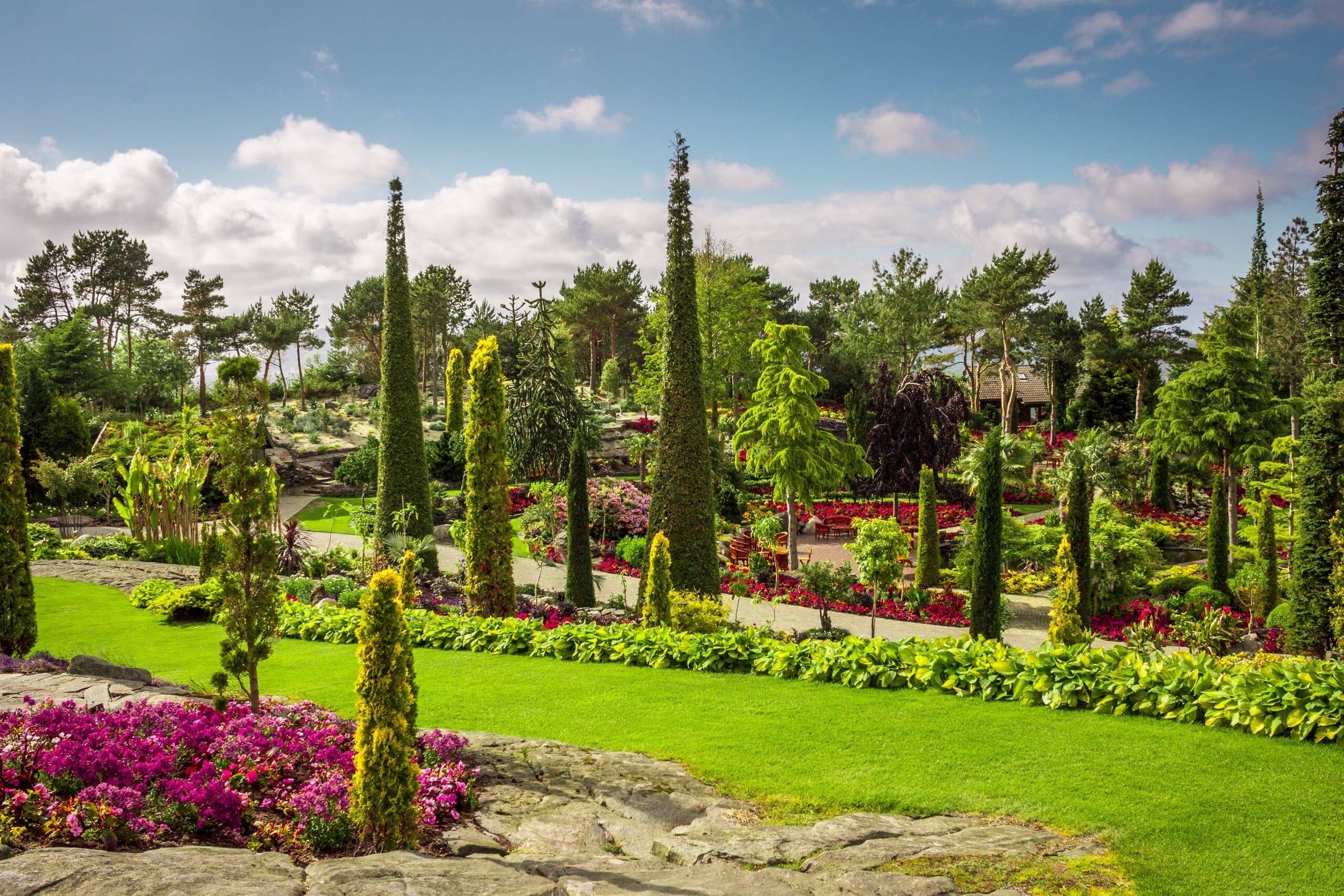
Flor og Fjære, situated in the serene coastal landscapes near Stavanger, is a hidden oasis that enchants visitors with its lush gardens, panoramic views, and tranquil ambiance.
In the summer months, this botanical paradise bursts into life with a riot of colors as exotic flowers bloom against the backdrop of the sparkling sea.
Flor og Fjære is renowned for its meticulously landscaped gardens, which feature rare plants and tropical species thriving in the mild coastal climate.
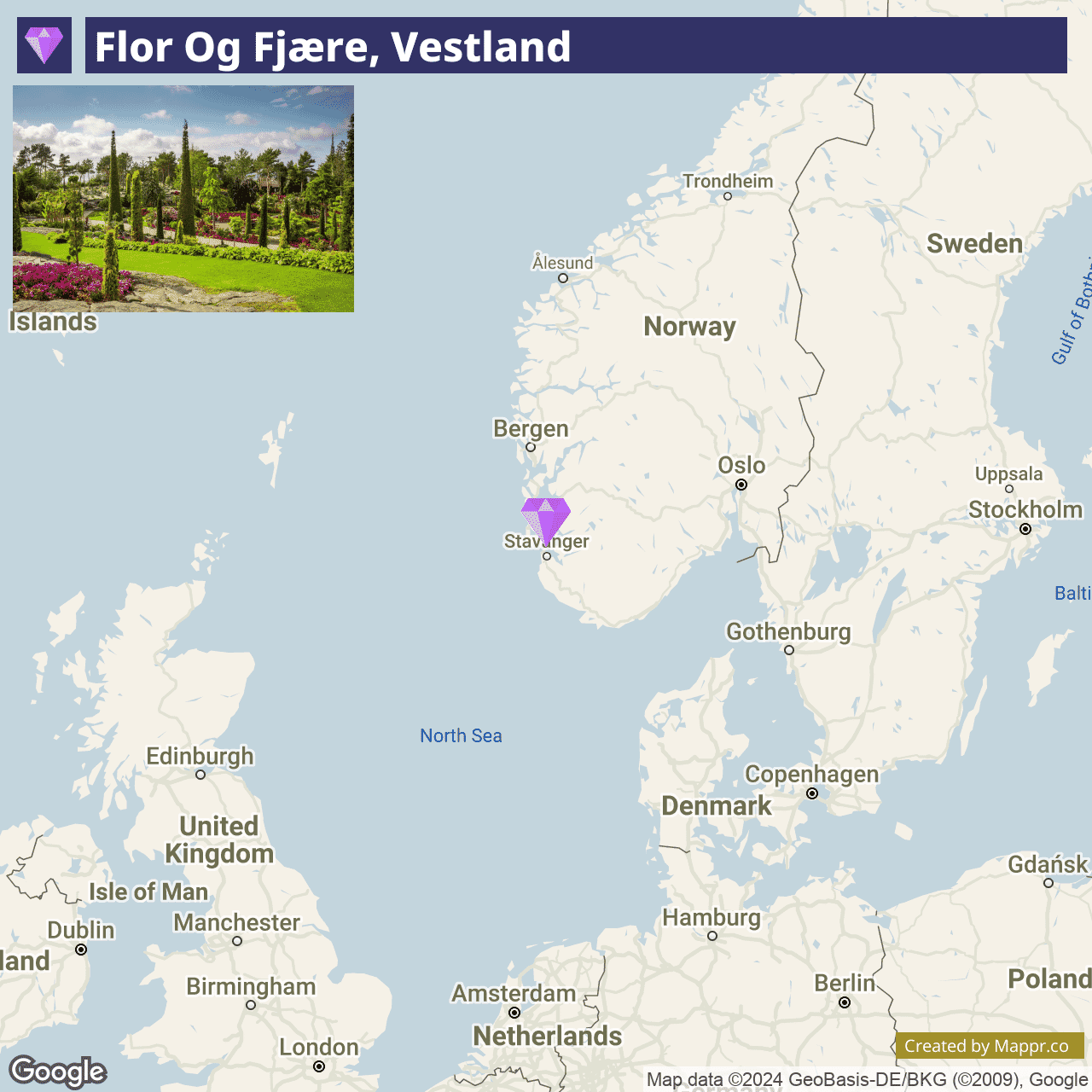
- ✈️ How to Get There: Flor og Fjære is accessible by boat from Stavanger, offering a scenic journey across the tranquil waters of the fjord. Alternatively, visitors can drive to the nearby port and take a short ferry ride to the island.
- 🏨 Where to Stay: Check recommended places to stay in Flor og Fjære.
25. Skudeneshavn, Karmøy Island
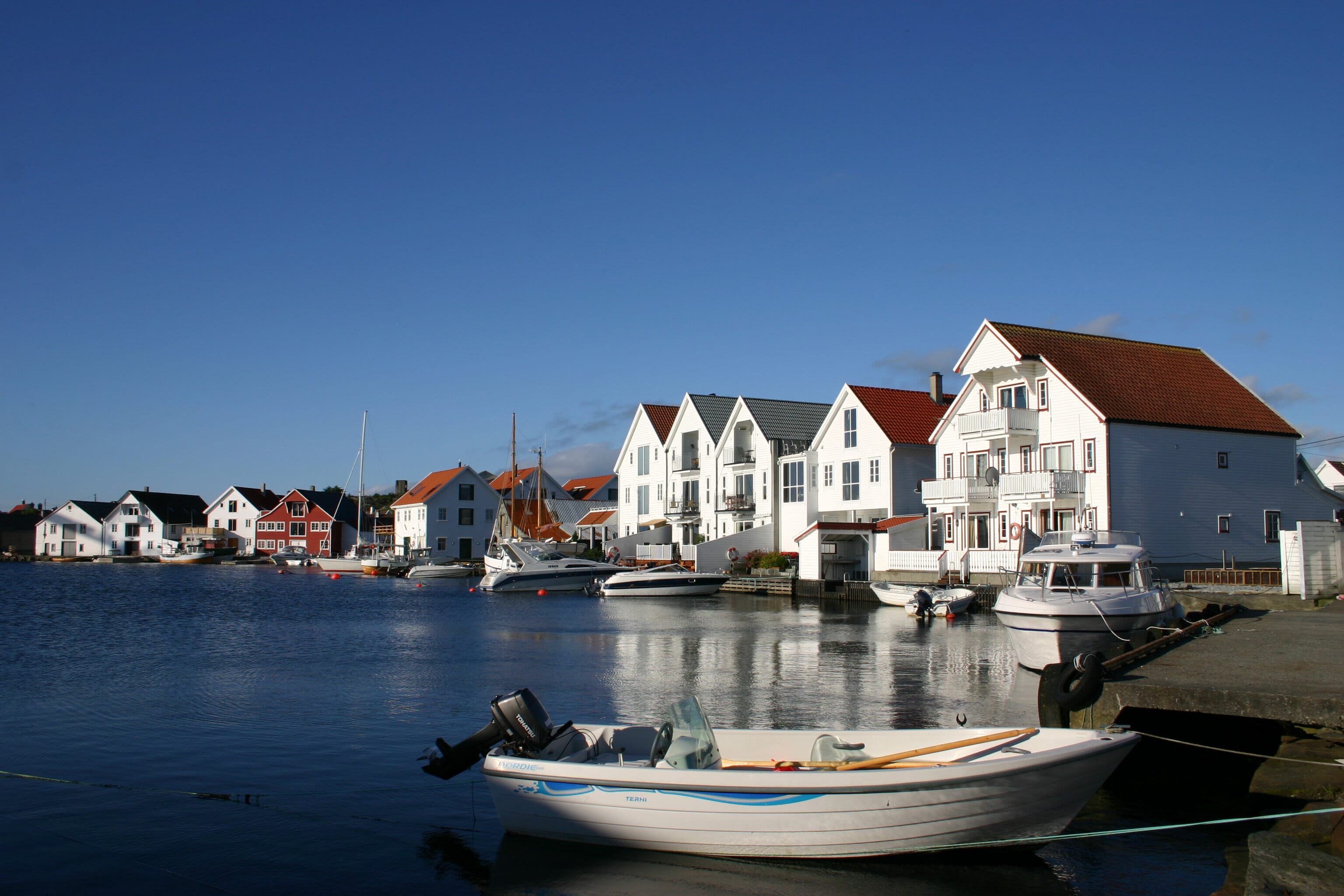
With its well-preserved wooden houses and bustling harbor, Skudeneshavn is a picturesque town that offers a glimpse into Norway’s seafaring past.
Summer in Skudeneshavn brings the town to life with festivals, boat races, and lively outdoor markets celebrating local culture and heritage.
Visitors can wander the cobbled streets lined with colorful houses, visit historic landmarks like the Old Town Hall, relax by the waterfront, and watch the boats come and go.
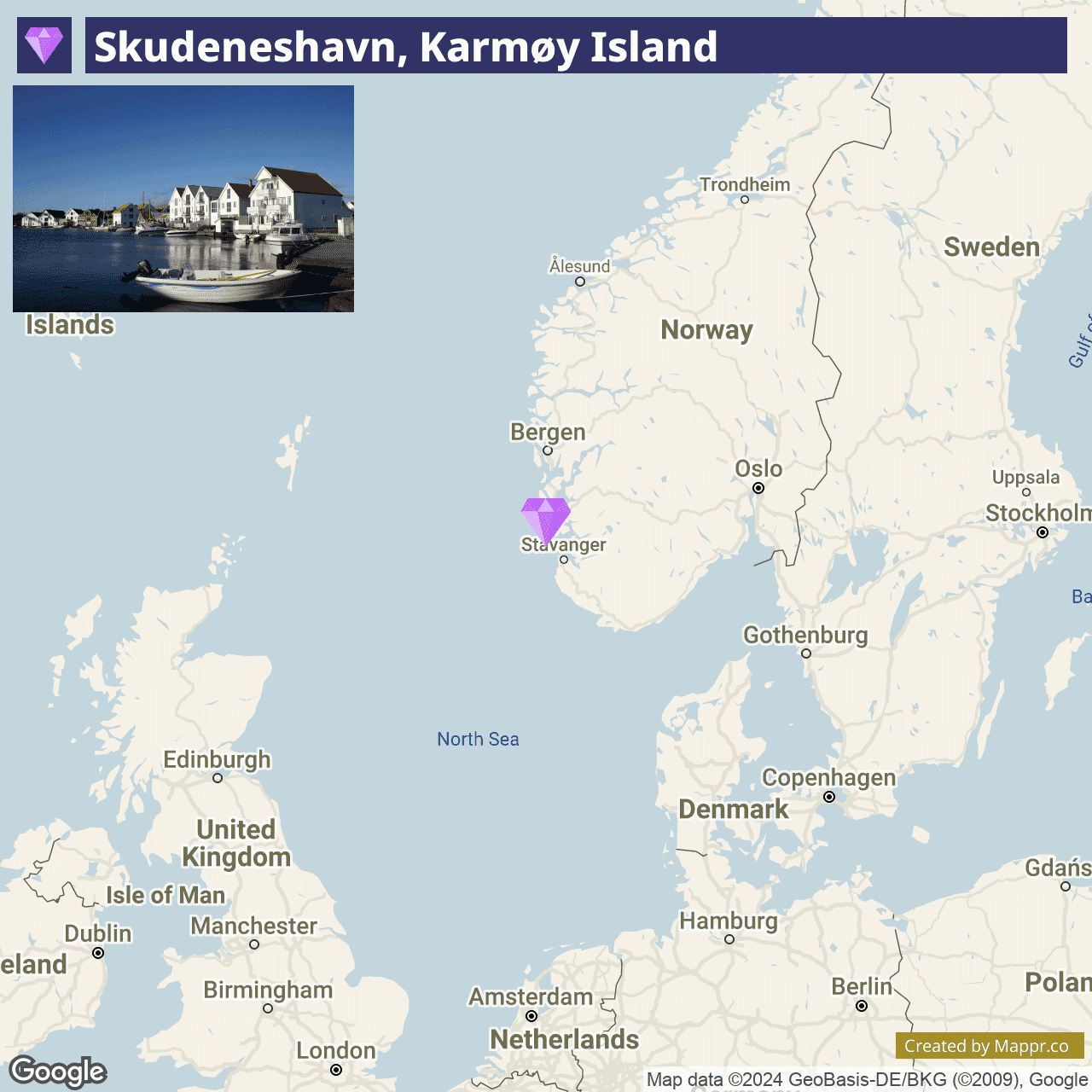
- ✈️ How to Get There: Skudeneshavn is accessible by road from Haugesund, with regular ferry services connecting Karmøy Island to the mainland.
🏨 Where to Stay: Reinertsenhuset offers a cozy retreat with its charming guesthouse ambiance, welcoming guests, and conveniently located near the town’s attractions. Similarly, Norneshuset Overnatting provides comfortable accommodations in a boutique hotel setting, allowing guests to relax and unwind in style.
26. Tafjord, Møre og Romsdal
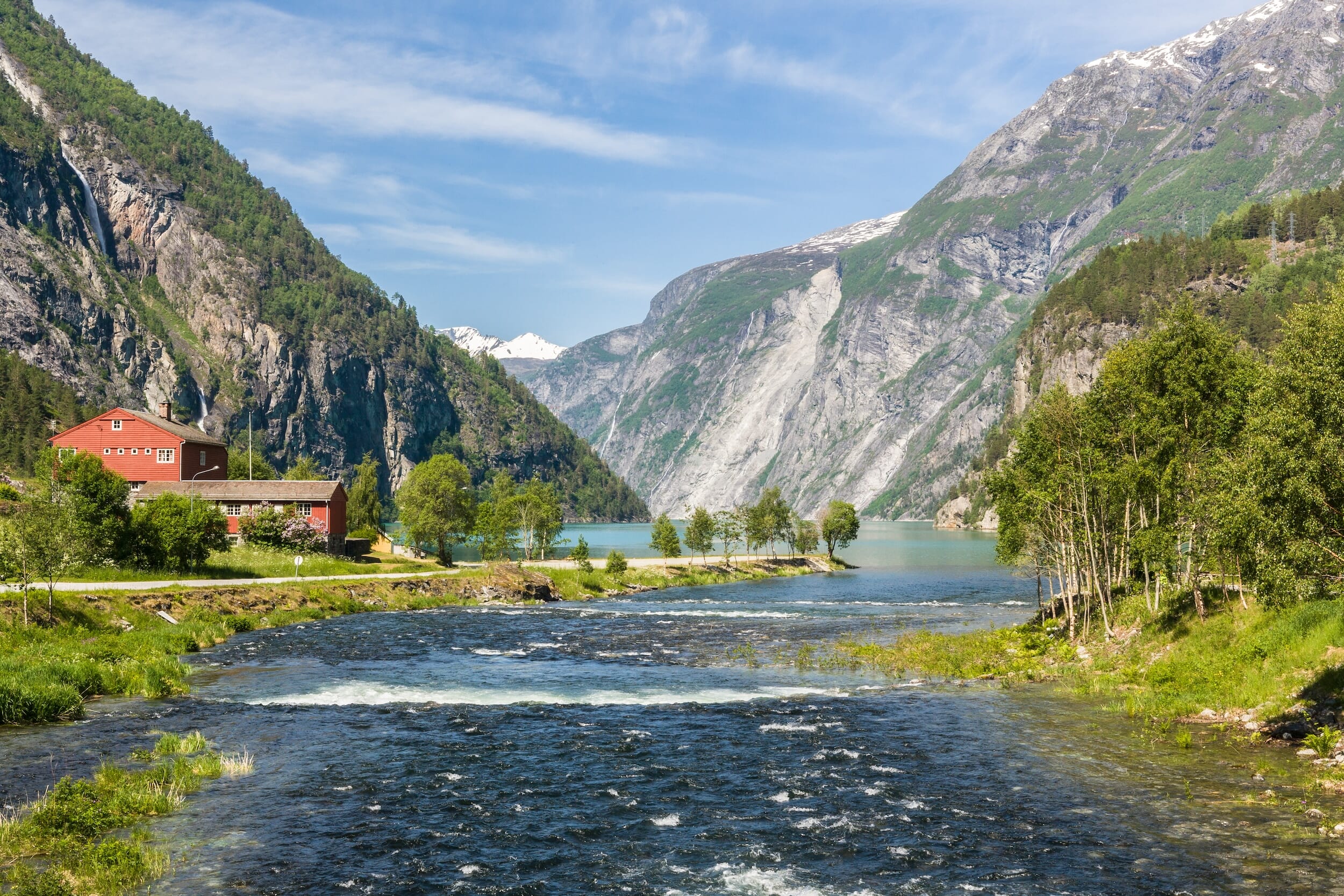
Tafjord is tucked away amidst towering mountains and cascading waterfalls. This picturesque village is renowned for its stunning natural beauty and rich history, with the Tafjord area being home to Norway’s deadliest natural disaster in 1934.
Today, Tafjord is a serene retreat for outdoor enthusiasts and nature lovers, offering a range of activities such as hiking, fishing, and river rafting.
The village’s location along the tranquil Tafjord River and its proximity to dramatic fjords and alpine peaks make it an ideal destination for those seeking adventure and tranquility amidst Norway’s rugged landscapes.
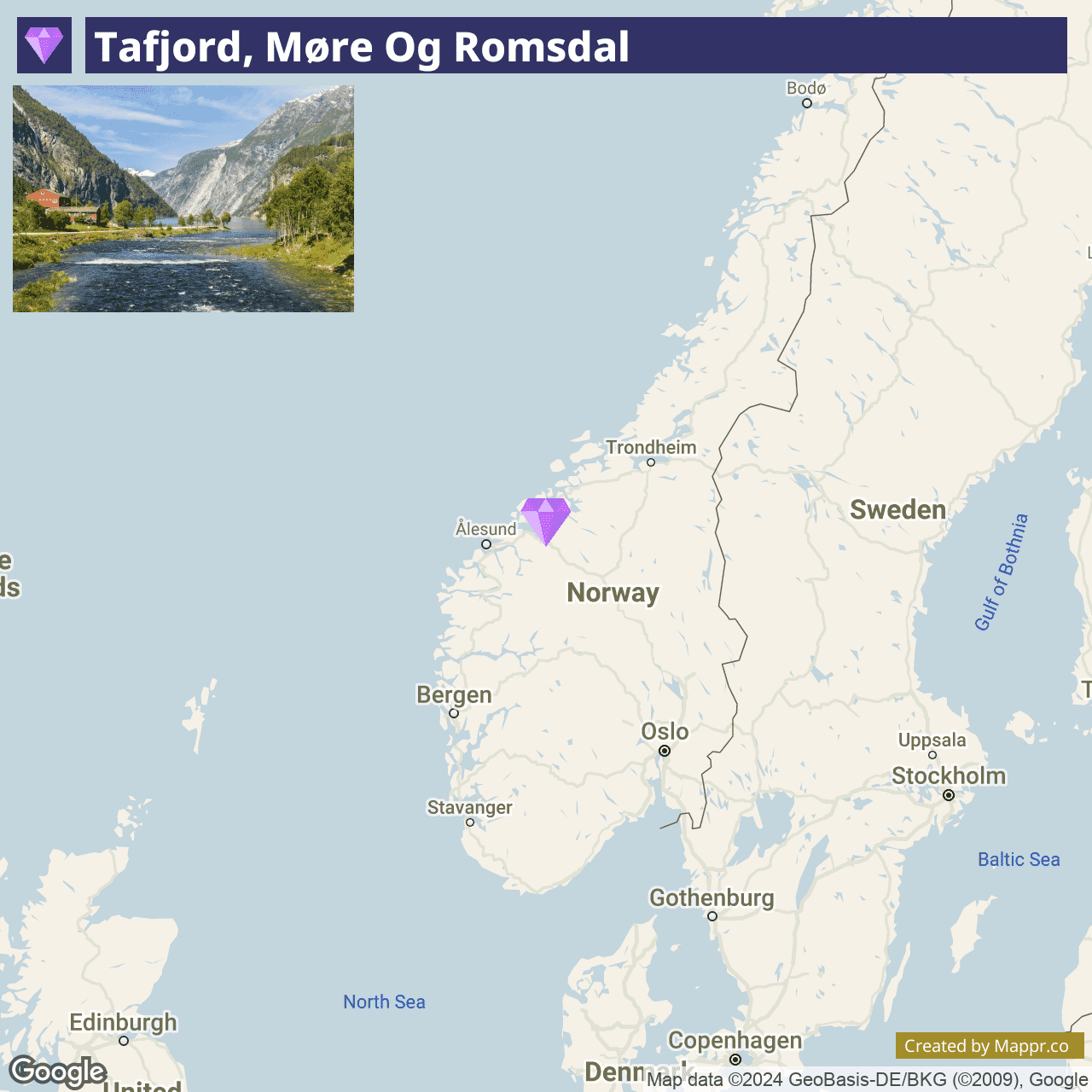
- ✈️ How to Get There: Tafjord is accessible by road from nearby towns and cities, with scenic drives offering breathtaking views of the surrounding mountains and fjords.
- 🏨 Where to Stay: Check recommended places to stay in Tafjord.
27. Trollstigen, Møre og Romsdal
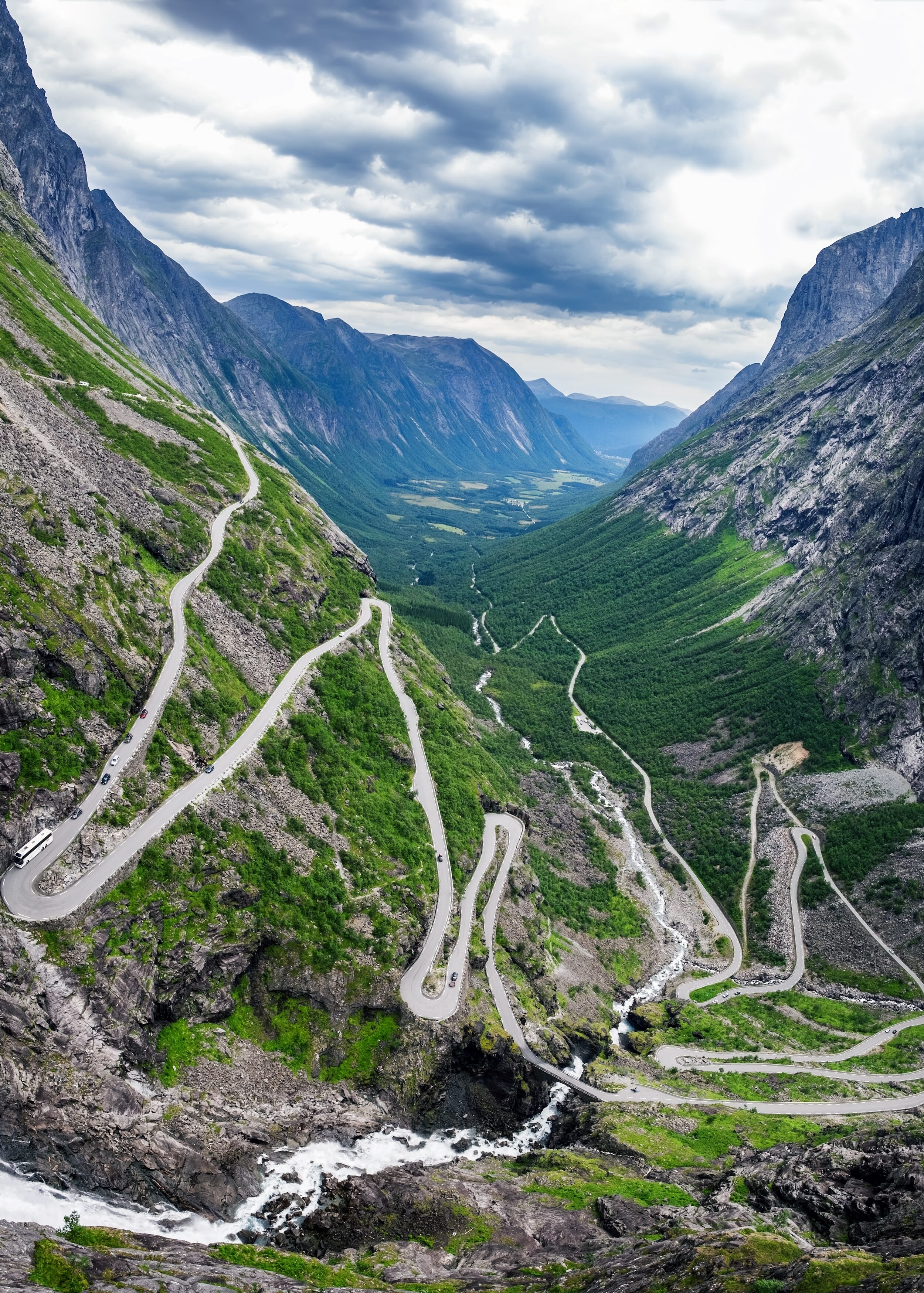
Trollstigen is a legendary mountain pass known for its dramatic twists and turns and stunning vistas of the surrounding landscape.
Carved into the rugged mountainside, the road winds its way through steep valleys, past thundering waterfalls, and alongside sheer cliffs, offering a thrilling and unforgettable driving experience.
At the top of Trollstigen, visitors are treated to panoramic views of the surrounding mountains and the cascading Stigfossen waterfall, providing a breathtaking glimpse into Norway’s wild and untamed beauty.
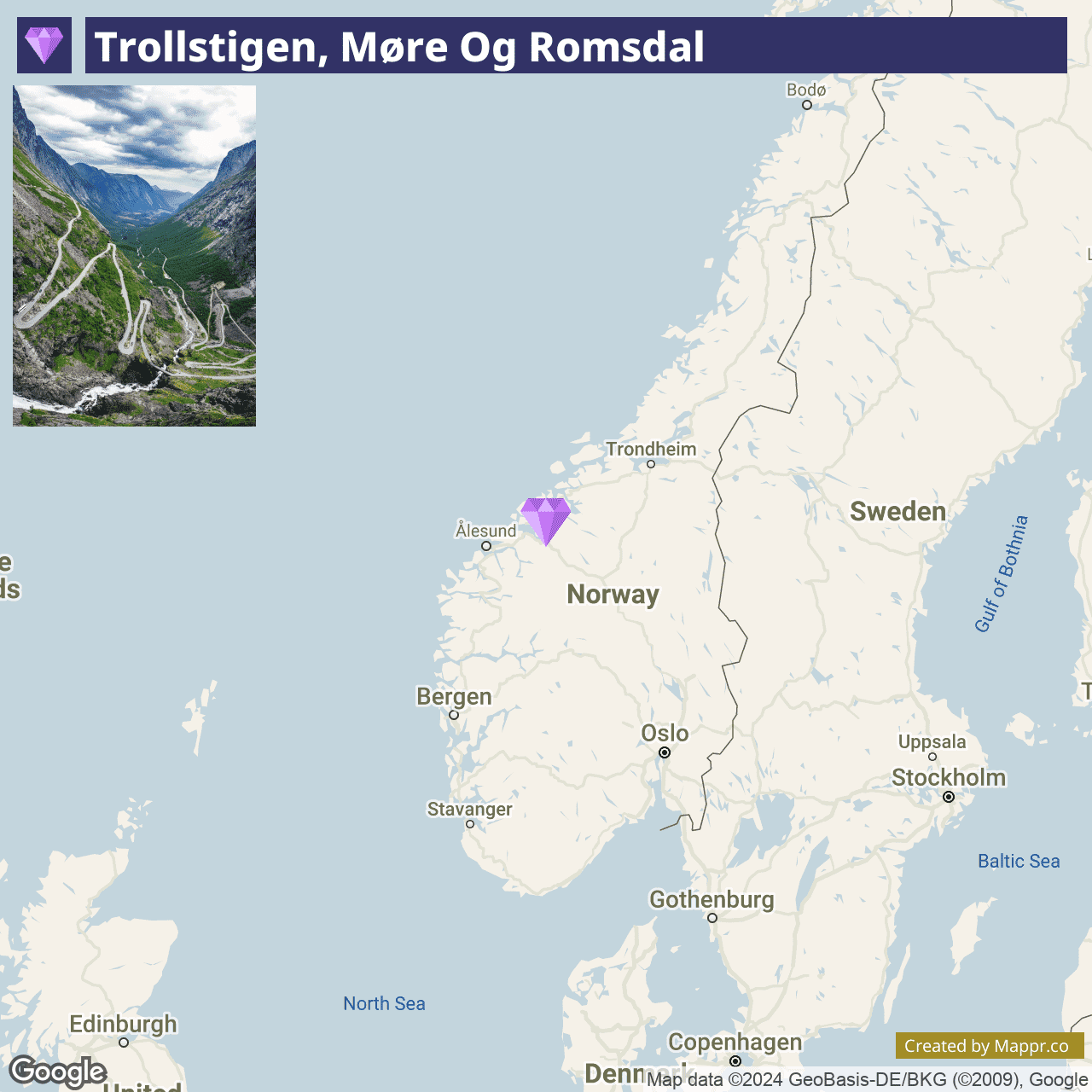
- ✈️ How to Get There: Trollstigen is accessible by road from nearby towns and cities, with the nearest major transportation hub being Ålesund.
- 🏨 Where to Stay: Check recommended places to stay in Trollstigen.
28. Jotunheimen National Park
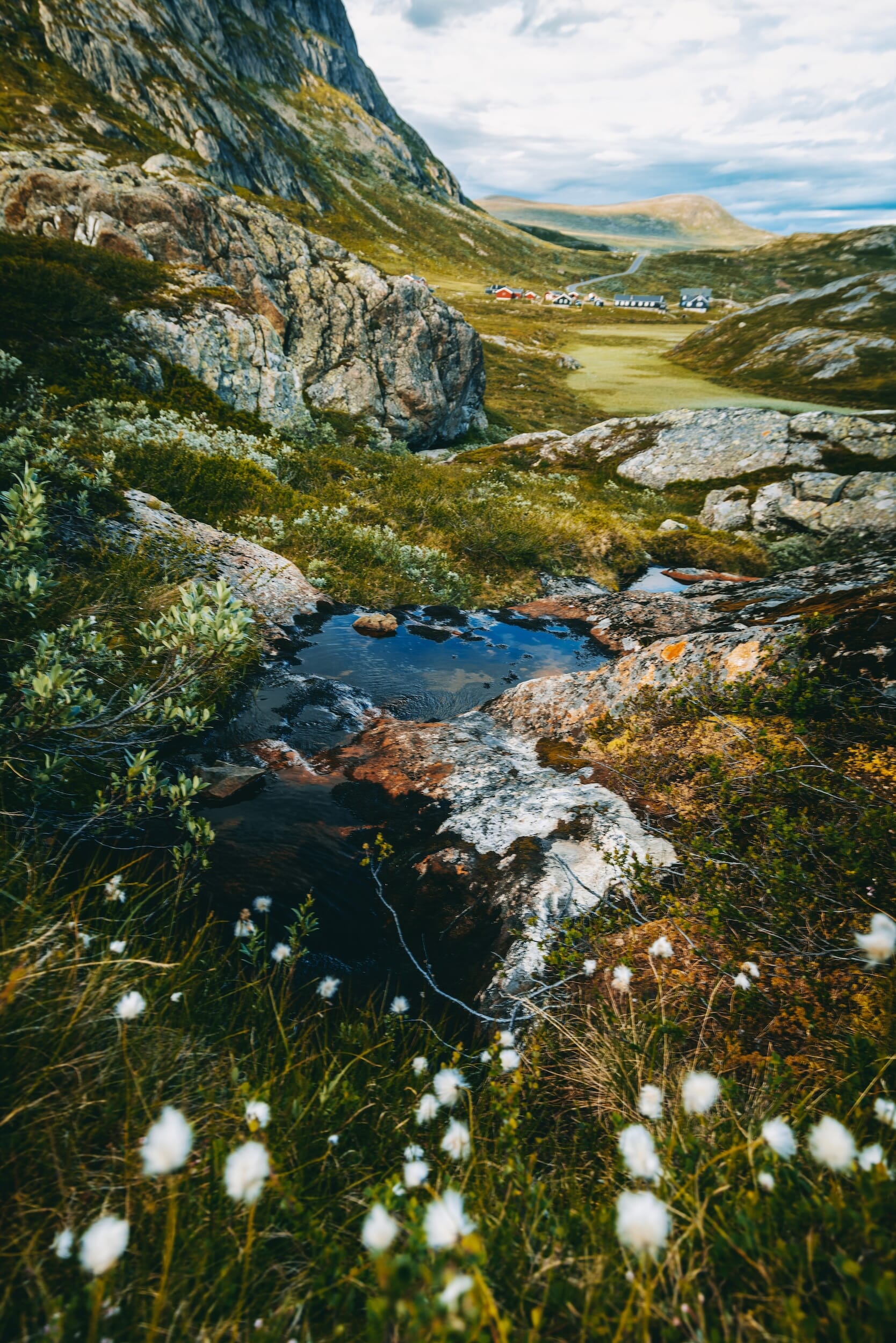
Jotunheimen National Park, often referred to as the “Home of the Giants.” This expansive national park is a haven for outdoor enthusiasts, offering a wide range of activities such as hiking, mountaineering, and wildlife spotting.
The summer months transform Jotunheimen into a paradise for adventurers, with endless opportunities to explore its rugged terrain and breathtaking landscapes.
From summiting Norway’s highest peak, Galdhøpiggen, to traversing the famous Besseggen Ridge, Jotunheimen offers unforgettable experiences that showcase the raw beauty and untamed wilderness of Norway’s mountainous interior.
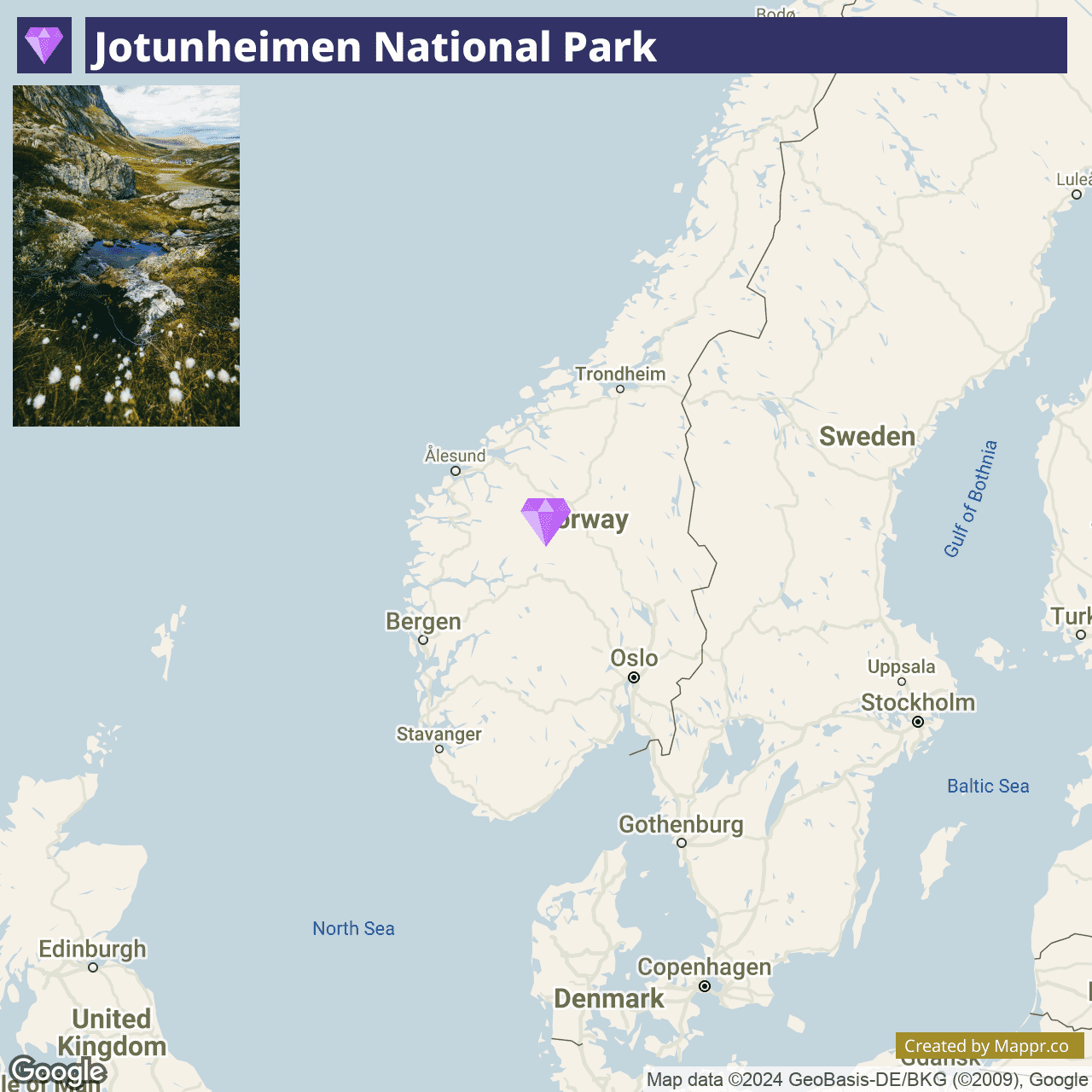
- ✈️ How to Get There: Jotunheimen National Park is accessible by road from major cities such as Oslo and Bergen, with several entrances providing access to different parts of the park.
- 🏨 Where to Stay: Check recommended places to stay in Jotunheimen National Park.
29. Lysefjord, Ryfylke
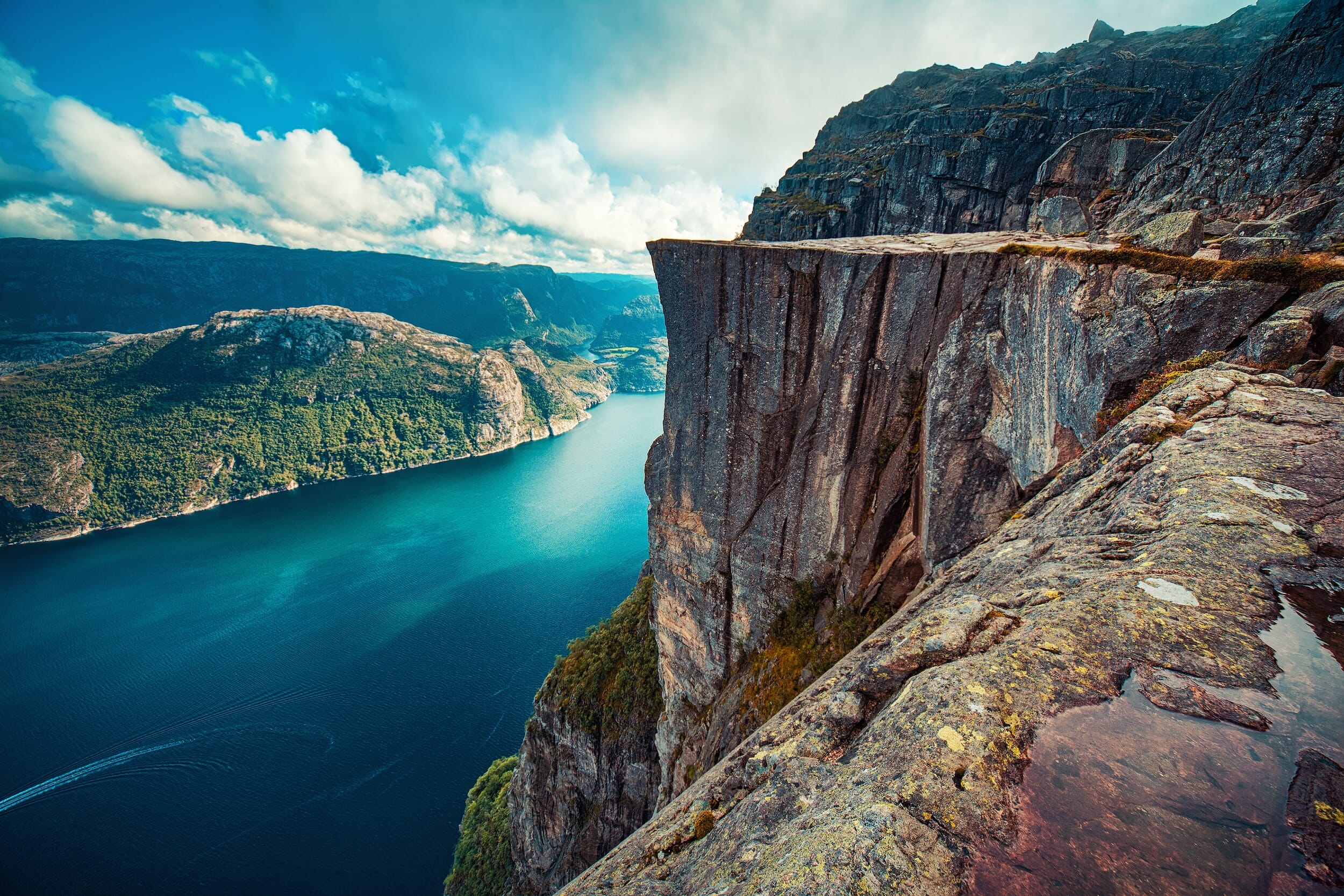
Lysefjord is a natural wonder that captivates visitors with its towering cliffs, emerald waters, and cascading waterfalls. In the summer, the fjord comes alive with vibrant hues and shimmering reflections, creating a mesmerizing spectacle that enchants all who visit.
One of the most iconic attractions along Lysefjord is the towering Preikestolen, or Pulpit Rock, a flat-topped cliff that offers breathtaking views of the fjord below.
Visitors to Lysefjord can explore the dramatic landscapes by boat, kayak, or hiking trails, immersing themselves in the serene beauty and grandeur of Norway’s fjordland.
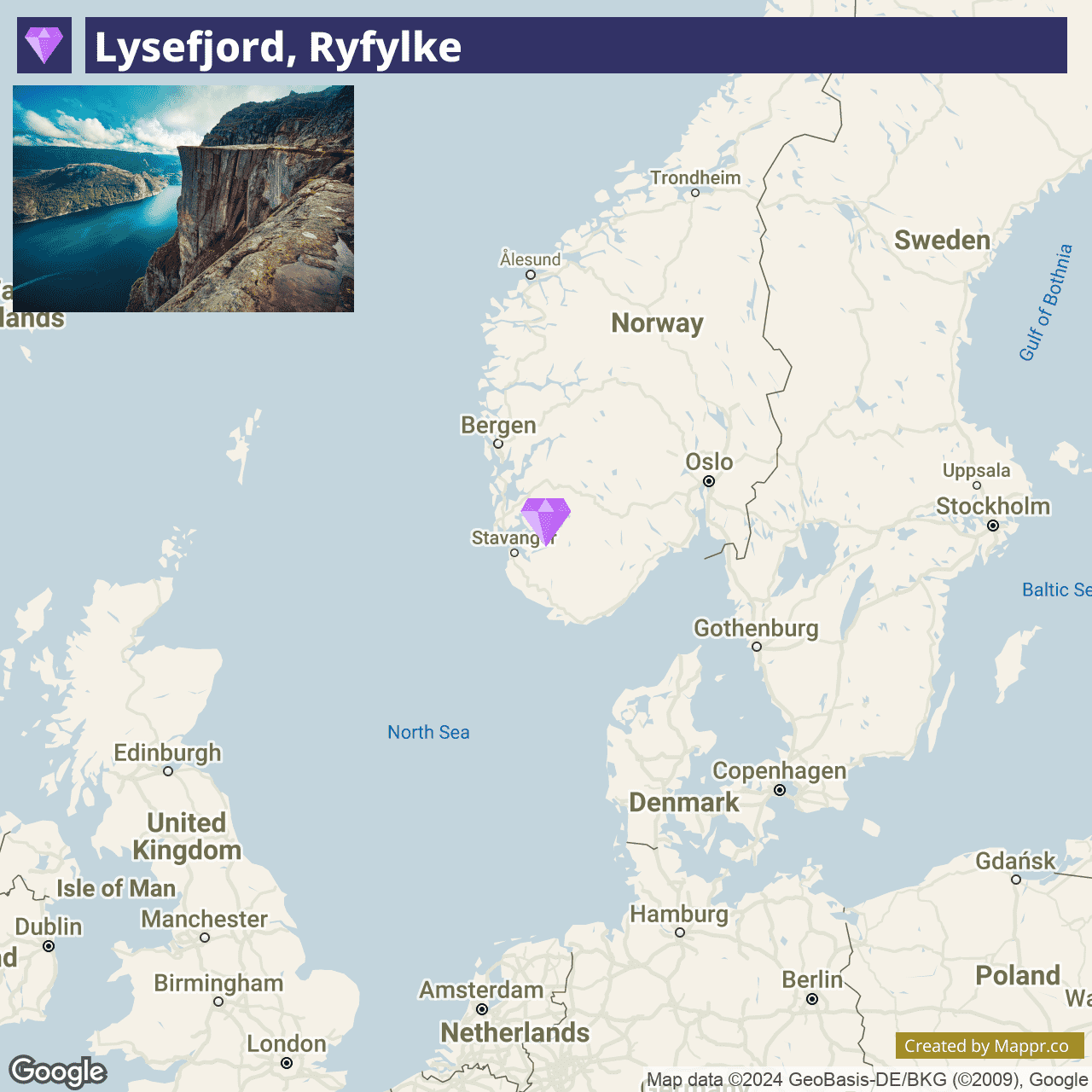
- ✈️ How to Get There: Lysefjord is accessible by boat from nearby towns such as Stavanger and Bergen, offering scenic cruises that showcase the fjord’s natural beauty.
- 🏨 Where to Stay: Check recommended places to stay in Lysefjord.
30. Lodal Valley
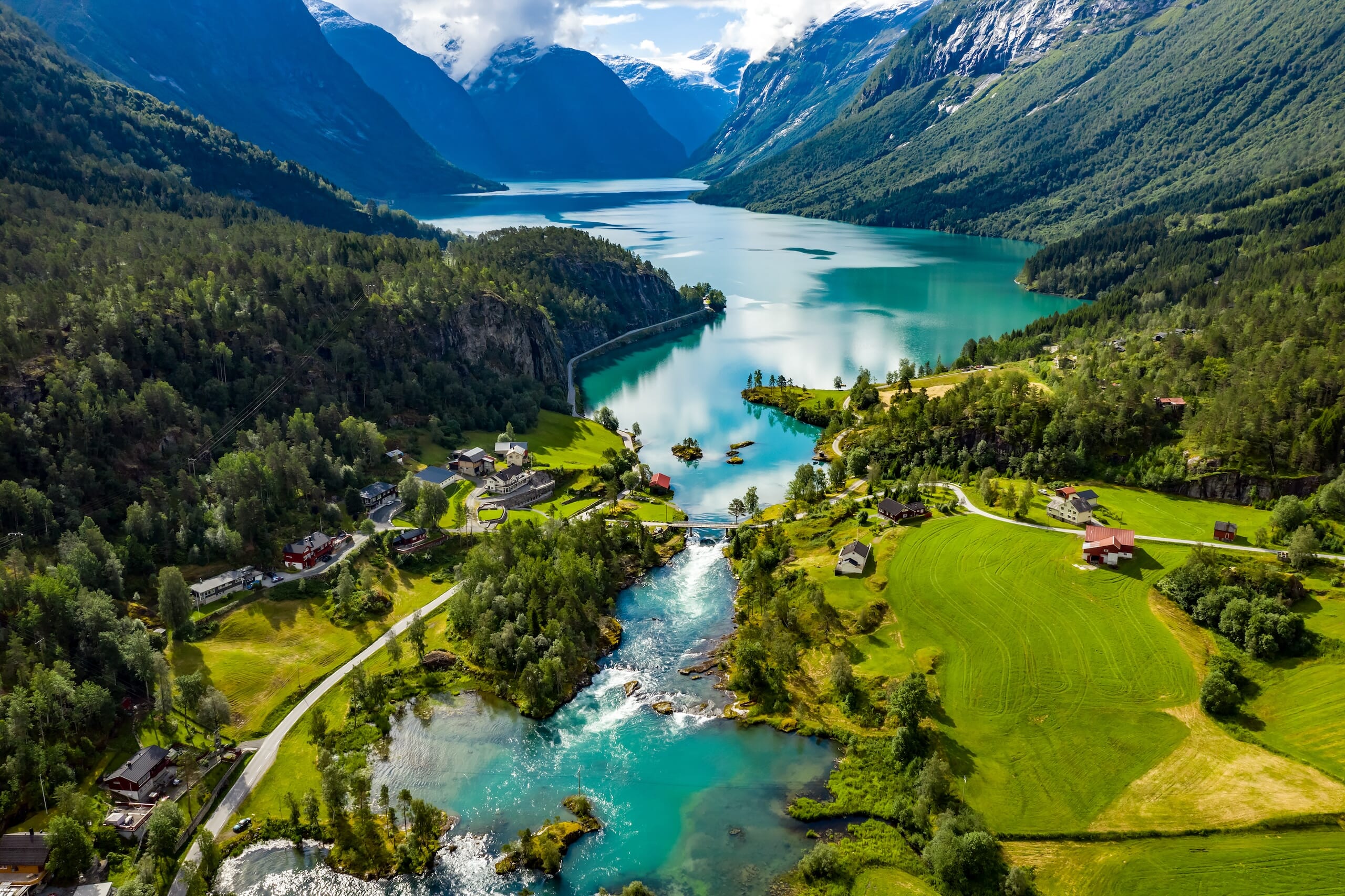
Lodal Valley is a hidden gem boasting pristine wilderness, dramatic landscapes, and secluded beauty. In the summer, the valley comes alive with vibrant colors as wildflowers carpet the meadows and the sun casts its golden glow over the rugged terrain.
Lodal Valley is home to some of Norway’s most spectacular waterfalls, including the iconic Feigefossen, which plunges over 200 meters into the valley below.
Visitors to Lodal Valley can explore the pristine wilderness by hiking trails, fishing in crystal-clear rivers, or simply immersing themselves in the tranquil atmosphere of this remote and enchanting destination.
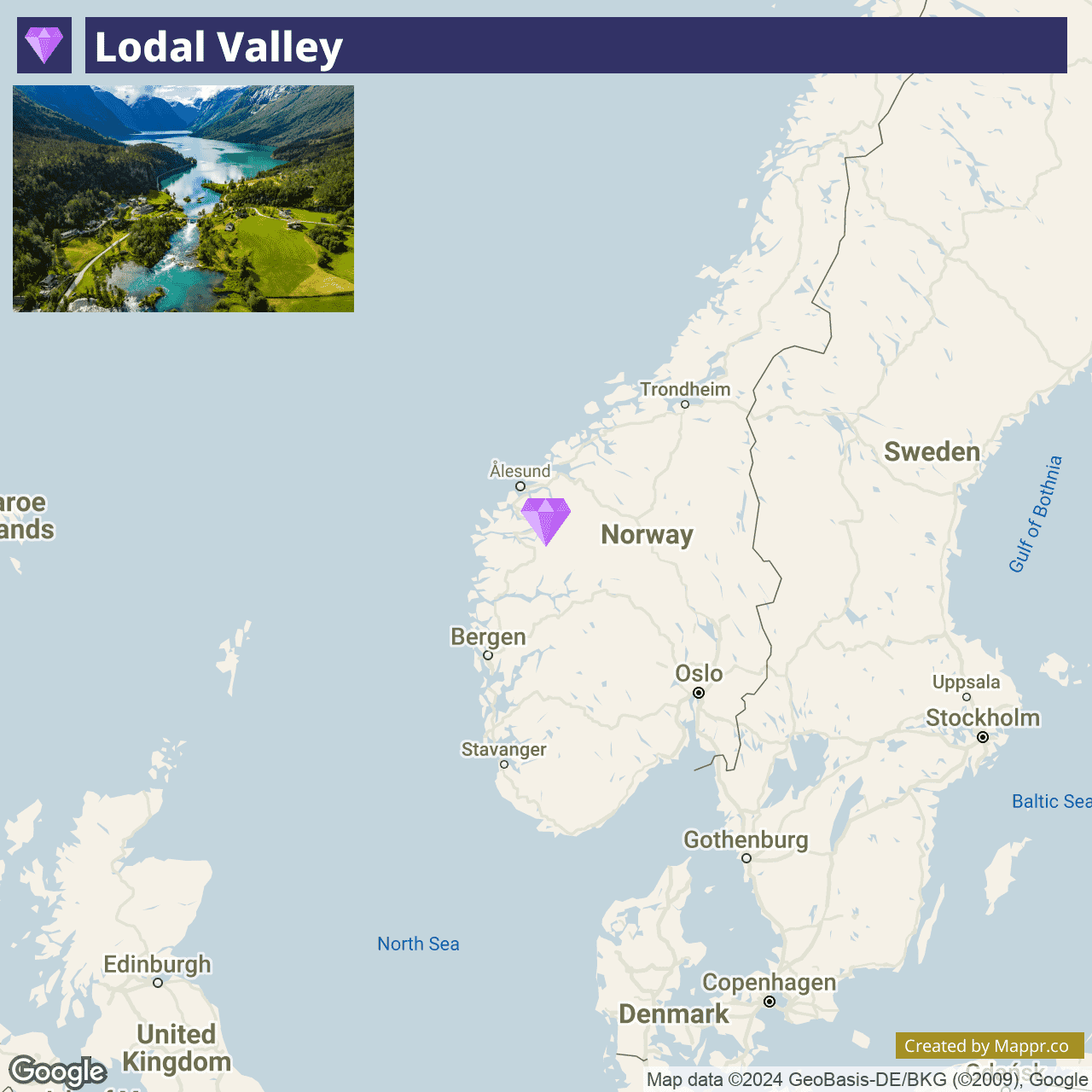
- ✈️ How to Get There: Lodal Valley is accessible by road from nearby towns and cities, with scenic drives offering stunning views of the surrounding fjords and mountains.
- 🏨 Where to Stay: Check recommended places to stay in Lodal Valley.
31. Sognefjord, Vestland
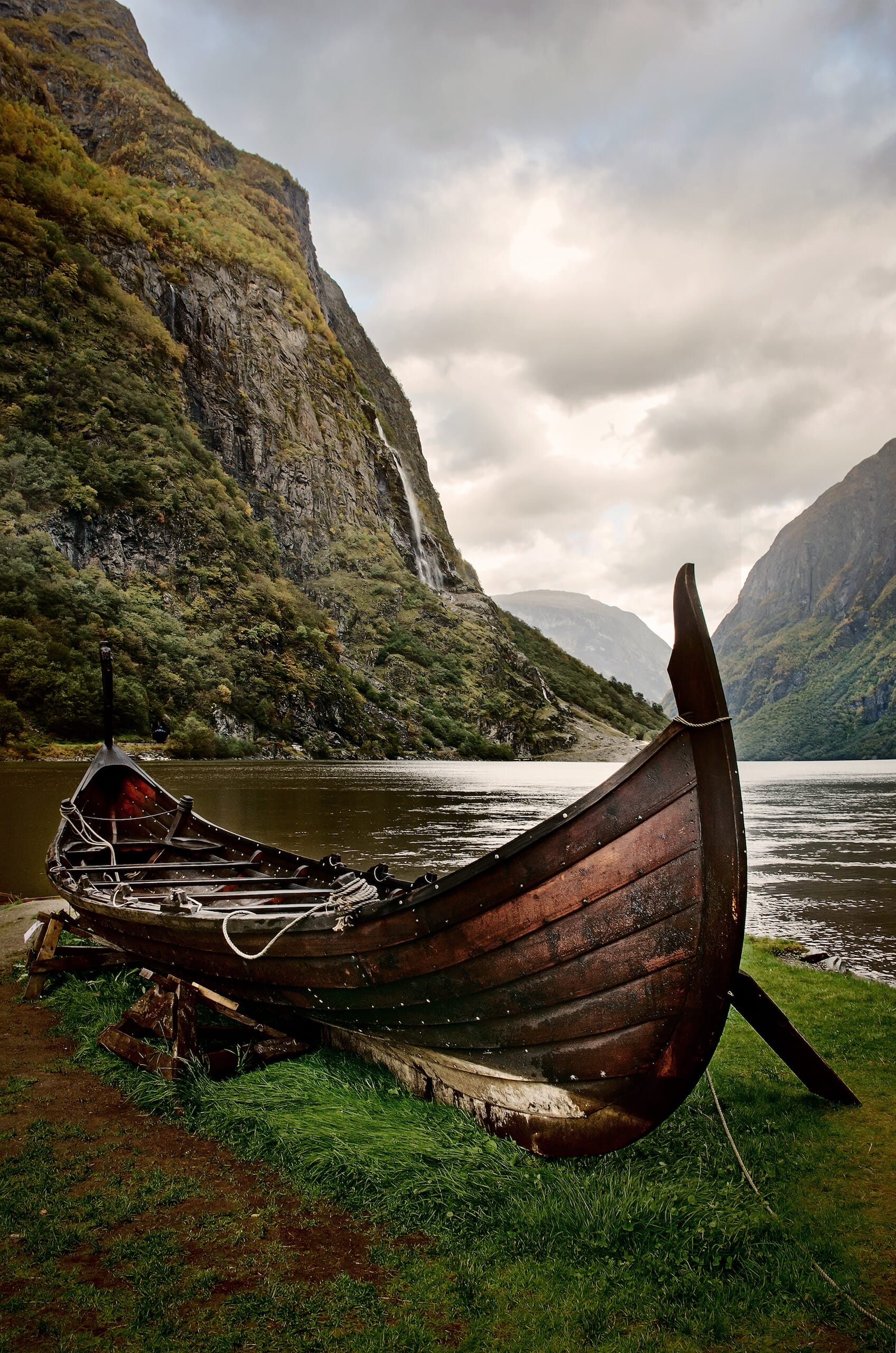
Sognefjord, the “King of the Fjords,” is Norway’s largest and deepest fjord, stretching over 200 kilometers from the coast into the heart of the Norwegian mountains.
In the summer, Sognefjord dazzles visitors with its crystal-clear waters, towering cliffs, and dramatic scenery dotted with charming villages, historic stave churches, and picturesque orchards.
Visitors to Sognefjord can explore its beauty by boat, kayak, or scenic drive along its shores, immersing themselves in the serene majesty of one of Norway’s most iconic landscapes.
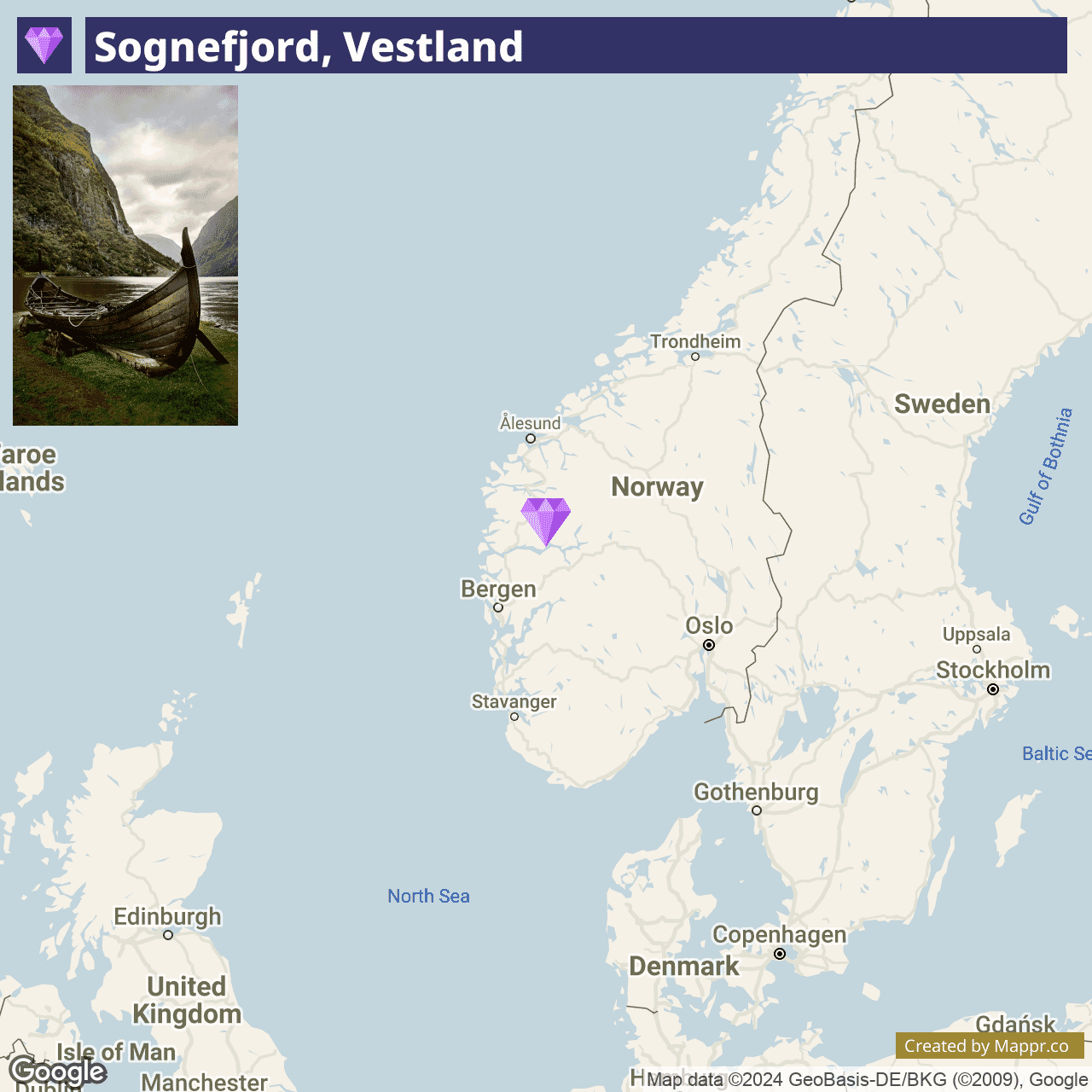
- ✈️ How to Get There: Sognefjord is accessible by road and boat from major cities such as Bergen and Oslo. Several scenic routes offer breathtaking views of the fjord and surrounding mountains.
- 🏨 Where to Stay: Check recommended places to stay in Sognefjord.
32. Fantoft Stave Church, Bergen
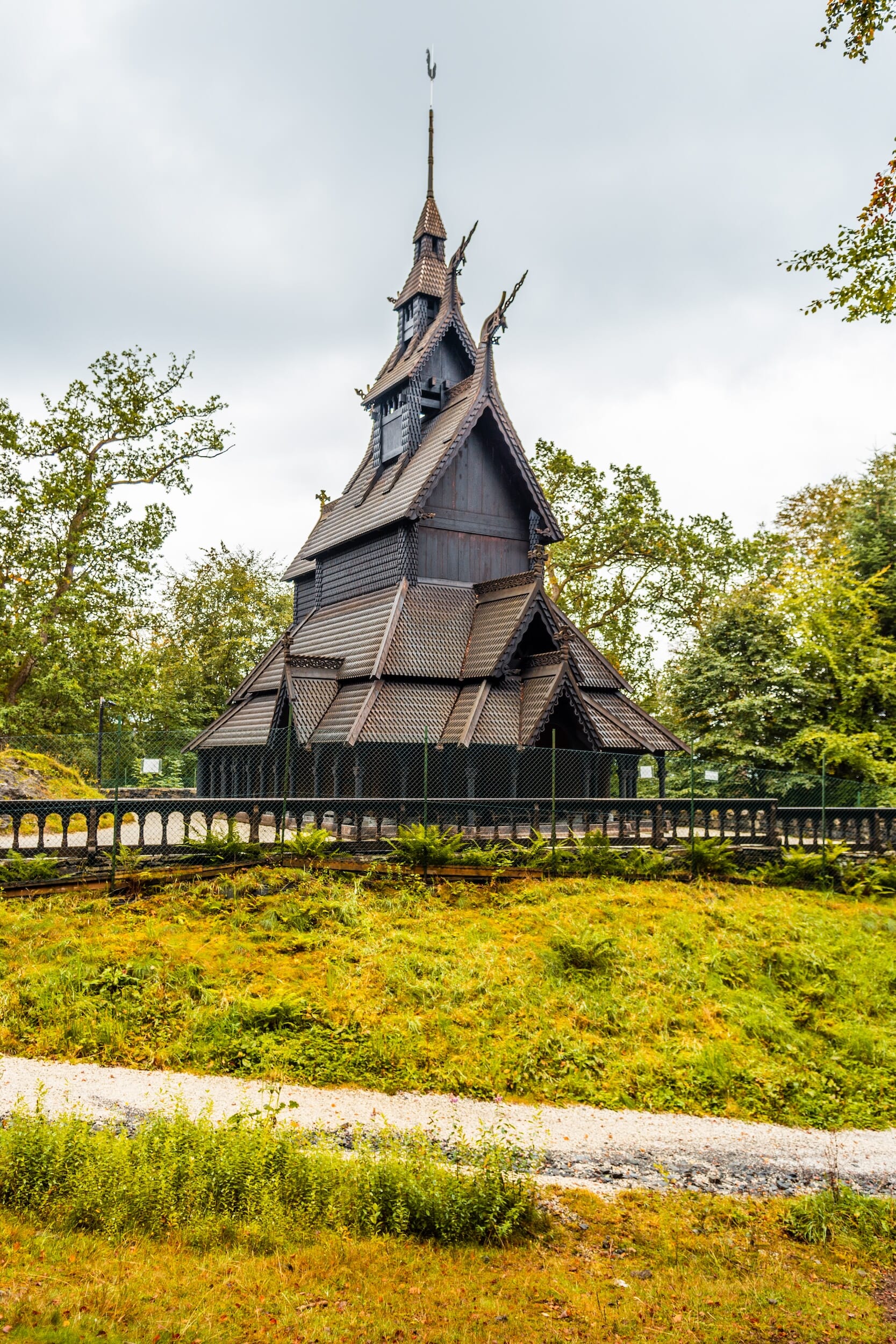
Fantoft Stave Church is a stunning example of Norway’s medieval architectural heritage. Originally built in the 12th century in Fortun, a village in the Sogn region, the stave church was relocated to Fantoft in 1883 to preserve it from demolition.
The church’s distinctive wooden architecture, intricate carvings, and traditional construction techniques make it a captivating sight for visitors.
Despite being destroyed by arson in 1992, Fantoft Stave Church was meticulously reconstructed, preserving its historical significance and cultural importance.
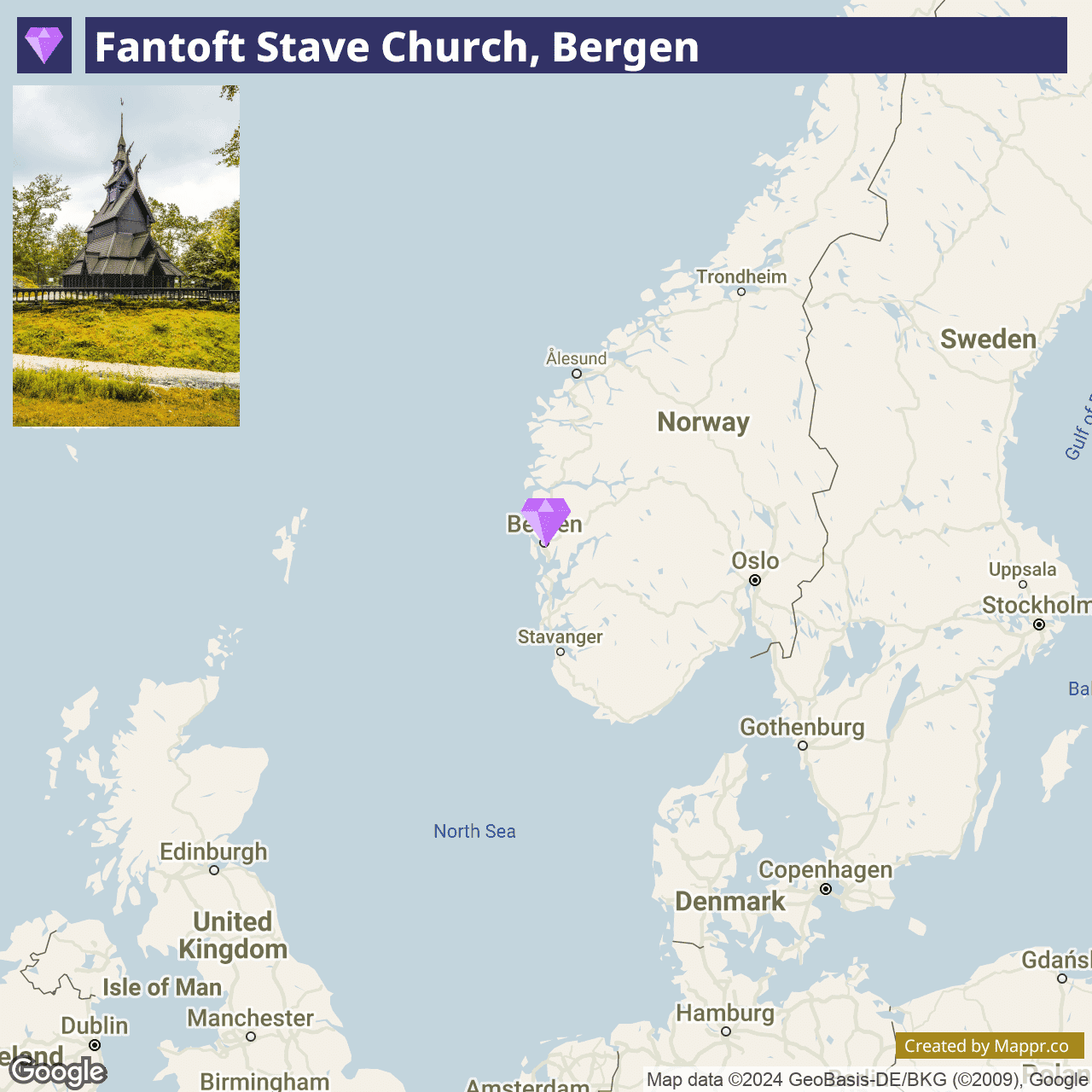
- ✈️ How to Get There: Fantoft Stave Church is easily accessible by public transport from Bergen city center. Buses run regularly to the nearby Fantoft stop.
- 🏨 Where to Stay: Check recommended places to stay in Fantoft Stave Church.
33. Eikesdalsvatnet, Møre og Romsdal
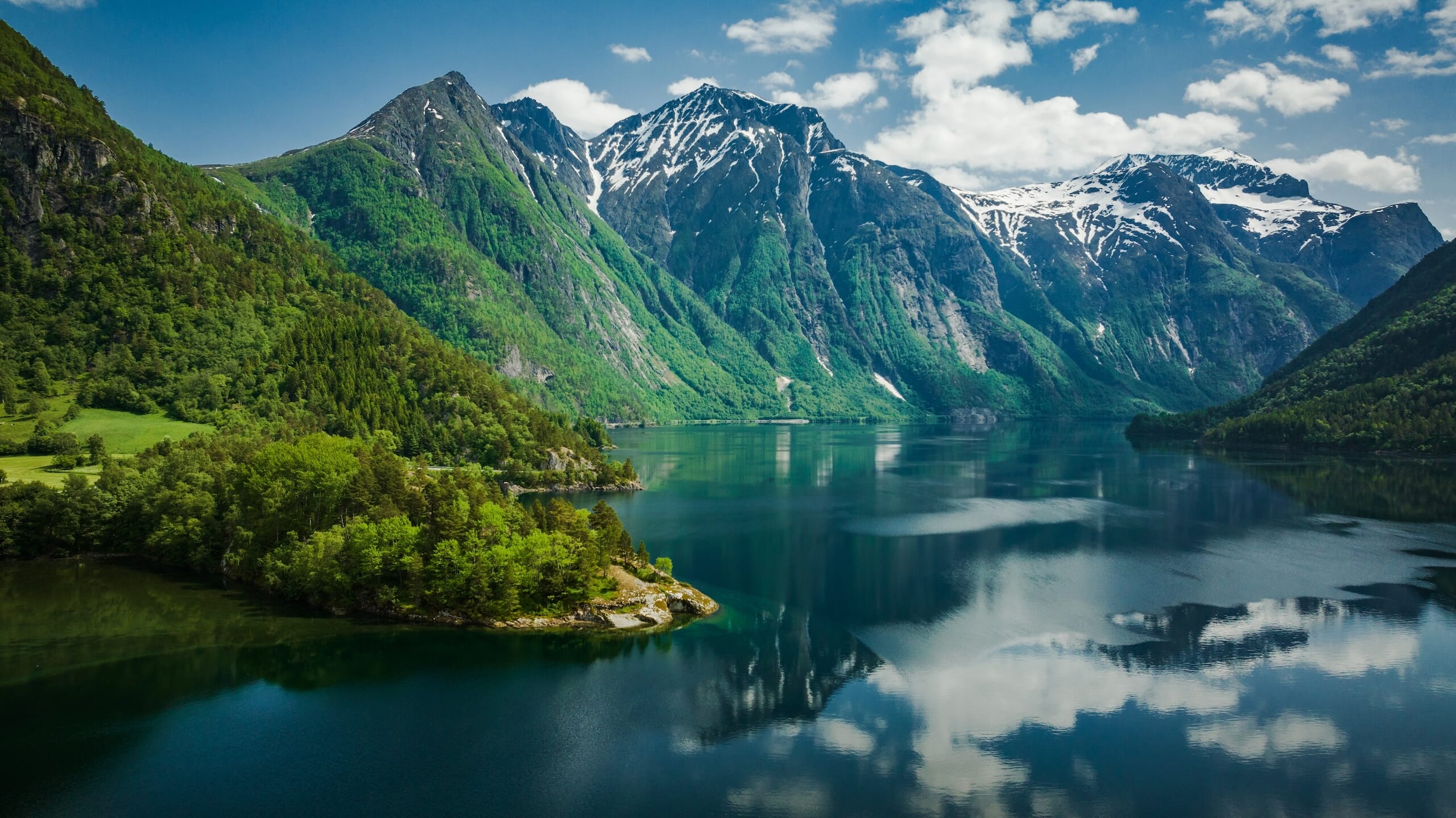
Eikesdalsvatnet mesmerizes visitors with its serene beauty and dramatic landscapes. This stunning lake, surrounded by towering mountains and cascading waterfalls, offers a tranquil escape from the hustle and bustle of everyday life.
In the summer, Eikesdalsvatnet comes alive with vibrant colors as wildflowers bloom along its shores and the sun casts its golden glow over the crystal-clear waters.
Visitors to Eikesdalsvatnet can explore the surrounding wilderness by hiking trails, fishing in pristine rivers and streams, or simply relaxing and taking in the majestic scenery that surrounds this hidden gem.
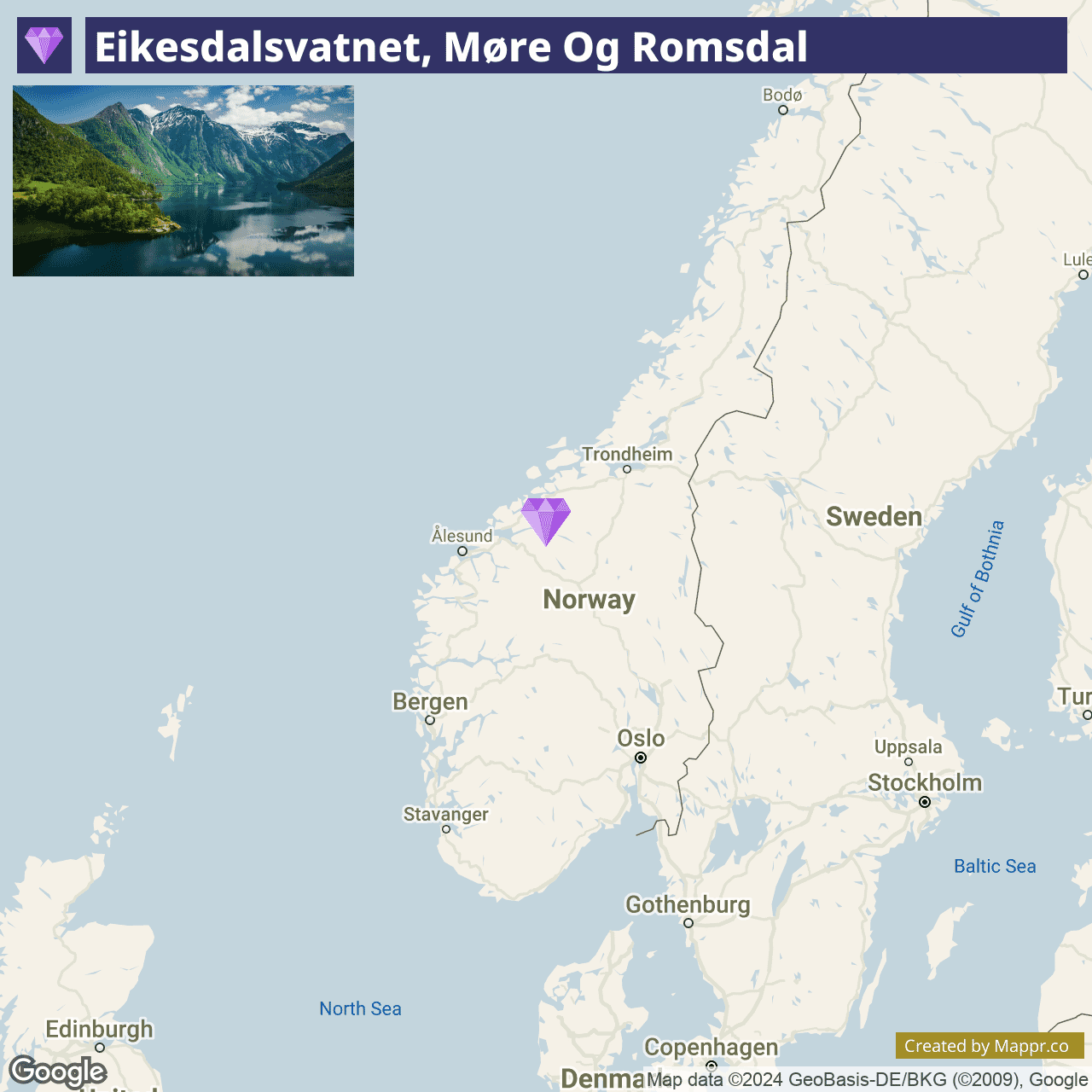
- ✈️ How to Get There: Eikesdalsvatnet is accessible by road from nearby towns and cities, with scenic drives offering breathtaking views of the surrounding mountains and valleys.
- 🏨 Where to Stay: Check recommended places to stay in Eikesdalsvatnet.
34. Utne, Hardanger
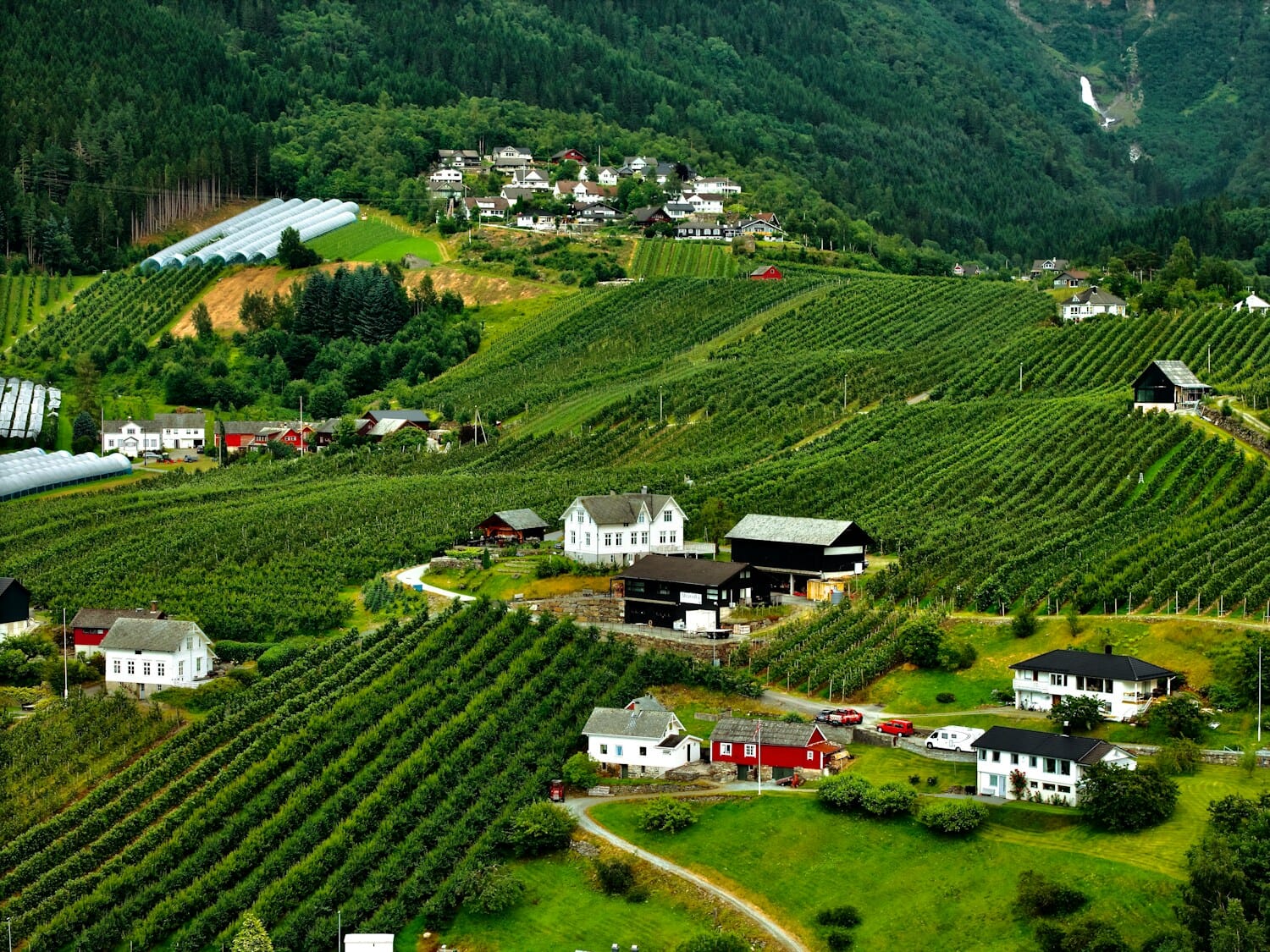
On the Hardangerfjord’s inner reaches, Utne is a two-street village of white wooden houses, a 300-year-old inn (Utne Hotel, said to be Norway’s oldest continuously operating hotel) and orchards that turn bright pink in May and heavy with apples in September. Unlike Ulvik or Lofthus, it does not appear on cruise itineraries.
Ferry from Kinsarvik or Kvanndal is a 25-minute crossing. The Hardanger Folkemuseum next door is one of Norway’s better regional ethnographic collections. Slow travel is the point; the surrounding orchards, cherry farms and open-air museum walk-throughs reward staying two nights, not two hours.
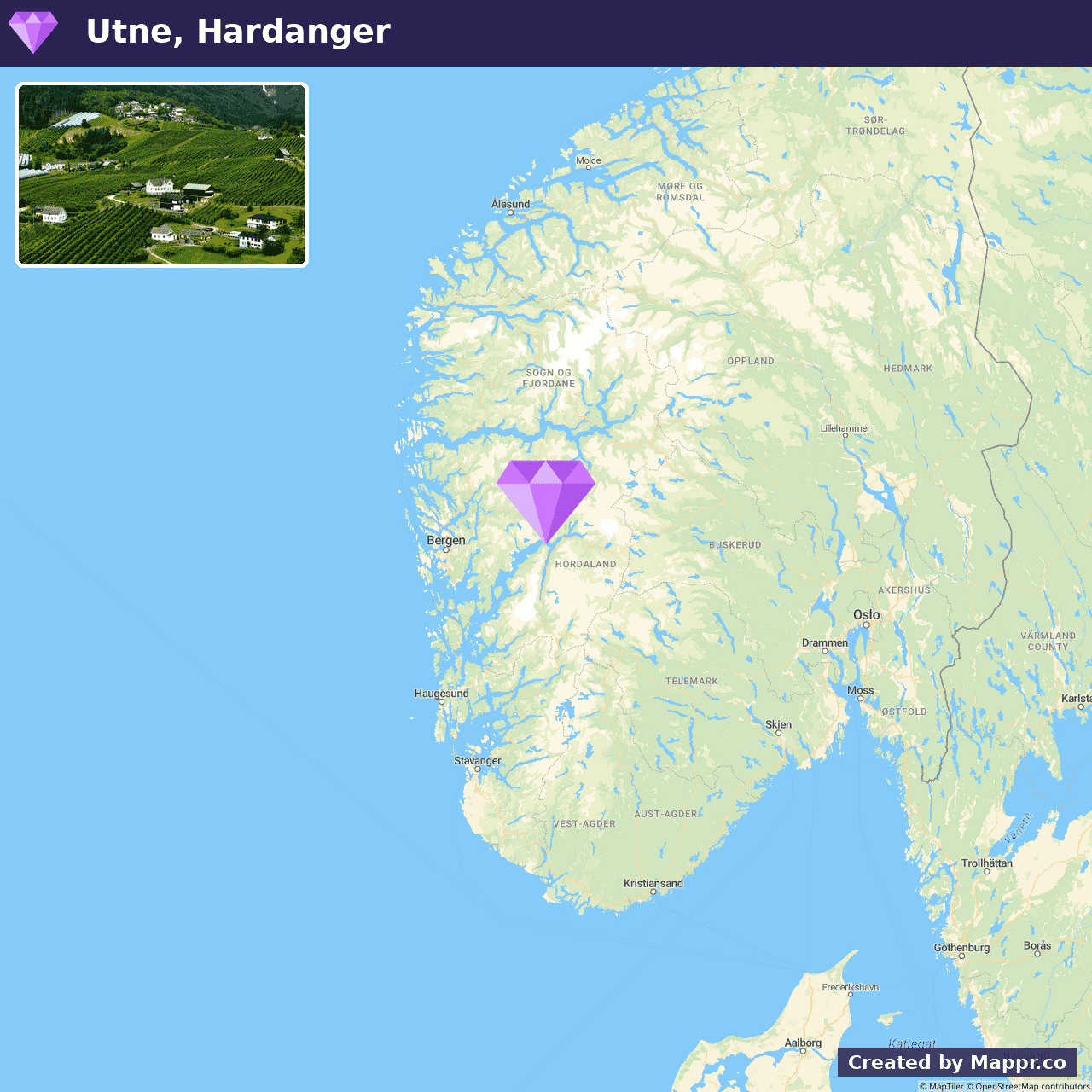
- ✈️ How to Get There: Bergen (BGO) is 3 hours away by rental car (the last stretch via the Hardangerbrua bridge or the Kinsarvik ferry). Buses connect Bergen to Odda; from Odda, local ferries reach Utne.
- 🏨 Where to Stay: Check recommended places to stay in Utne.
35. Fjærland, Sogn og Fjordane
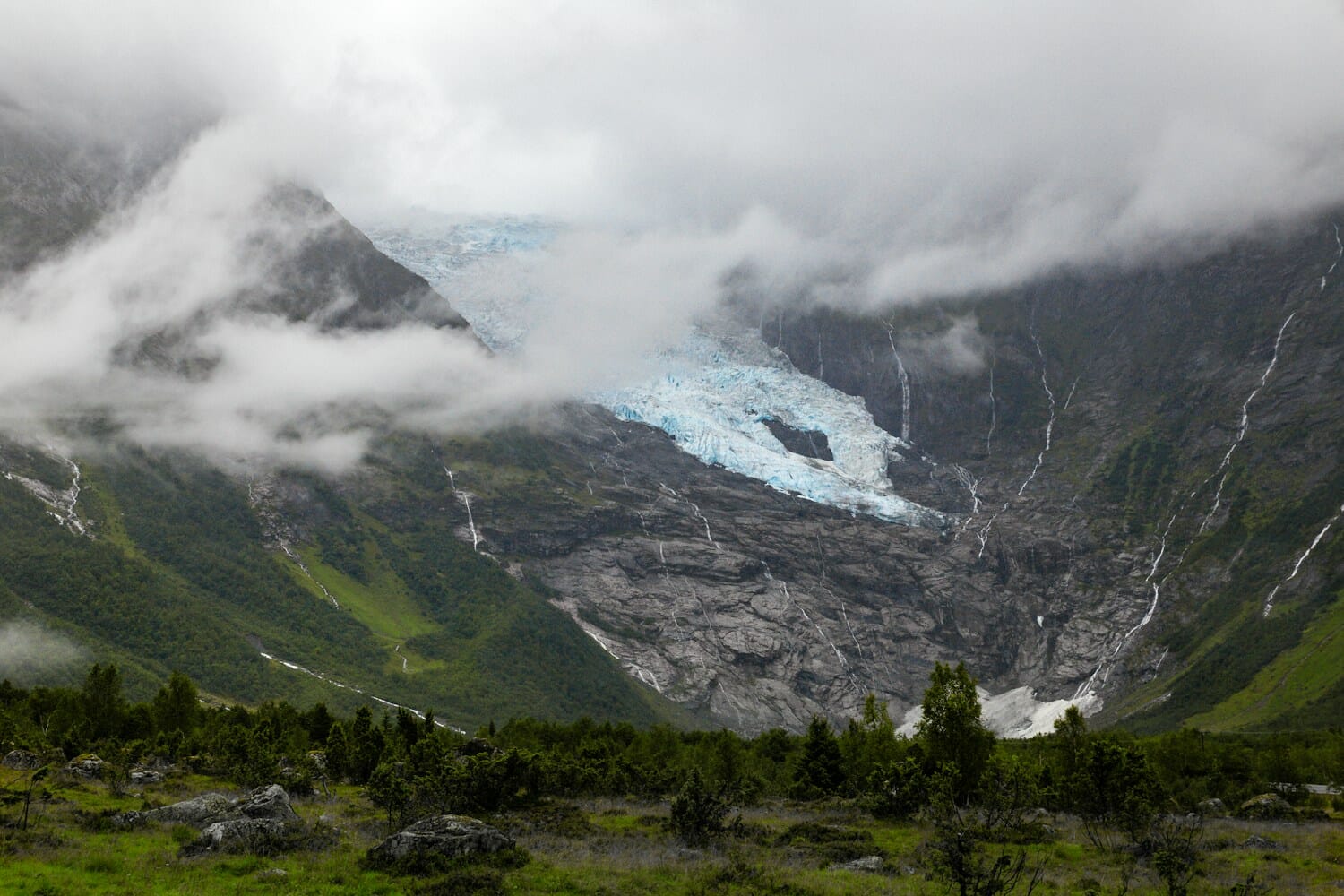
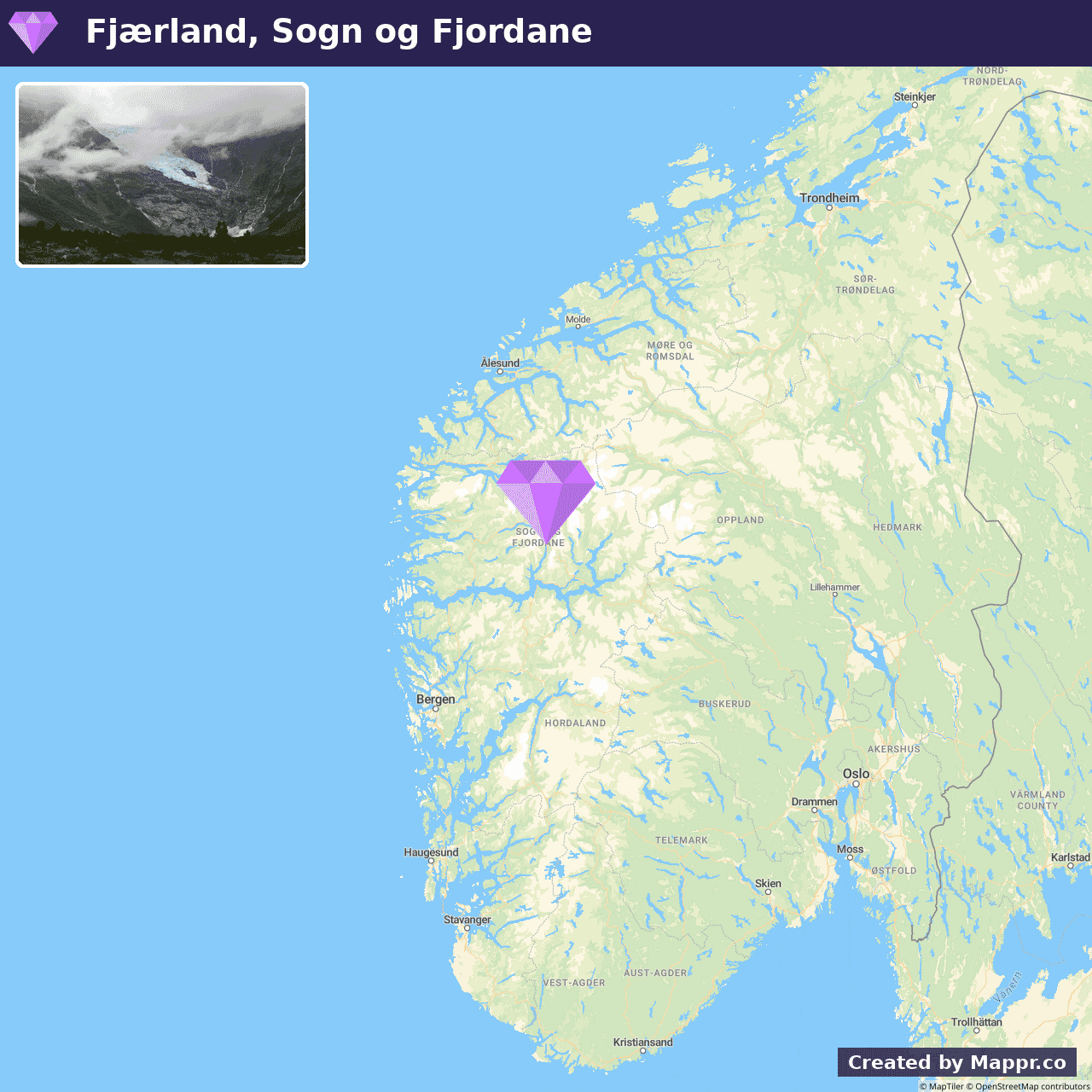
At the head of the Fjærlandsfjord, Fjærland sits at the foot of the Jostedalsbreen, mainland Europe’s largest glacier. It is one of Norway’s official book-towns, with a dozen used-book shops housed in old barns and ferry terminals along the fjord, plus the Norwegian Glacier Museum.
Come in July for the closest access to the Bøyabreen and Supphellebreen glacier tongues, and for the Fjærland book-town’s summer used-book fair. The road here (Route 5 through the Fjærlandstunnel) only opened in 1994, which is why the village is still small and quiet.
- ✈️ How to Get There: Bergen (BGO) is 5 hours by car via Sognefjord; buses from Sogndal connect in about an hour.
- 🏨 Where to Stay: Check recommended places to stay in Fjærland.
36. Nusfjord, Lofoten
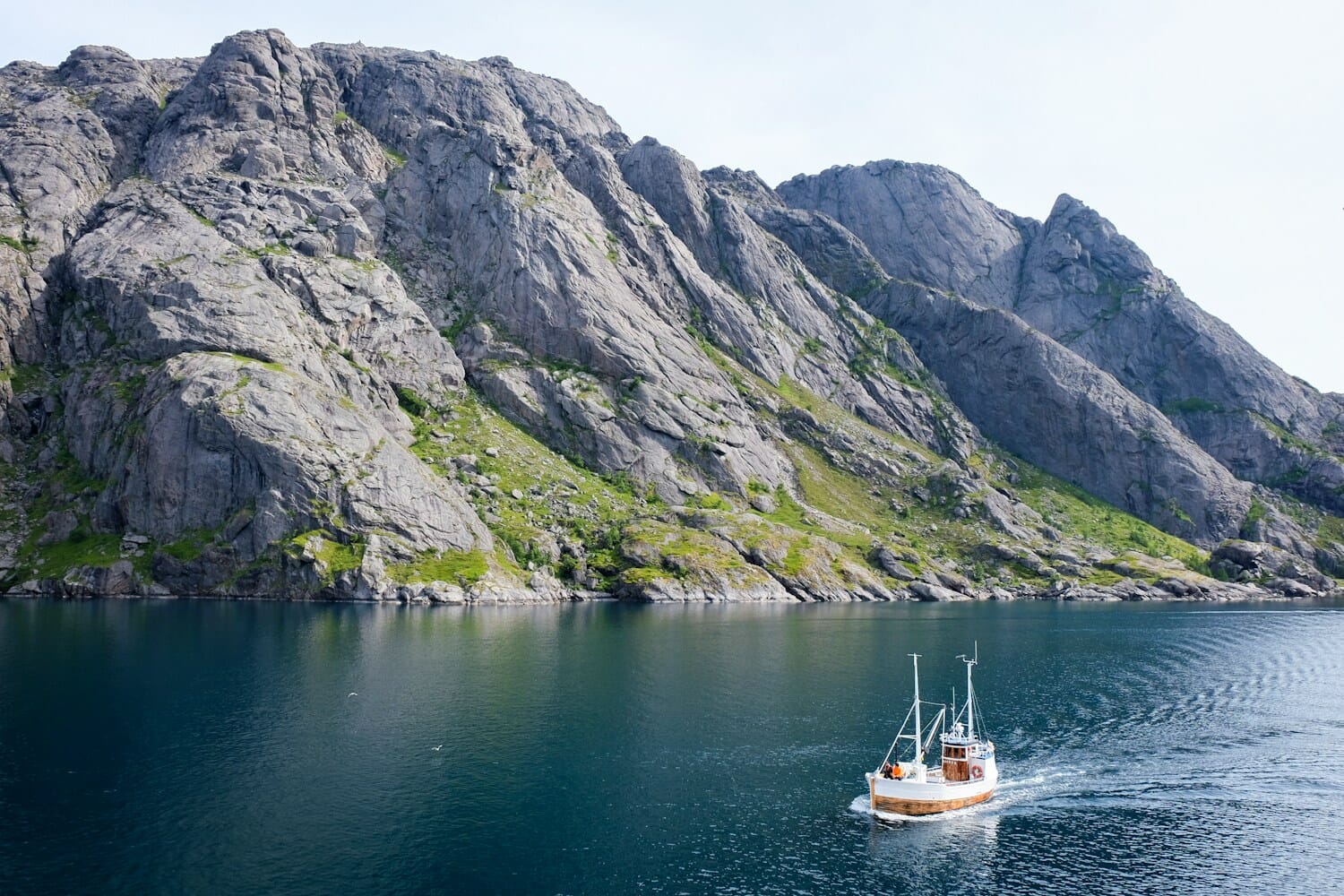
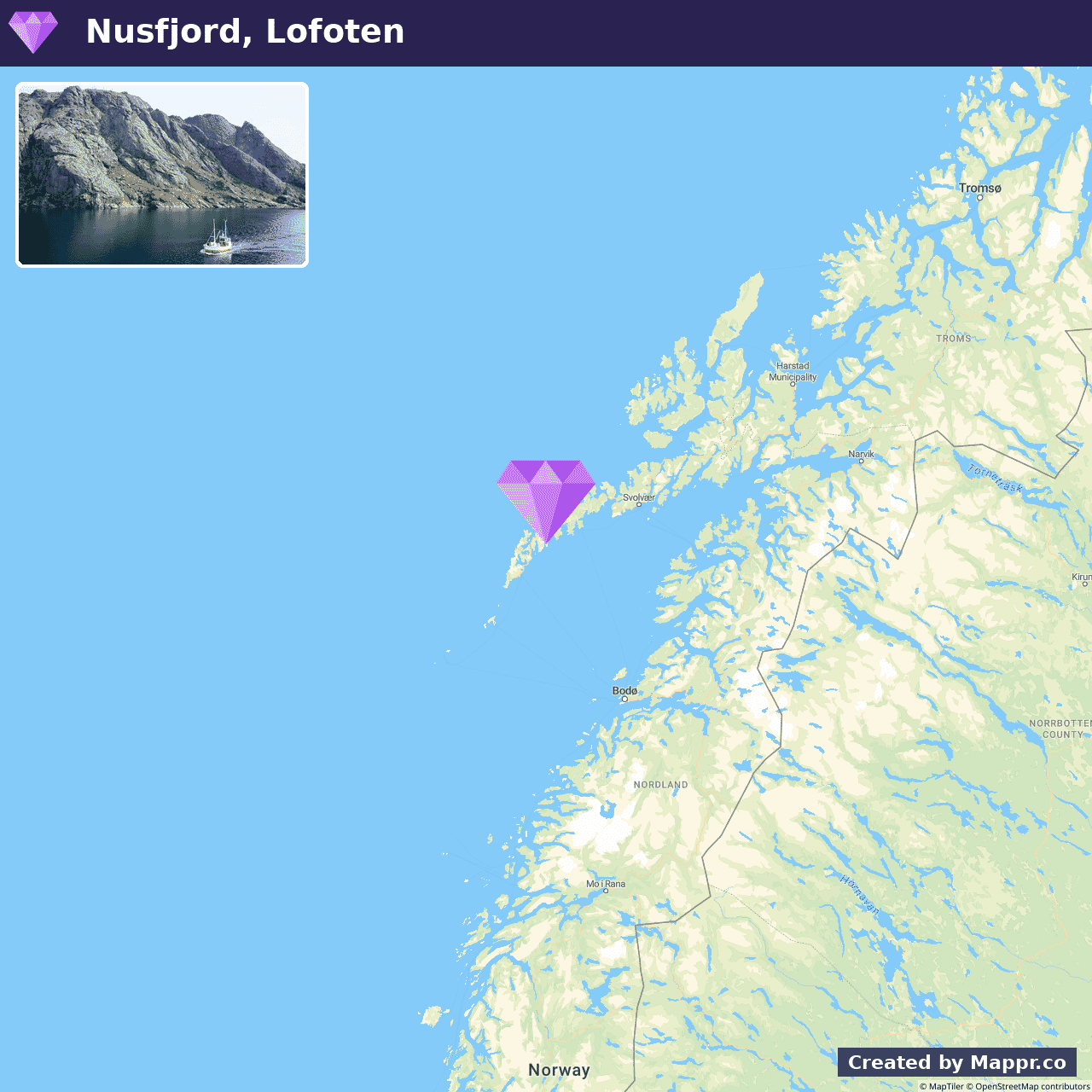
The Reine-alternative on Lofoten. Nusfjord is a UNESCO-preserved fishing village whose original rorbuer (fishermen’s cabins) date to the late 1800s and have been converted into accommodation without losing their character. As Reine bursts under 700,000+ annual visitors, Nusfjord’s steep-sided harbour and 5€ entrance-toll walkway keep day-tripper numbers manageable.
July is the busiest month but still nothing like Reine: expect one small pier, a smokehouse, a general store from 1905, and a handful of the best sea-eagle-watching in western Lofoten. The Nusfjord Arctic Resort now runs the village, which sounds branded but has been careful with the preservation.
- ✈️ How to Get There: Bodø (BOO) plus ferry to Moskenes, then a 40-minute drive; or fly into Svolvær (SVJ) for a shorter road trip.
- 🏨 Where to Stay: Check recommended places to stay in Nusfjord.
Final Thoughts
Reflecting on Norway’s lesser-known summer treasures, it’s clear that they offer a rich mosaic of natural beauty and cultural depth.
From tranquil fjords to historic landmarks, each hidden gem invites a deeper connection with nature and heritage.
For those yearning for authenticity and tranquility, Norway’s hidden summer gems are a testament to the country’s enduring allure.
Most travellers reach Norway’s hidden gems by flying into one of its main international gateways, Oslo (OSL), plus Bergen (BGO) for the fjords. From there it’s a short domestic hop, train or drive to the spots on this list. For every major airport, where they are and which destinations they serve, see our guide to the major airports in Norway.


This guide is part of our hidden gems travel guides, mapping underrated places to visit country by country.
What are the best hidden gems in Norway?
Beyond Bergen and the big-name fjords, Norway hides places like the Lofoten and Senja islands, the Atlantic Road, and remote villages along the far north coast. Our map features 36 across the country.
When is the best time to visit Norway?
Summer (June to August) brings the midnight sun and the best hiking and island weather. For the northern lights, visit between October and March. Late spring and early autumn are quieter with lower prices.
How do you get to Norway’s hidden gems?
Norway is long and mountainous, so trips usually combine domestic flights, scenic ferries and a rental car. The main gateways are Oslo (OSL) and Bergen (BGO), with Tromso serving the Arctic north.
How many days do you need in Norway?
A week covers the fjords or the north. To combine southern fjords with Lofoten and the Arctic, plan on ten days to two weeks, as travel between regions takes time.
Sources: